

Usûlü’l-hikem fî Nizâmi’l-ümem
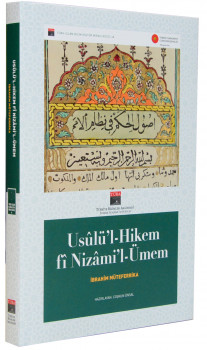
Usûlü’l-hikem was printed in a run of 500 copies in 1732 as the ninth book published by Müteferrika’s printing press. Later, at various times, manuscript copies based on the printed edition were also produced. Today, there are many manuscript copies of Usûlü’l-hikem both in Türkiye and abroad. In the study prepared by Coşkun Ünsal, the printed edition is compared with seven manuscript copies found in Türkiye. The study, which focuses on the sources İbrahim Müteferrika drew upon while writing the work and the impact the work had in the years following its publication, also includes a version of Usûlü’l-hikem transcribed into the modern Turkish alphabet based on the printed edition. In Usûlü’l-hikem fî nizâmi’l-ümem, one of the most important works on Turkish modernization, information is provided on İbrahim Müteferrika’s life, as well as his original works, supplements, and translations; followed by a discussion of the title of Usûlü’l-hikem, its date of composition, the reasons for its composition, to whom it was presented, and its content. The purpose of this work, which introduced many new concepts and topics into Ottoman history, is to offer ideas on how to resolve the fundamental problems within the Ottoman military structure. To this end, Müteferrika explains, using historical examples, what the new developments in the armies of Christian nations were and how they affected Ottoman warfare. Usûlü’l-hikem has profoundly influenced Ottoman intellectual life since the time of its writing and played a significant role in the process leading to the establishment of the Nizâm-ı Cedîd Army. Comprising three main sections, the work explains in the first section the necessity of a disciplined army and the benefits of discipline; in the second section, the benefits of the science of geography and the importance of being informed about the enemy’s situation are explained with examples. The final section, meanwhile, examines in detail the military classes of Europe, their organization, and the status of soldiers in times of war and peace.