

Tiryâkî Hasan Paşa Gazavâtnâmesi
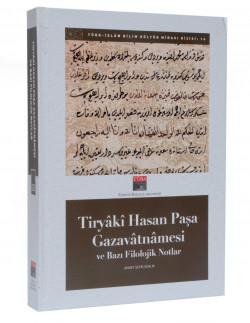
Tiryaki Hasan Pasha’s defense of Kanije and his victory not only caused a great stir during his time, the story (written by a soldier who witnessed the events firsthand and which stirred great enthusiasm) was retold in various forms over the centuries and passed down from generation to generation. Both Tiryaki Hasan Pasha’s victory and other tales of heroism that took place along the Ottoman-Austrian border in the 16th and 17th centuries and became narratives frequently drawn upon by many writers to compensate for the loss of territory and prestige in the face of the West and to build national consciousness. They frequently served as narratives to which many writers particularly during the late Ottoman Empire, from Namık Kemal to Ömer Seyfettin. The story was also adapted and published in many different forms following the Alphabet Reform. However, it is evident that these publications were not particularly meticulous, especially regarding the correct pronunciation of place names. Prepared by Ahmet Şefik Şenlik with the aim of filling this gap, this work contains both a transliteration and a facsimile of the Gazavâtnâme, and provides a philological analysis of the “Western words” appearing in the text, with a particular focus on place names.