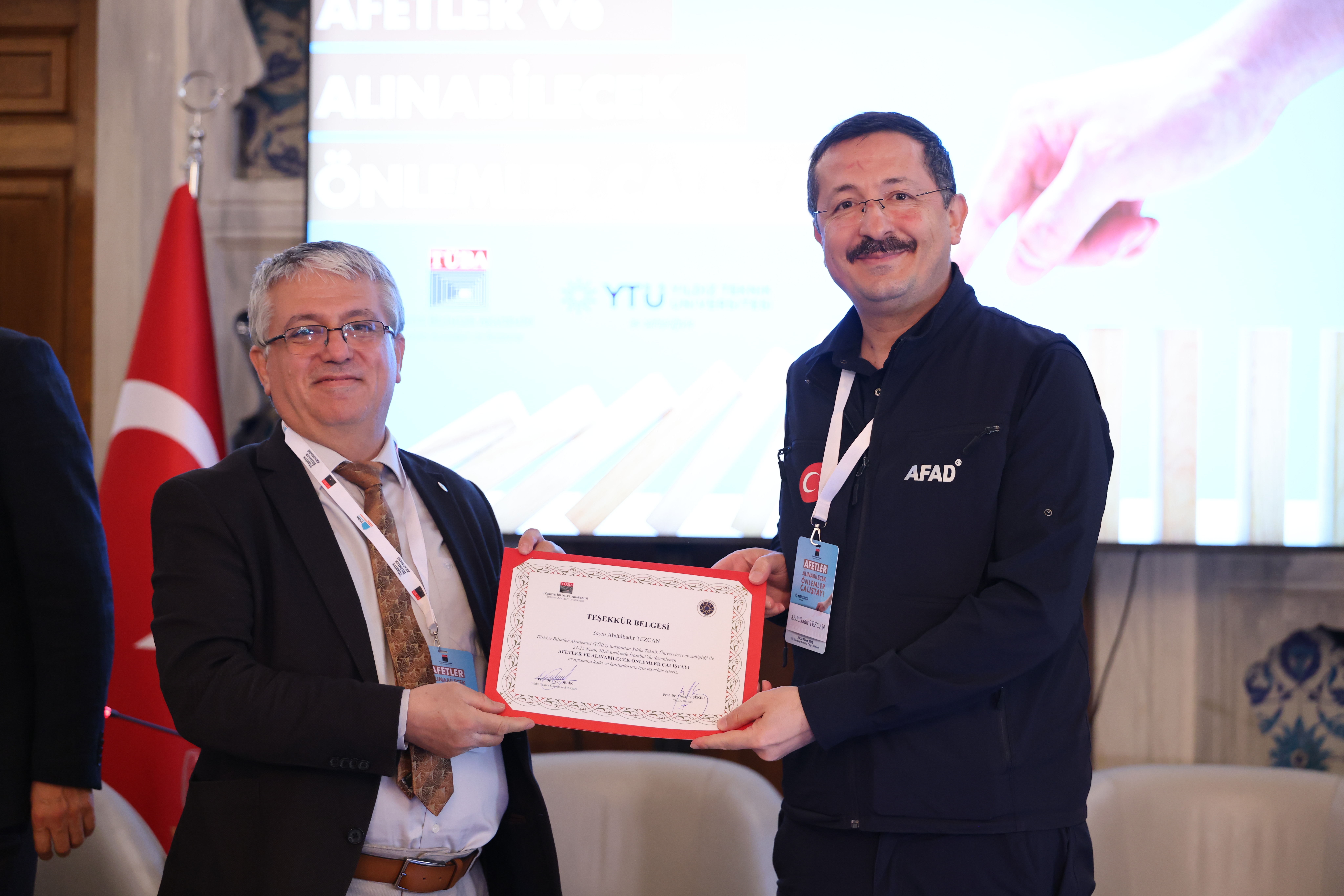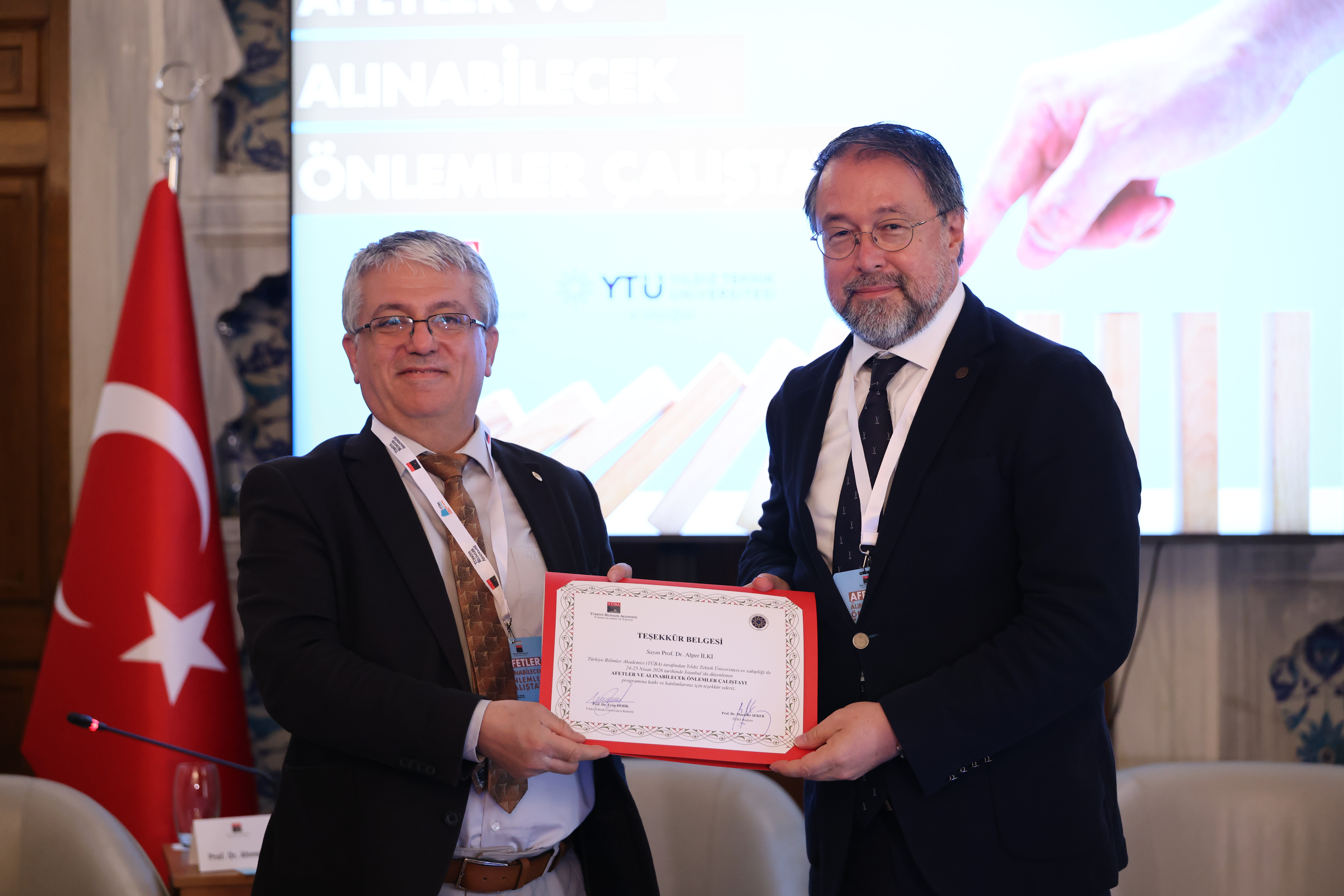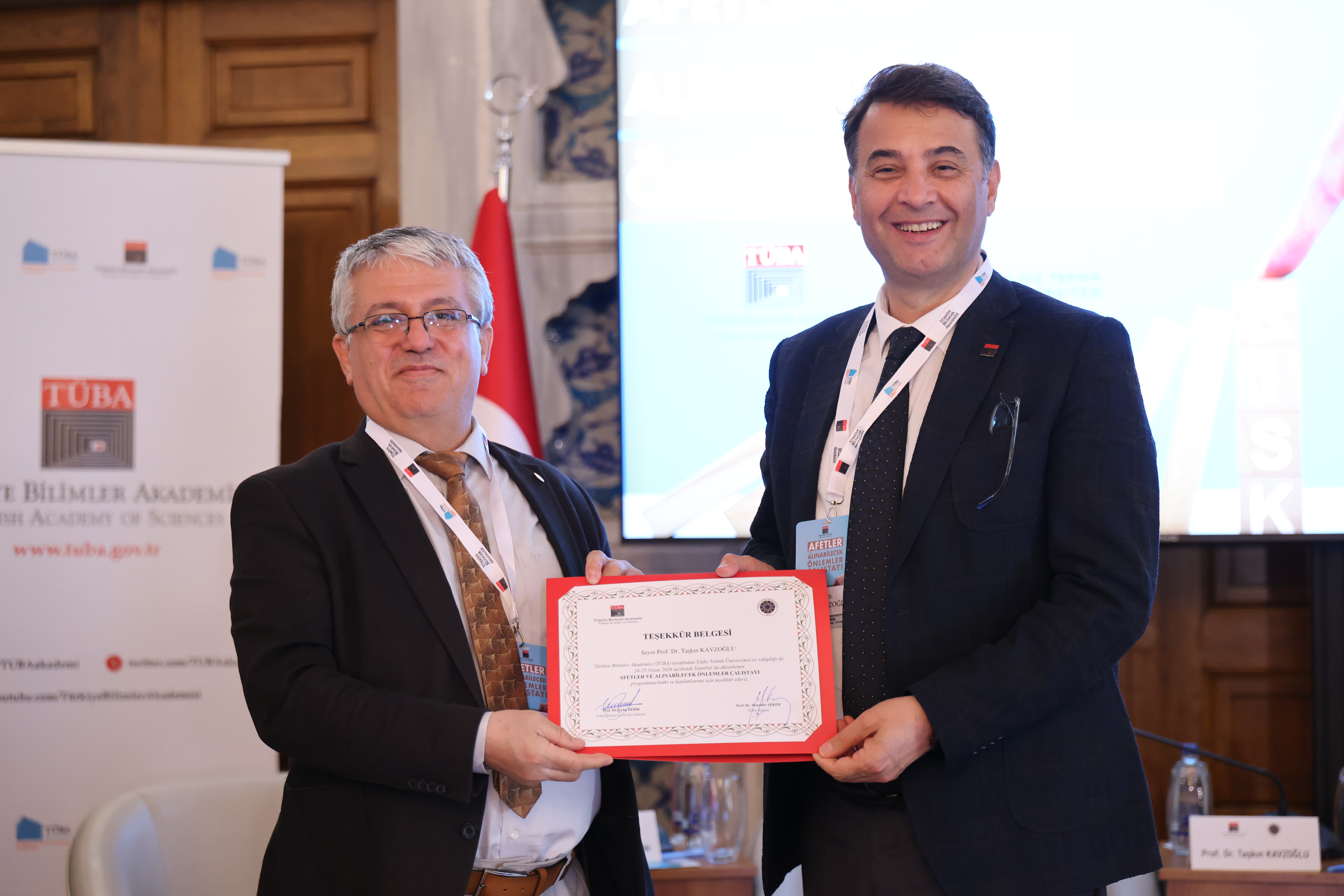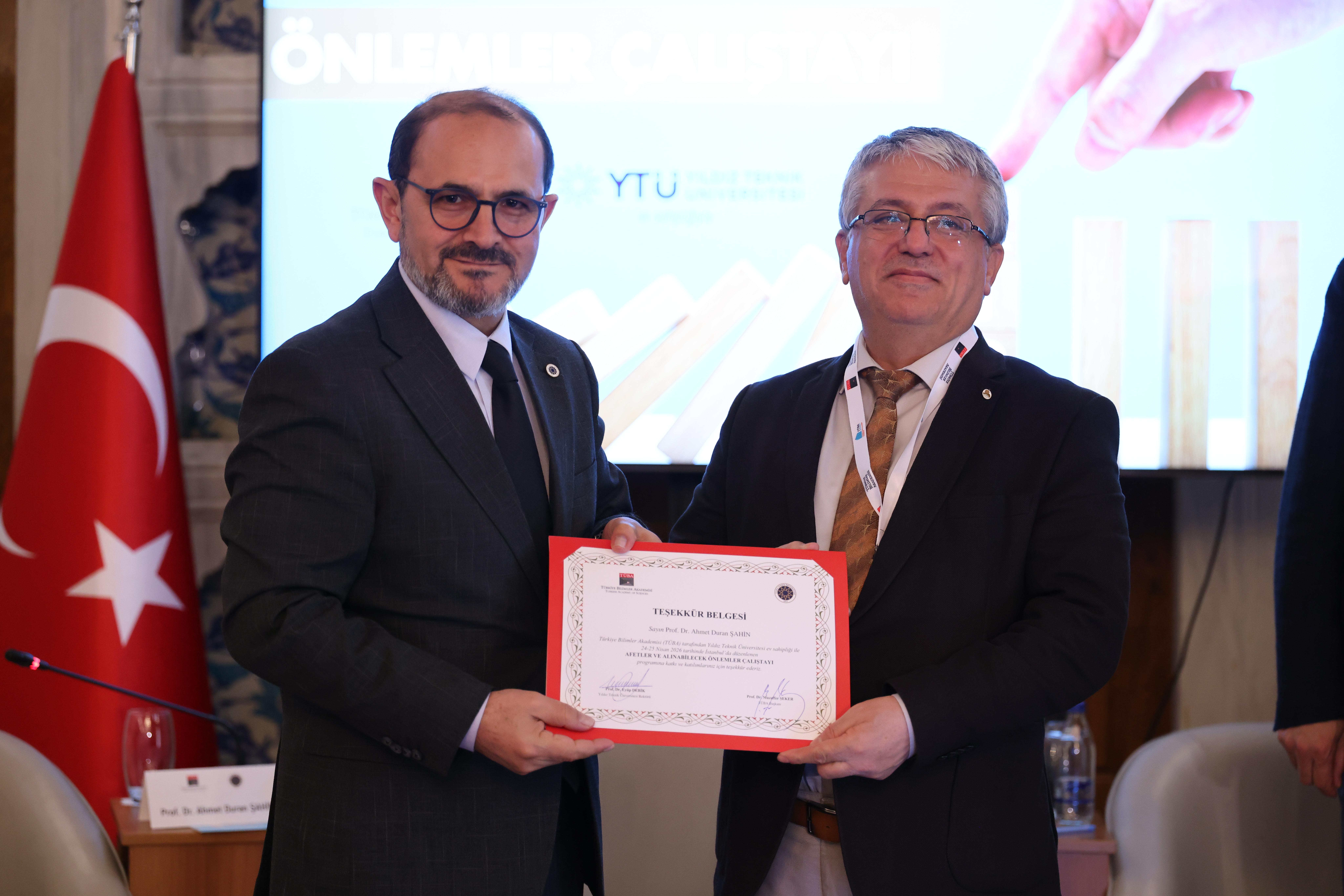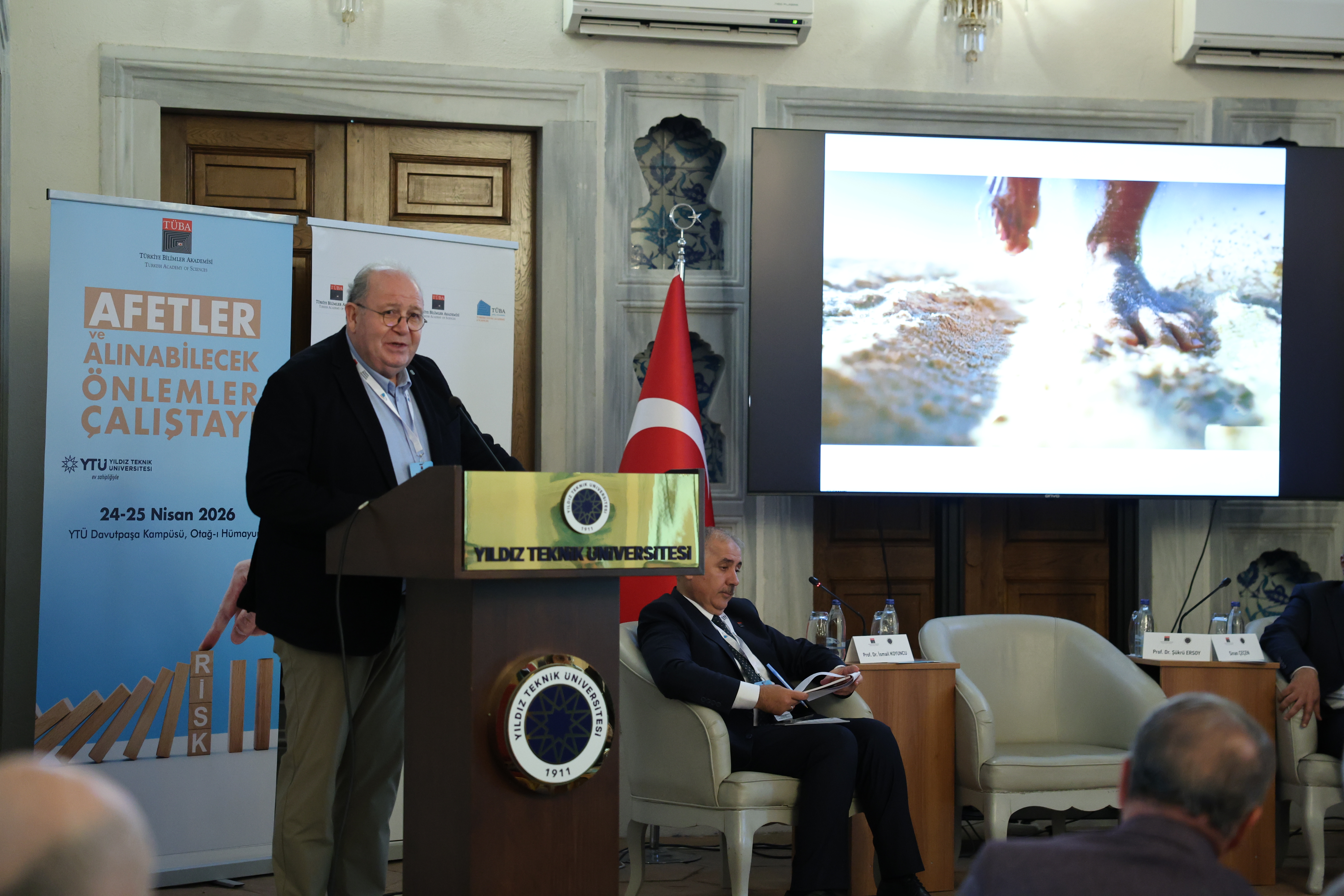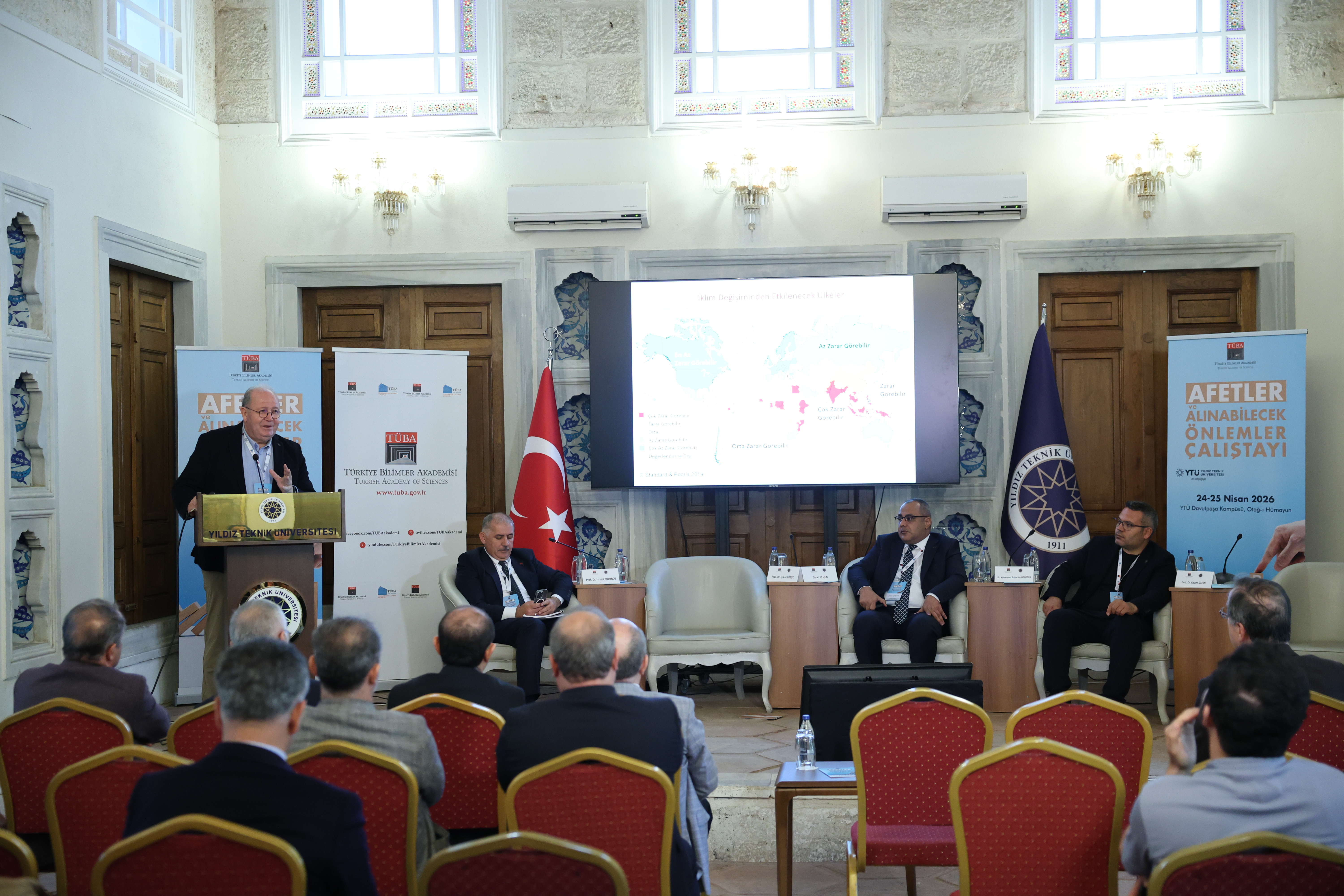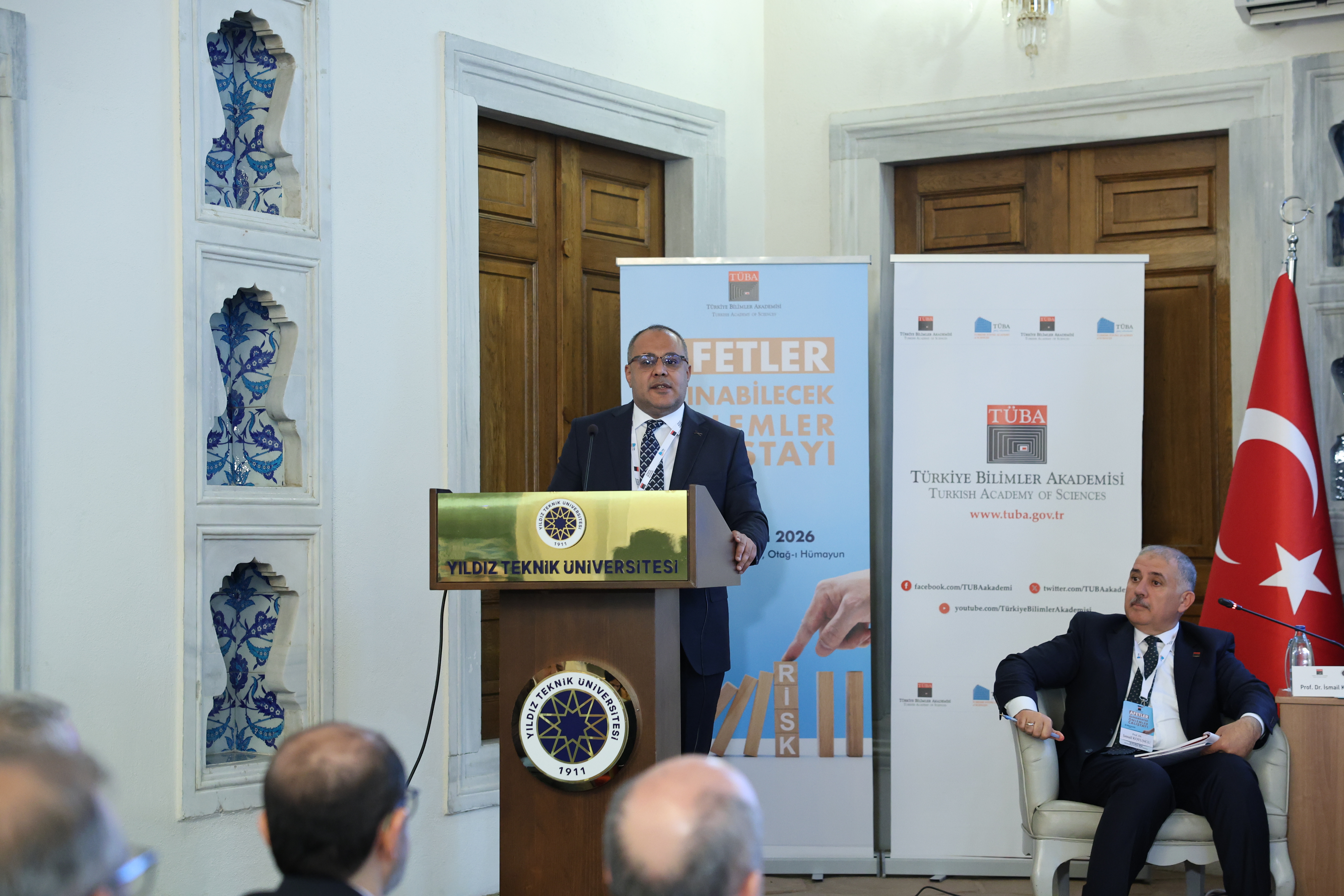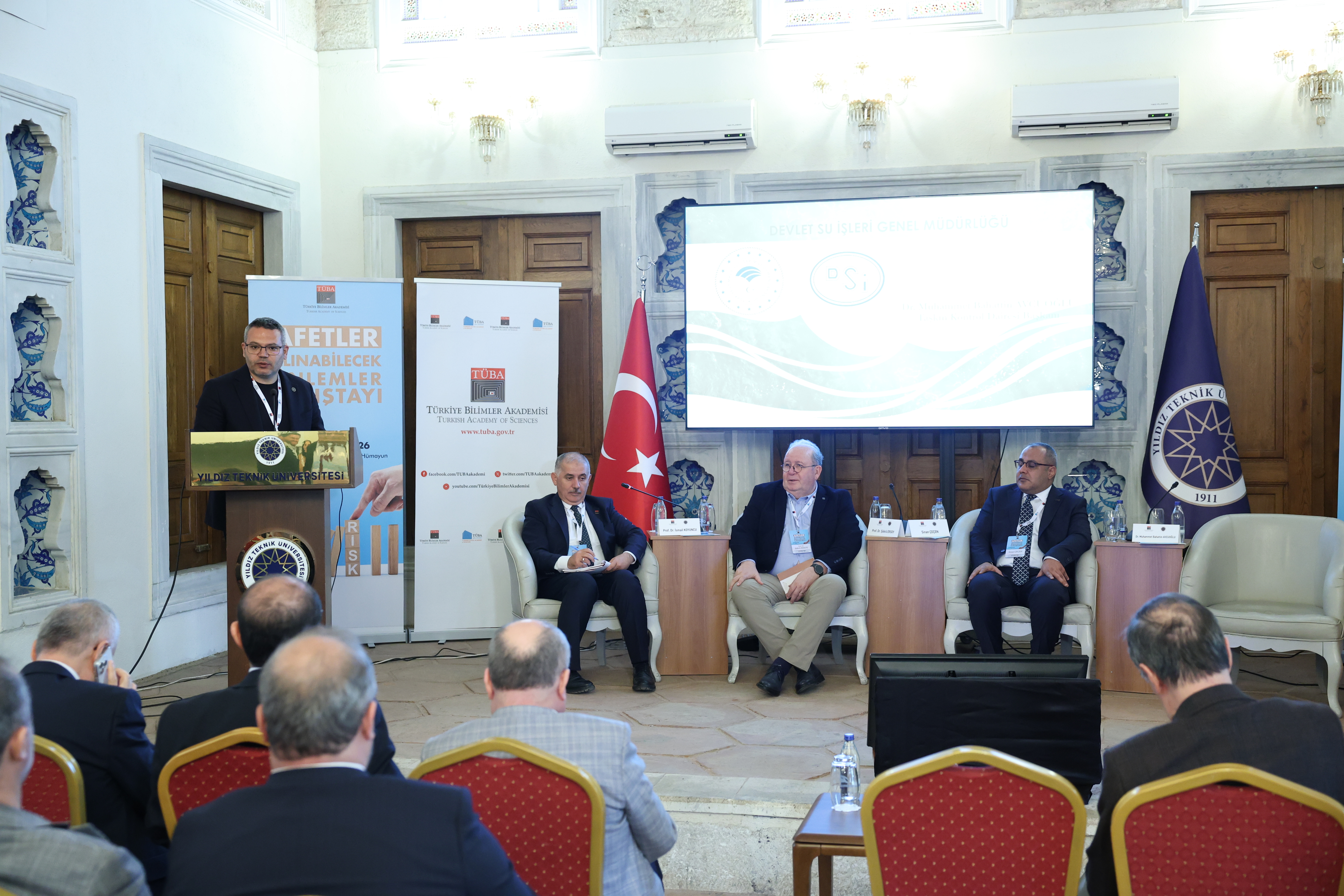


Workshop on Disasters and Preventive Measures
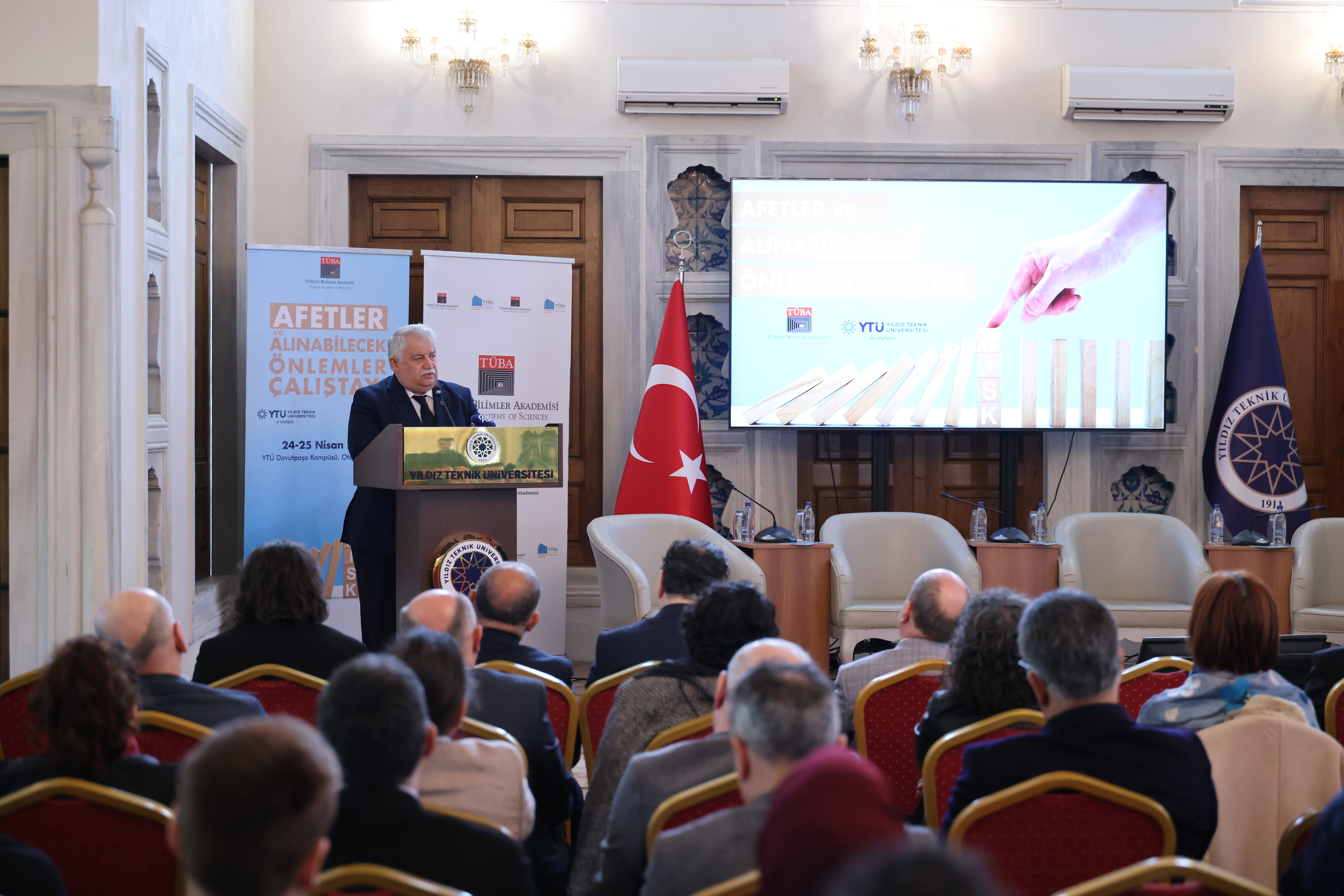
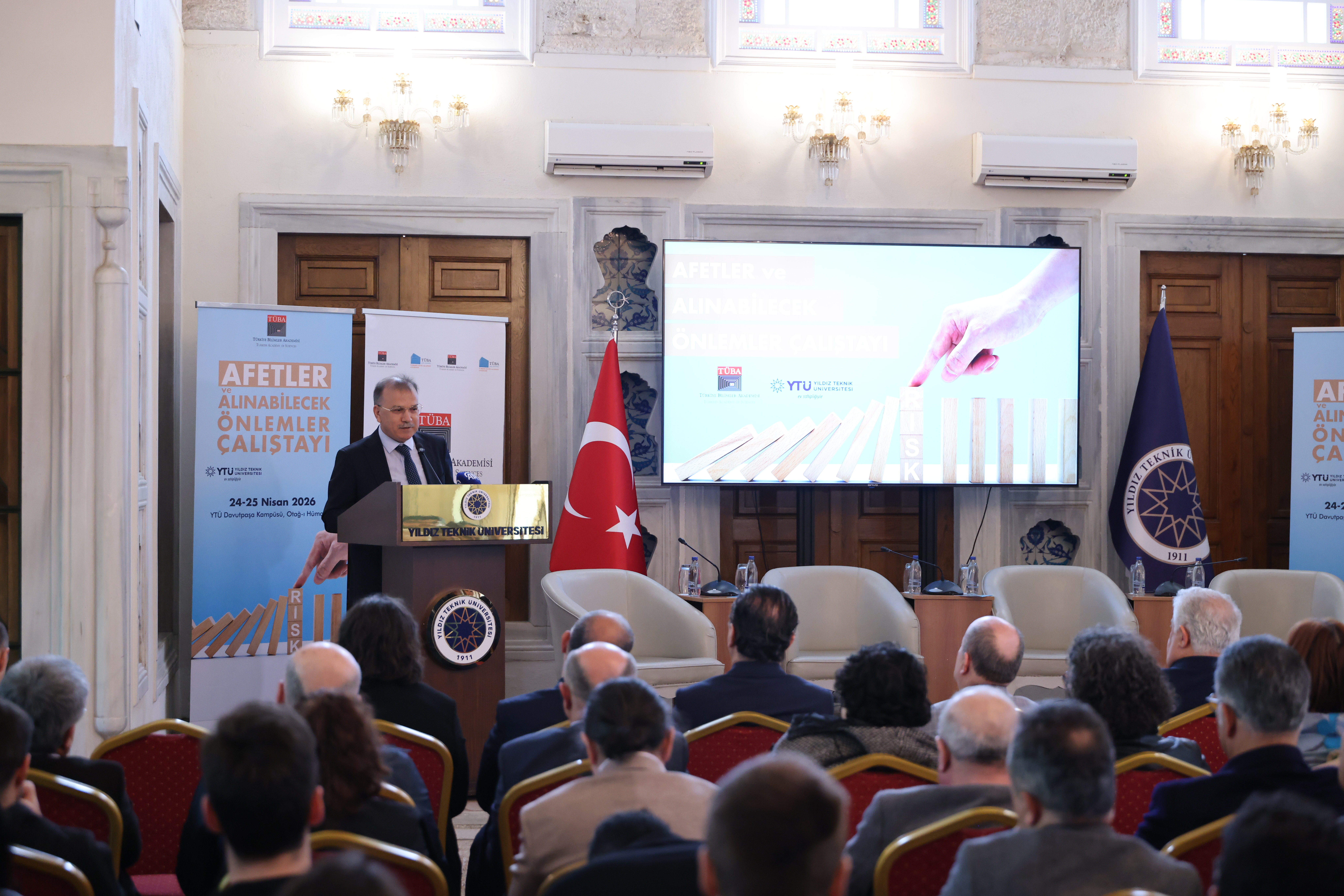
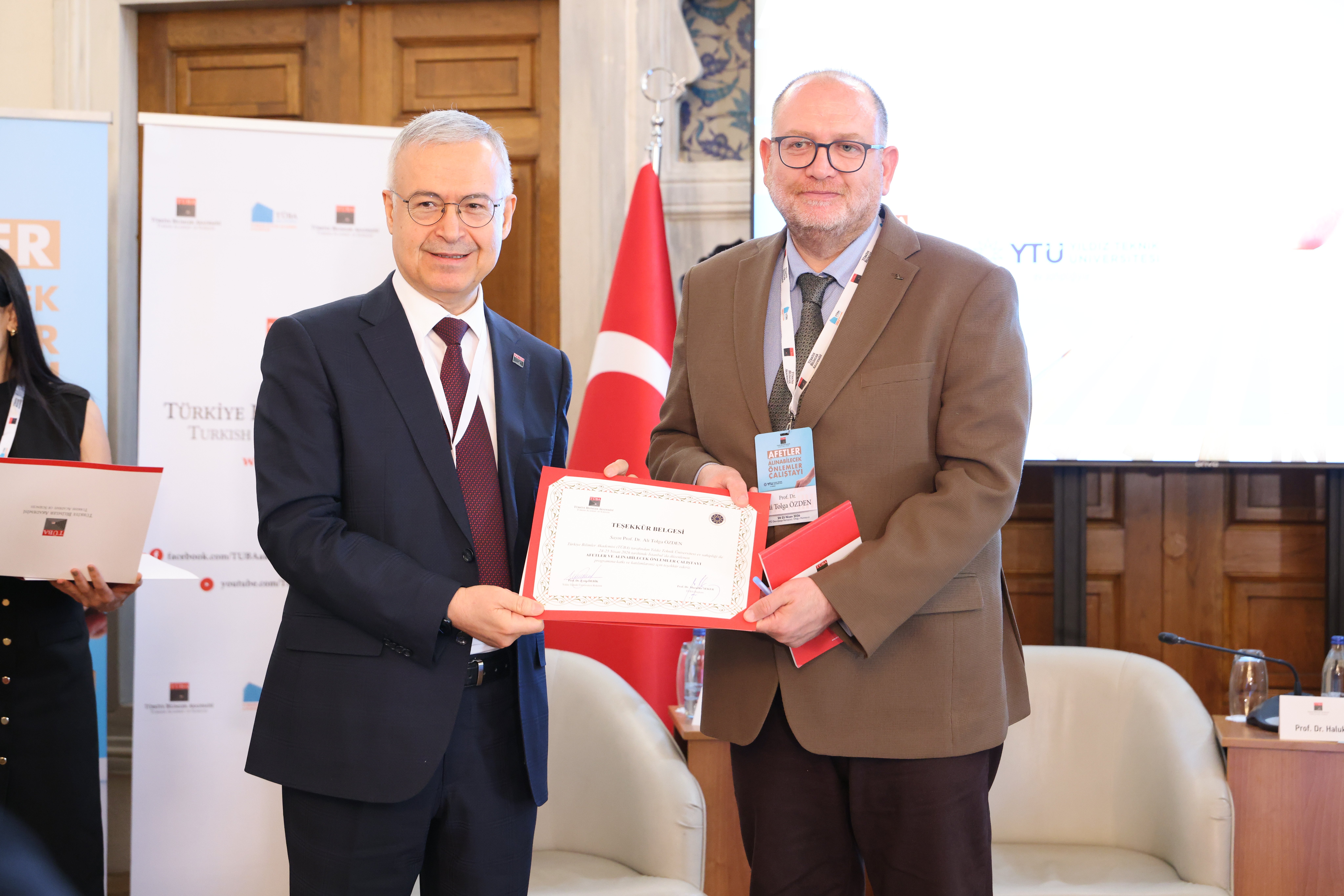
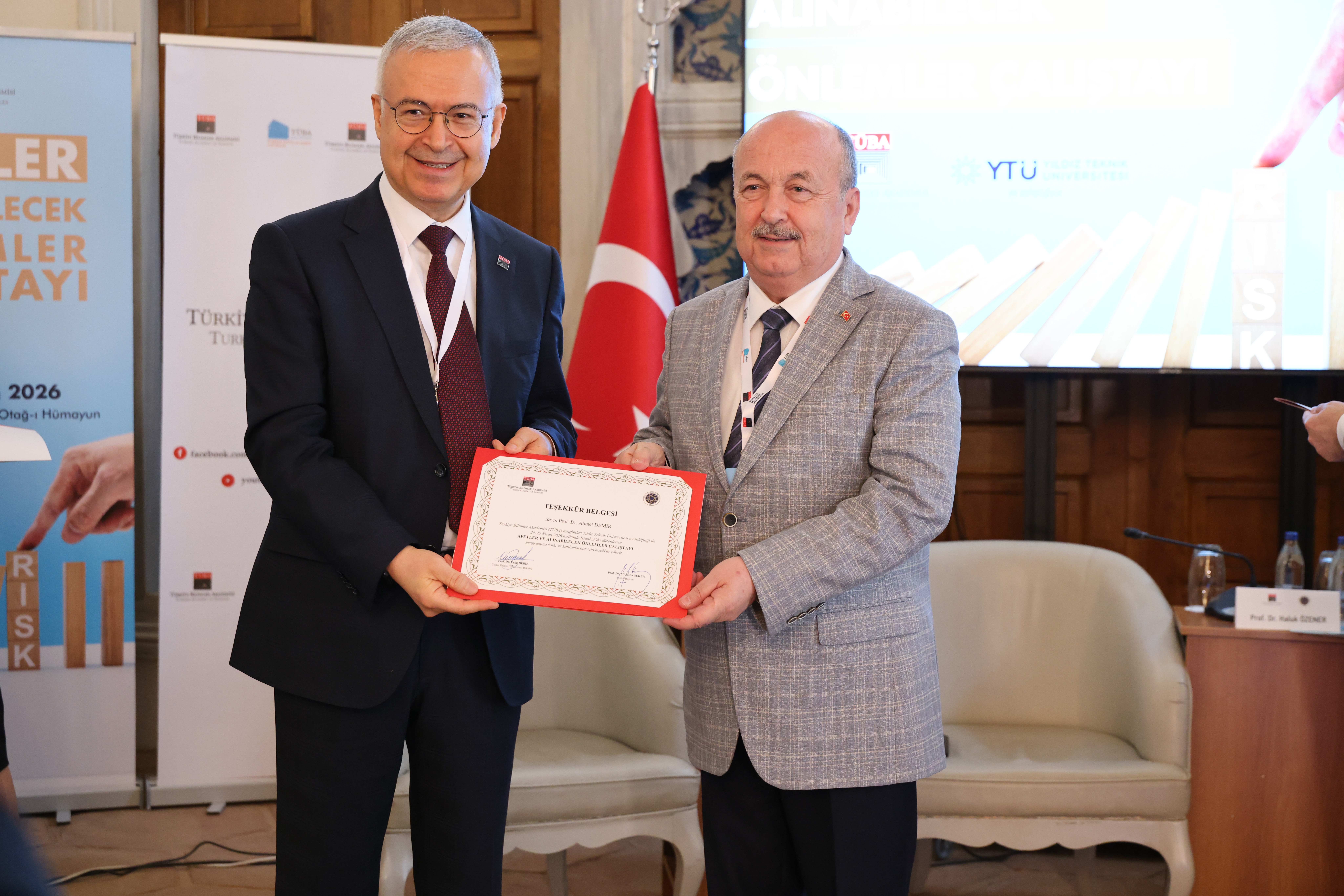
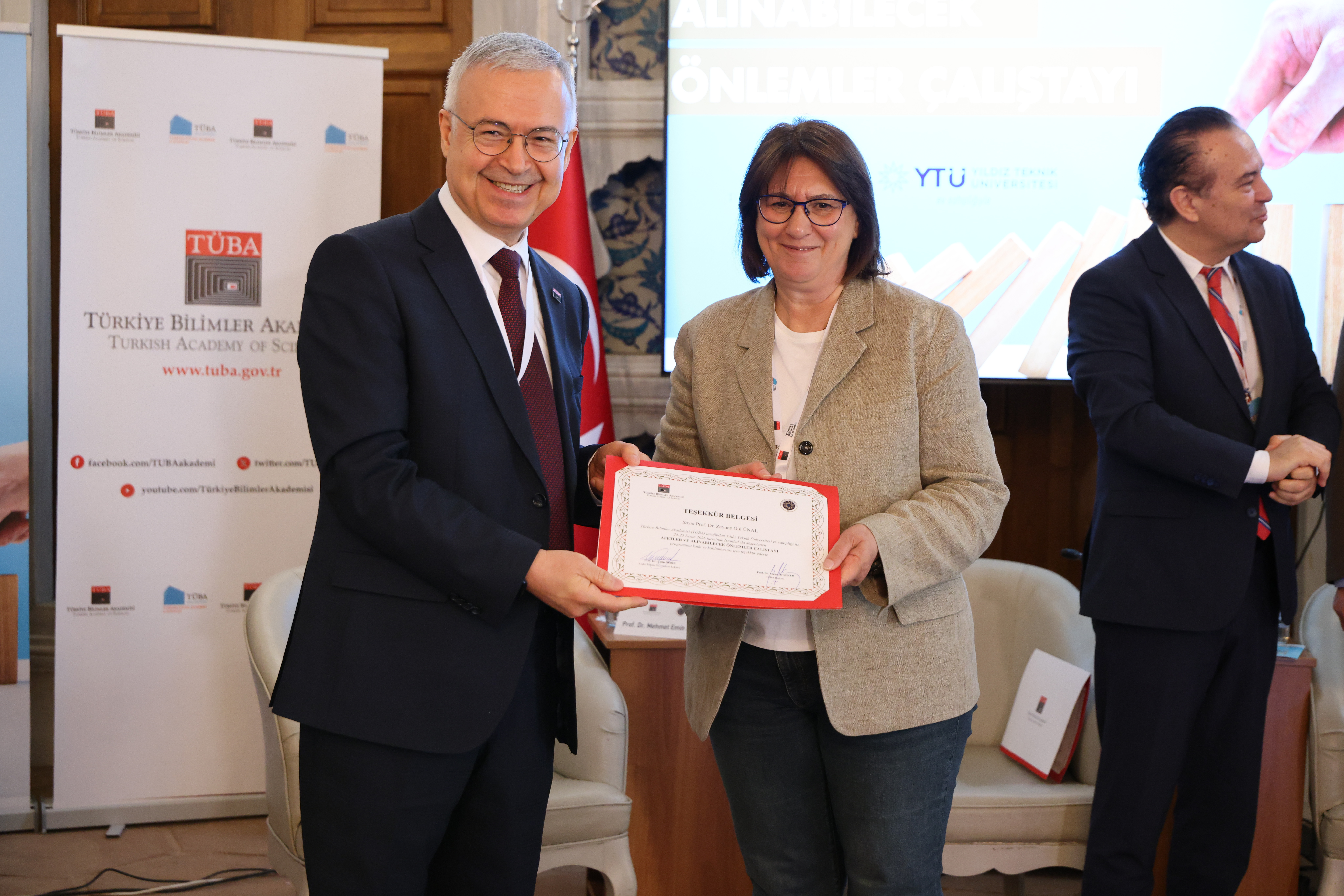
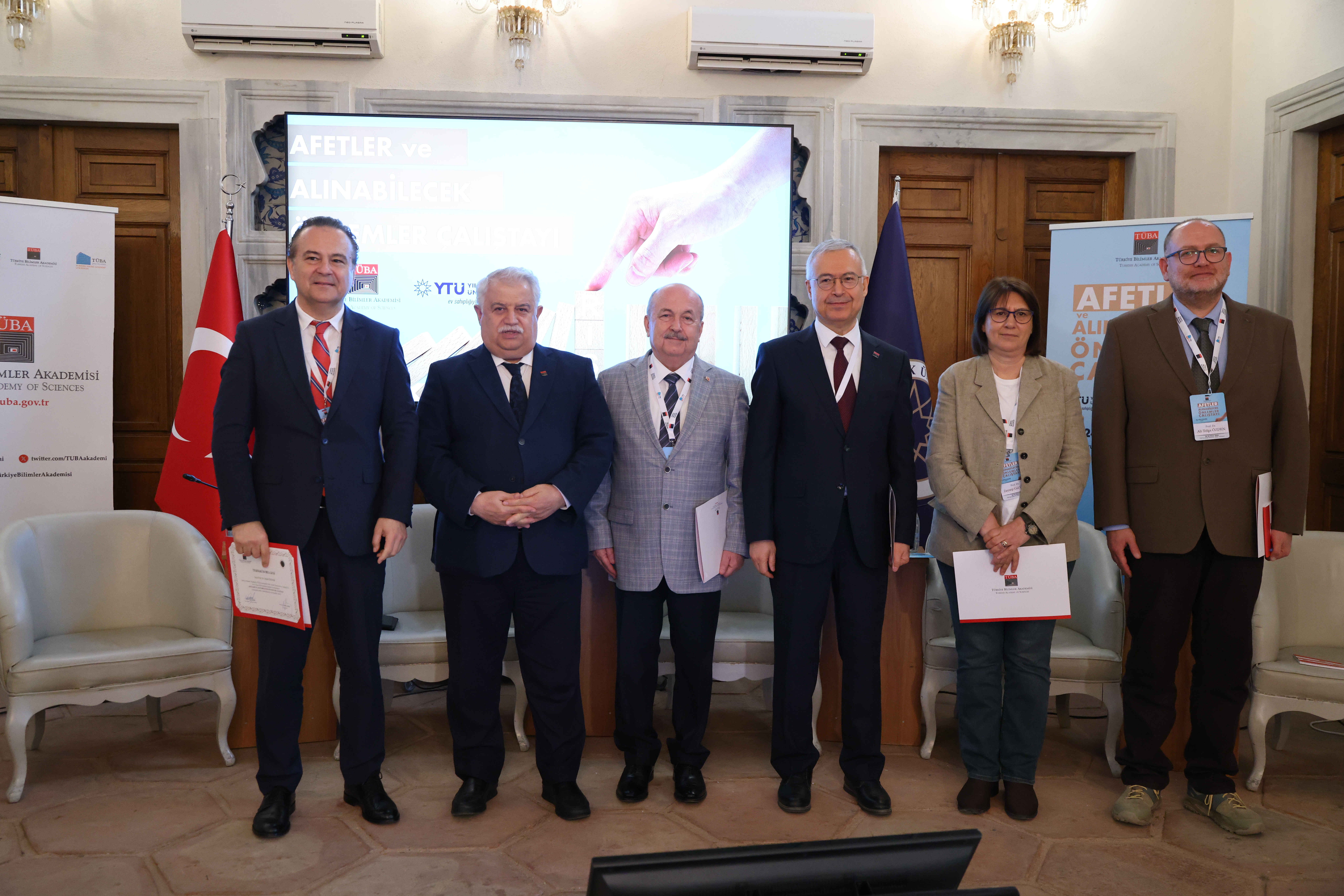
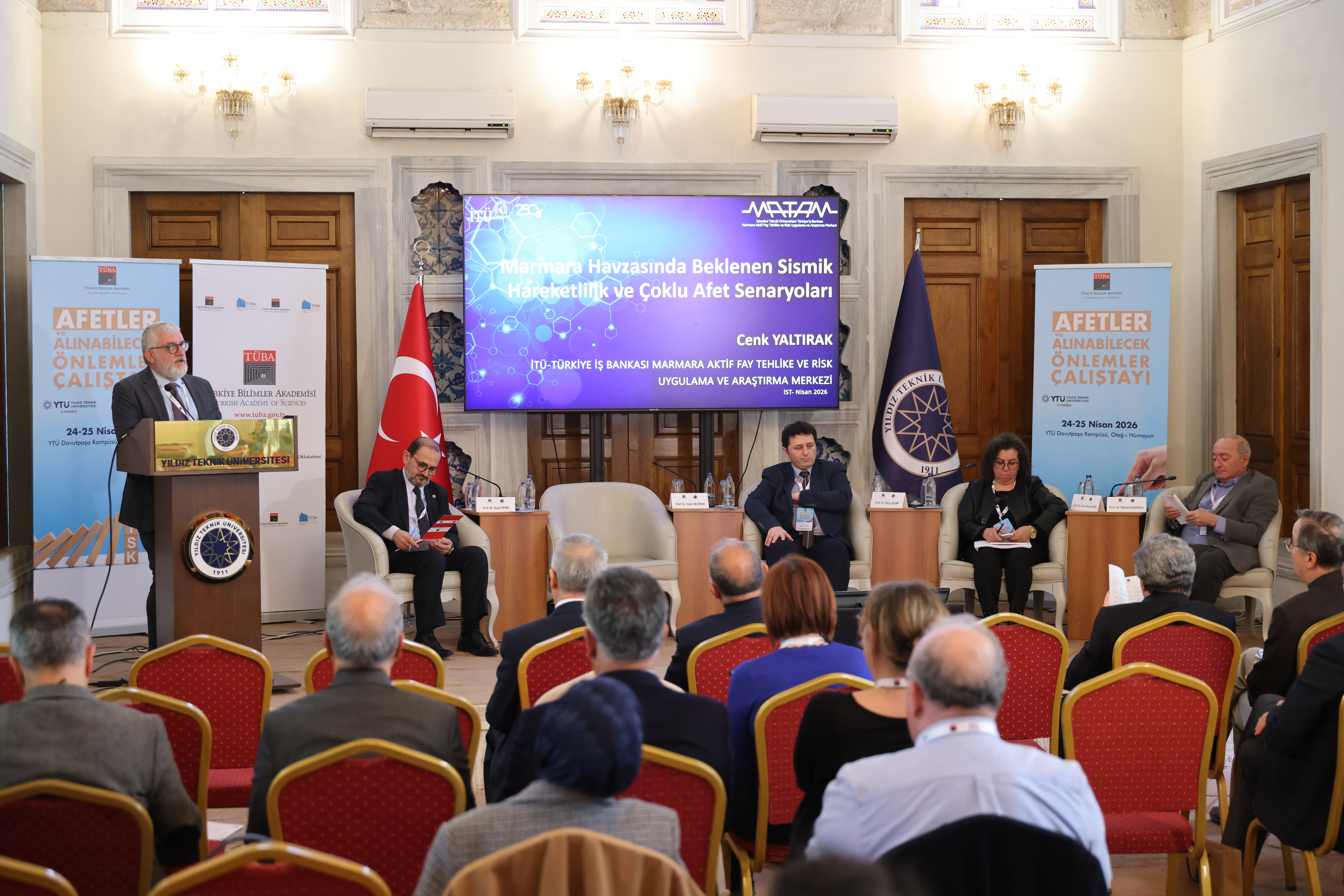
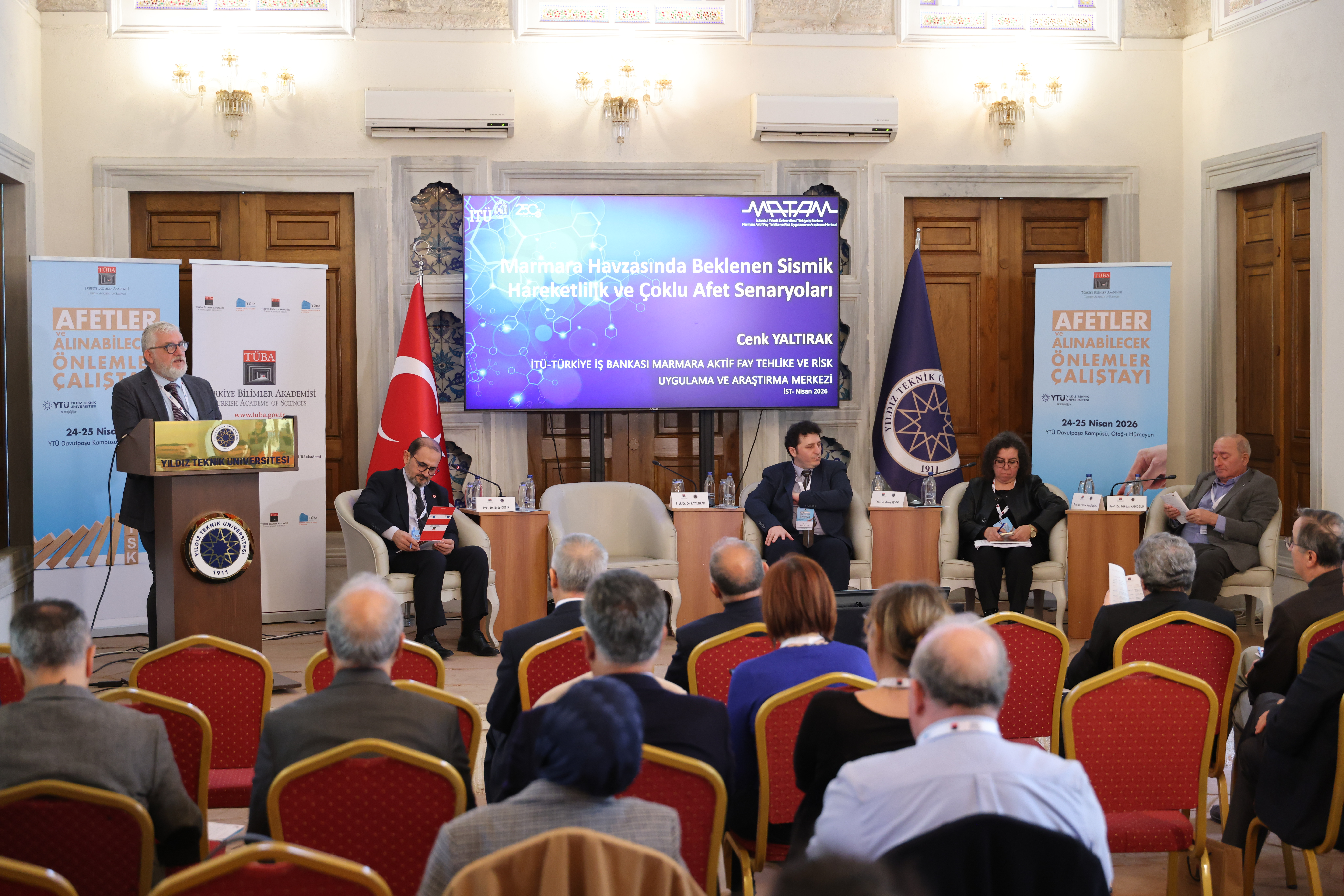
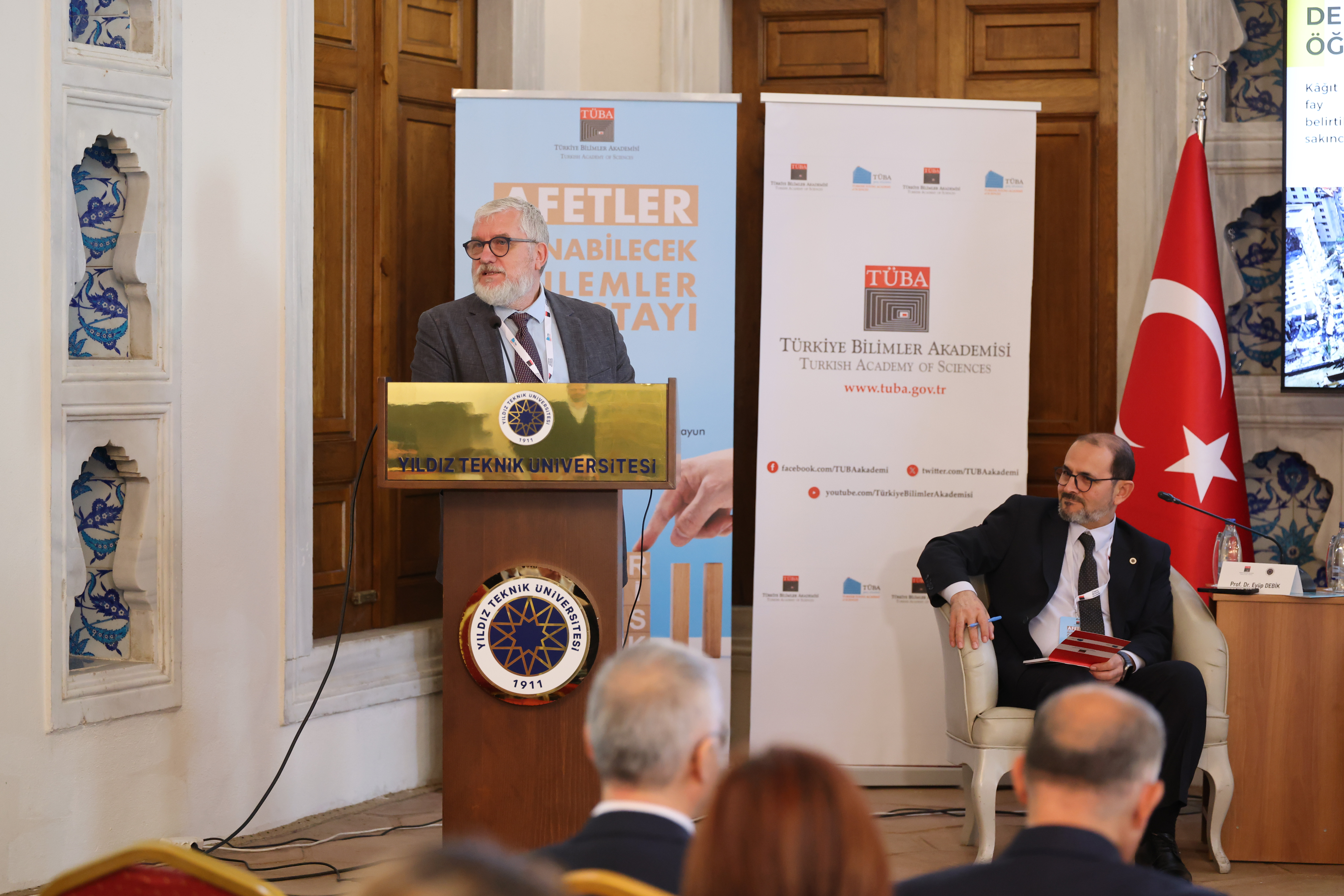
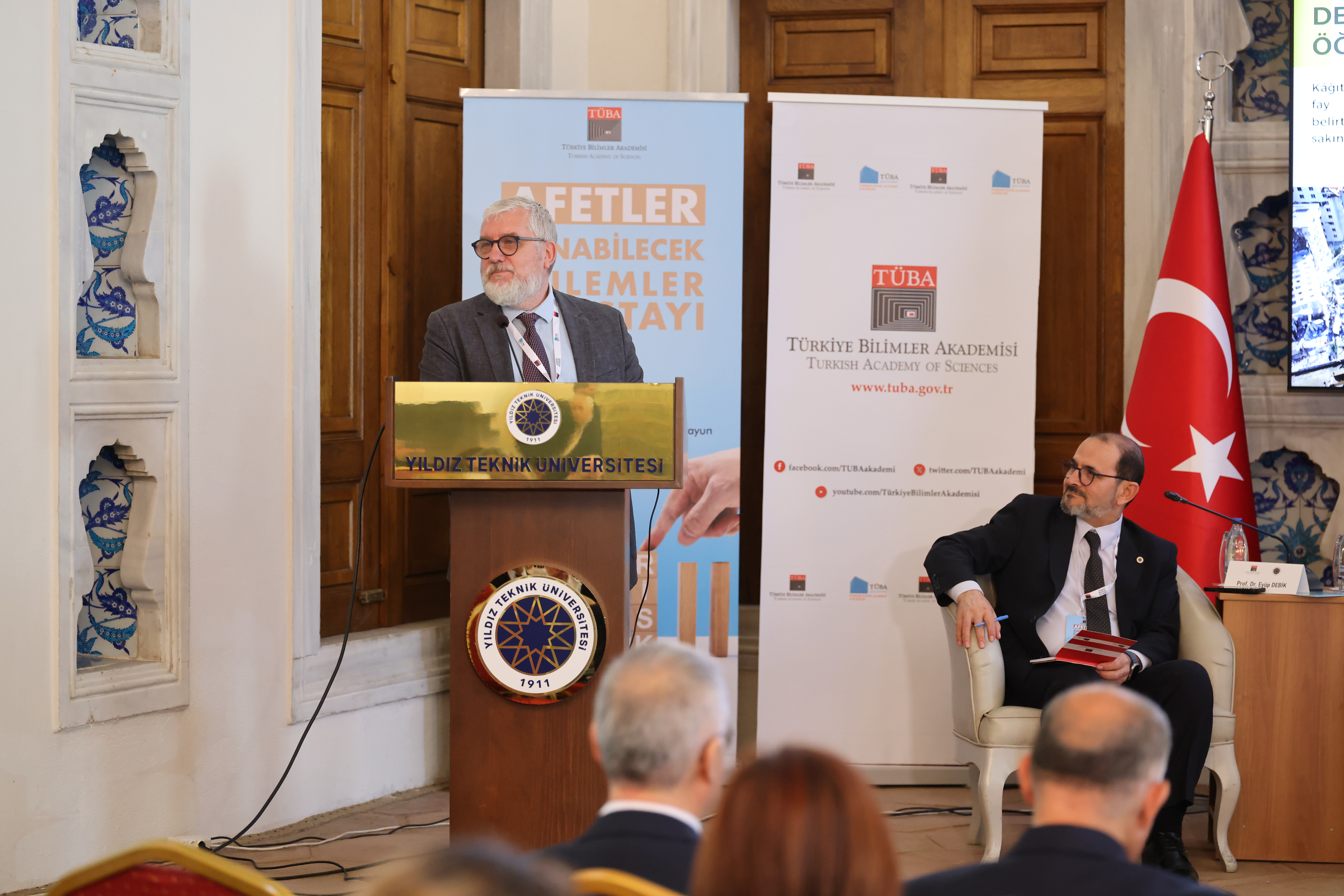
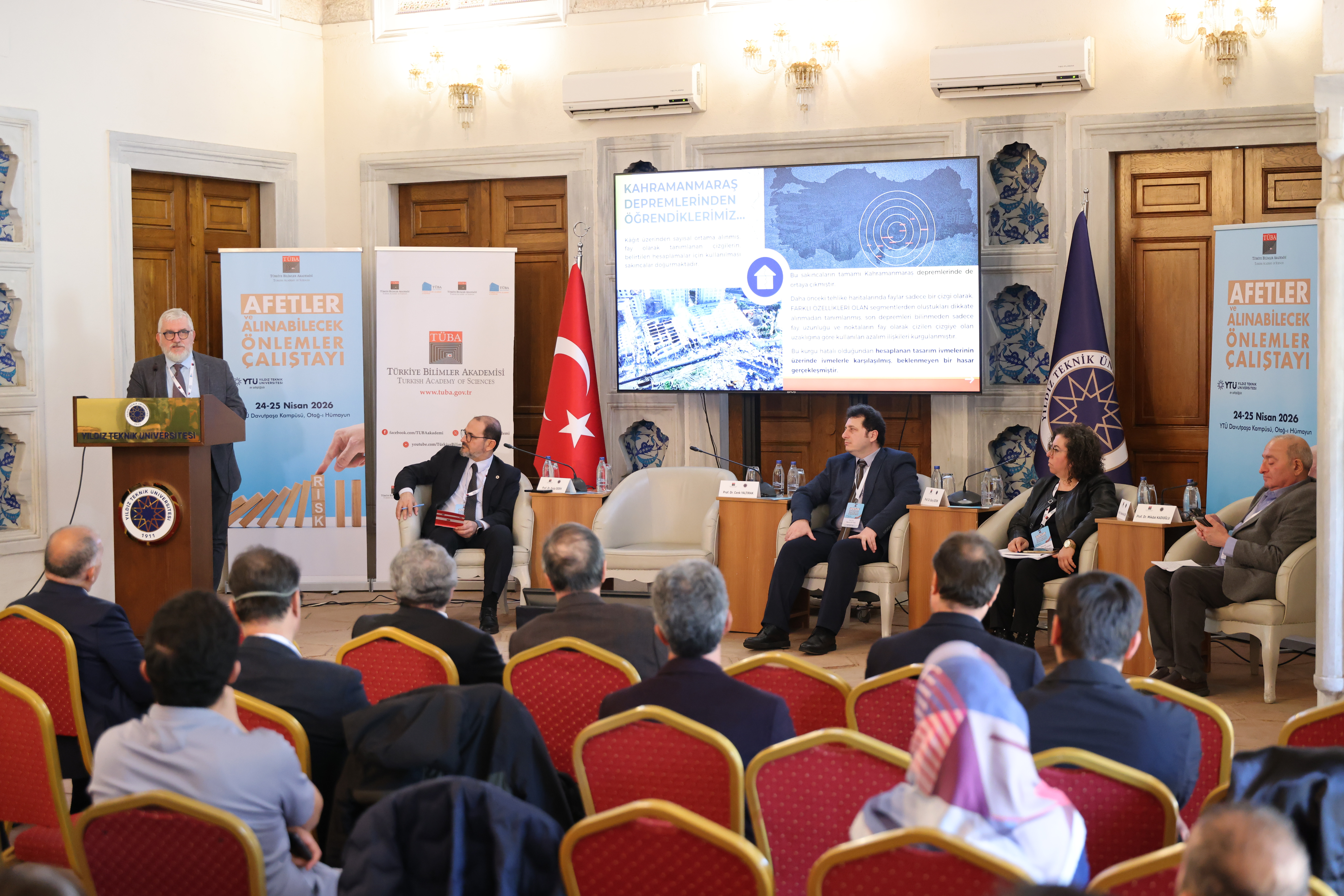
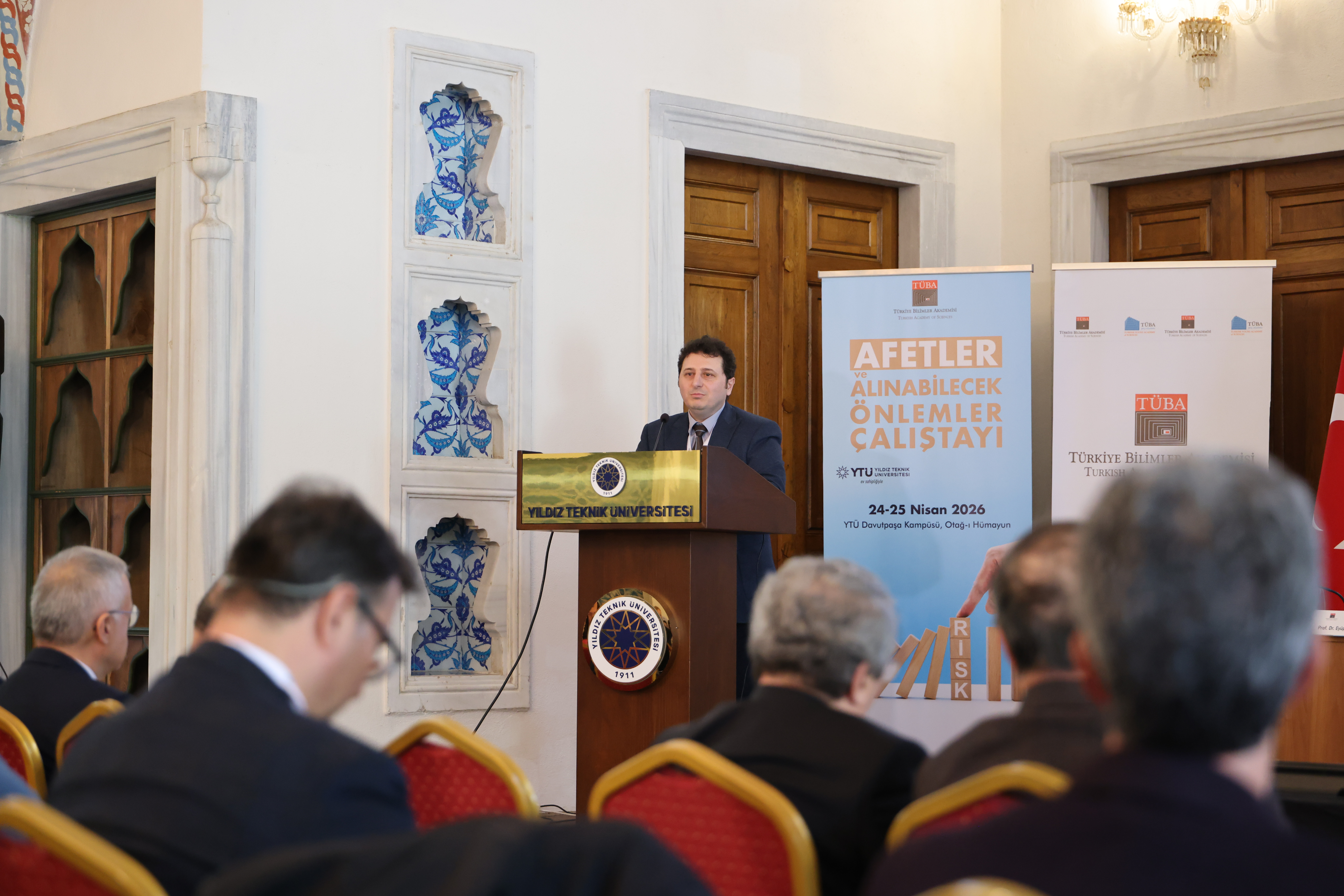
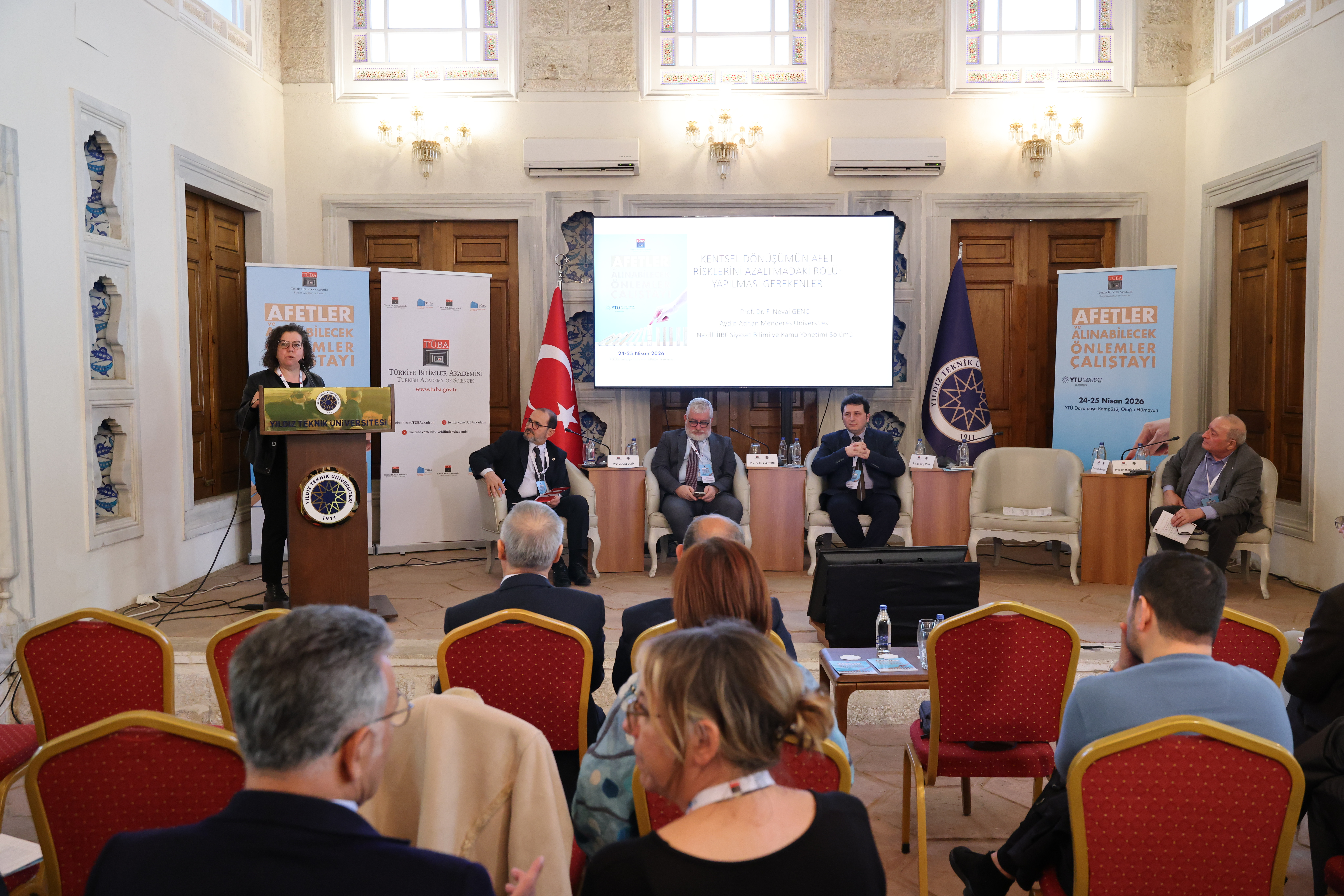
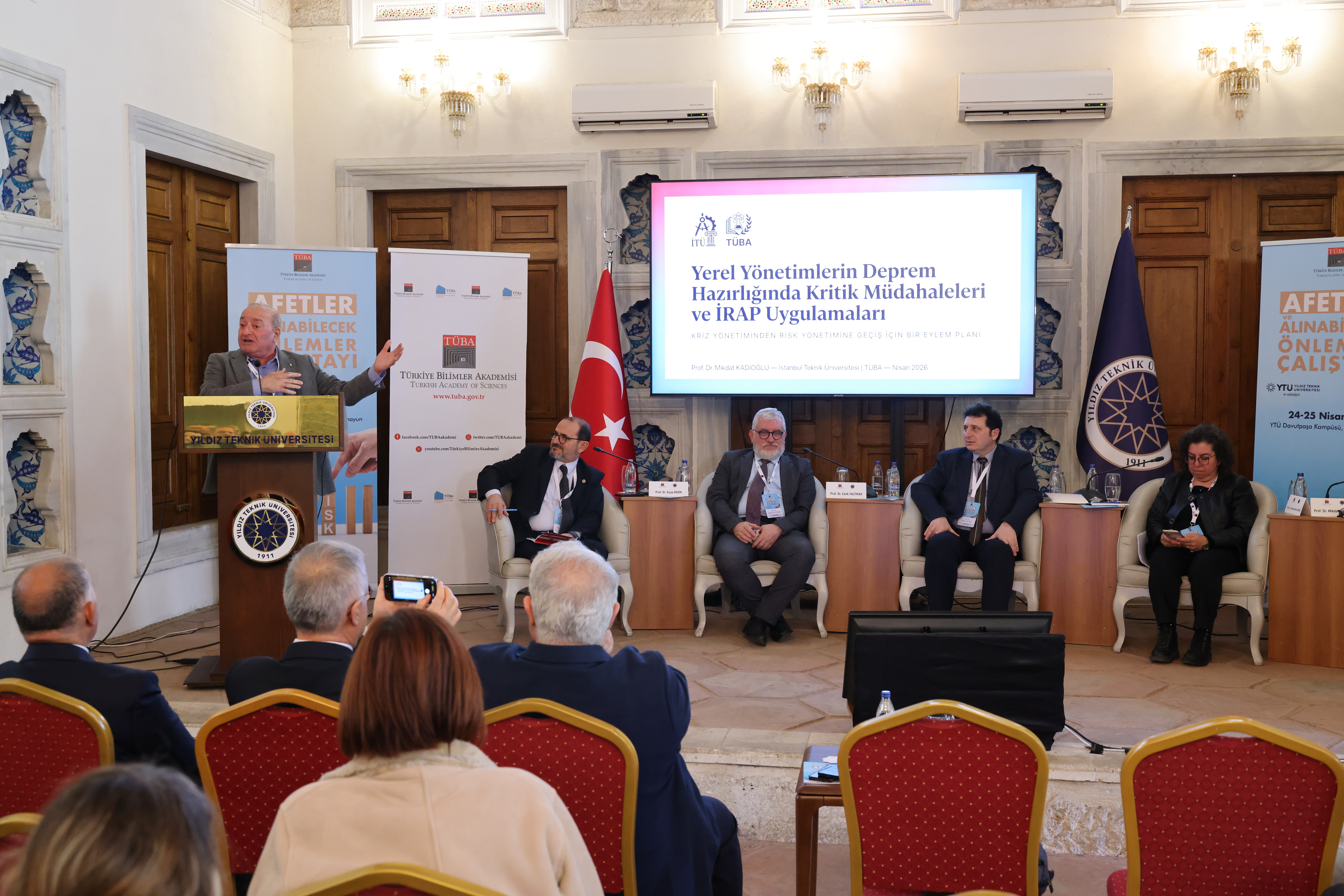
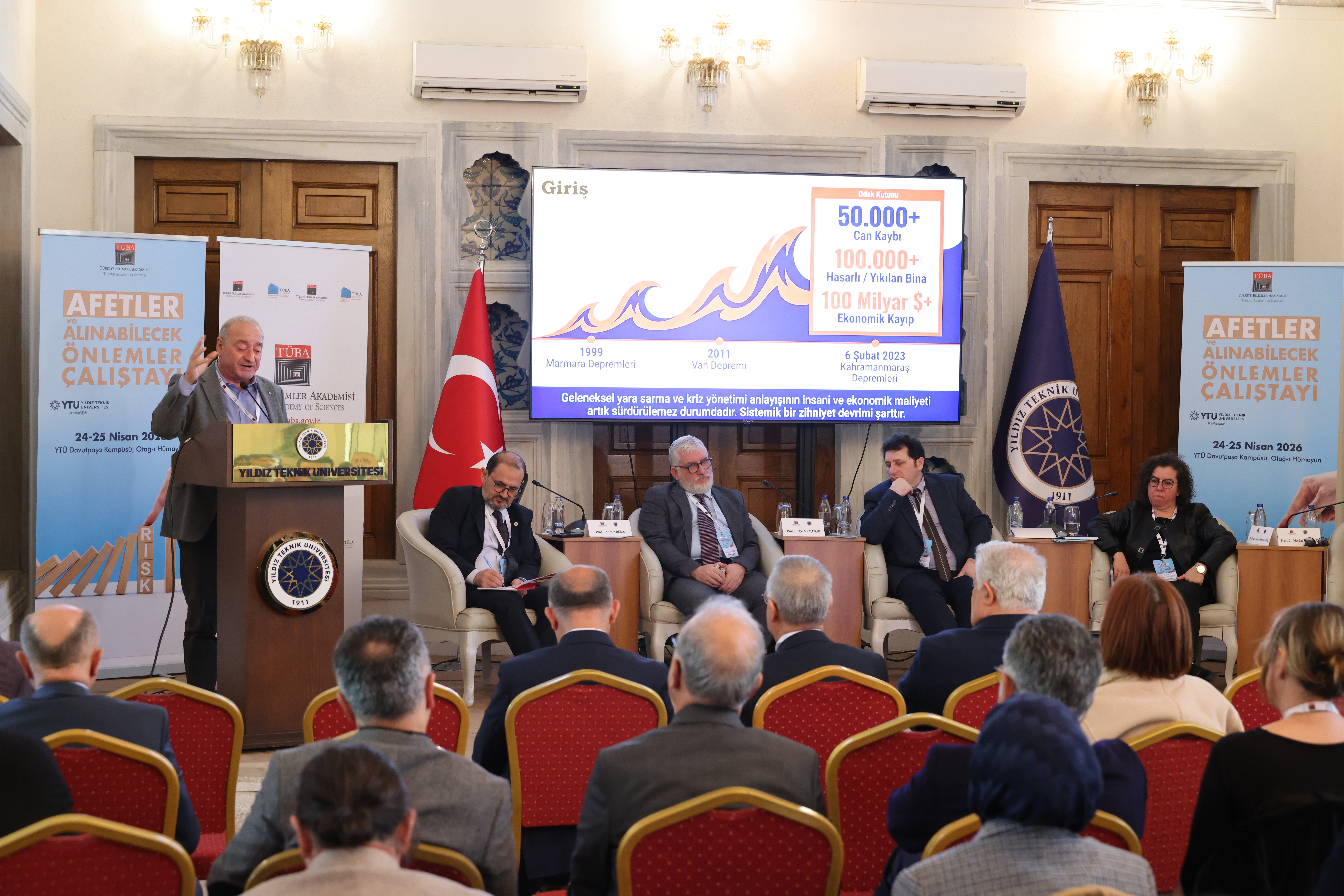
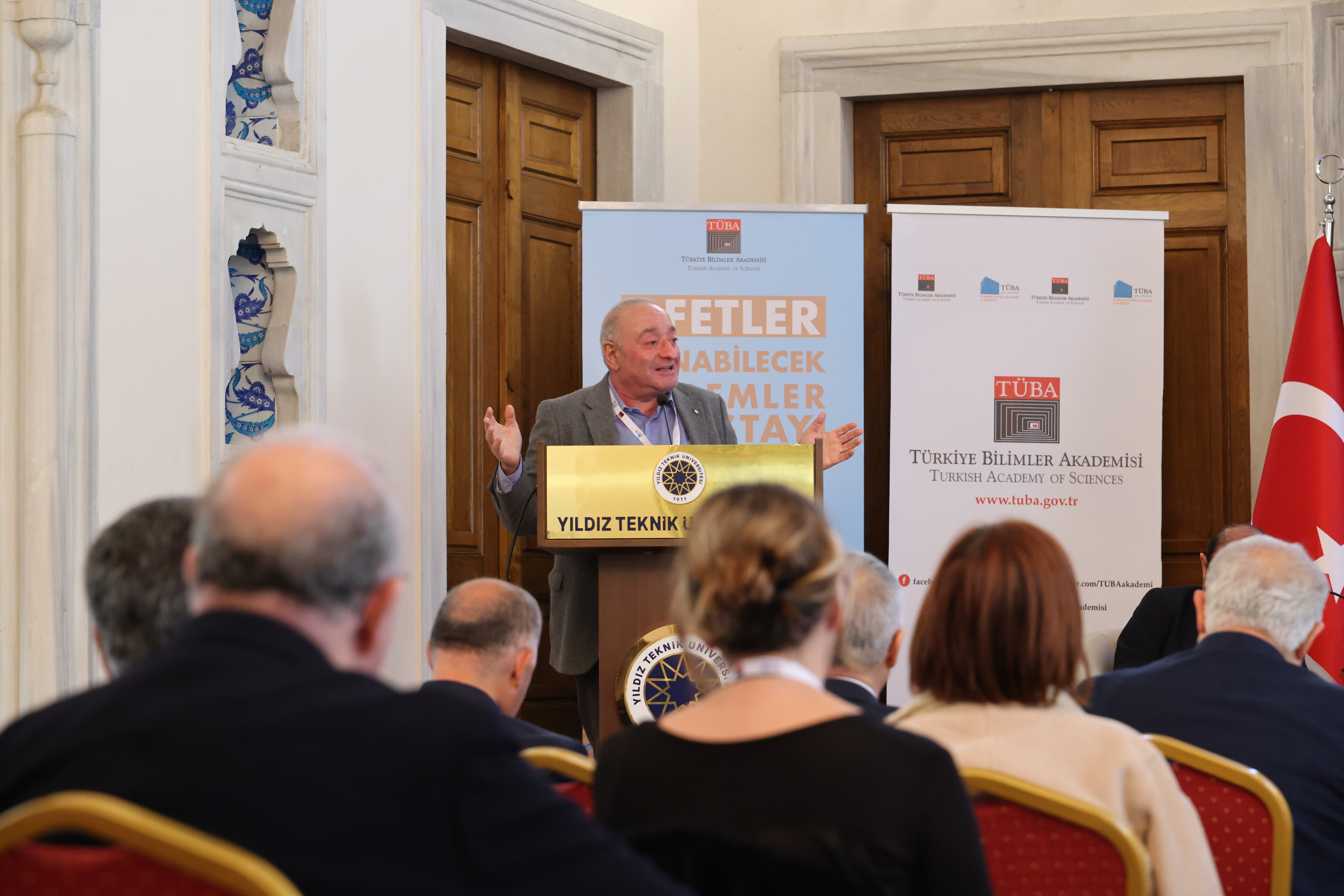
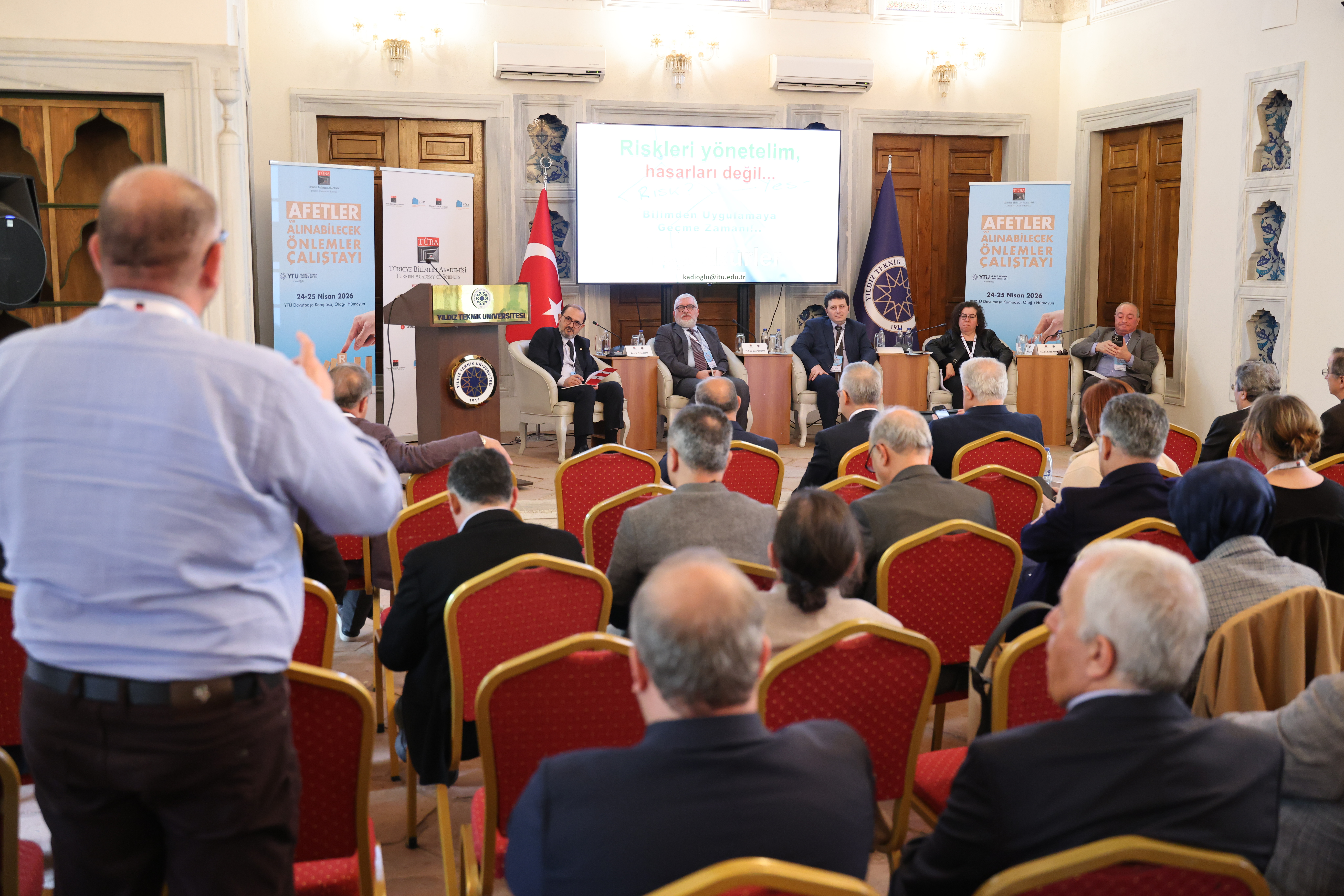
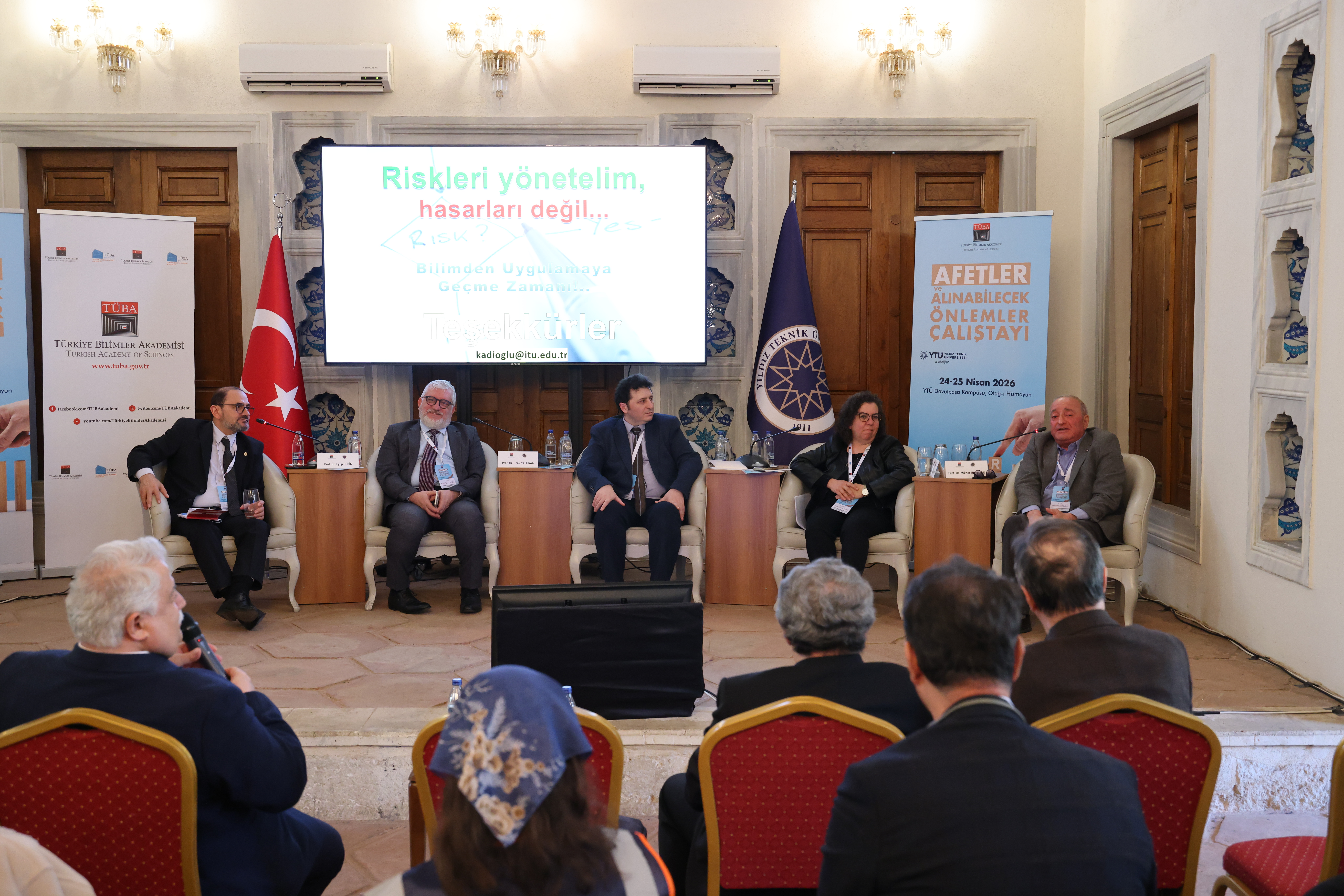
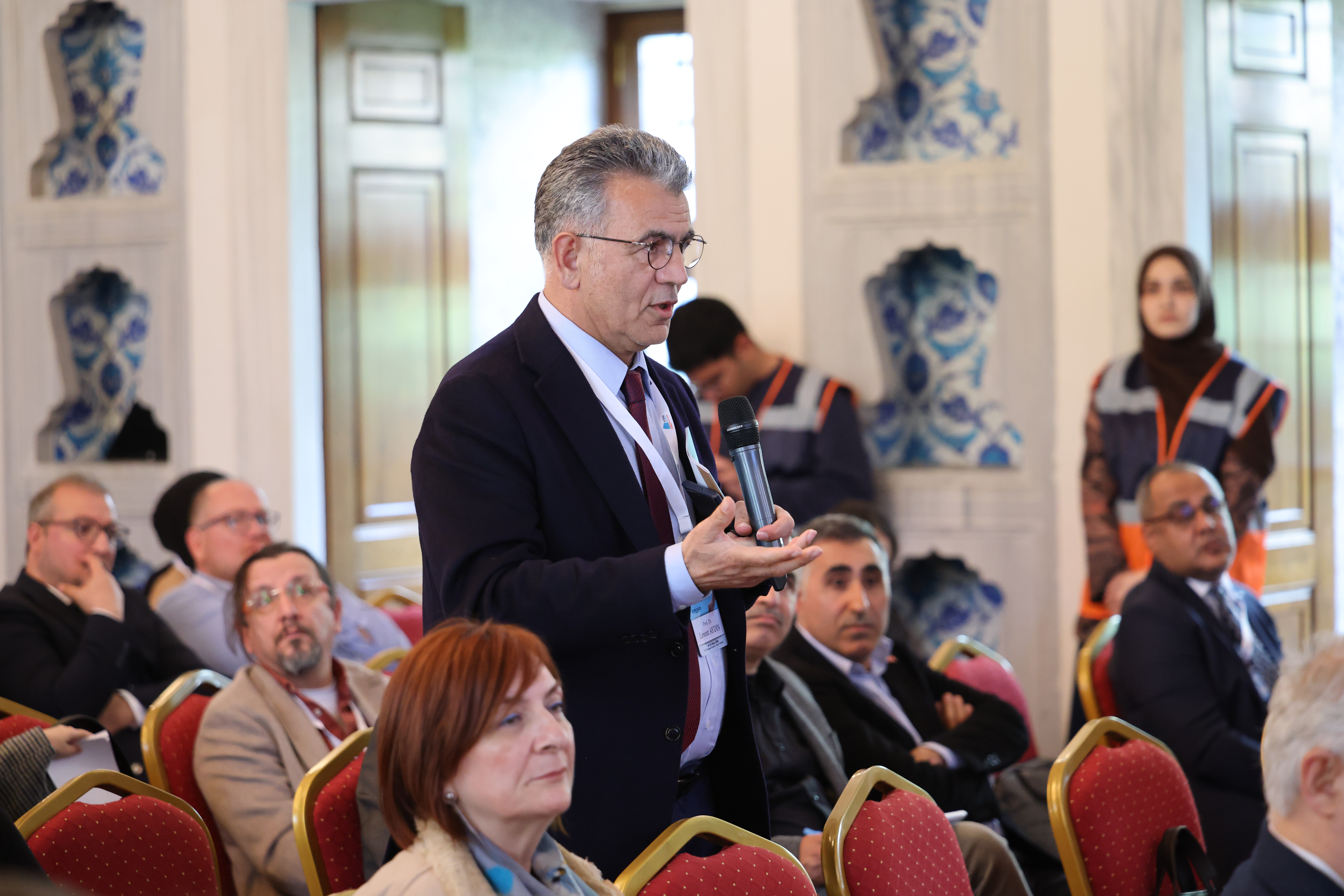
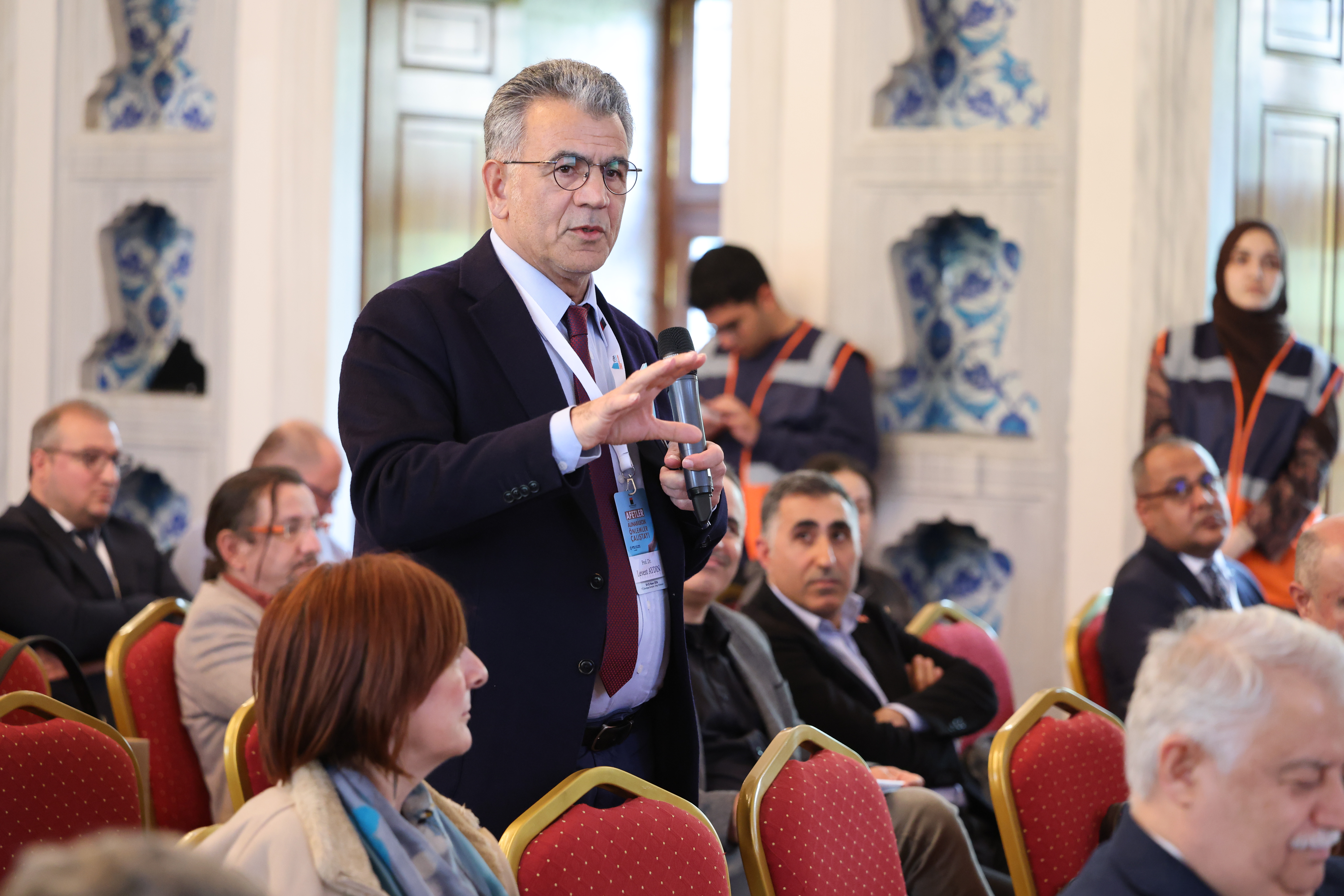
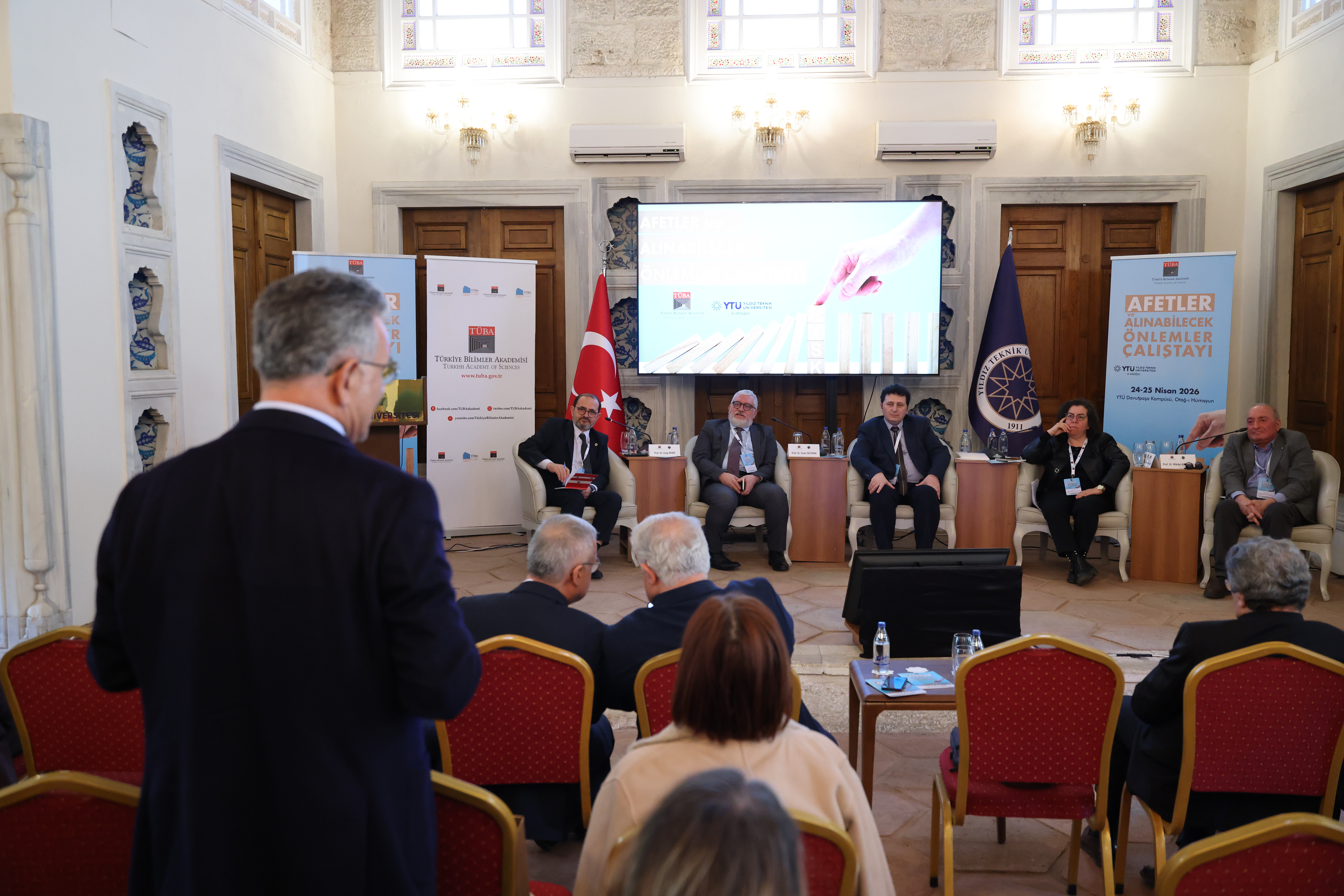
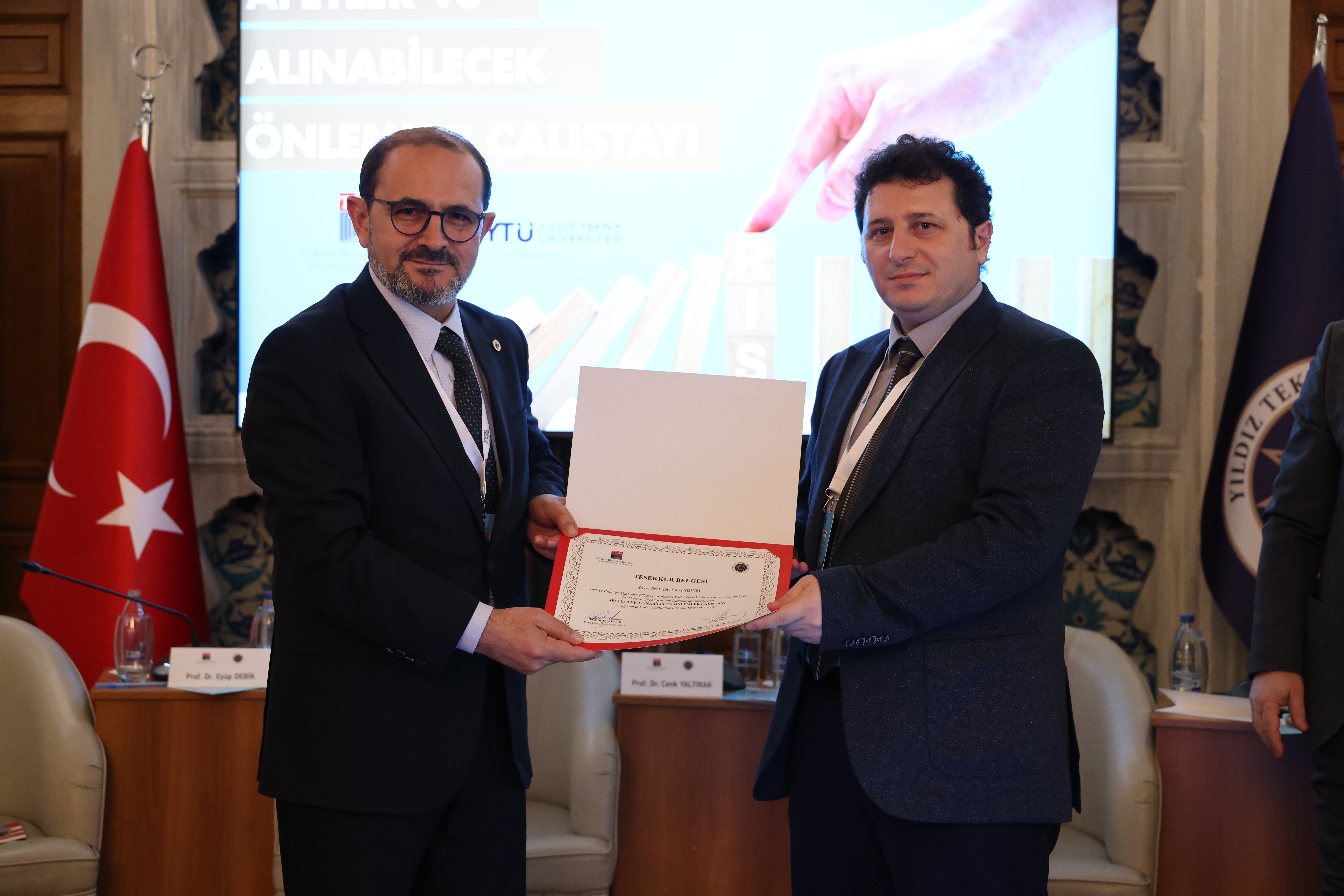
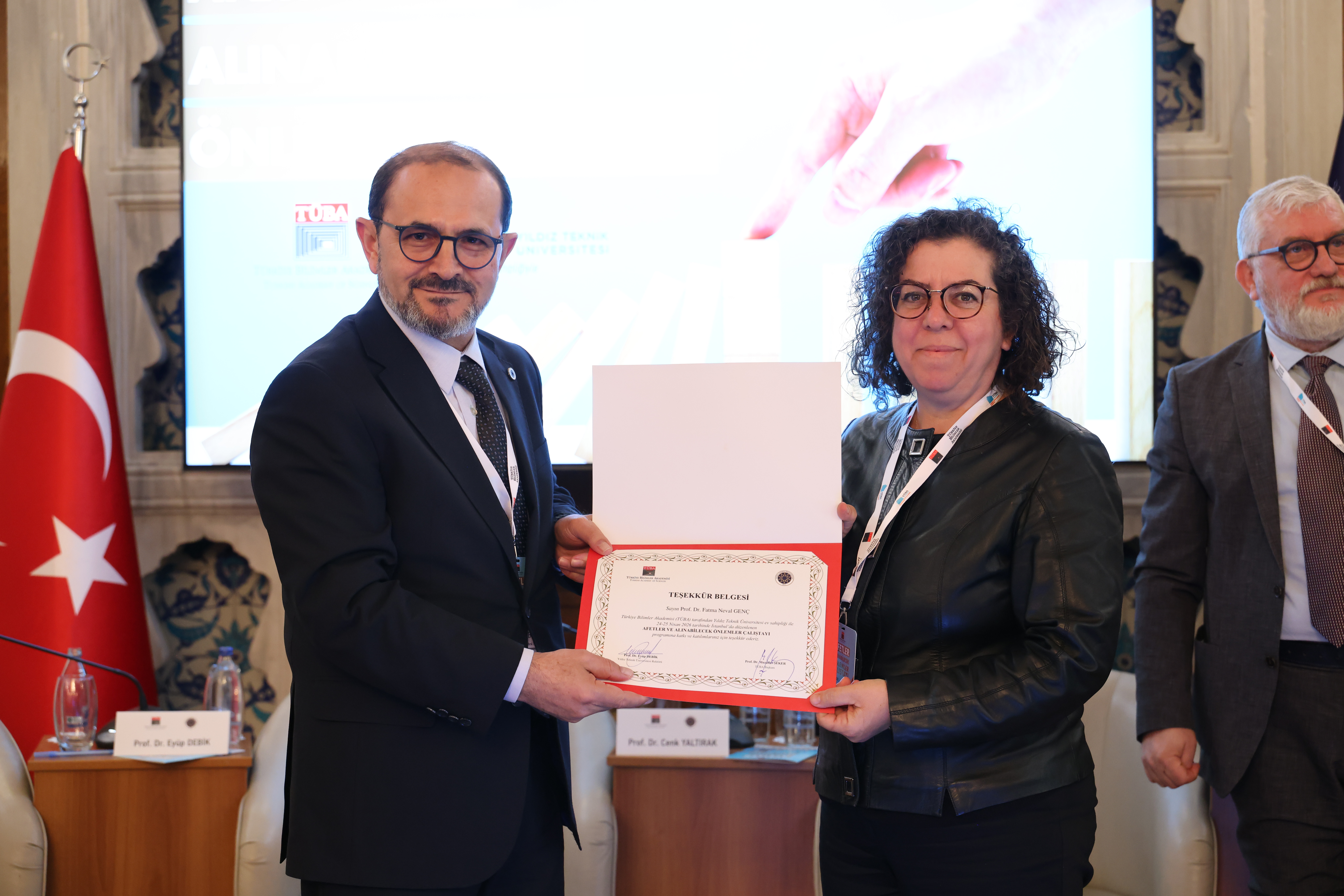
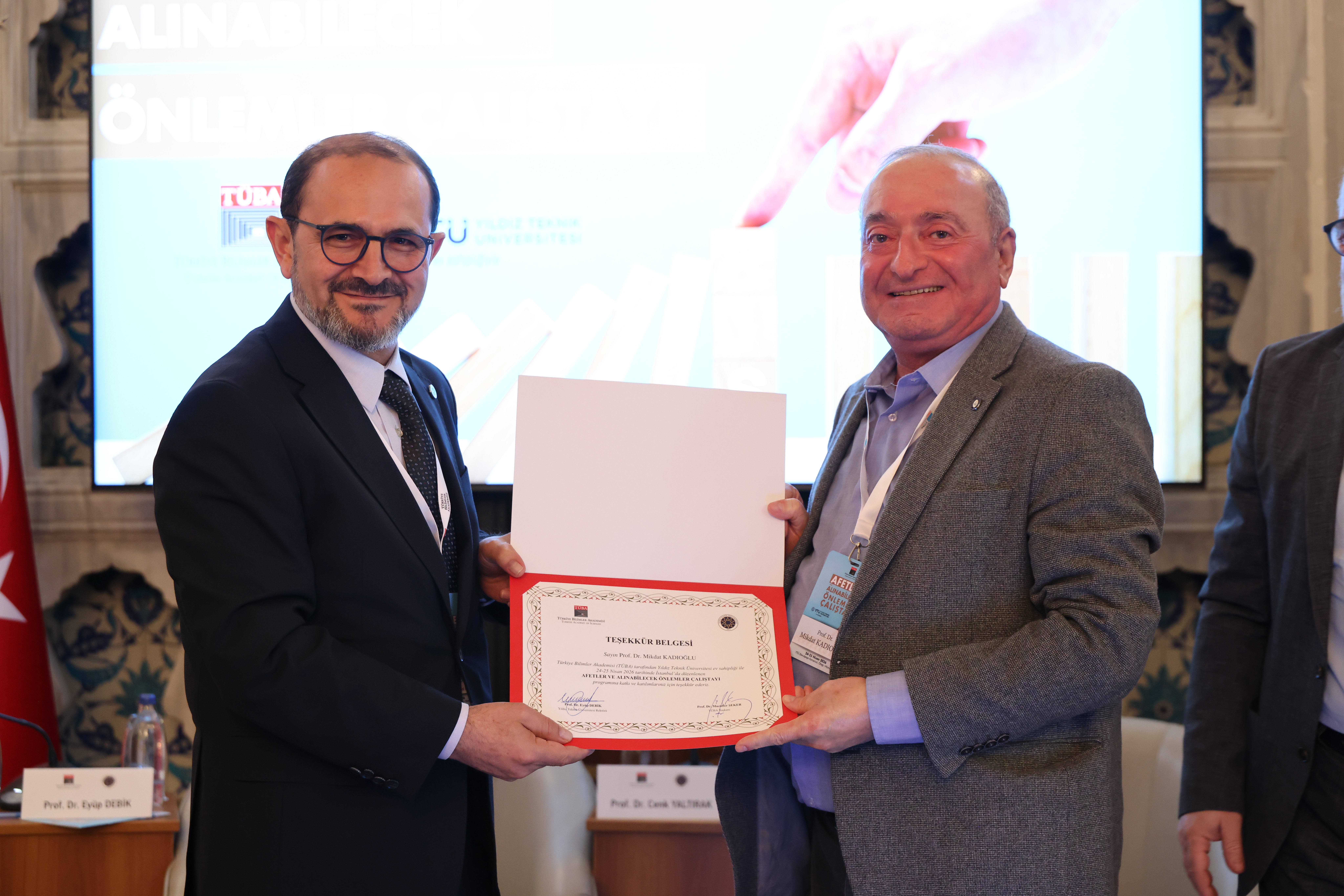
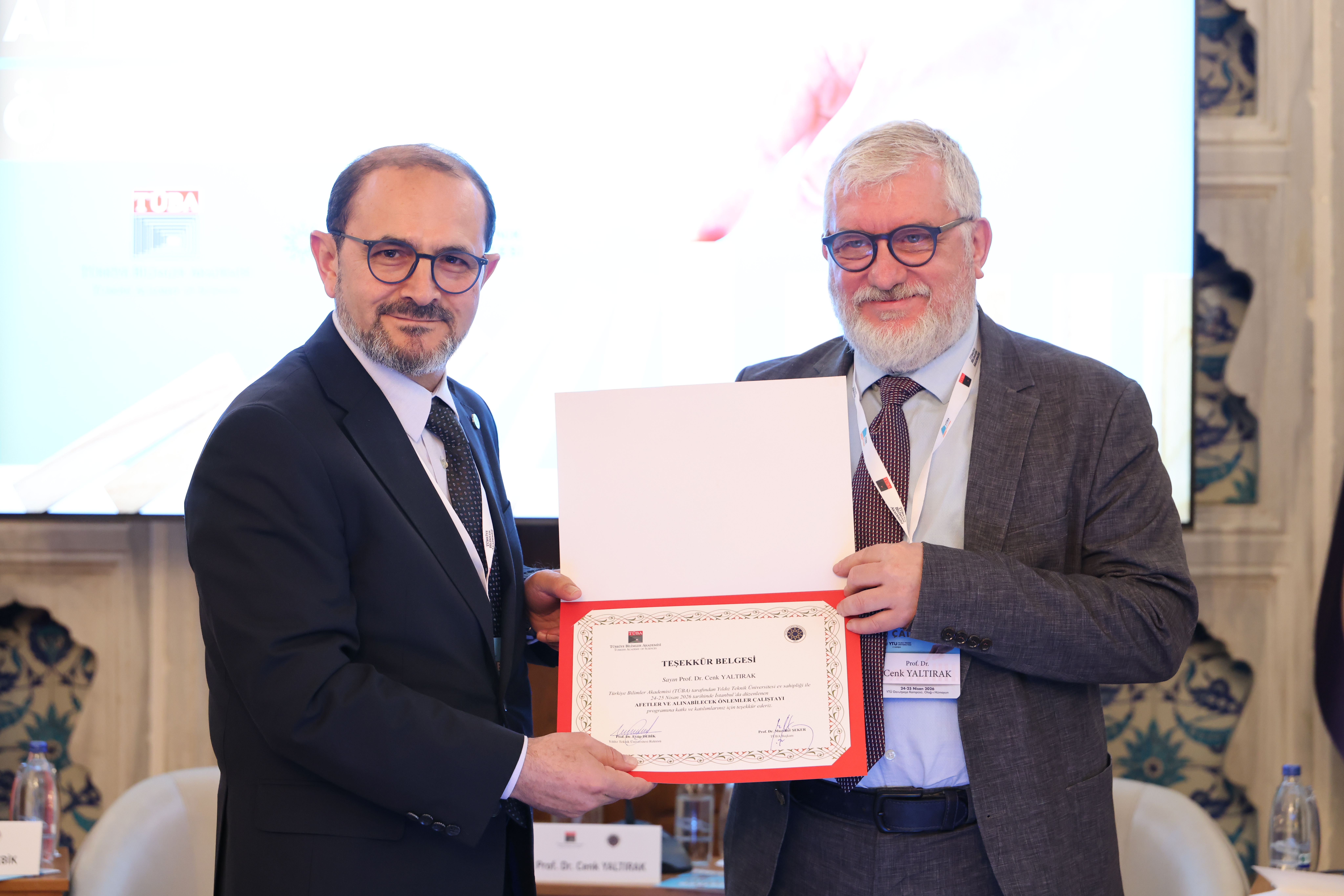
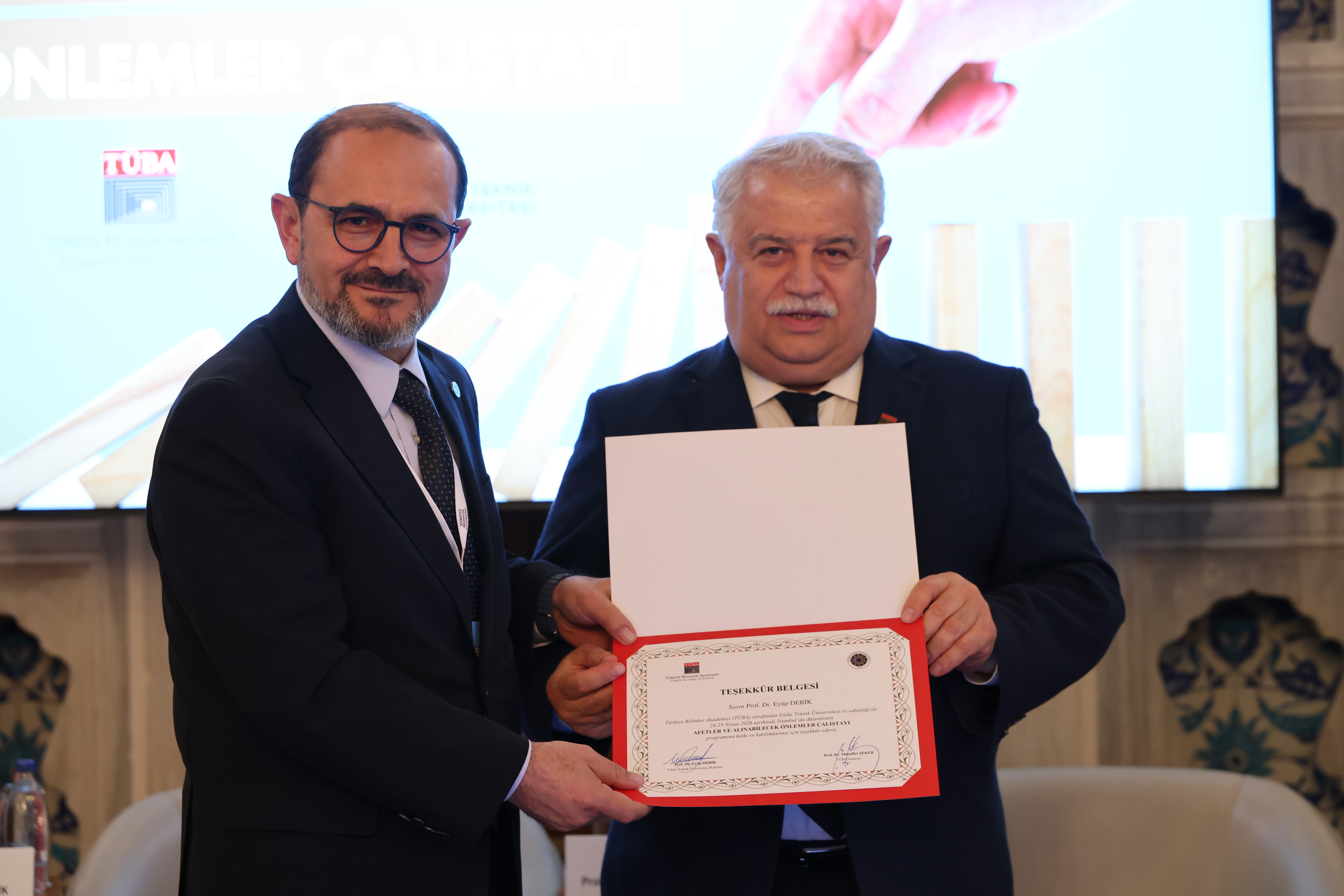
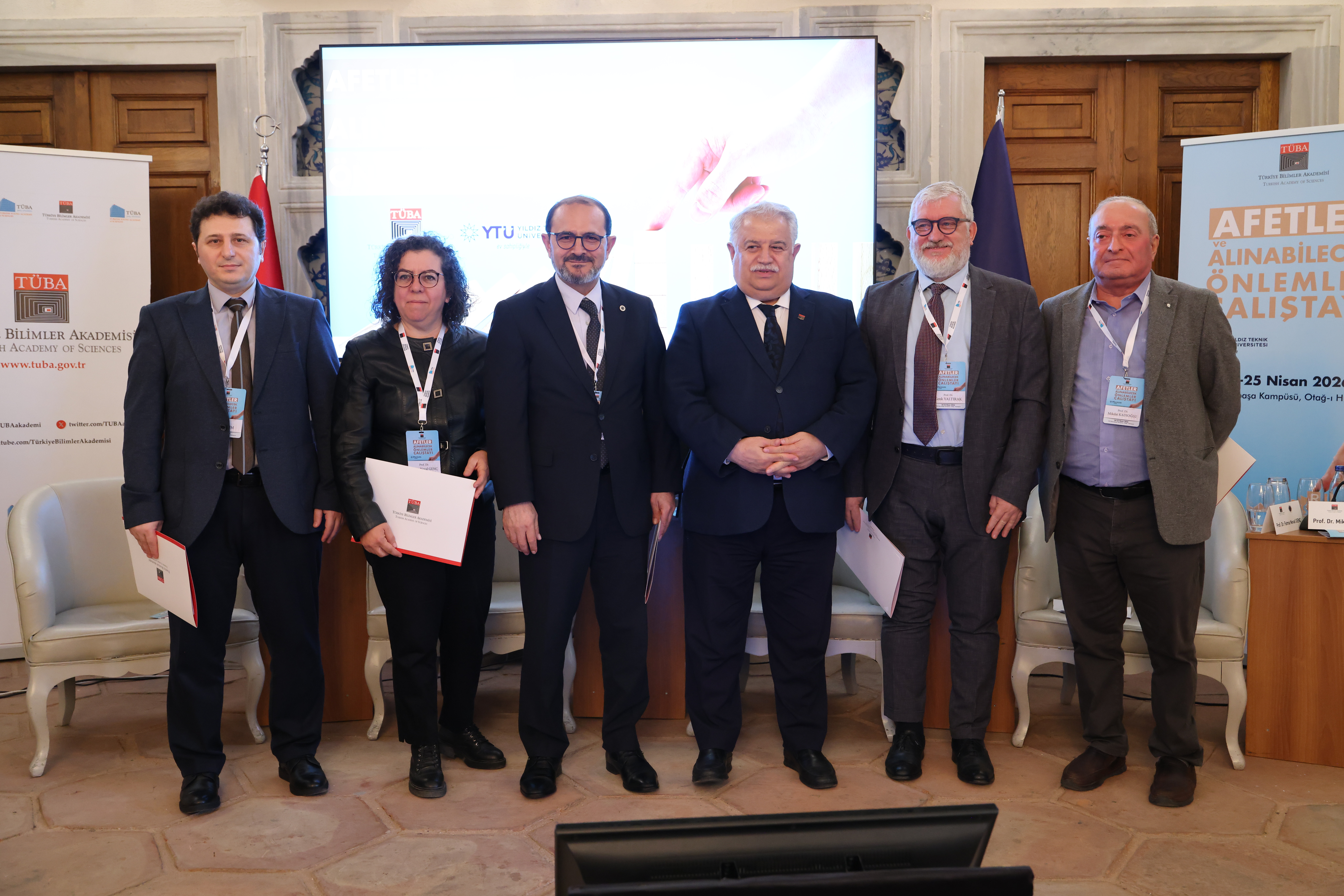
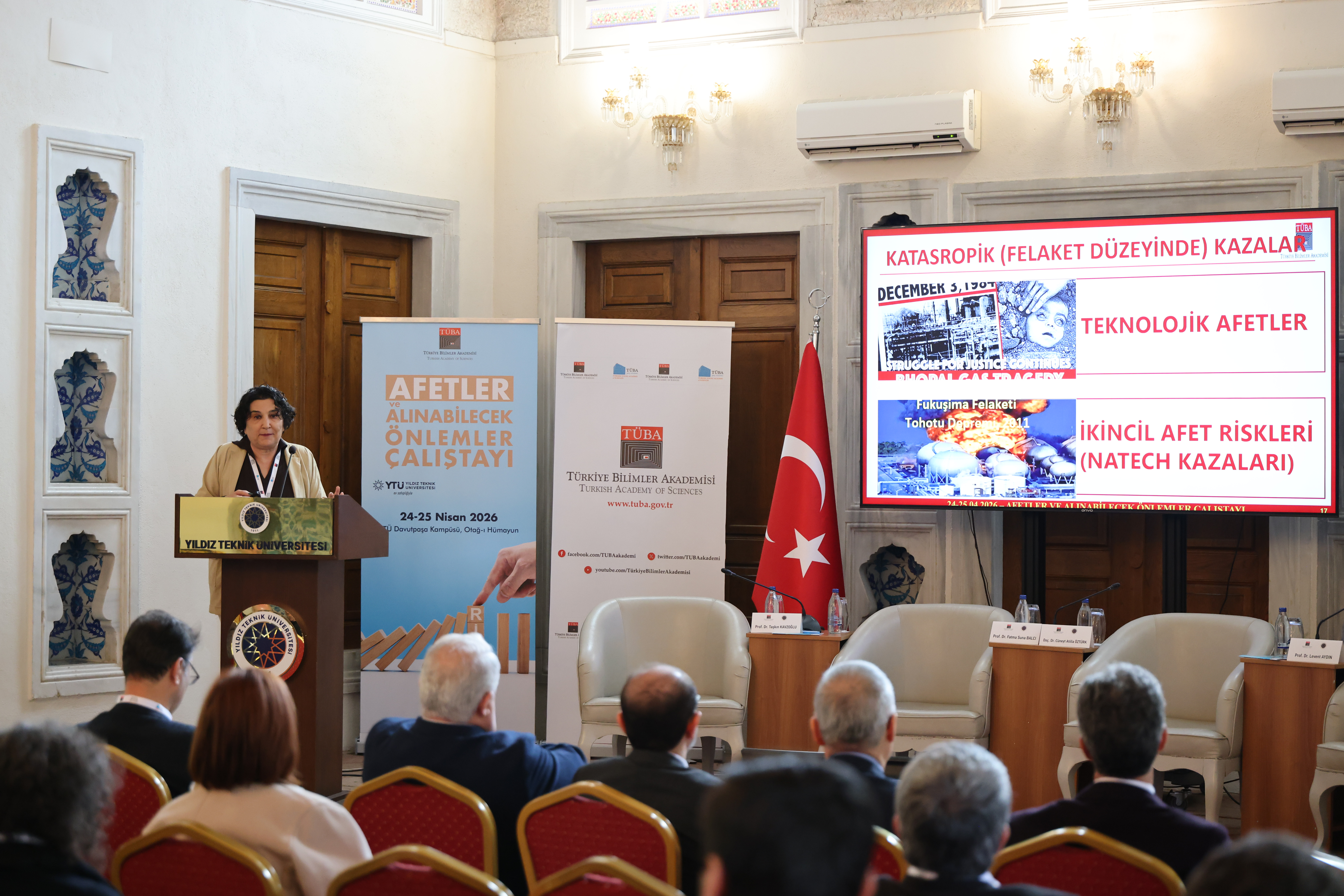
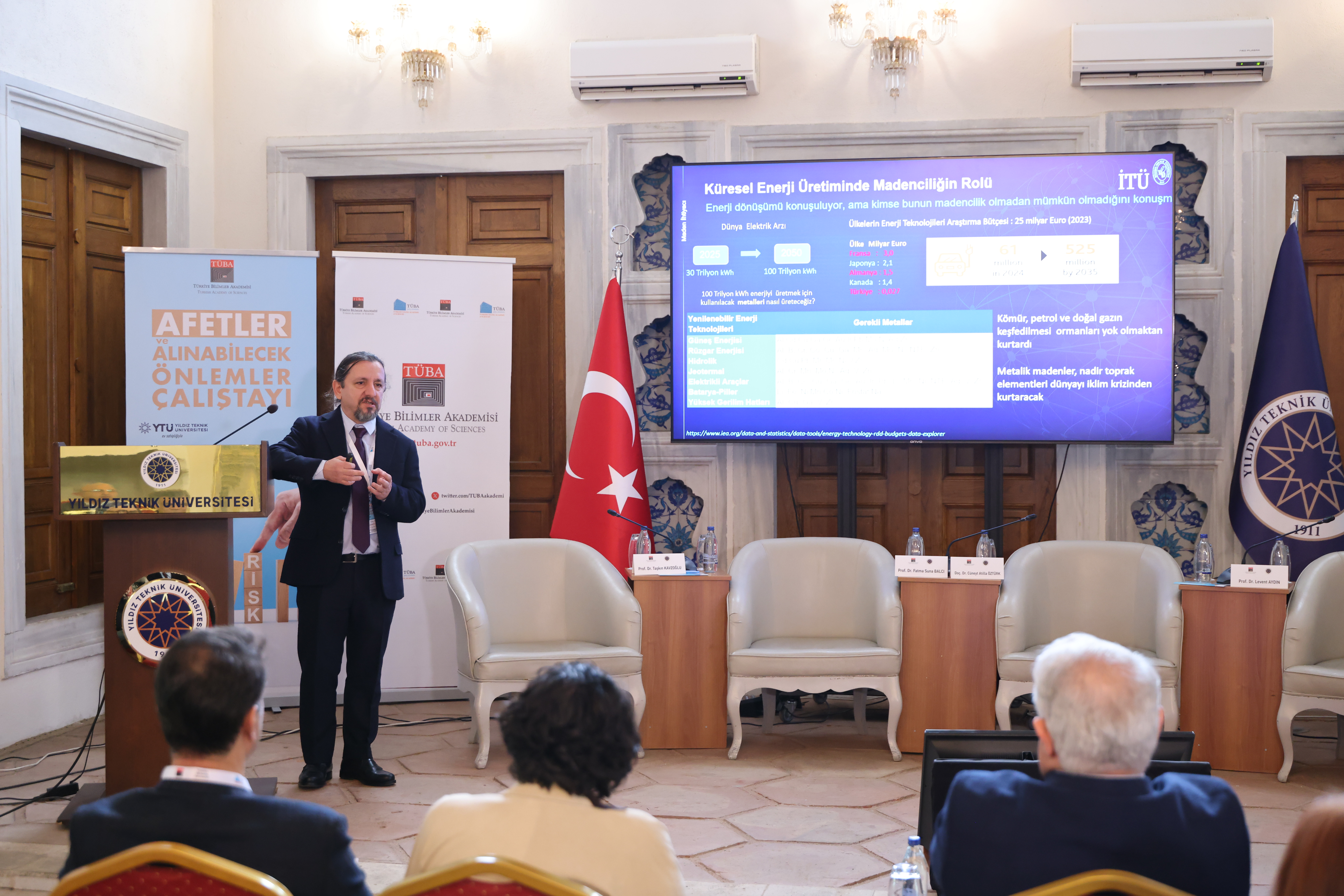
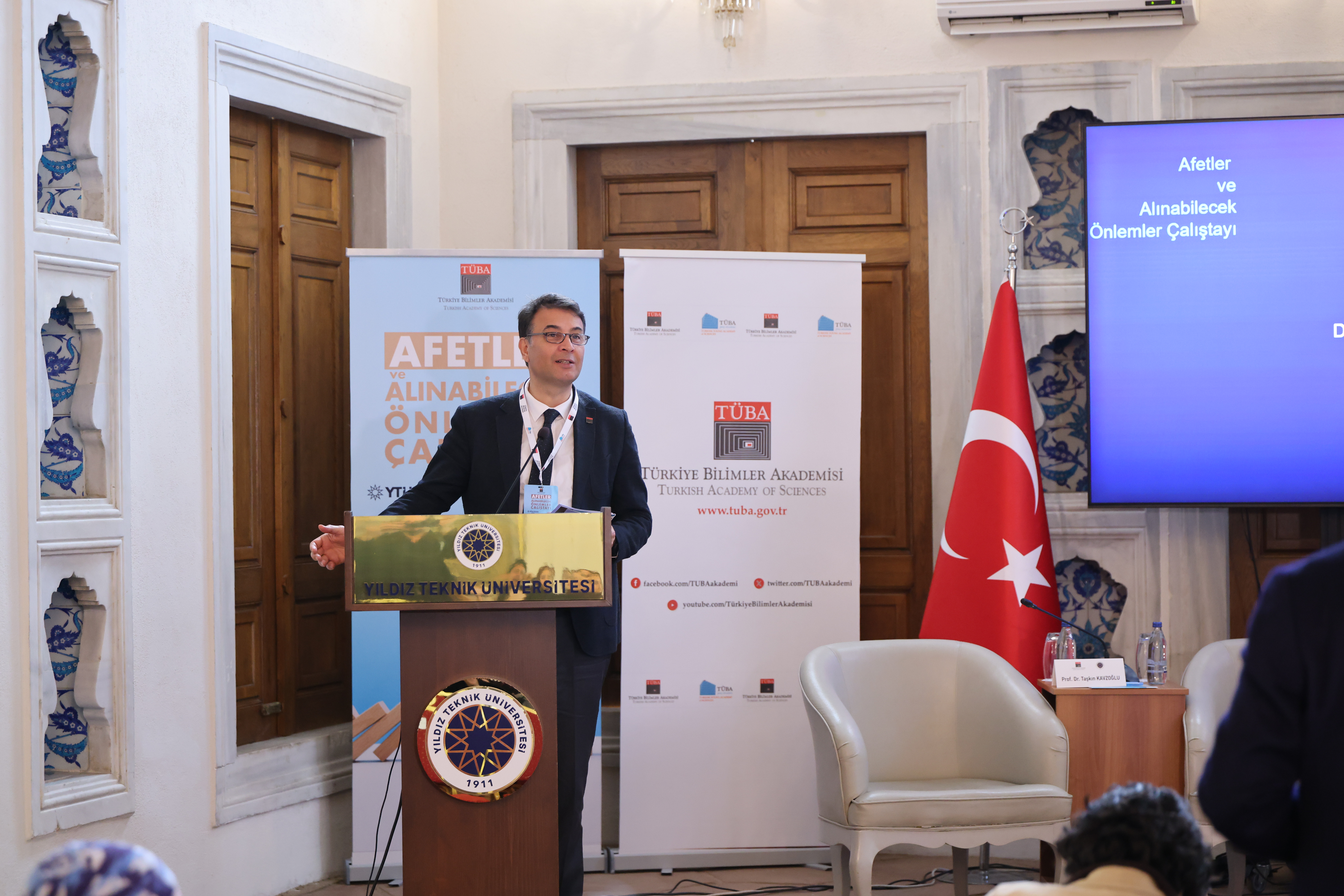
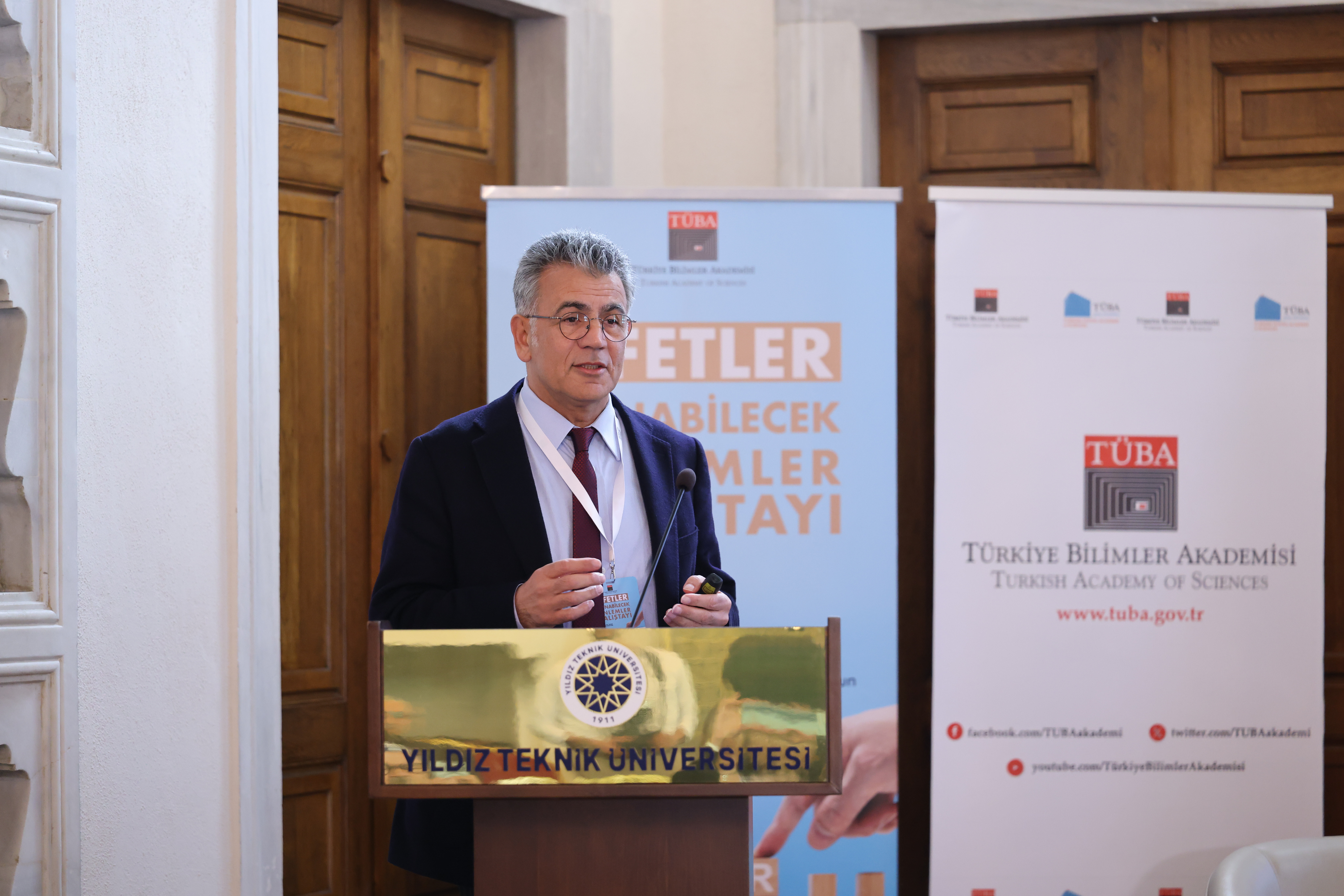
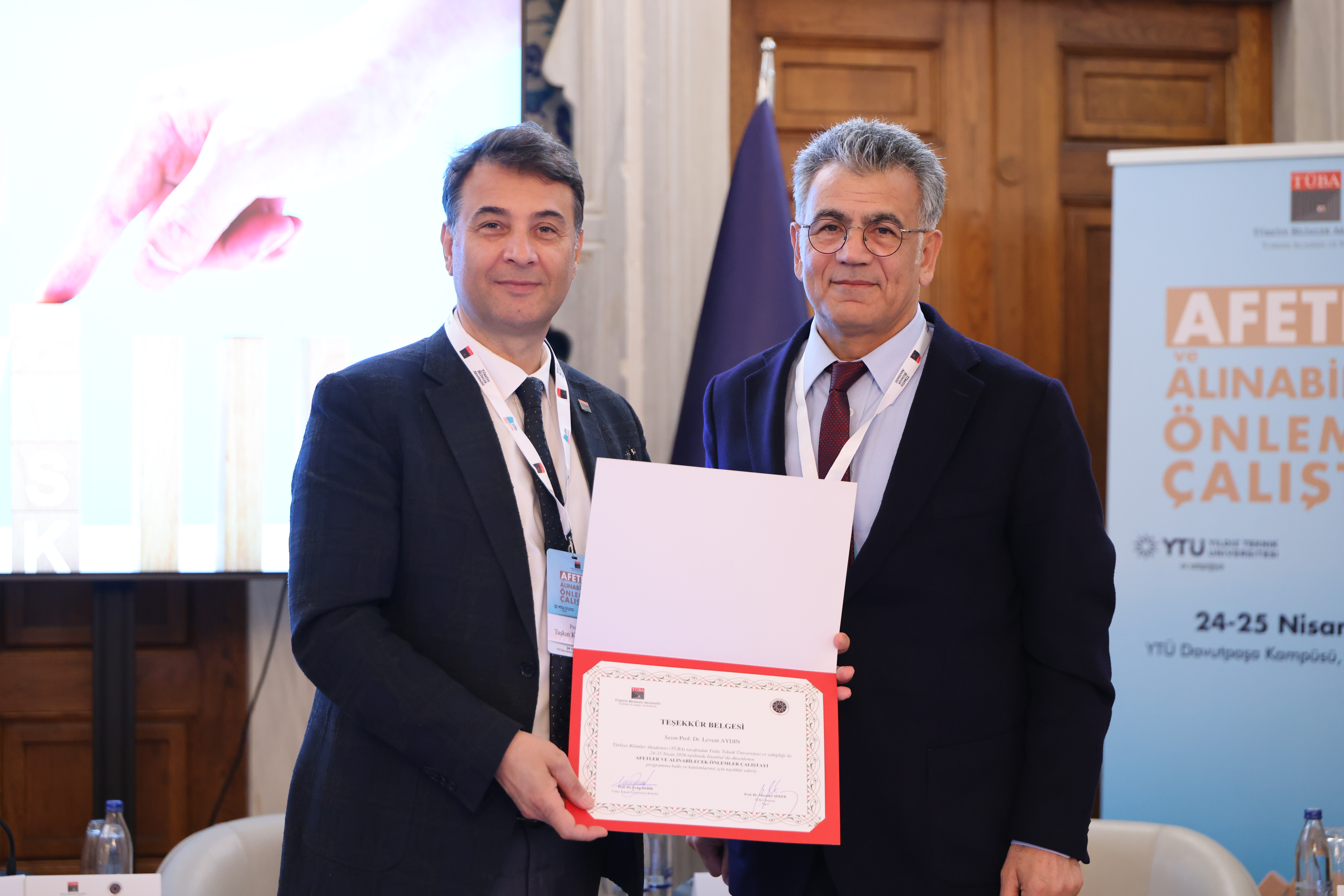
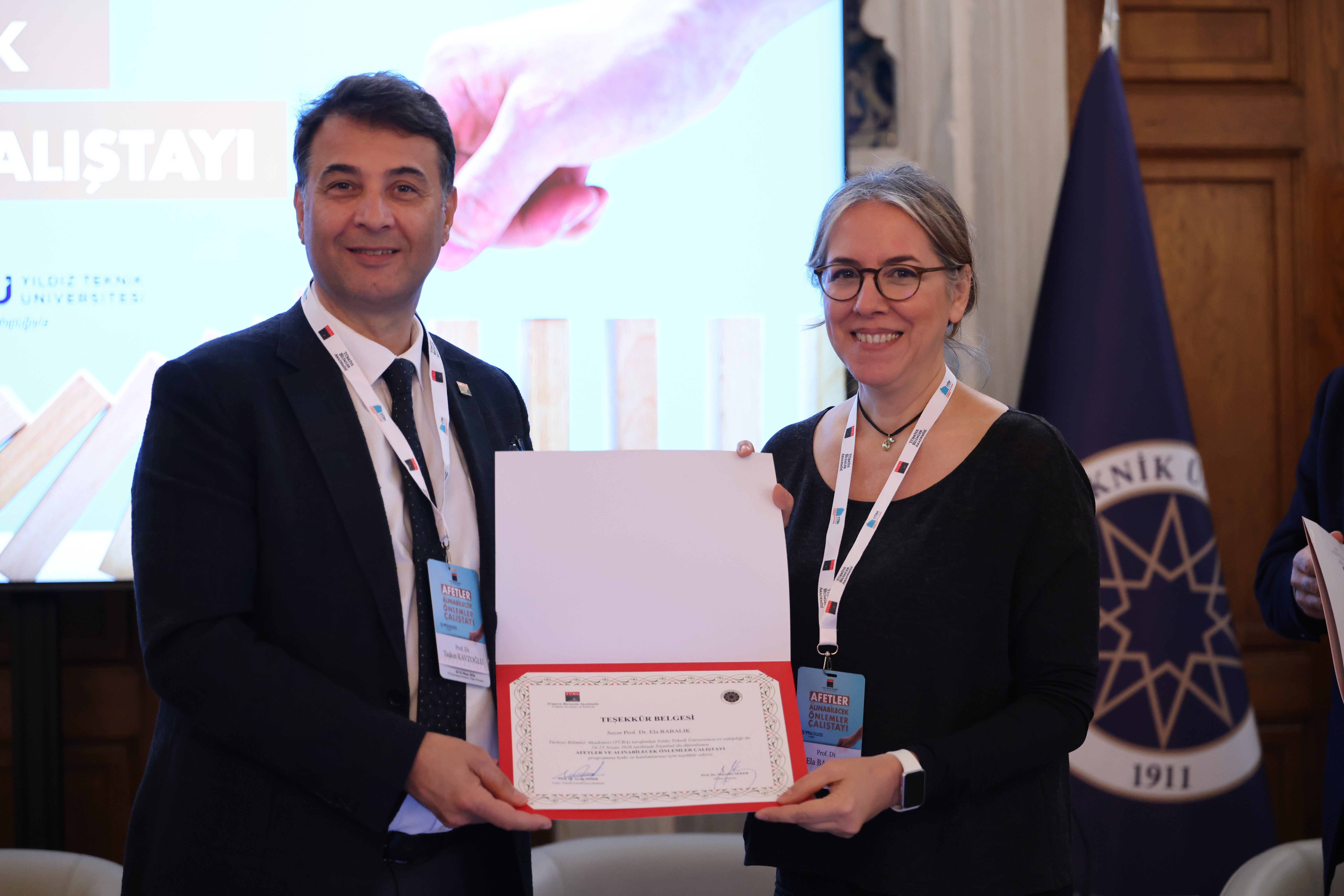
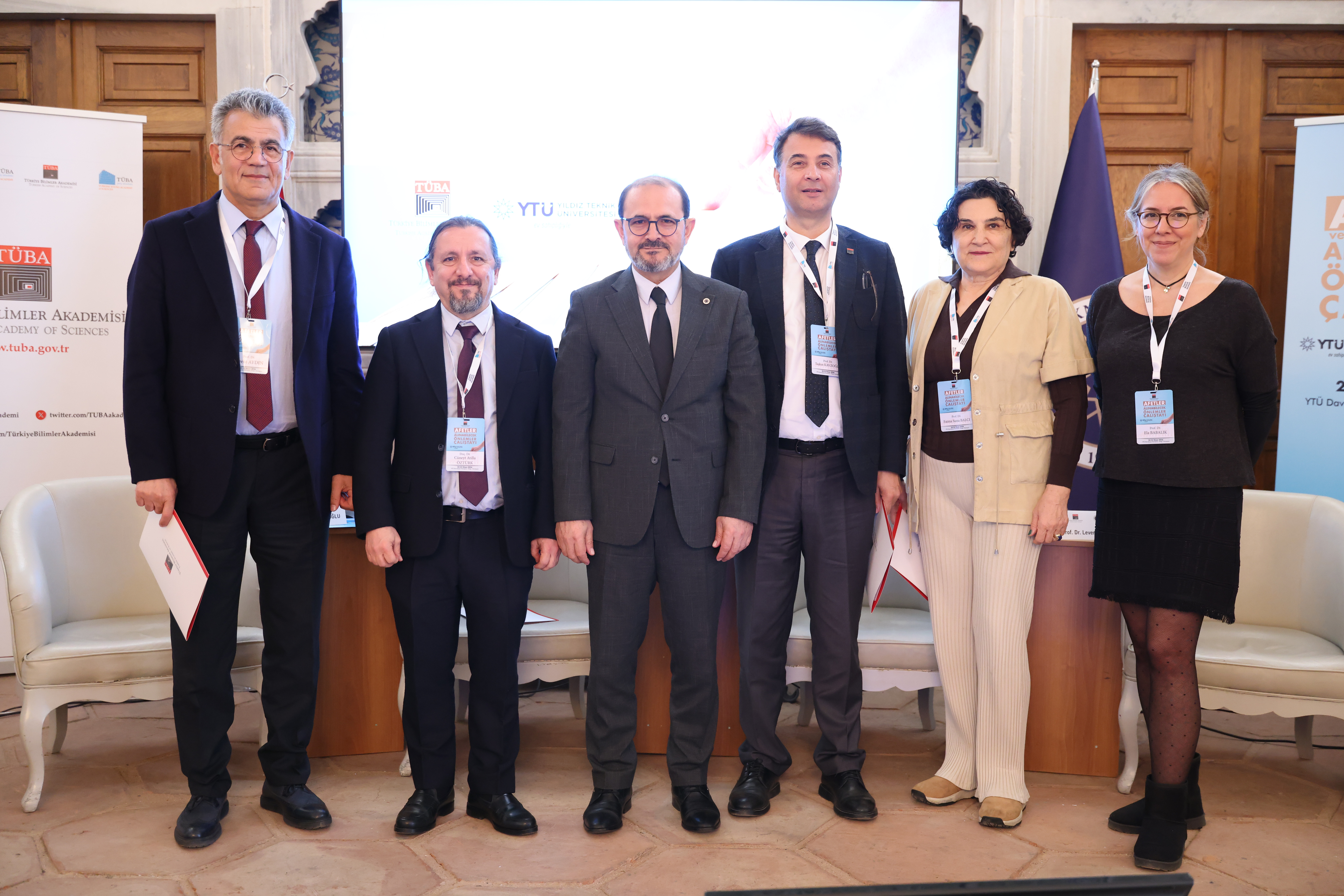
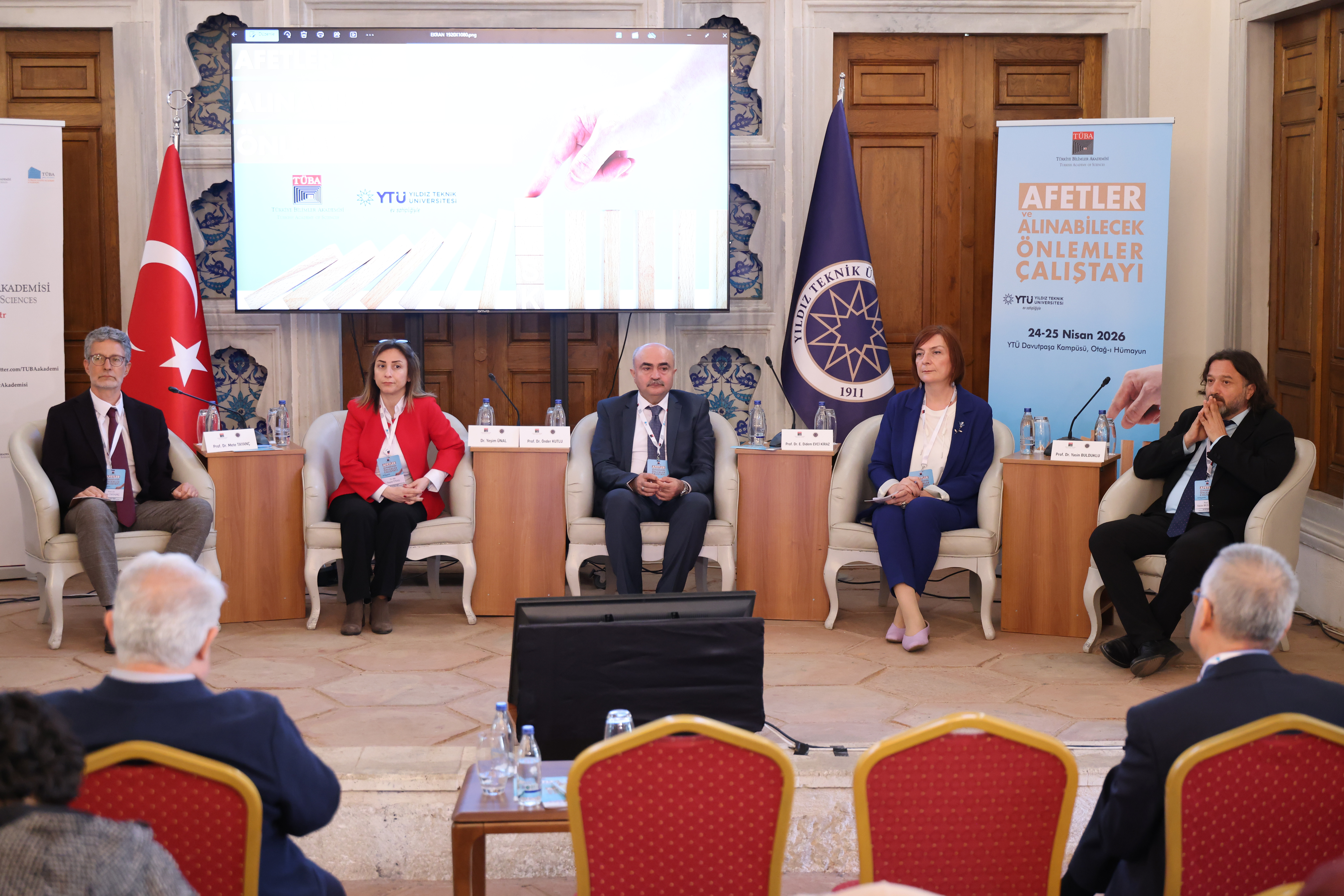
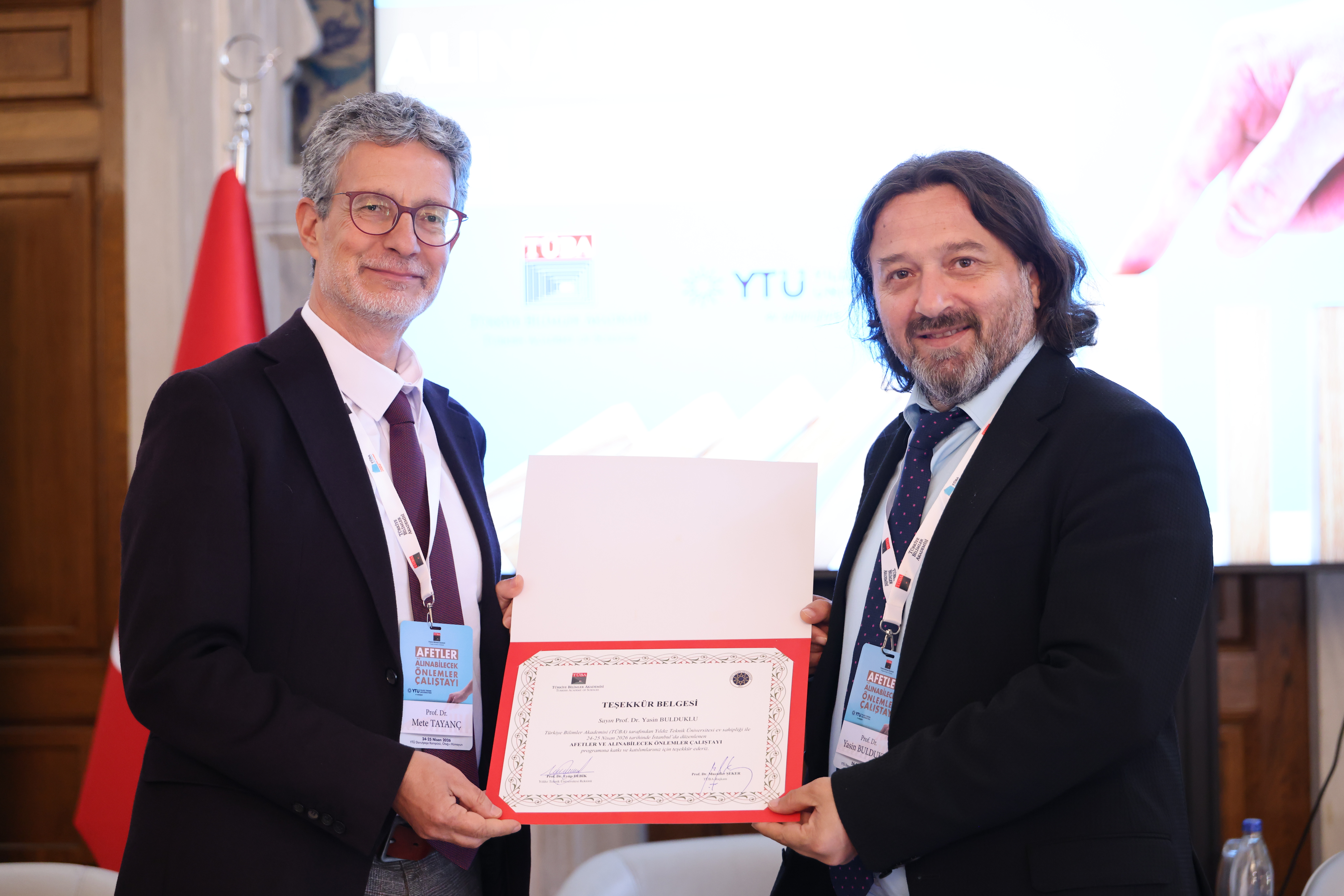
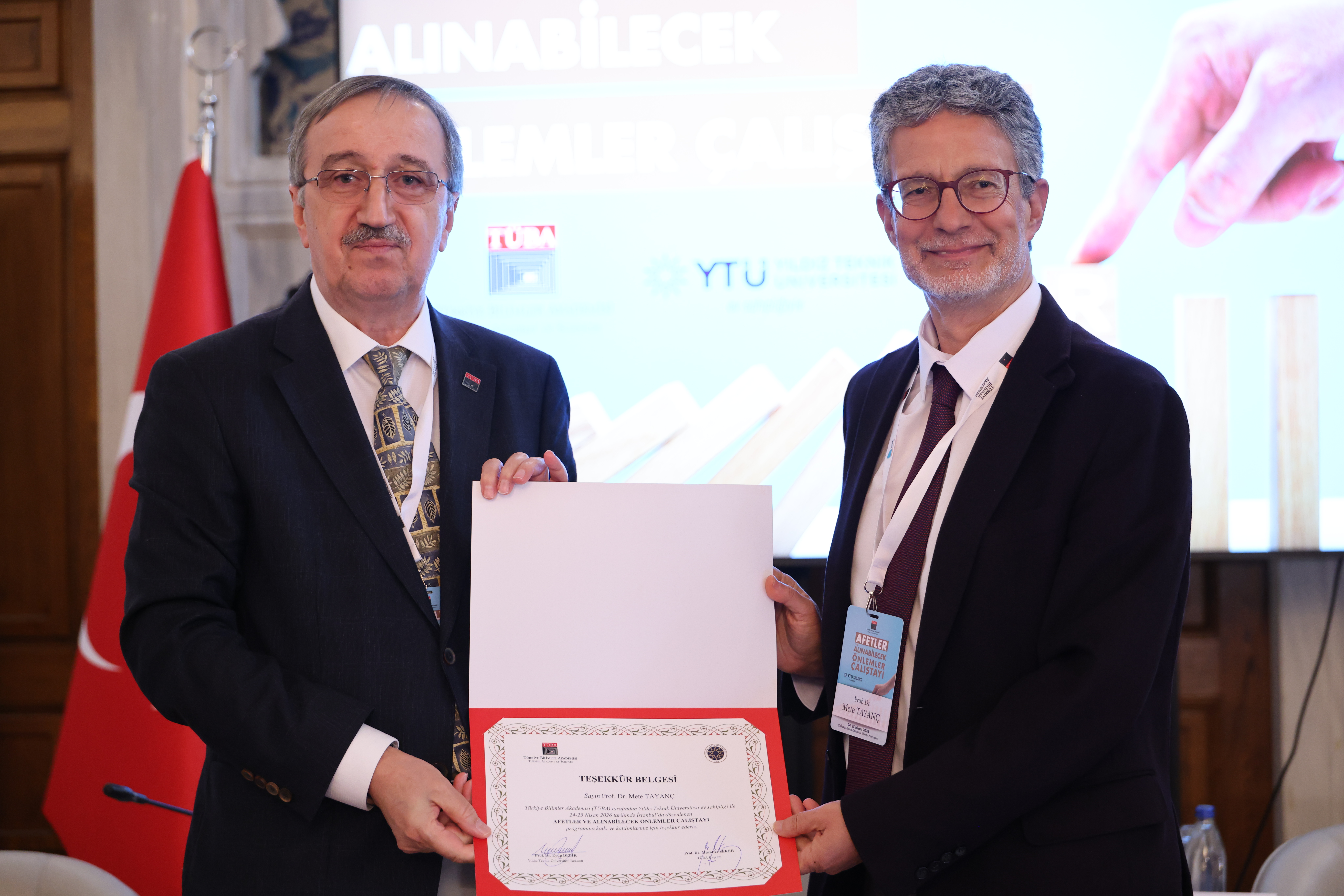
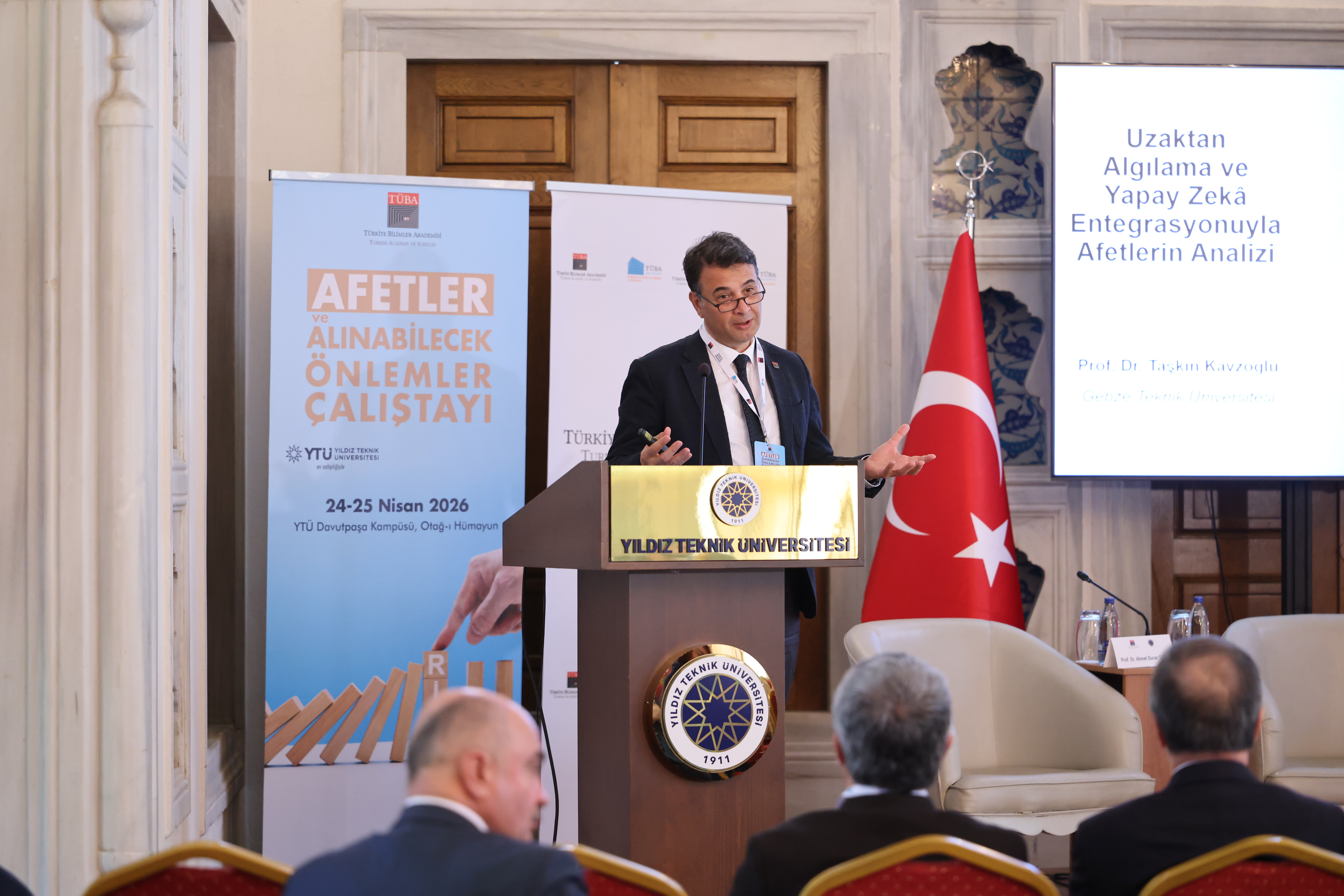
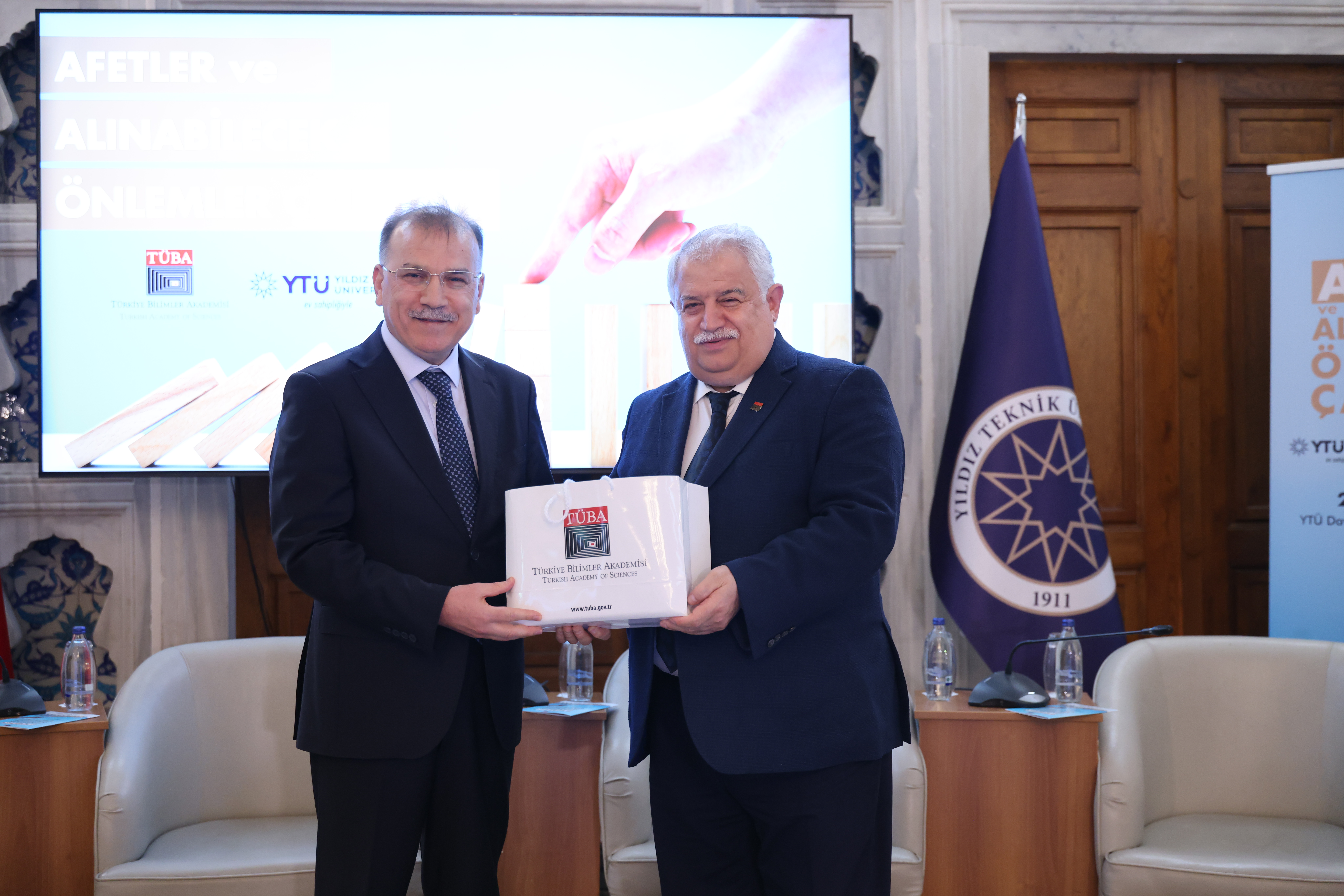
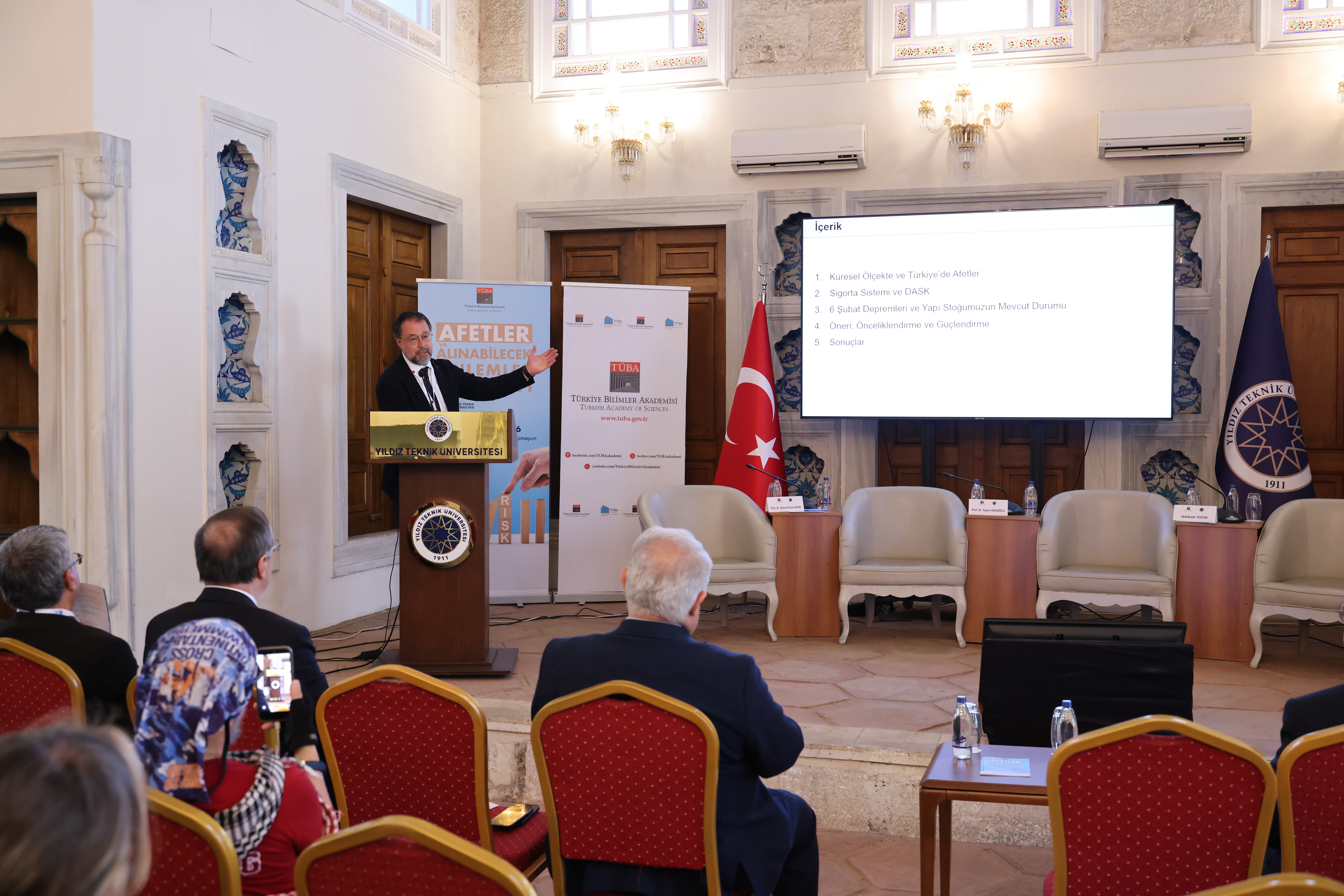
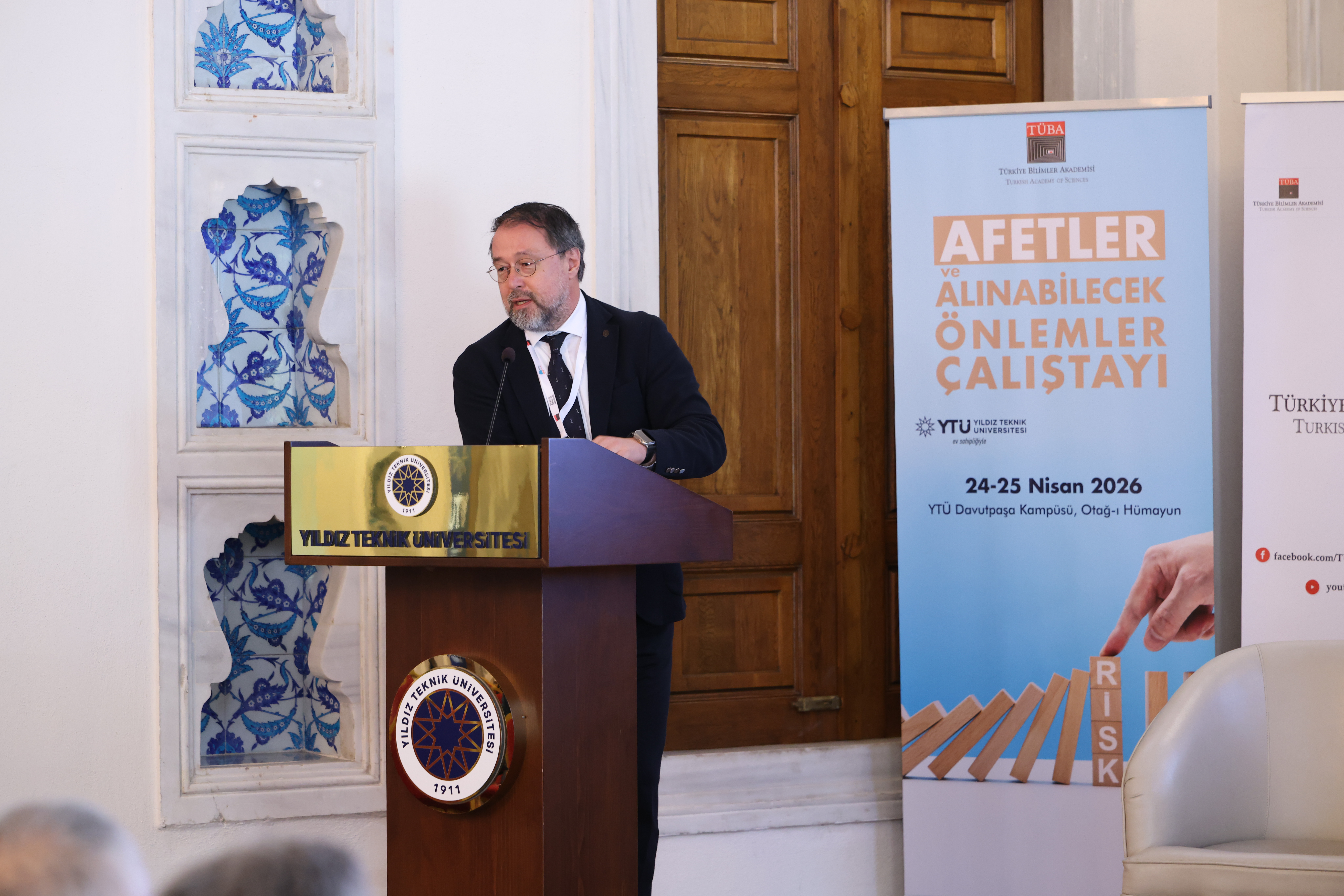
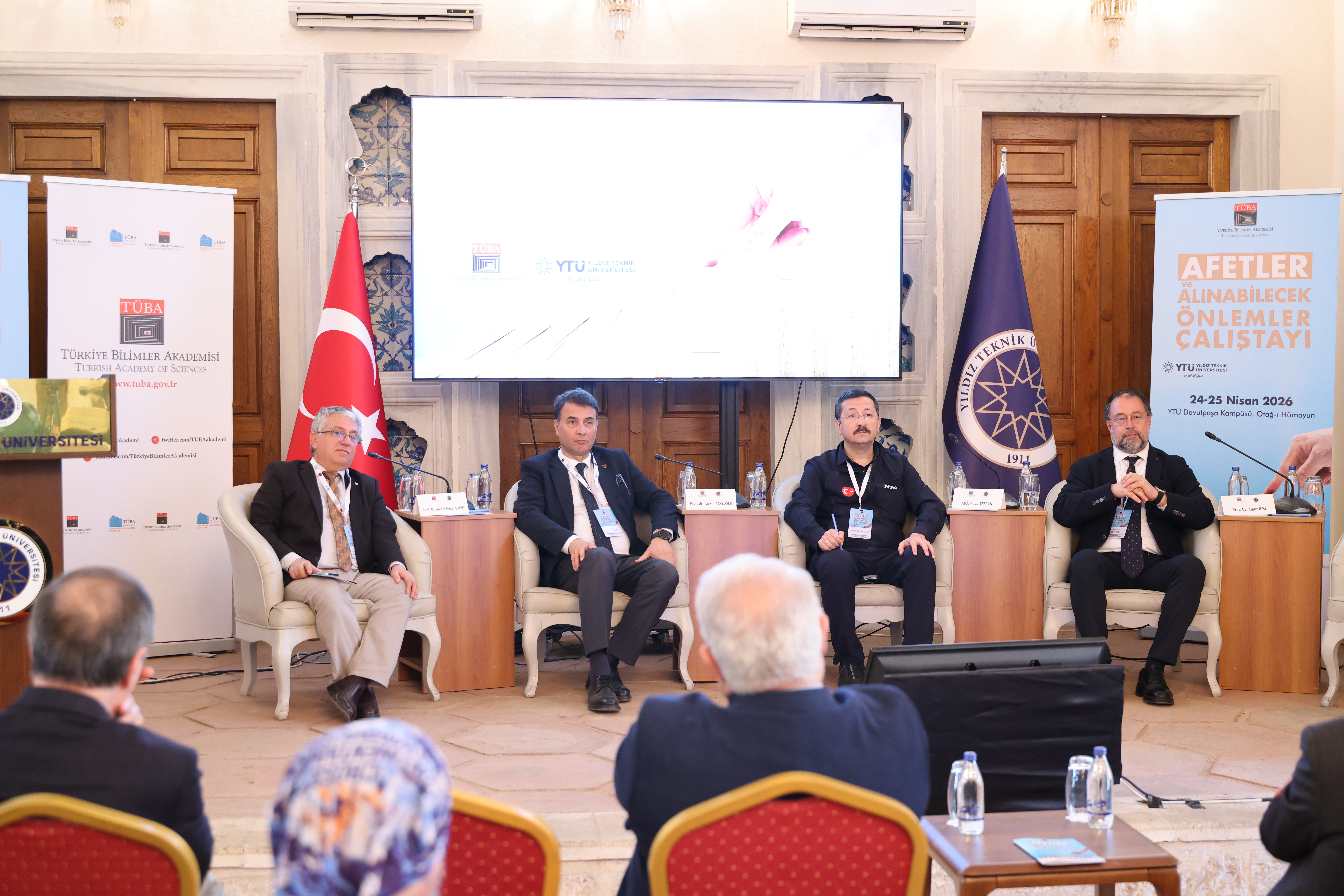
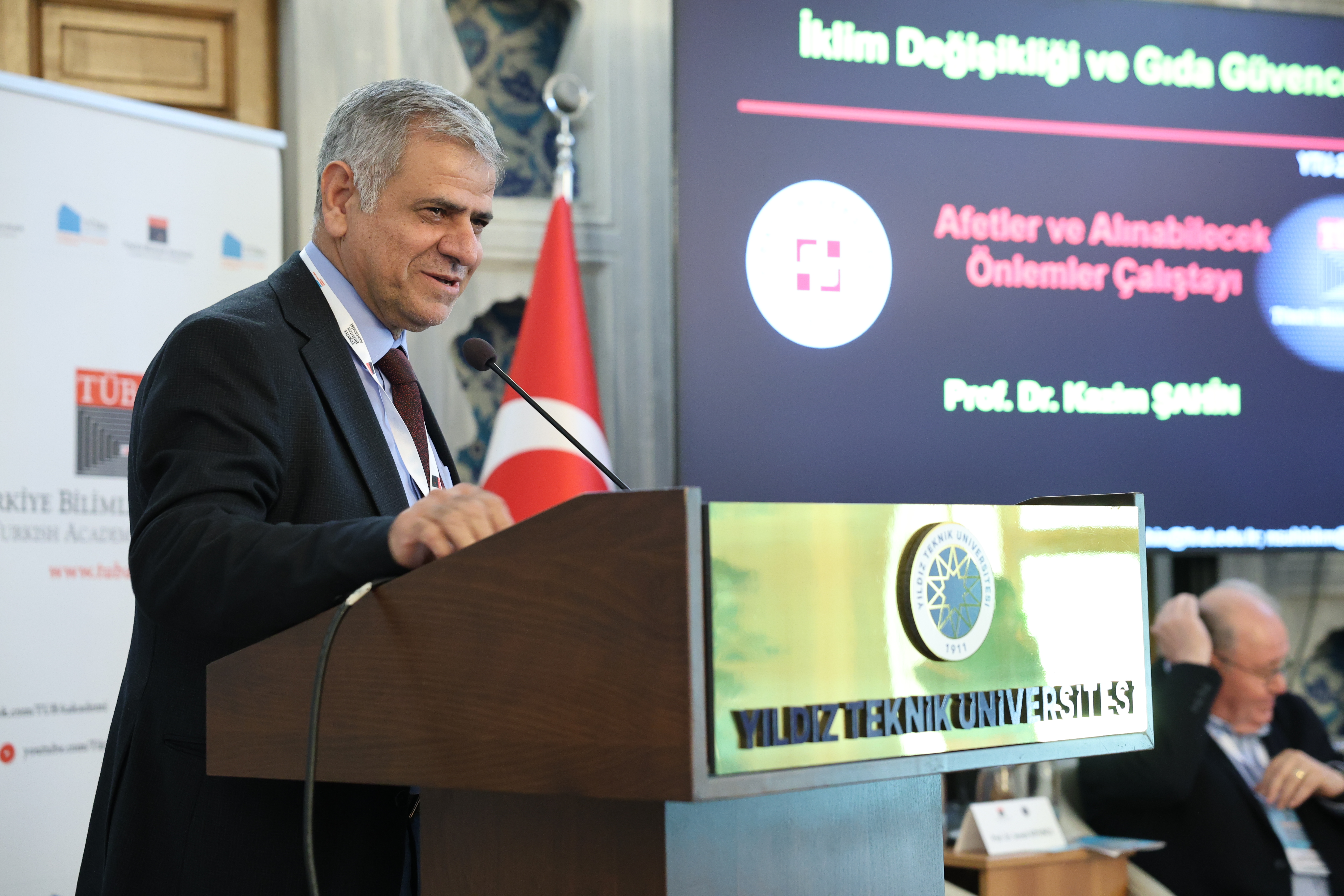
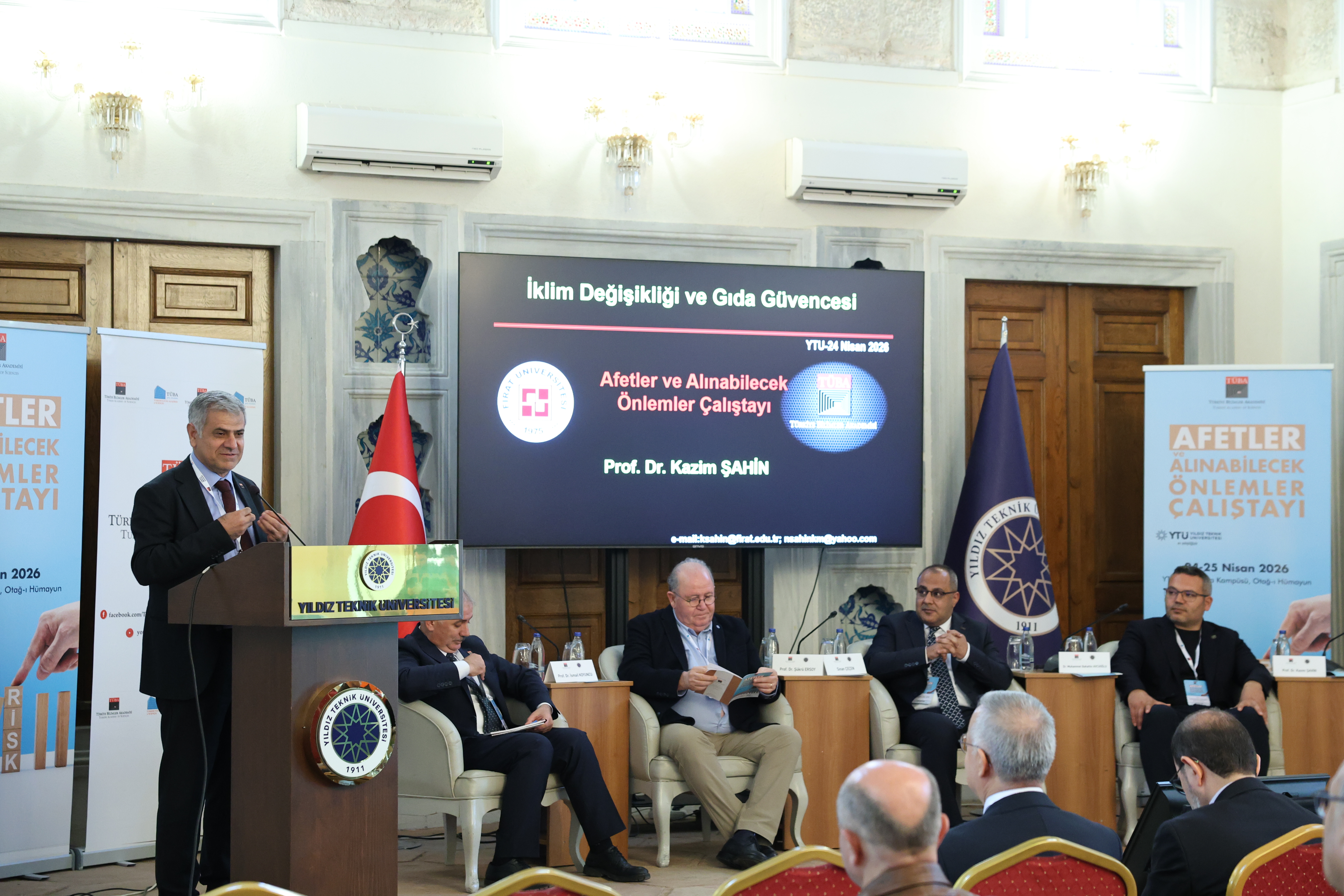
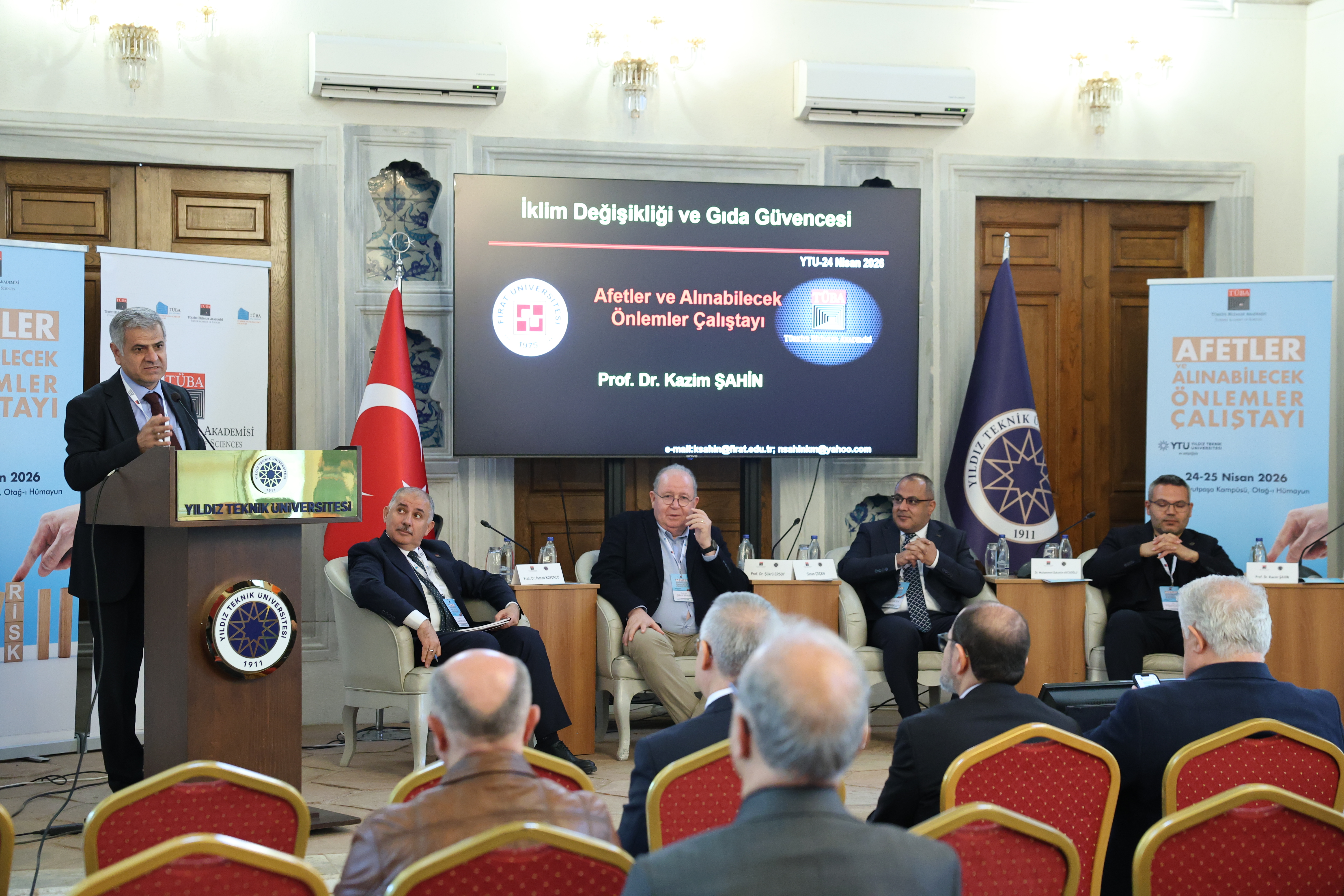
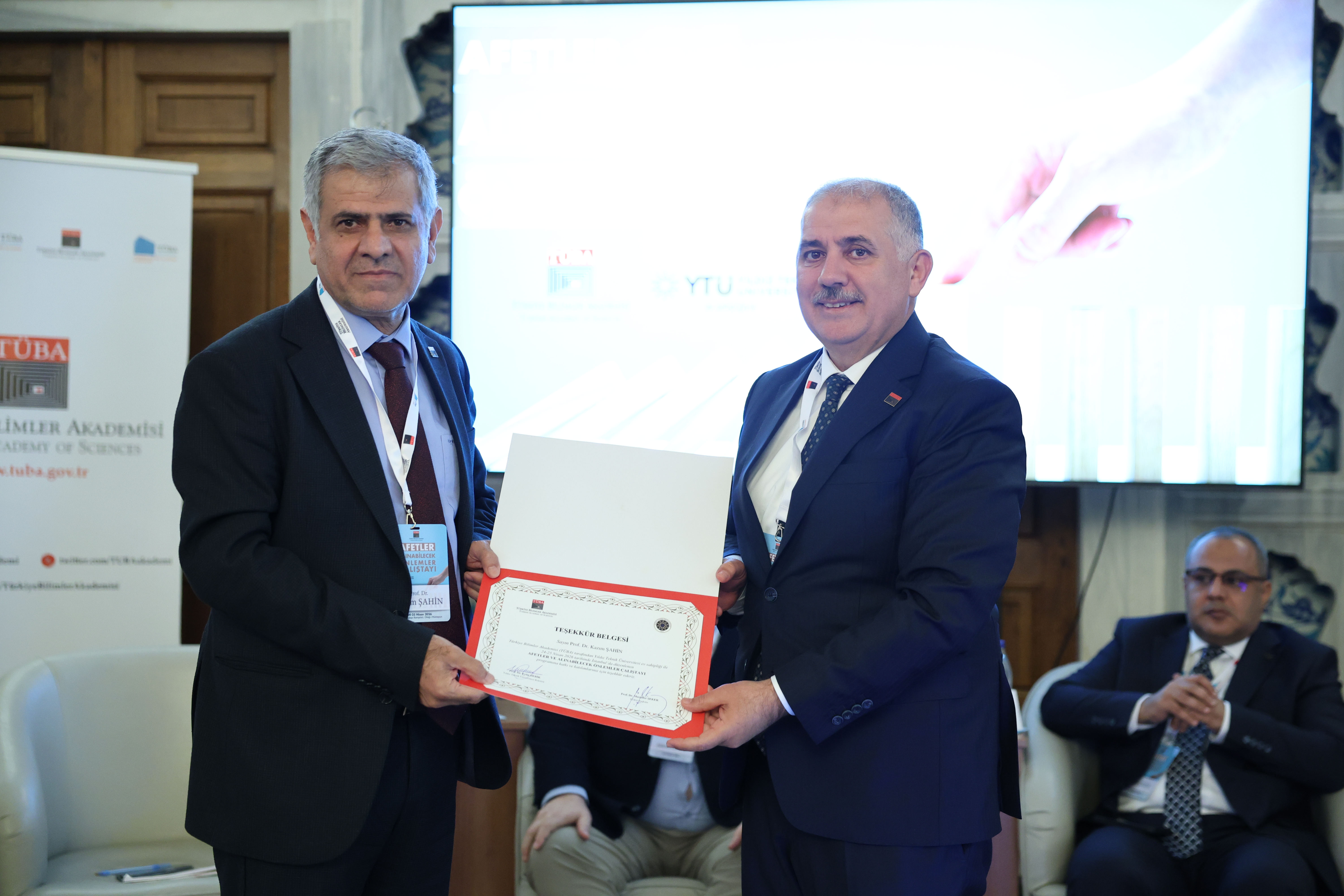
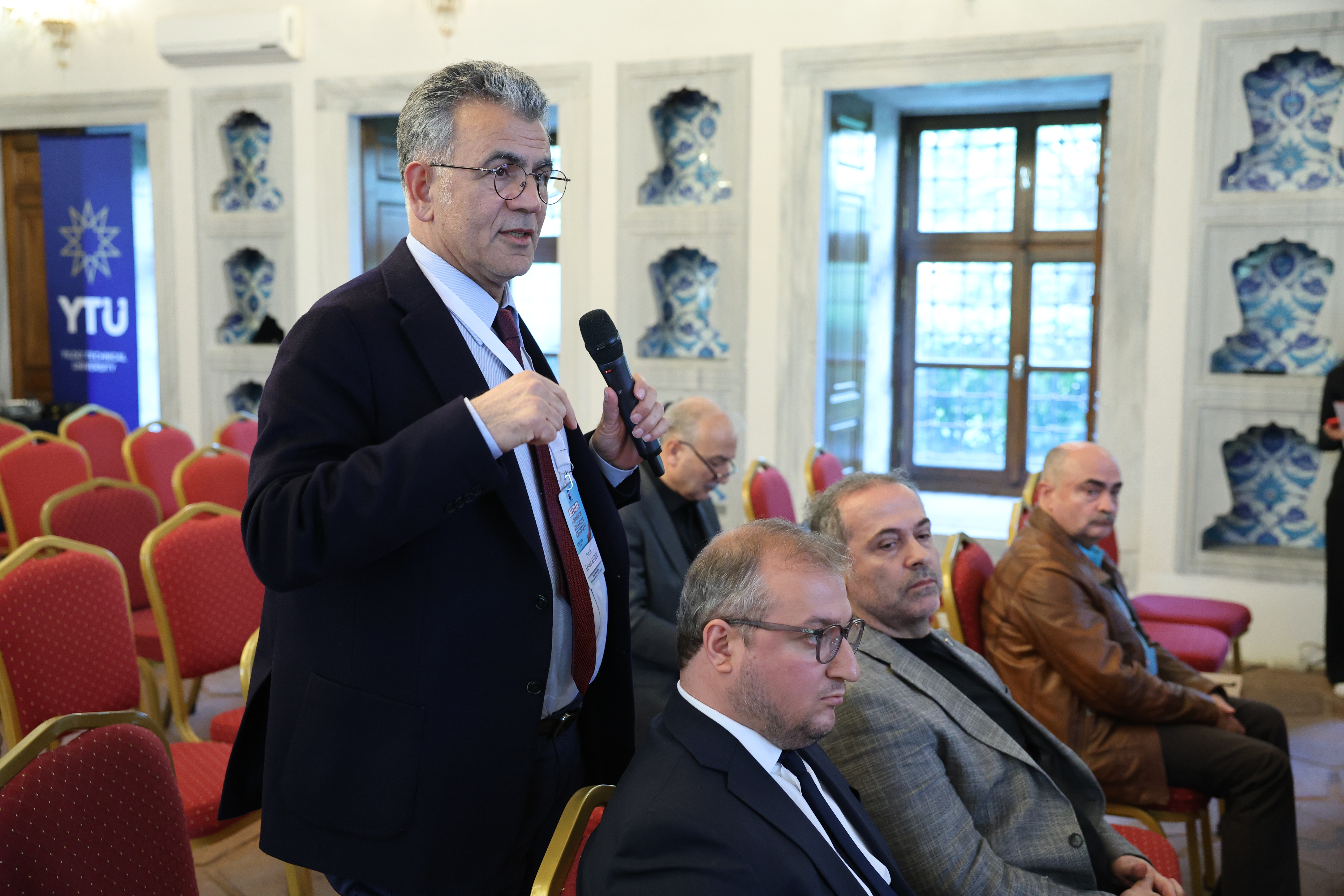
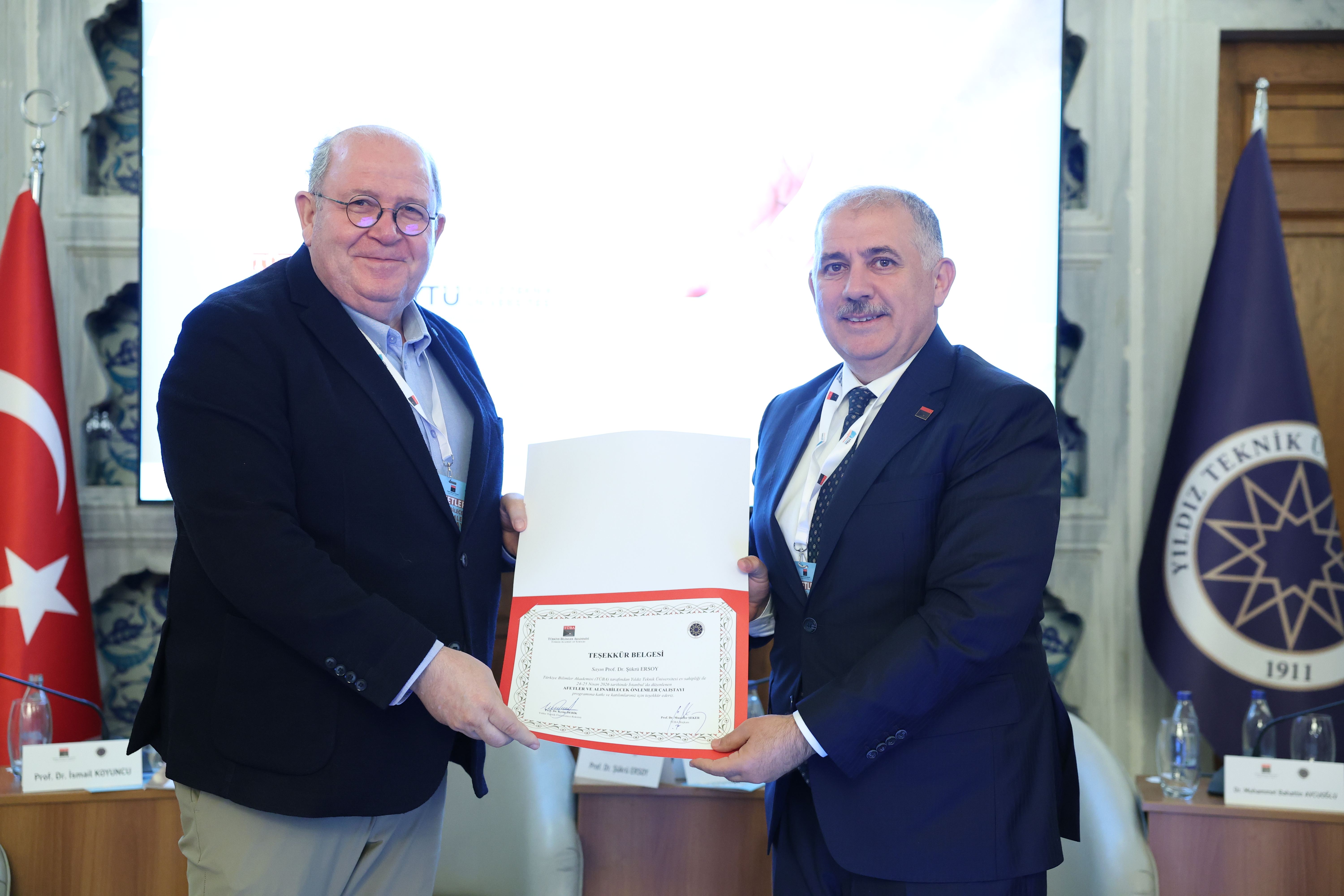
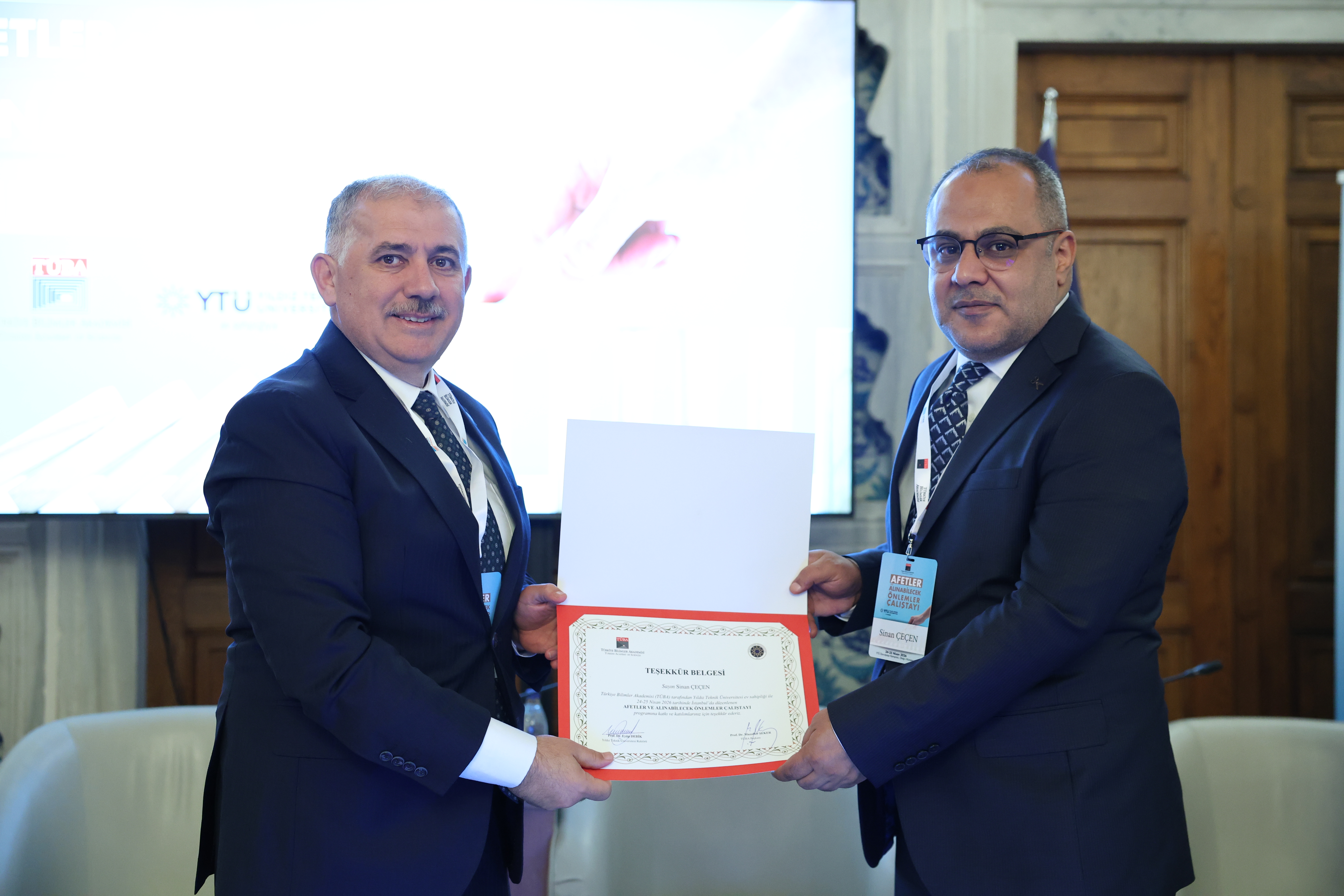
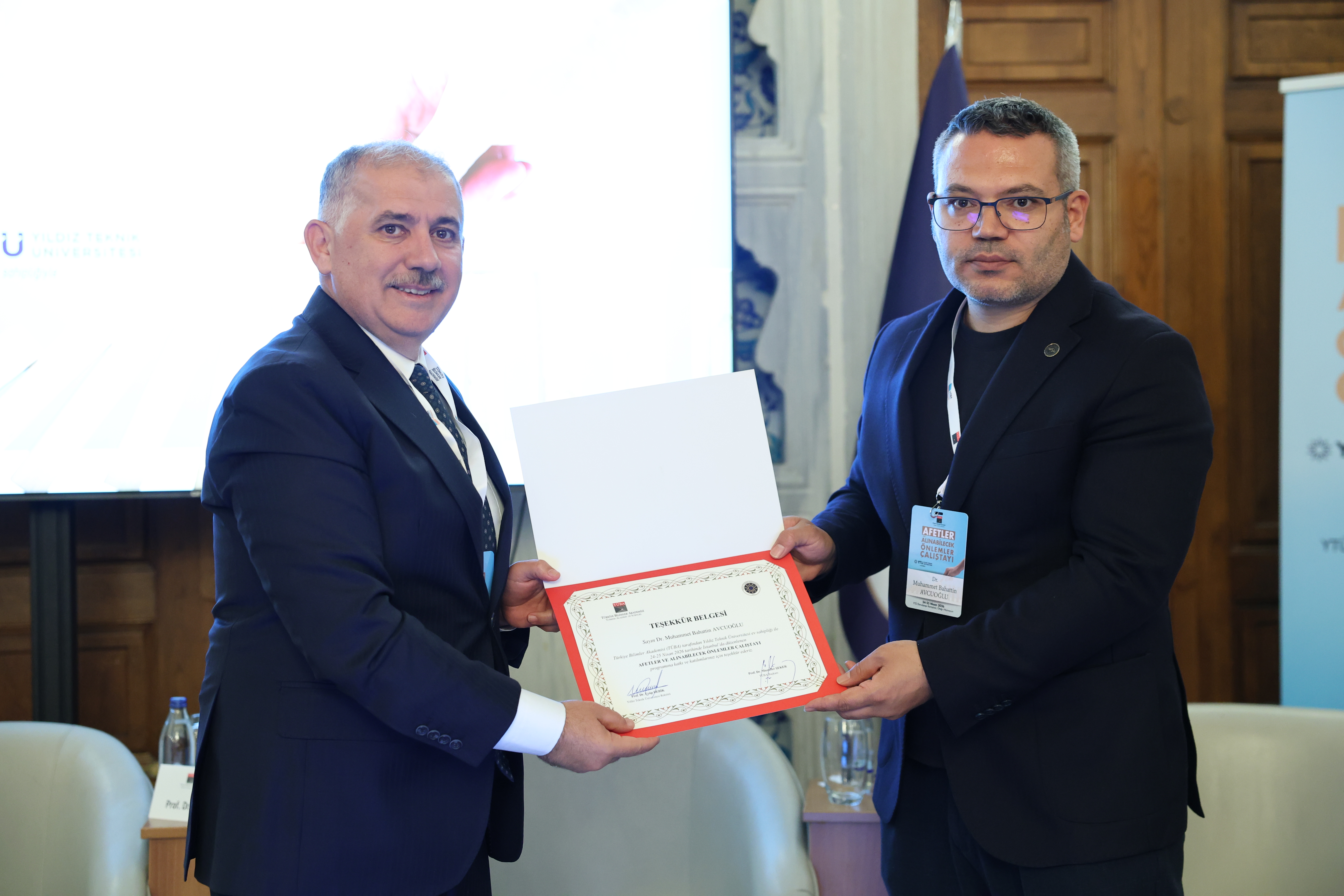
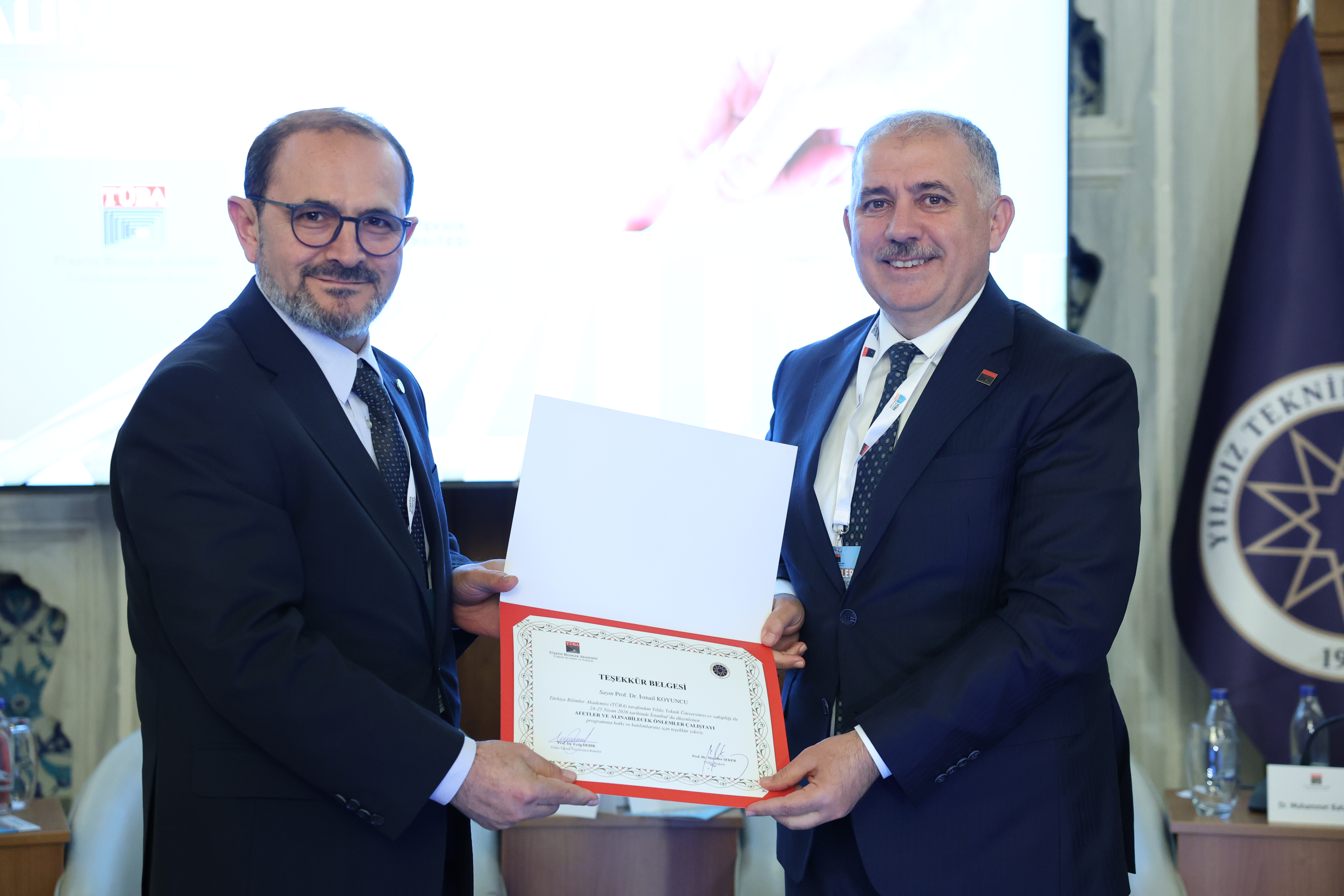
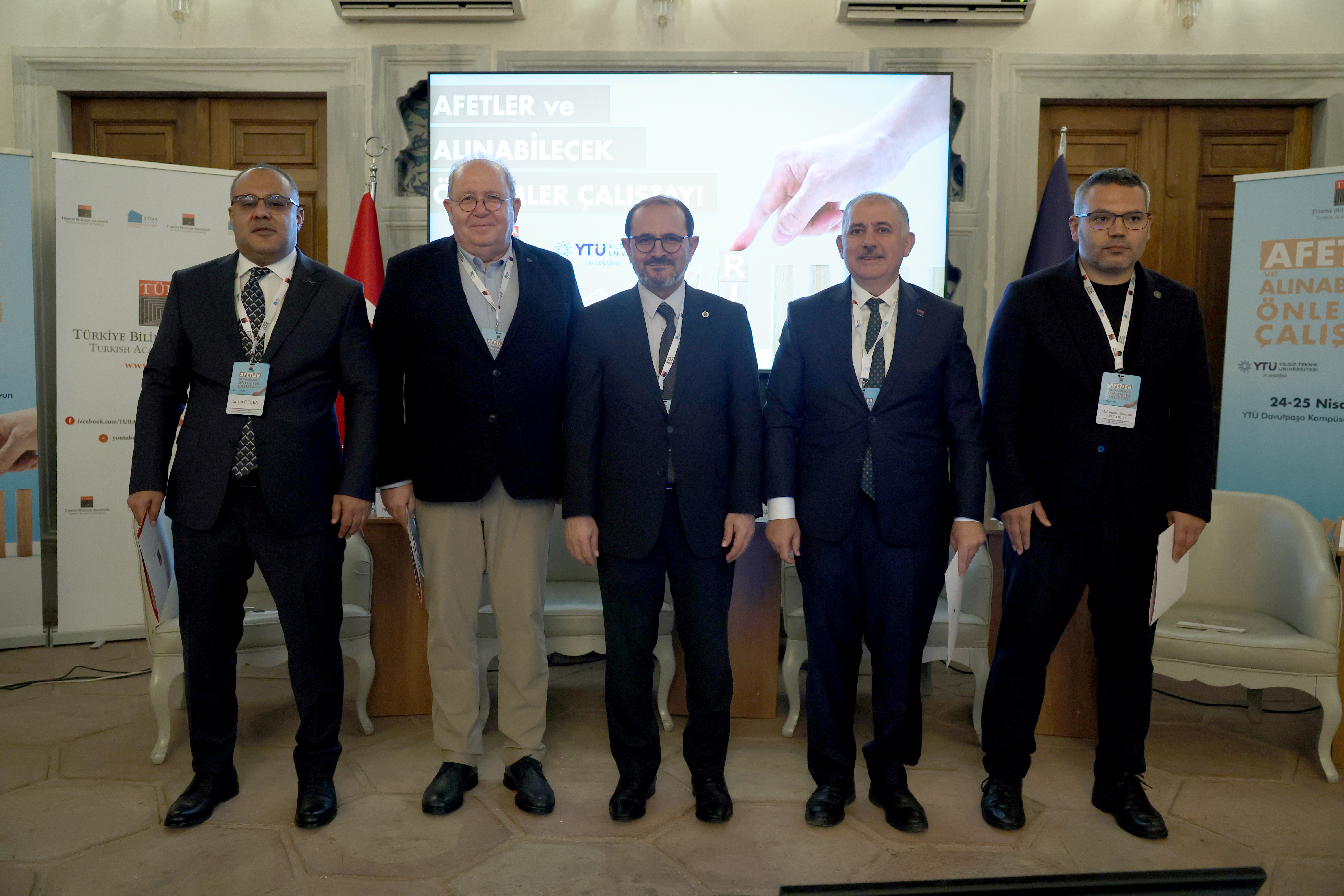
The “Workshop on Disasters and Preventive Measures,” organized by TÜBA, was hosted by Yıldız Technical University (YTÜ).
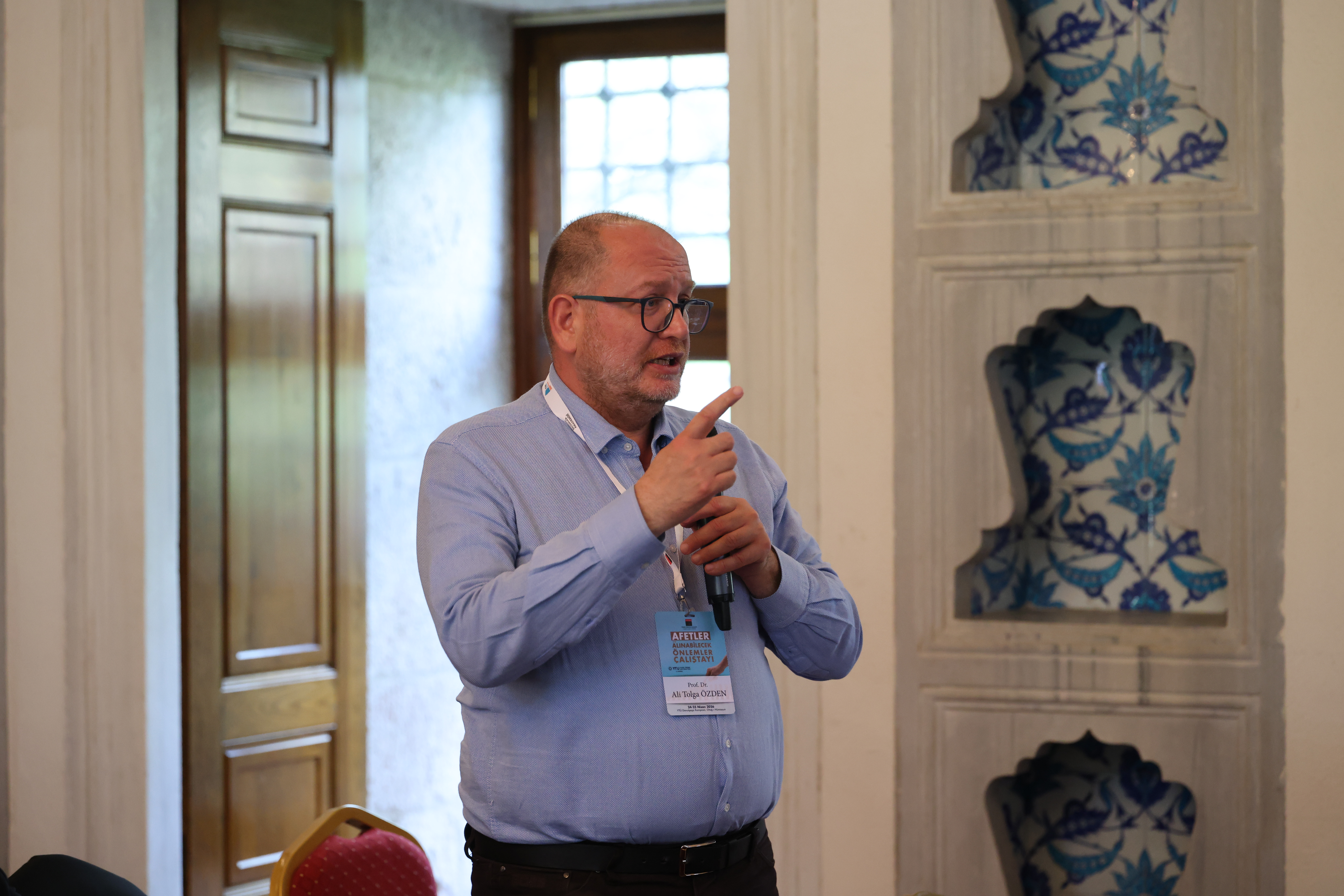
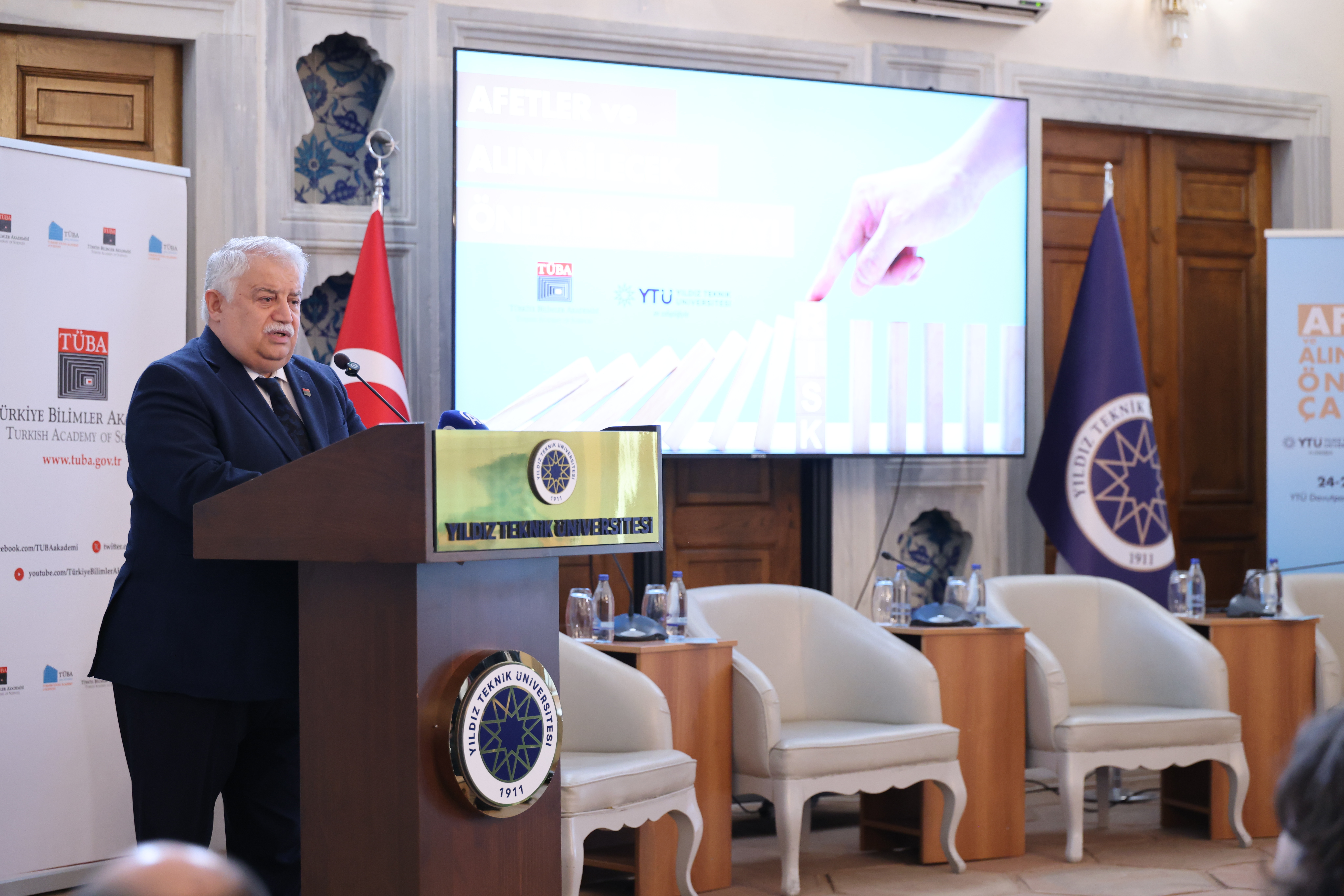
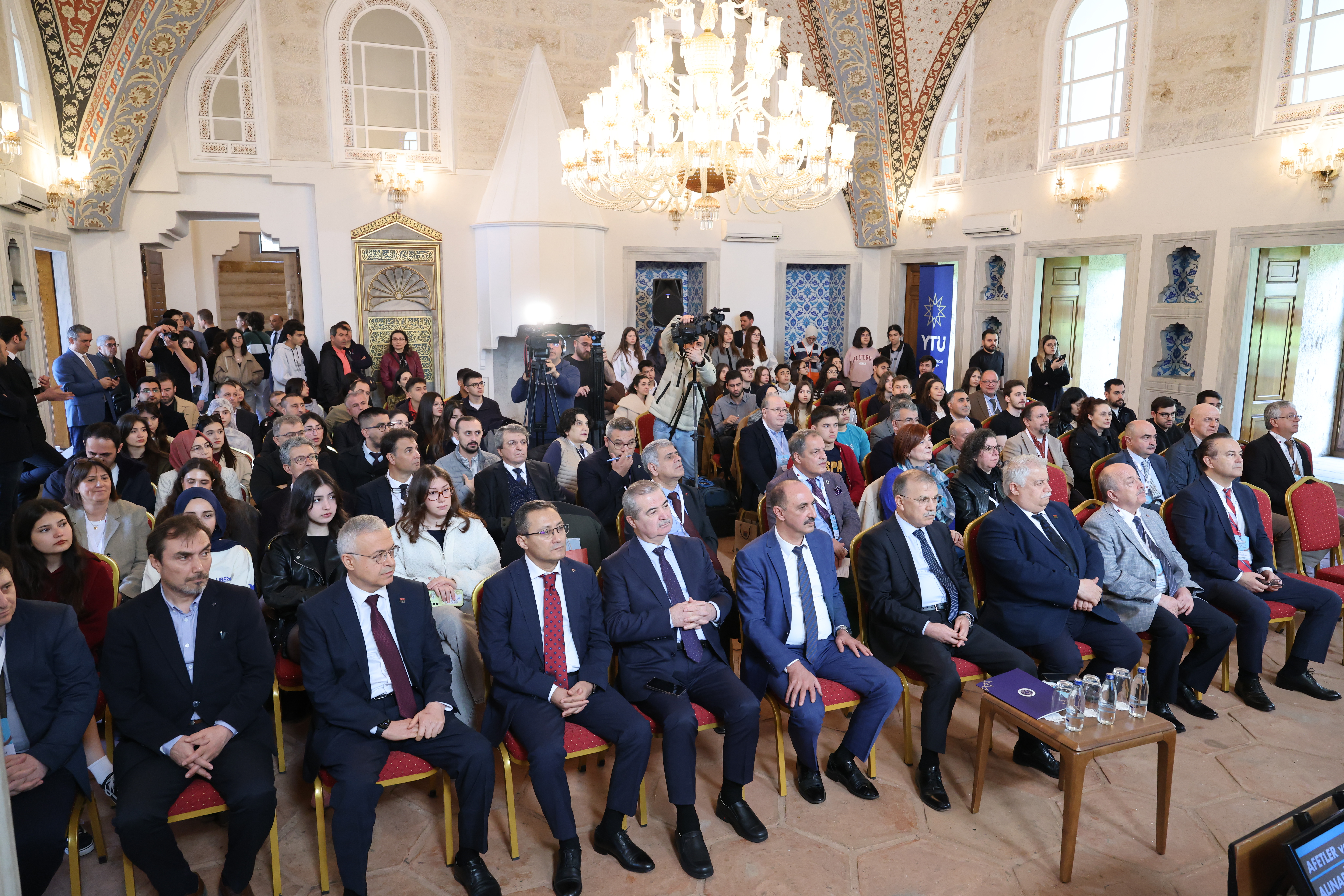
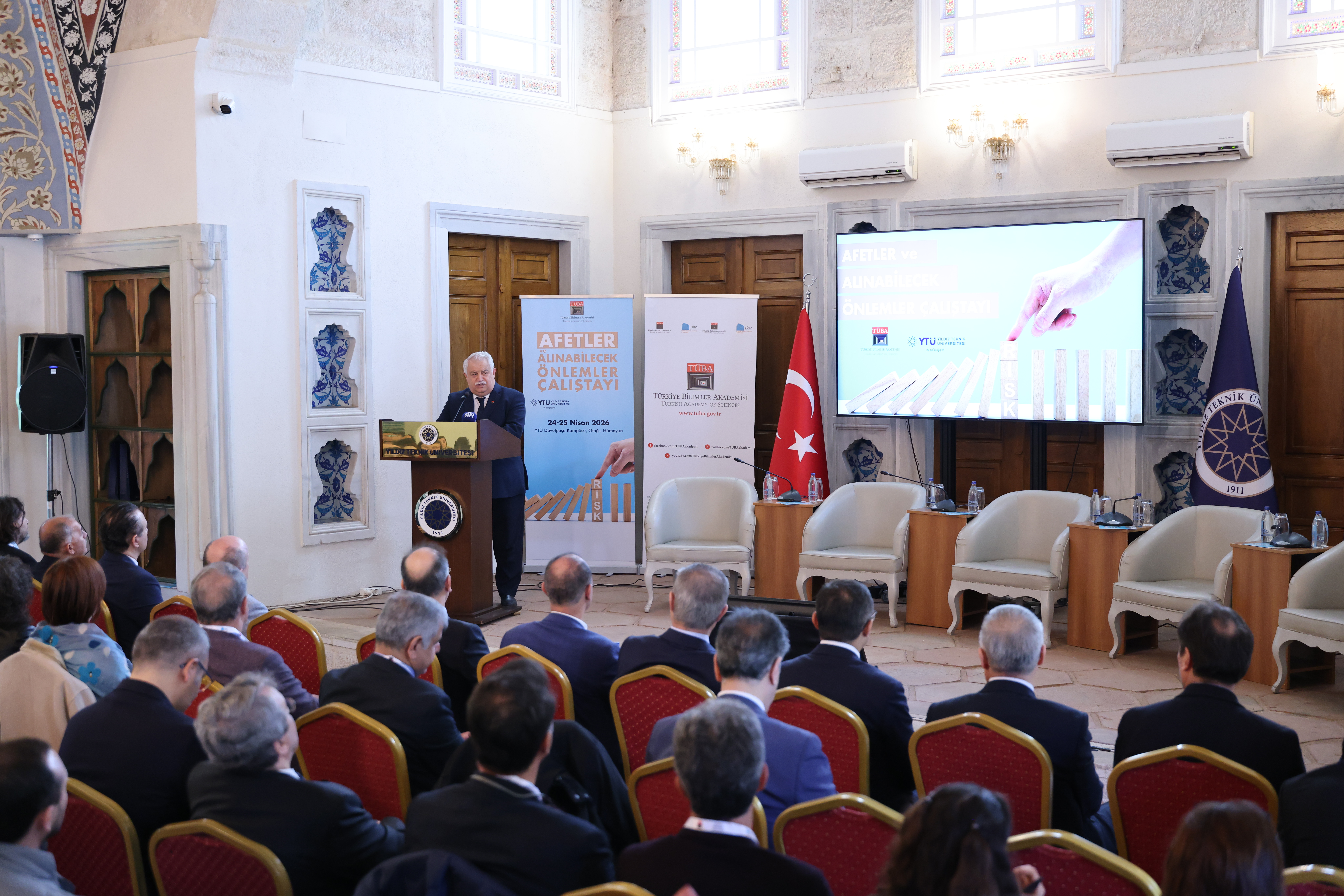
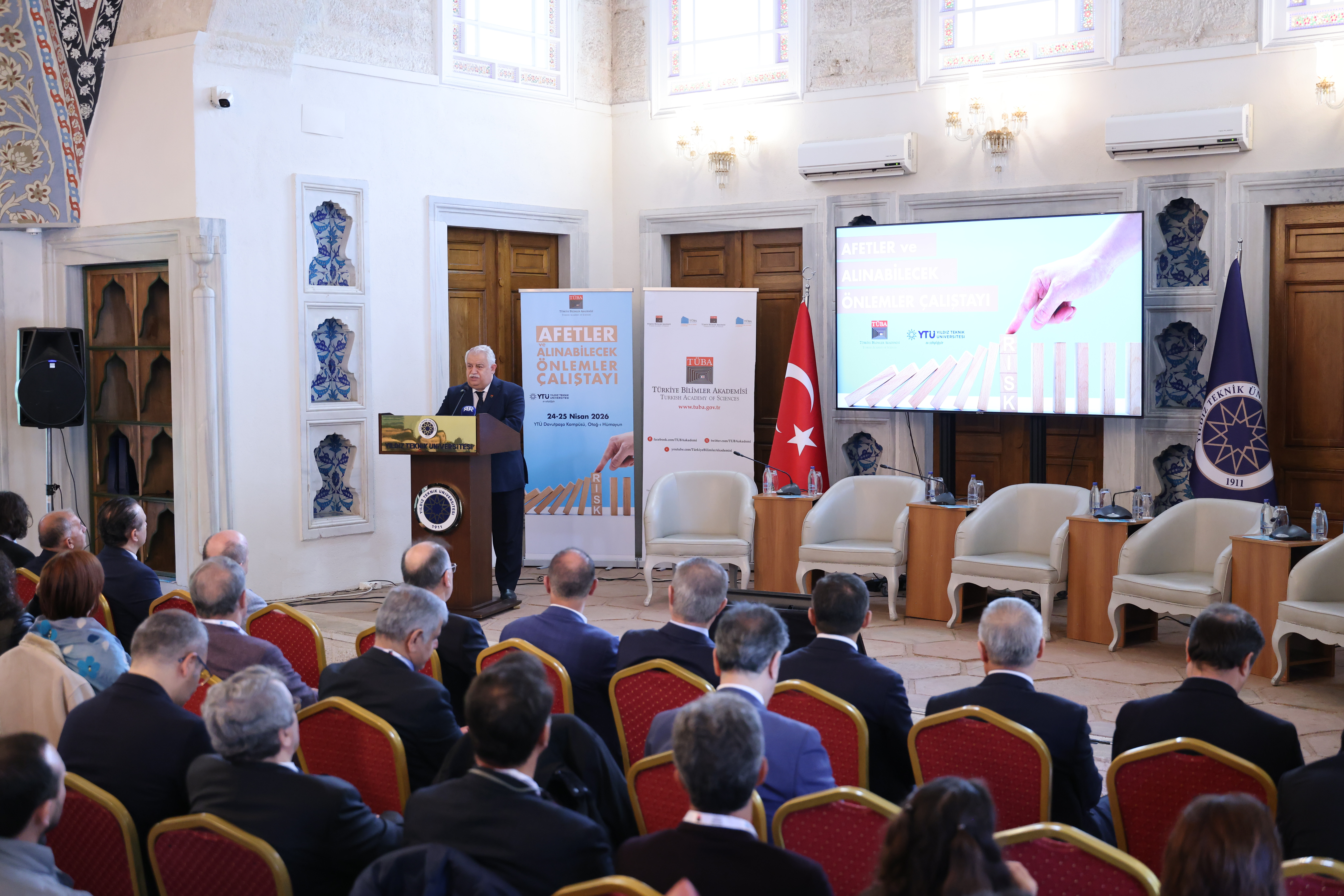
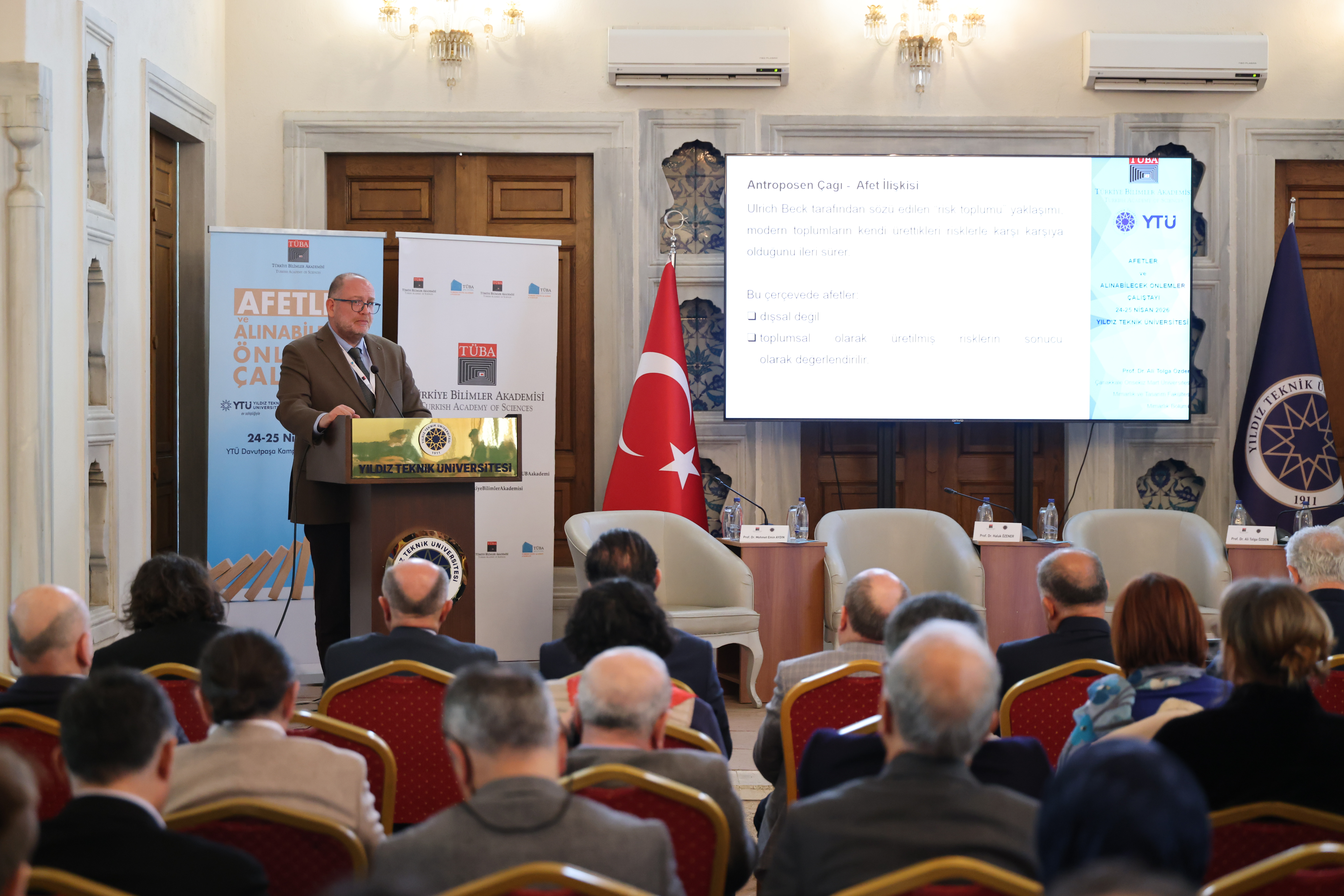
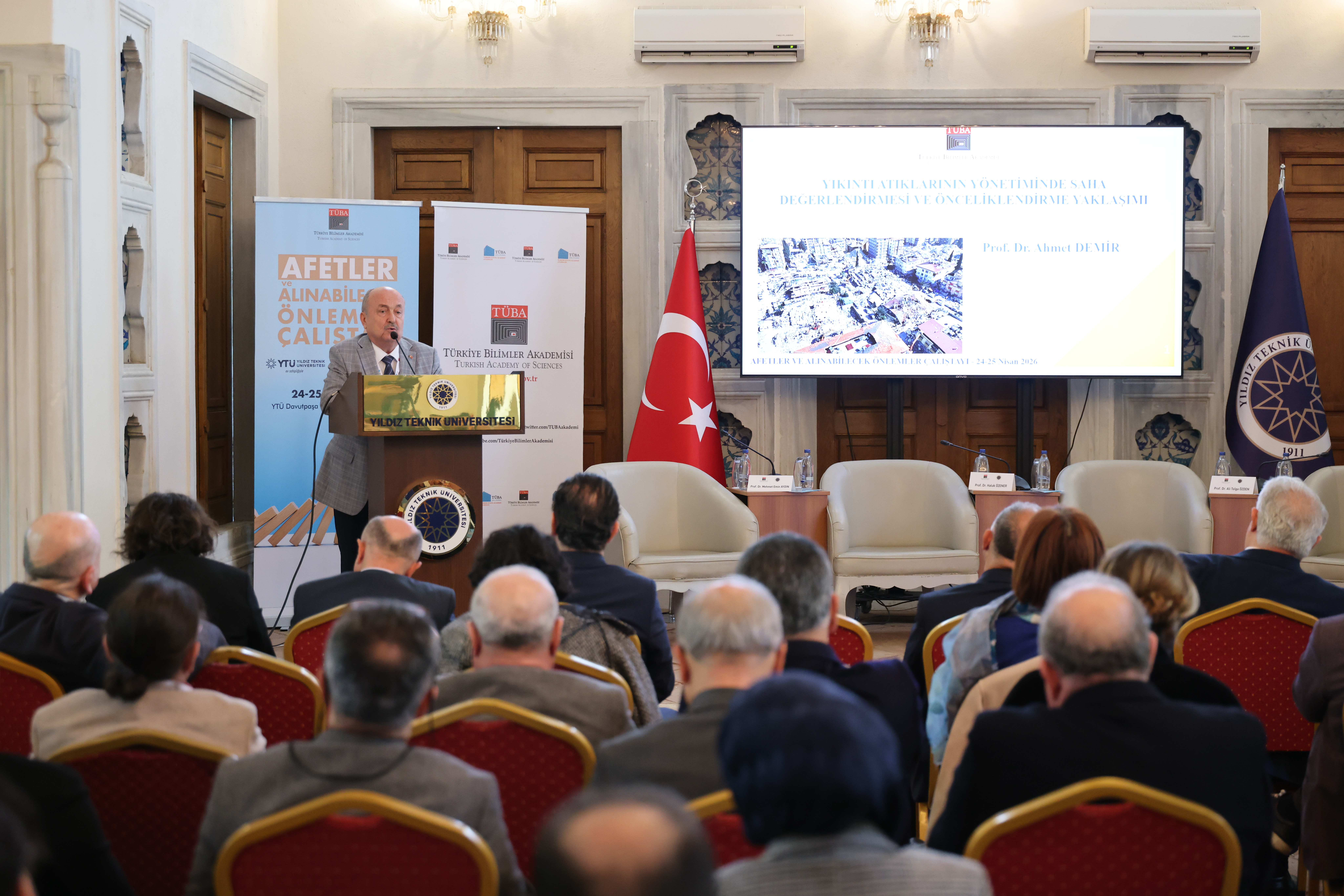
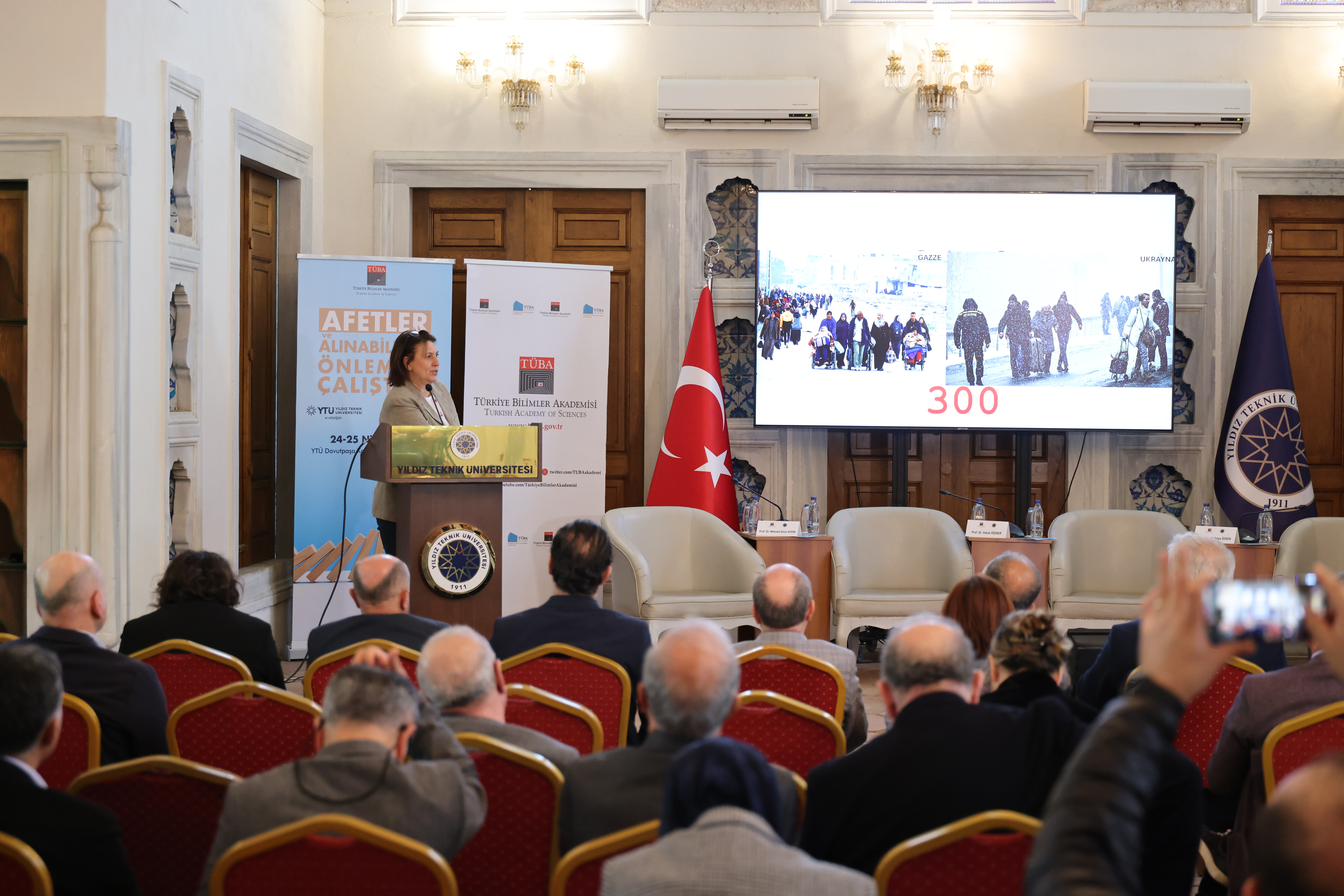
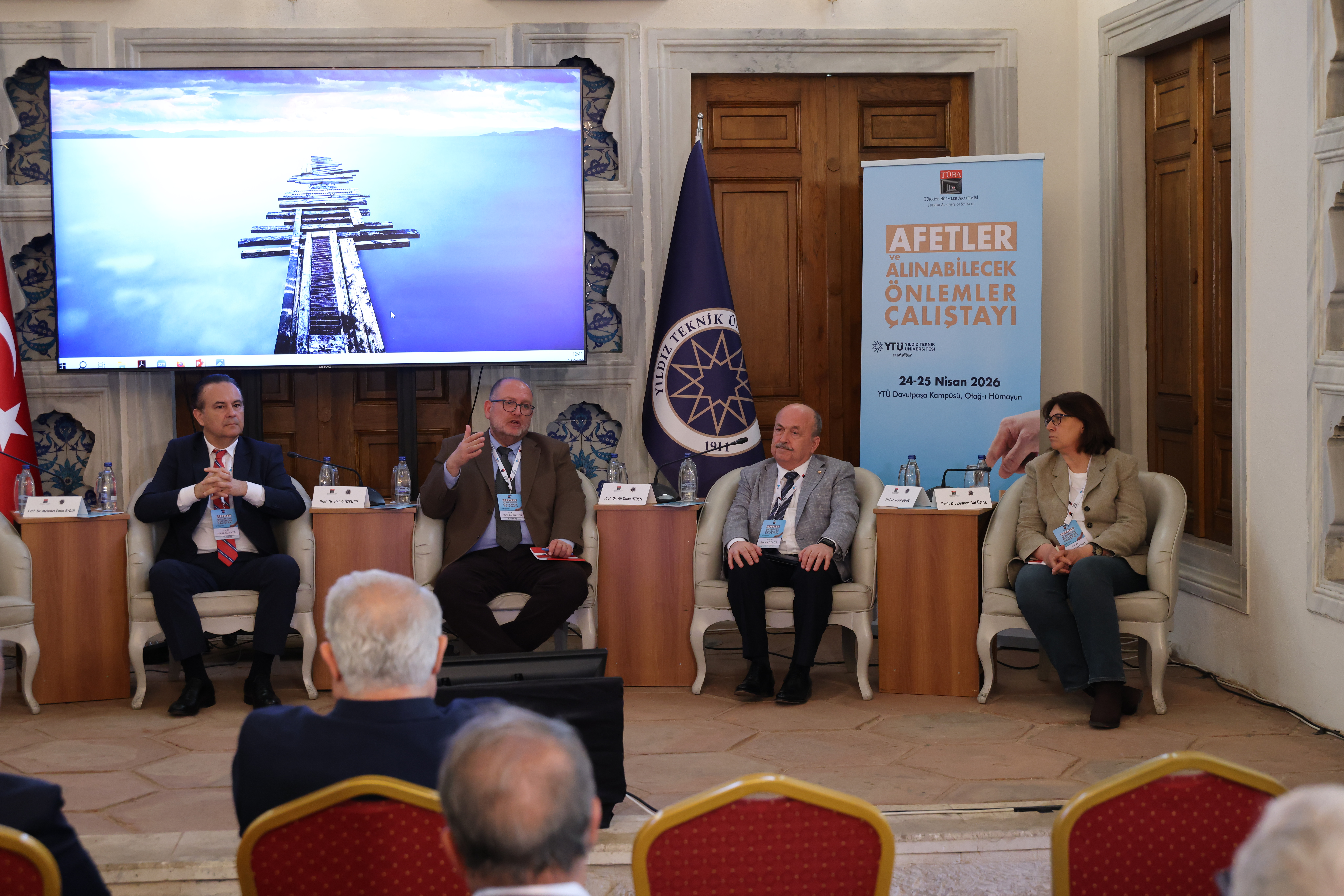
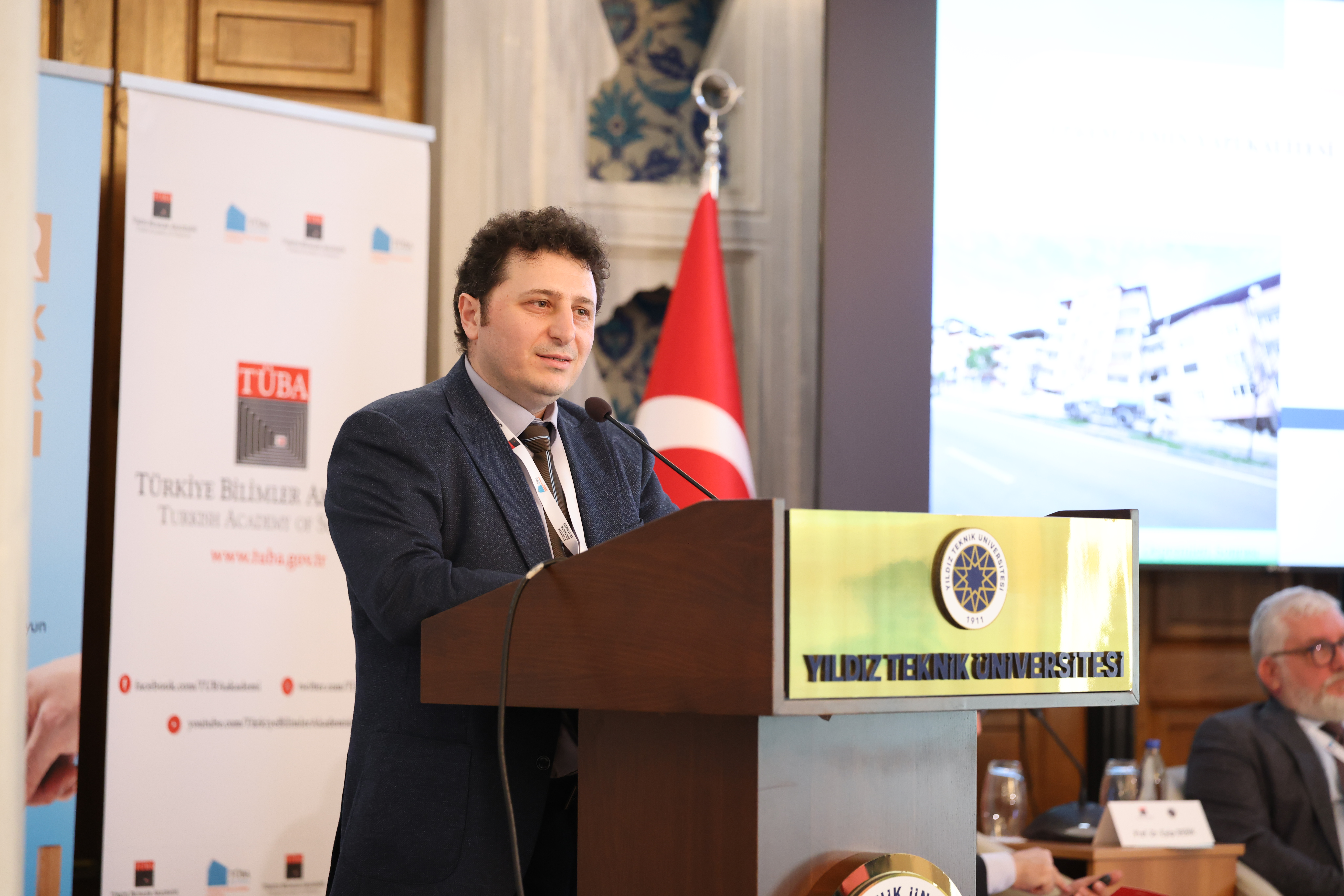
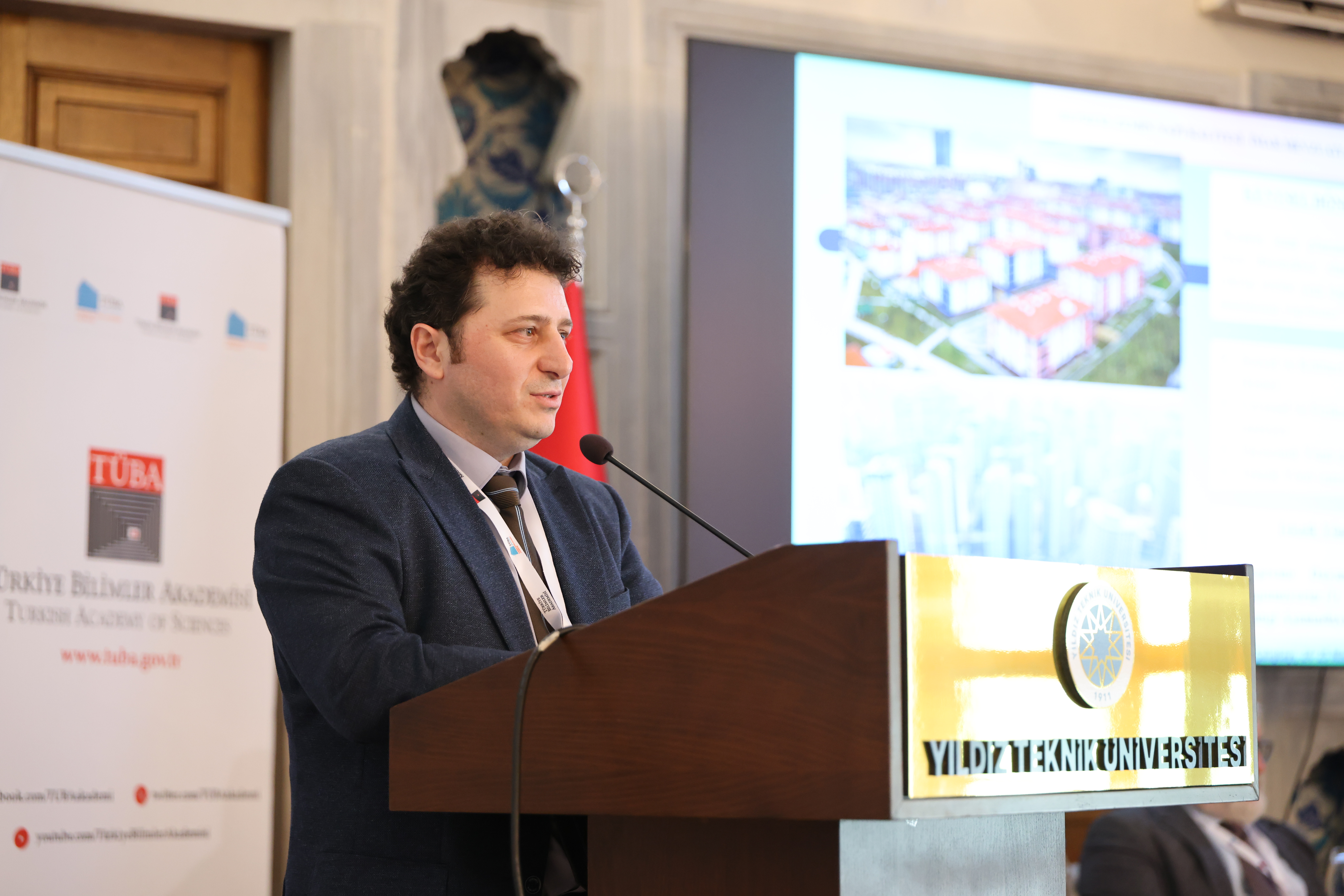
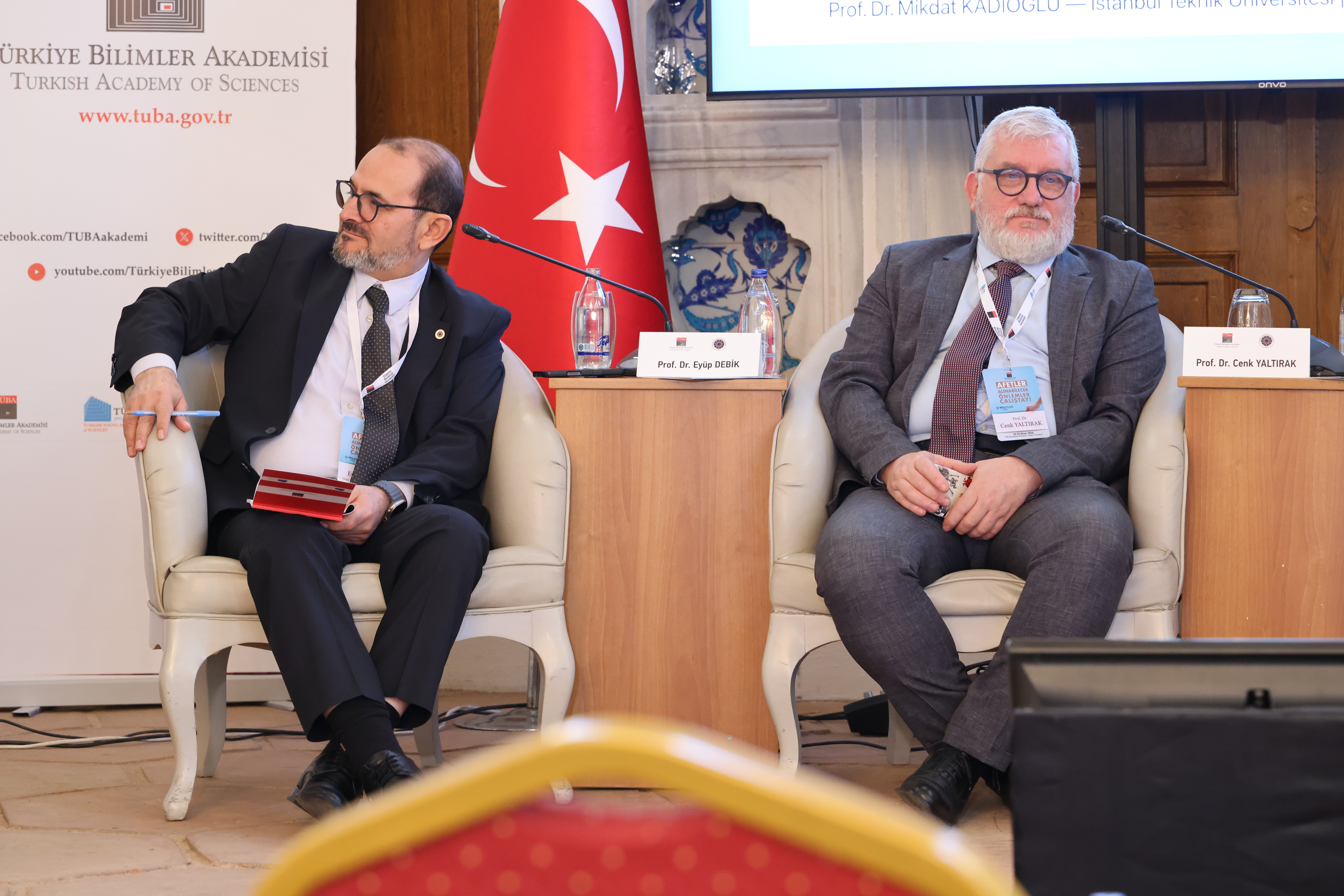
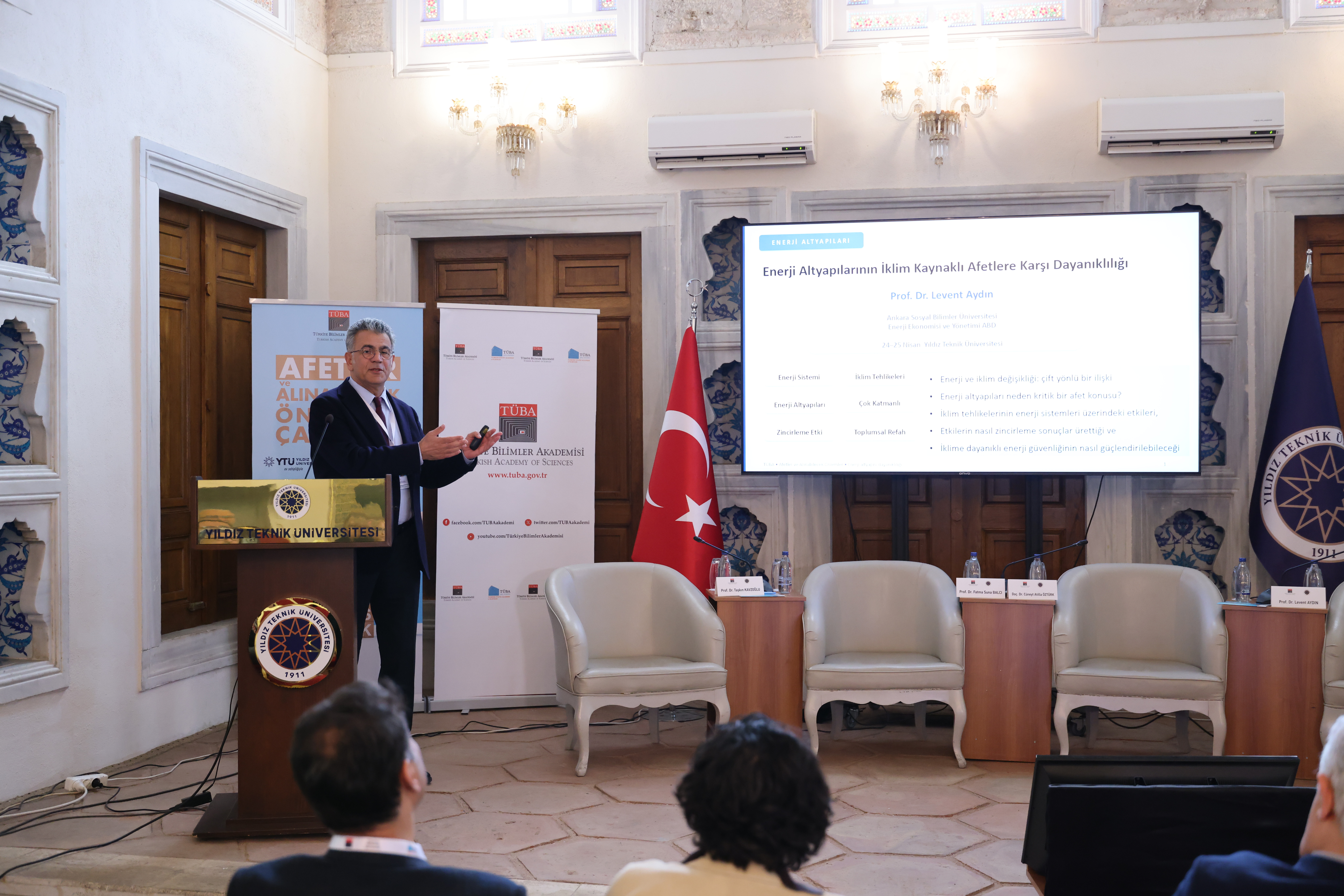
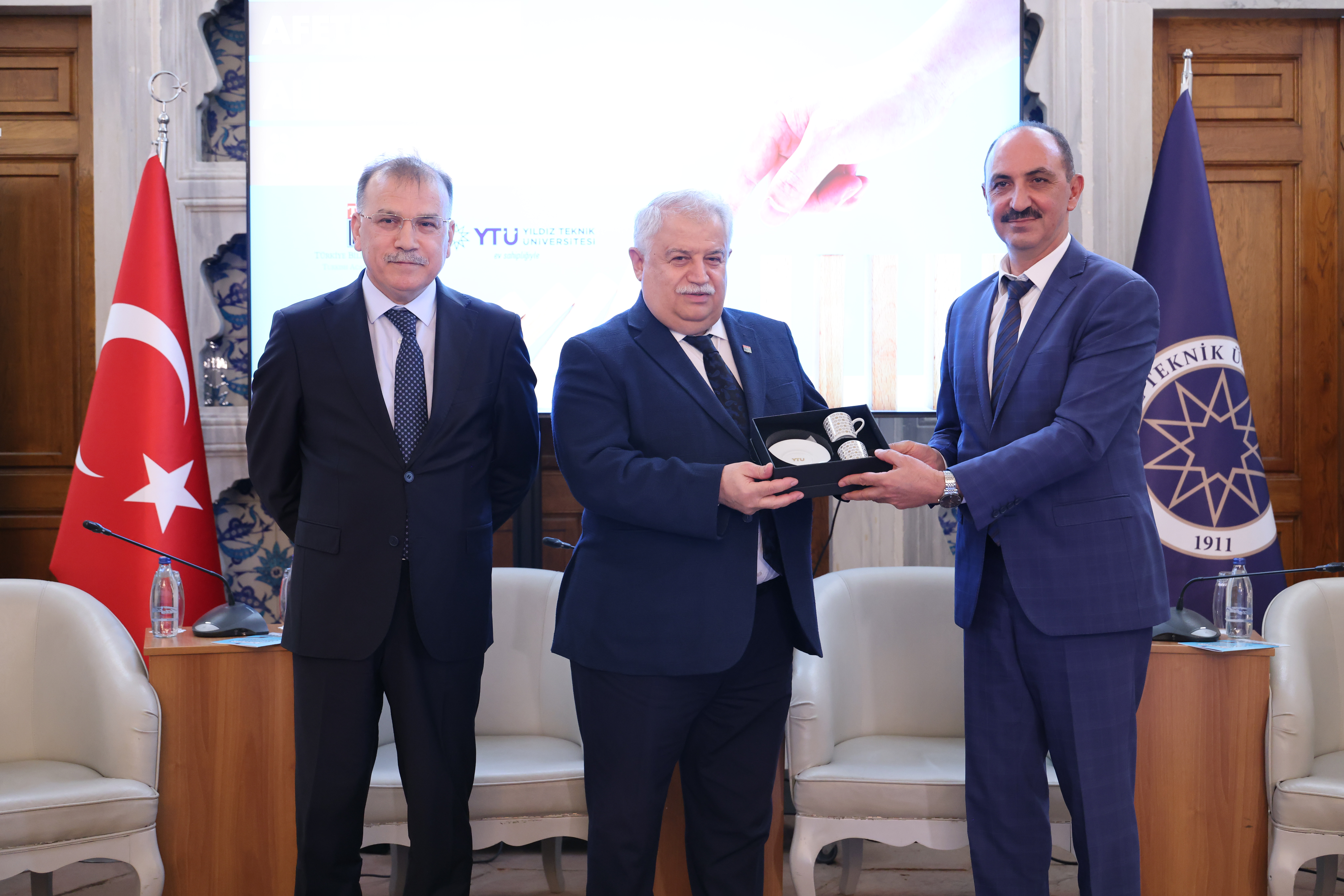
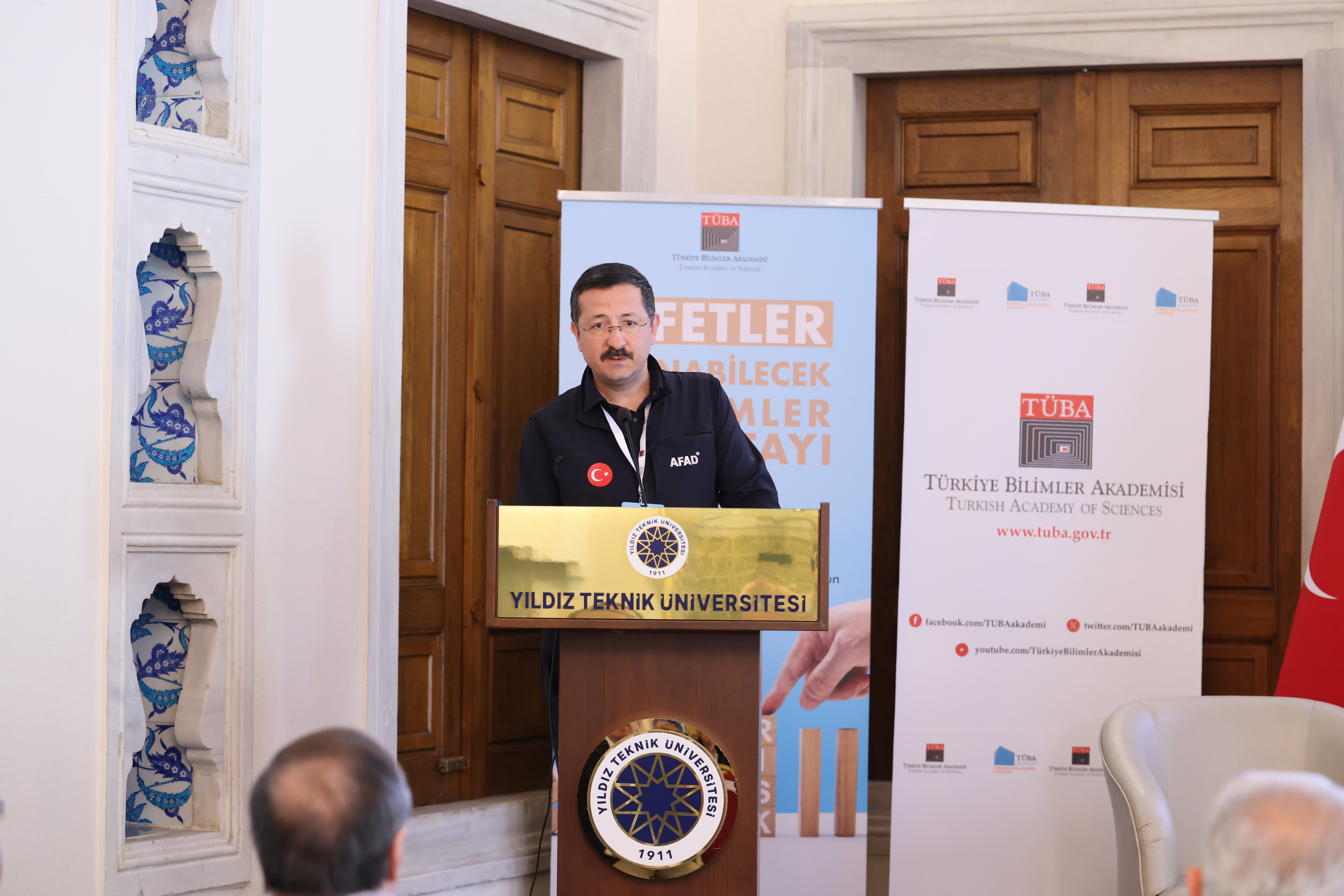
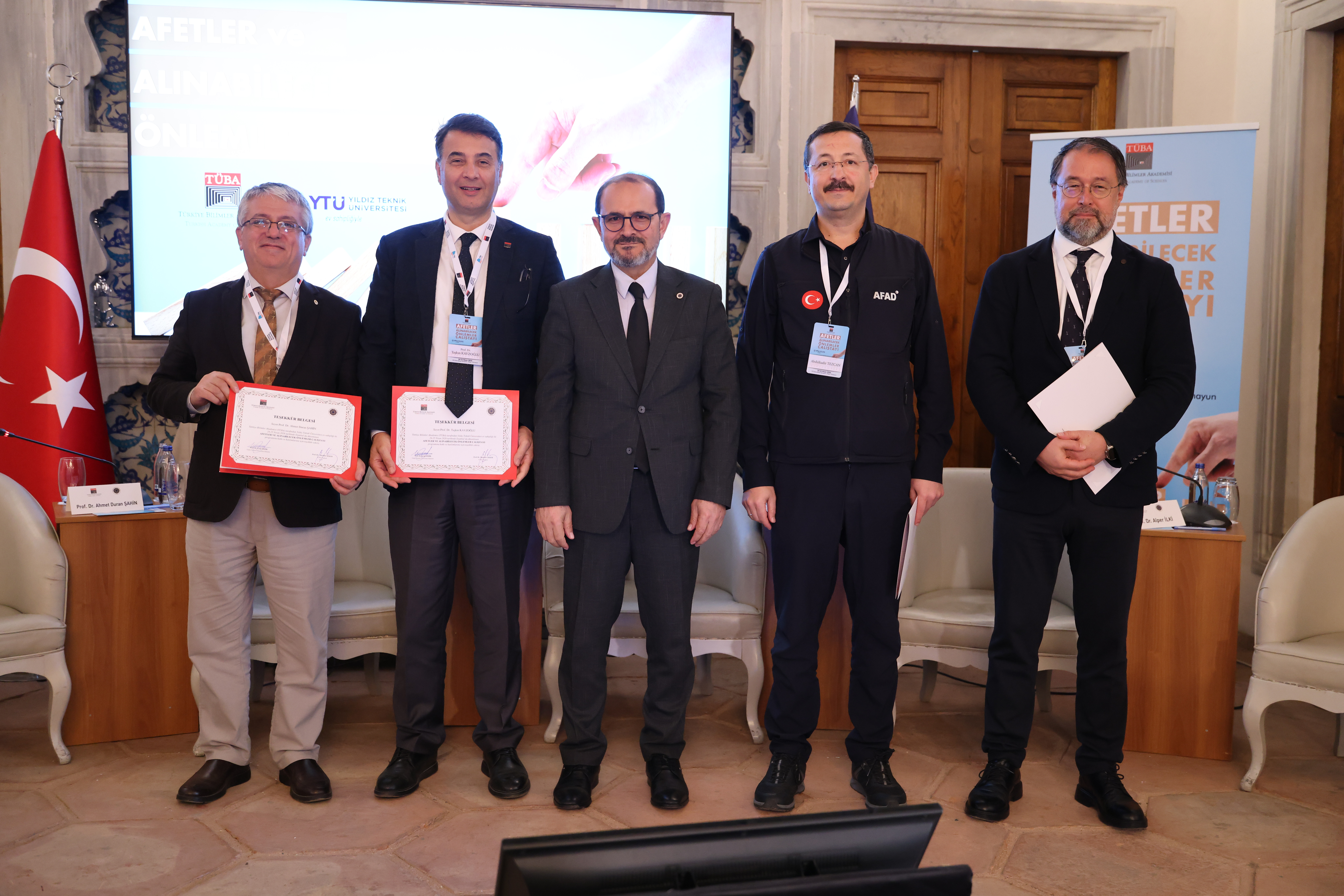
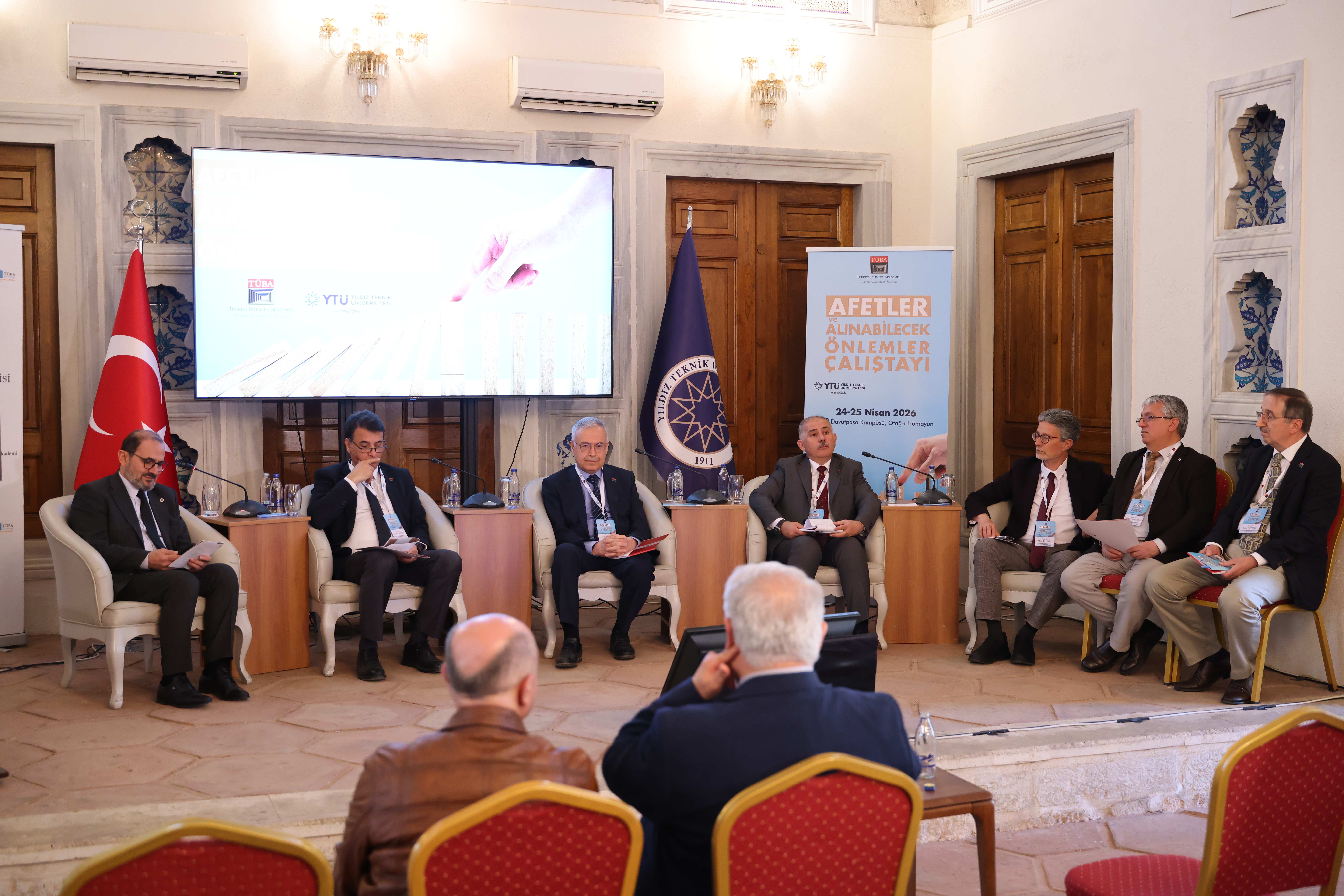
The workshop featured presentations aimed at building a safer and more resilient society, discussing roadmaps for steps to be taken before, during, and after disasters. Held over six sessions, the workshop saw leading experts in the field discuss past disasters and the current situation. Science-based approaches to enhancing Türkiye’s resilience to disasters were examined through an interdisciplinary lens. The first day of the program was attended by Istanbul Deputy Governor Hasan Gözen, TÜBA President Prof. Dr. Muzaffer Şeker, YTÜ Rector Prof. Dr. Eyüp Debik, Uşak University Rector Prof. Dr. Ahmet Demir, as well as experts in the field and representatives from relevant institutions.
Disasters Are Not a Matter of Fate
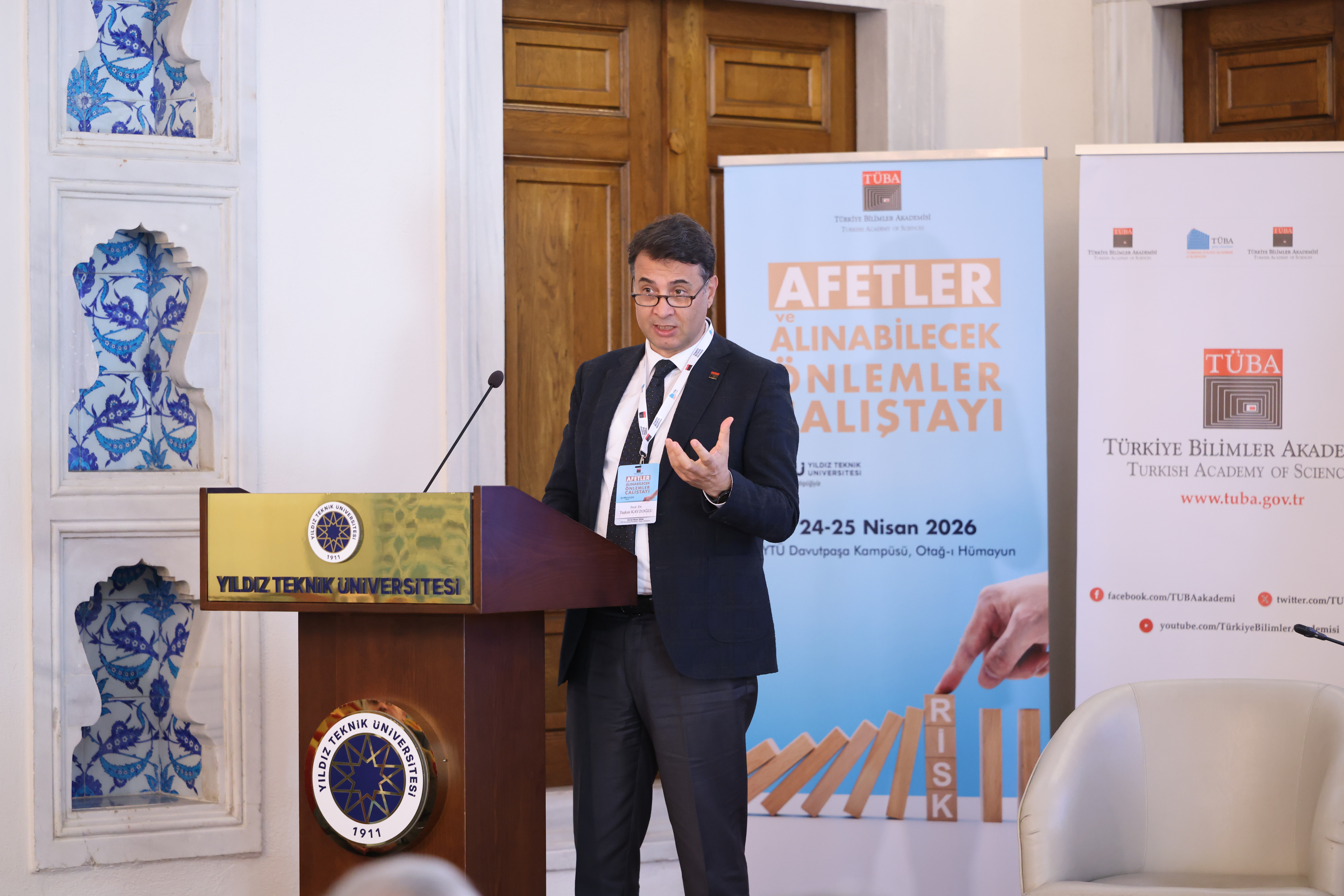
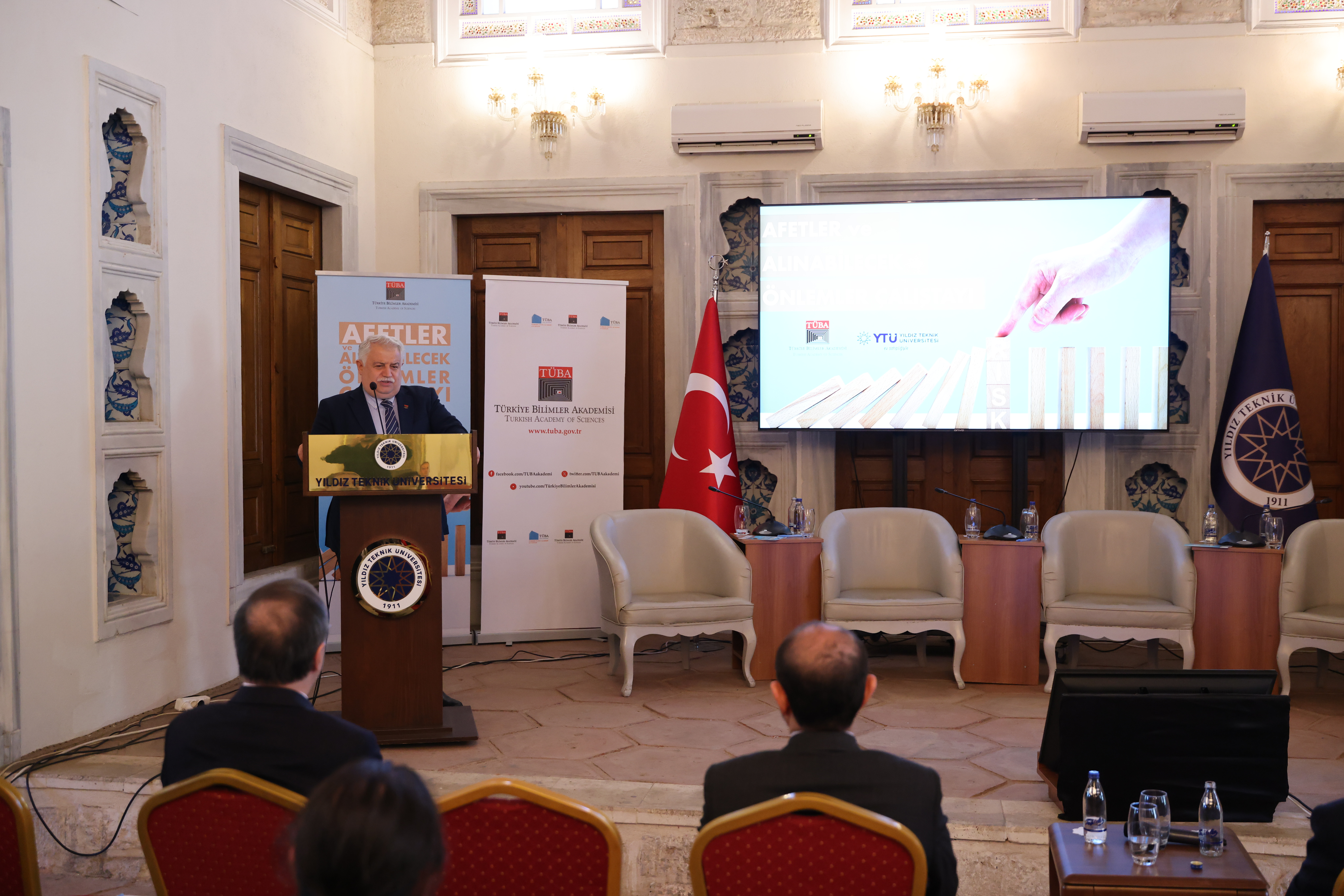
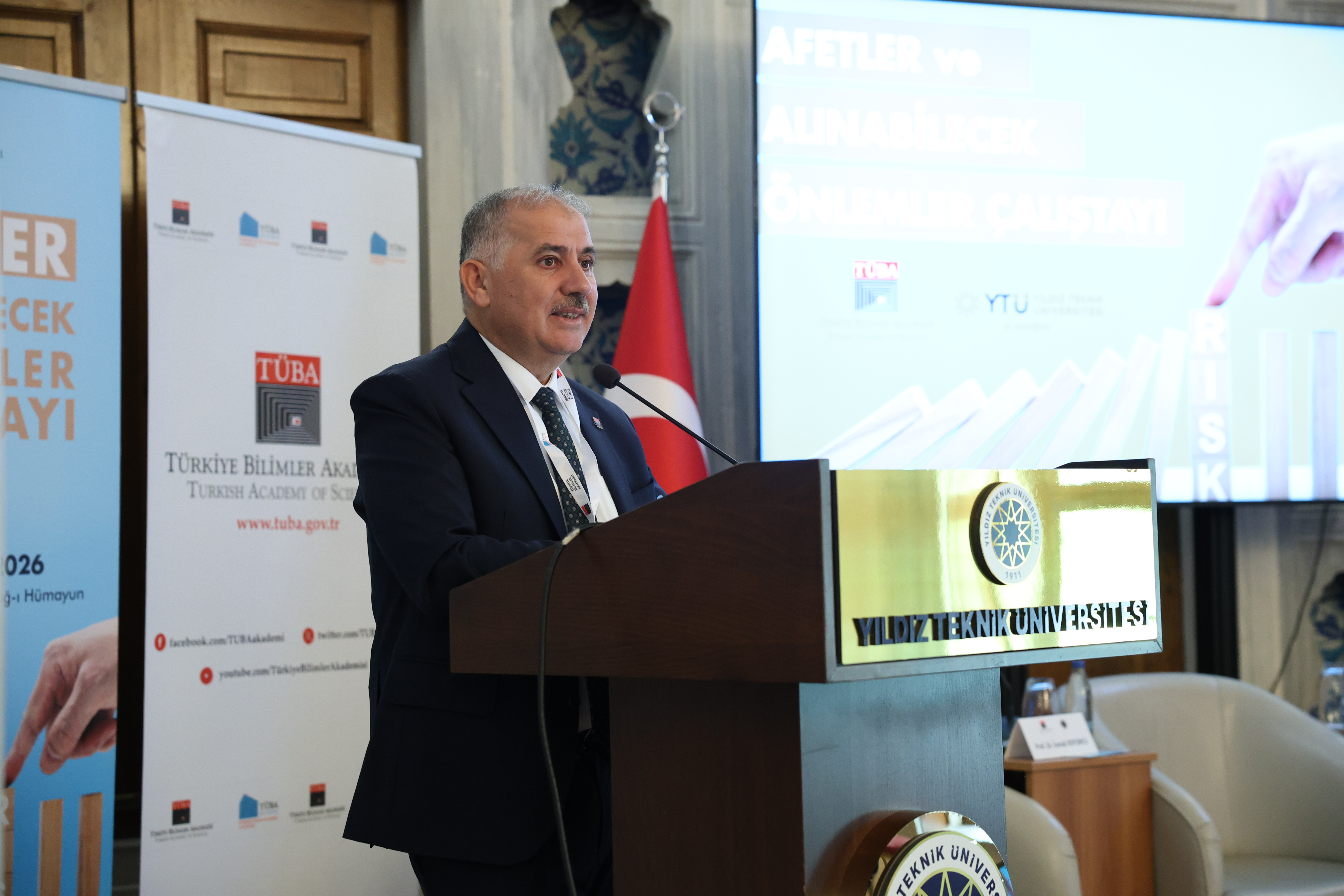
President Prof. Dr. Muzaffer Şeker noted that the “Workshop on Disasters and Preventive Measures” provided an important platform for the multidimensional assessment of disaster risks and the development of solution-oriented policy recommendations. Prof. Dr. Şeker said, “We examined in detail the crises and disaster situations that unfolded following the February 6 earthquake, particularly that event, from an interdisciplinary perspective, and discussed the steps that need to be taken for the future. We addressed these issues across six sessions. At the workshop, we evaluated a wide range of topics, from technological and industrial risks to the resilience of critical infrastructure, from the humanitarian and psychosocial dimensions of disasters to their economic impacts, and from AI-supported analyses to policy design and media policies. Through these multidisciplinary studies, we aim to guide policymakers as well. We have previously reported on studies addressing social issues alongside topics such as climate change, environmental problems, and food security. With the report to be produced at the conclusion of this study, we aim to enhance our social resilience. Disasters are not a matter of fate, and a science-based, holistic approach to addressing them is now an urgent necessity. Here, we have brought together numerous academics, researchers, and institutional representatives from various disciplines. There are many measures that can be taken and policies that can be developed under the guidance of science. We must now take precautions against disasters; we are constantly paying the price. “First, we must put a stop to loss of life; the costs brought by disasters are many times greater than the budget we will allocate for the measures we take. As the scientific community, we are aware of our responsibility. We believe that the roadmap we will present will contribute to our country achieving a more resilient structure against disasters,” he said.
Special Emphasis on Technological and Industrial Risks
The implementation of the Regulation on the Control of Major Industrial Accidents (BEKRA) and Türkiye’s compliance with SEVESO were discussed in detail. The causes of mining accidents, necessary precautions, and early warning and evacuation systems were examined from the perspectives of various scientific disciplines. The causes of disruptions in energy, communication, and transportation infrastructure—the most common issues encountered during disasters—were evaluated. Steps required to become more resilient to disasters were assessed in the context of chemical dispersion and waste management.
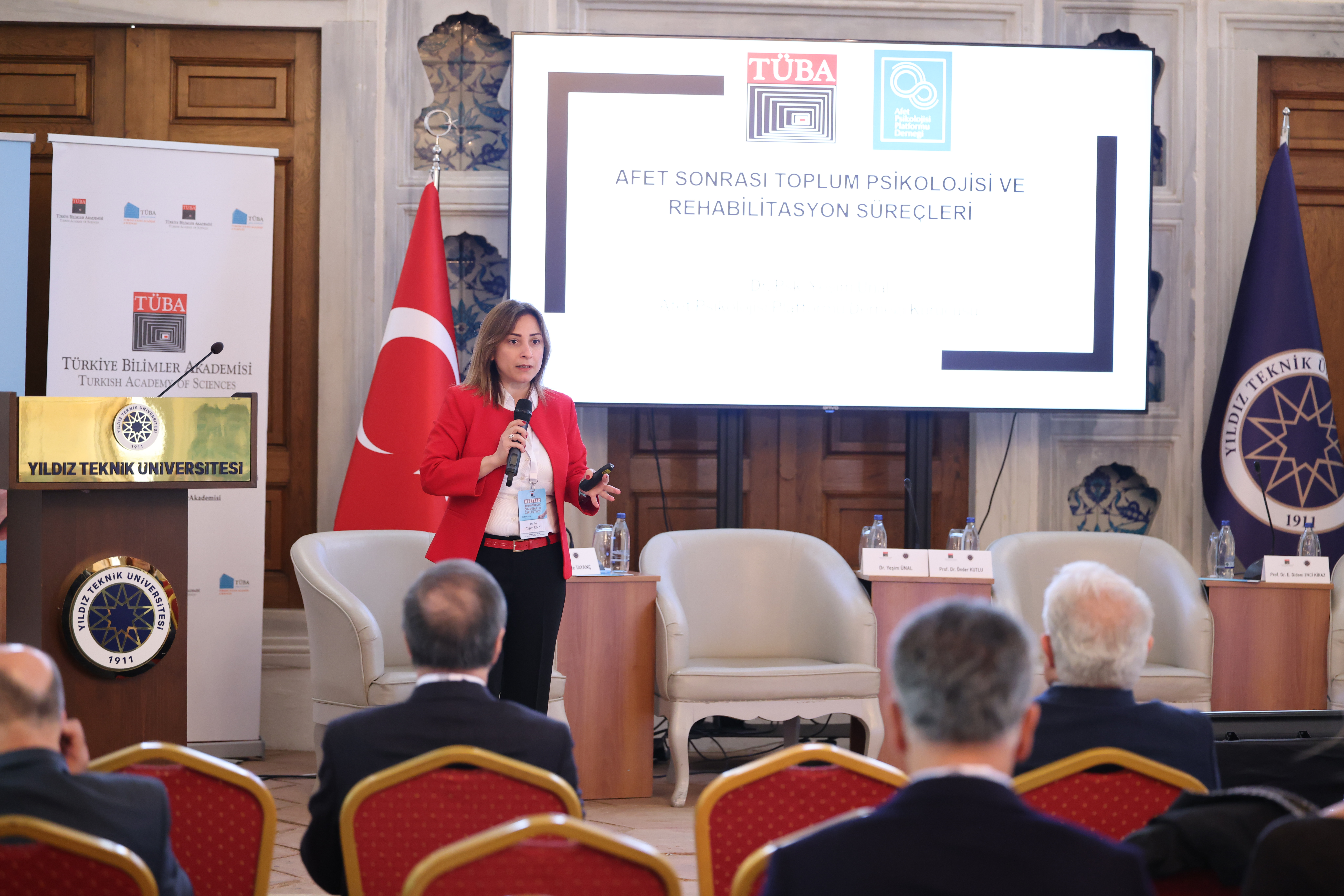
The Importance of Post-Disaster Rehabilitation Was Emphasized
Attention was drawn to the management of social psychology after disasters, the steps taken and those that need to be taken to heal the wounds, and the management of social resilience and risk perception. It was emphasized that awareness regarding DASK and insurance must be raised. The current situation regarding local and global economic issues arising after disasters, as well as the selection, construction, and safety of residential areas, was discussed. Public health standards were emphasized, and the importance of proper communication and social media management during crises was highlighted. Attention was drawn to how misinformation and disinformation complicate disaster management, and it was stated that a reliable flow of information plays a vital role. It was emphasized that legal regulations in this area are insufficient and that a social media law must be enacted urgently.
The Use of New Technologies in Disaster Preparedness and During Disasters Was Recommended
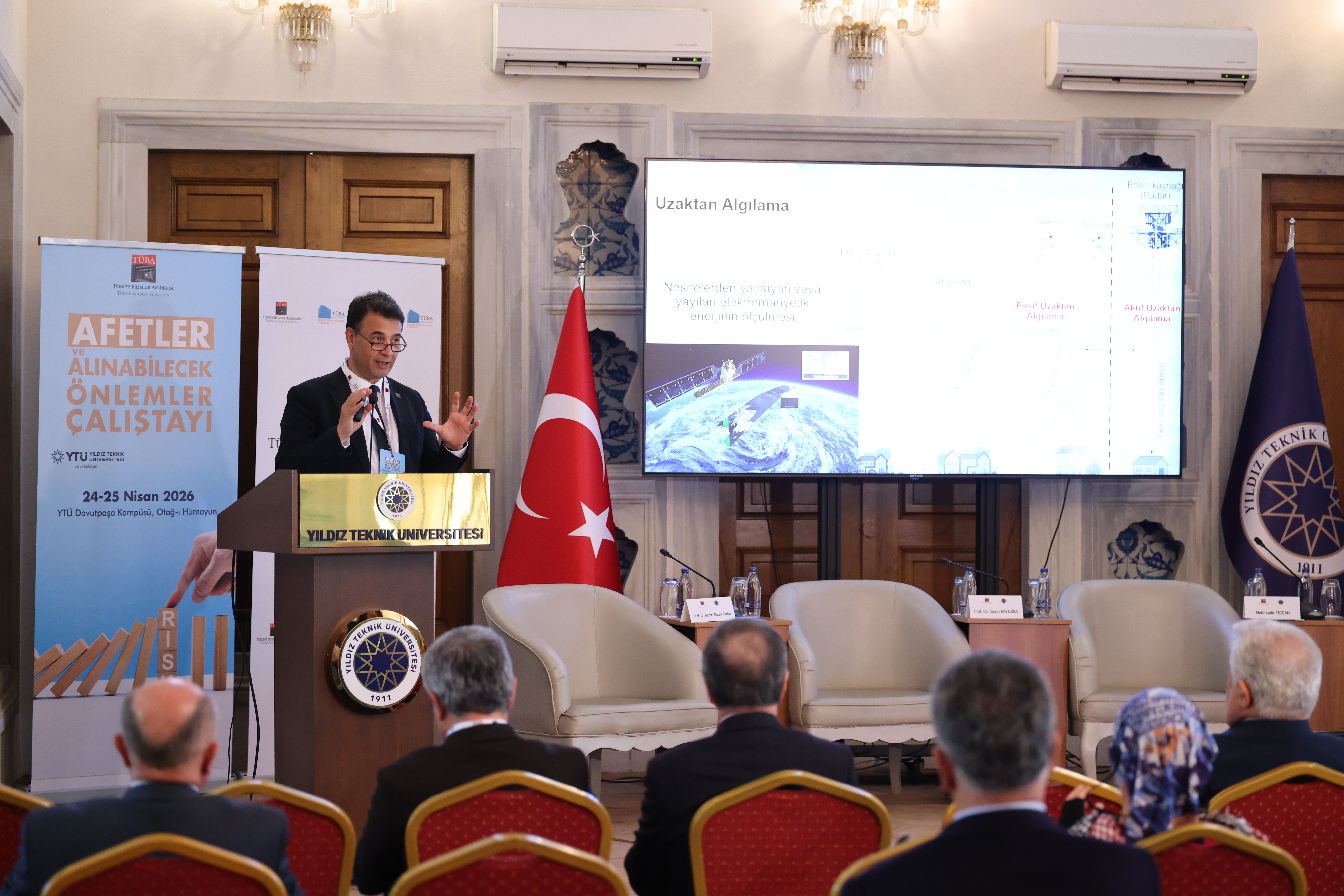
Projections for the future of disaster management were discussed. Particular emphasis was placed on topics such as remote sensing and artificial intelligence integration. While it was noted that disaster analyses could be conducted more quickly and accurately, gaps in current legislation and current needs were evaluated. The importance of developing coordinated disaster risk reduction policies was emphasized. Attention was drawn to collective wisdom and collaboration. There was a consensus that the fight against disasters should focus not only on the crisis moment but also on risk reduction and preparedness processes.
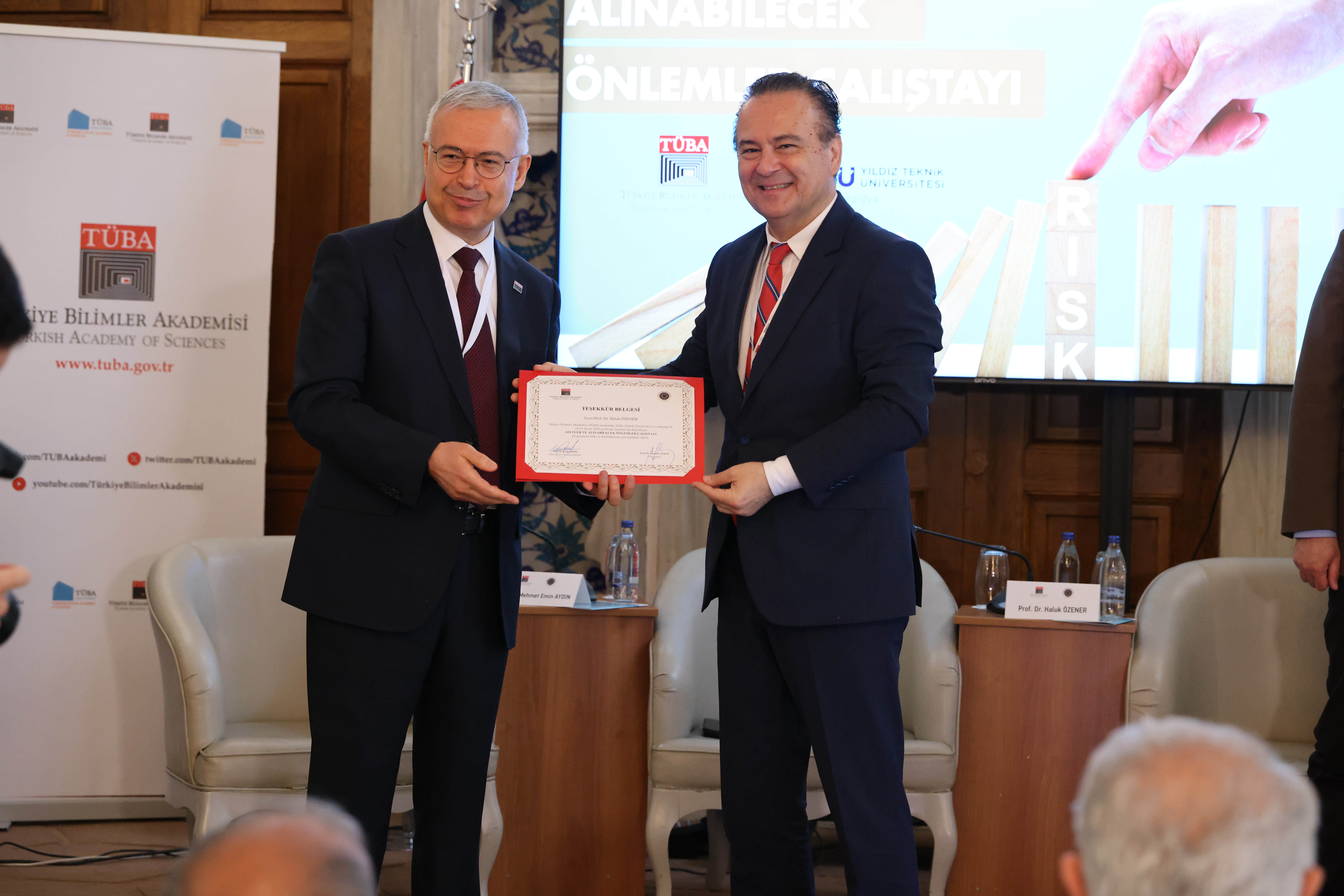
TÜBA and YTÜ officials stated that the workshop outcomes would be documented in a report, shared with relevant institutions, and contribute to policy-making processes.