

The World Science Forum Directing Committee Met in Istanbul
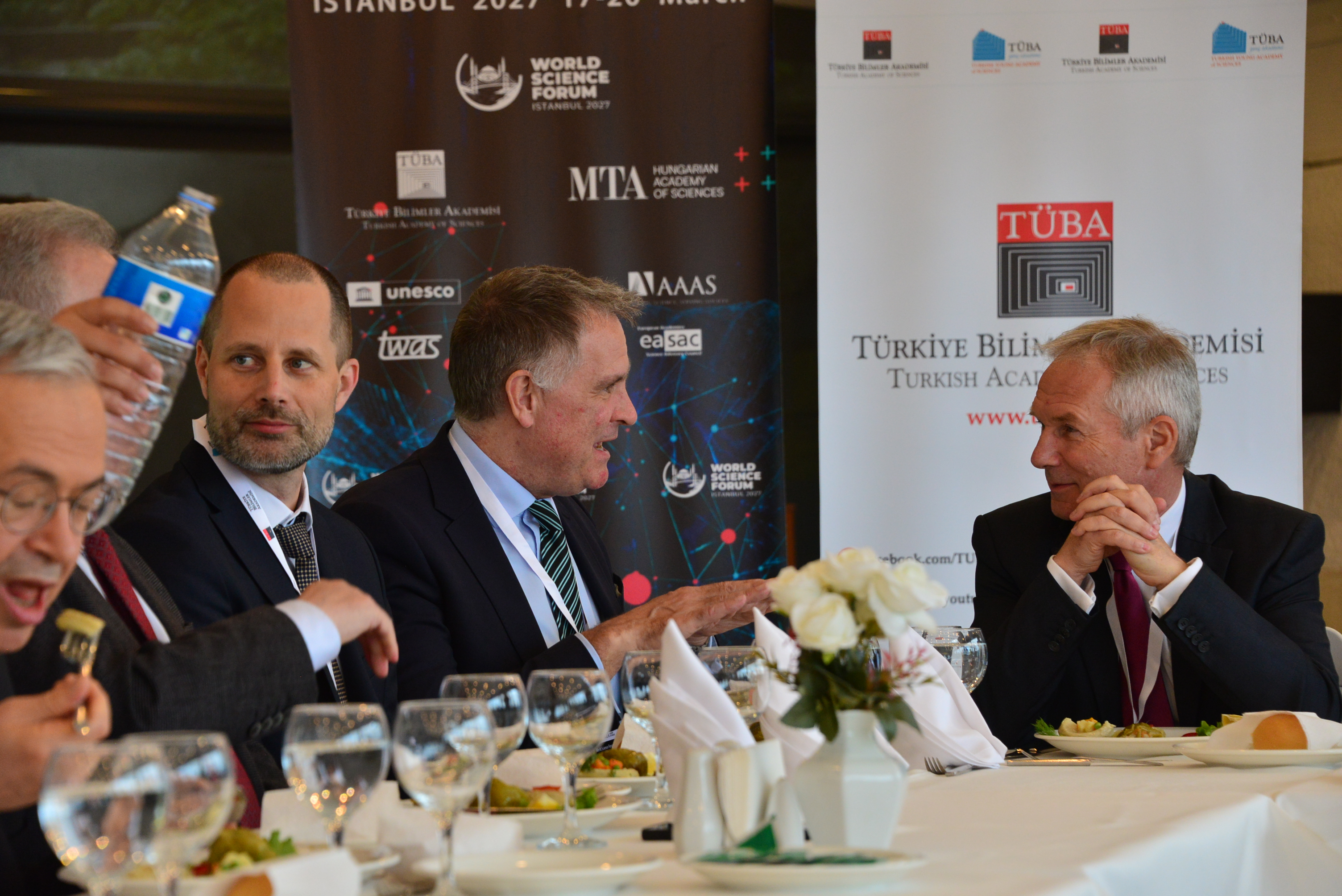
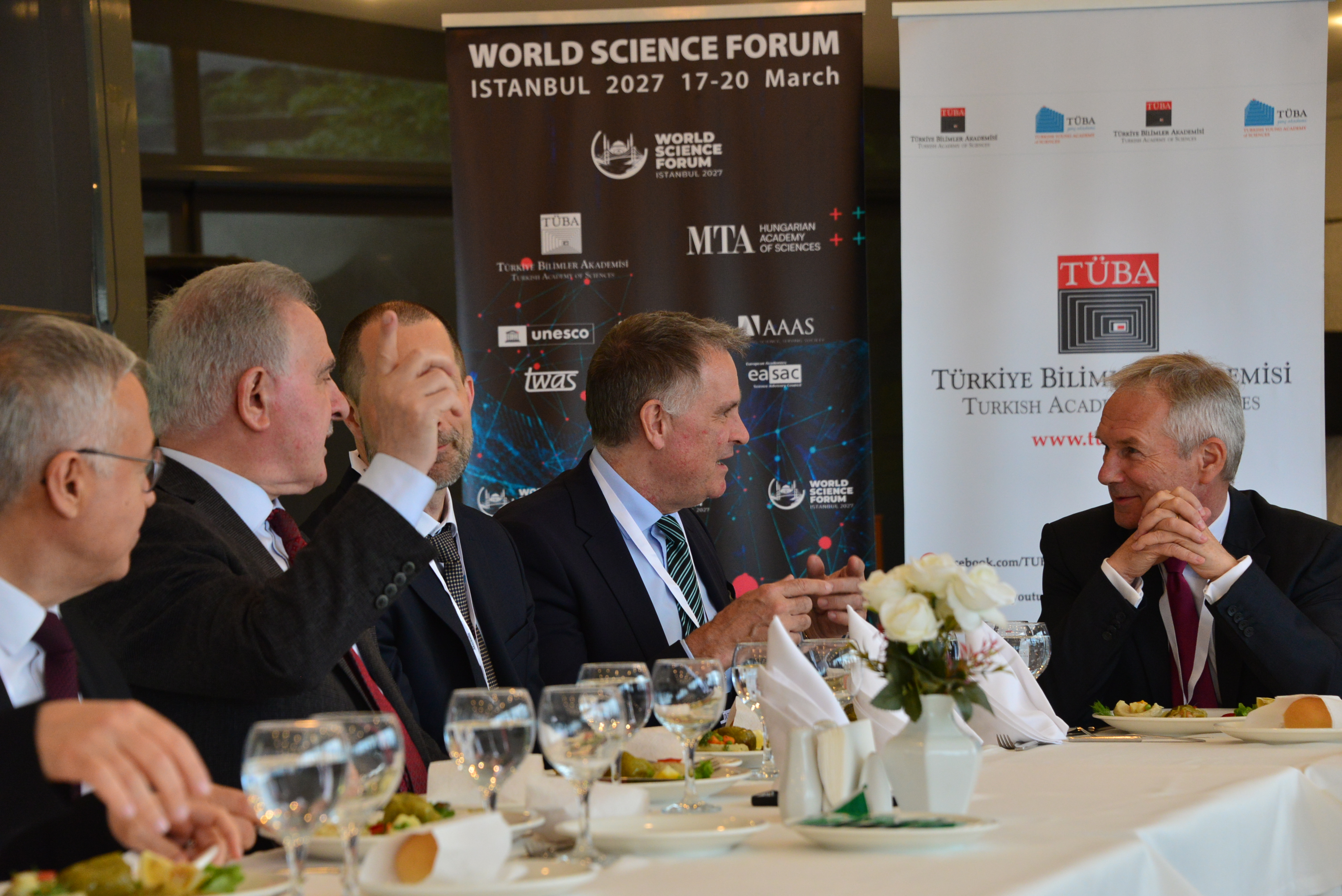
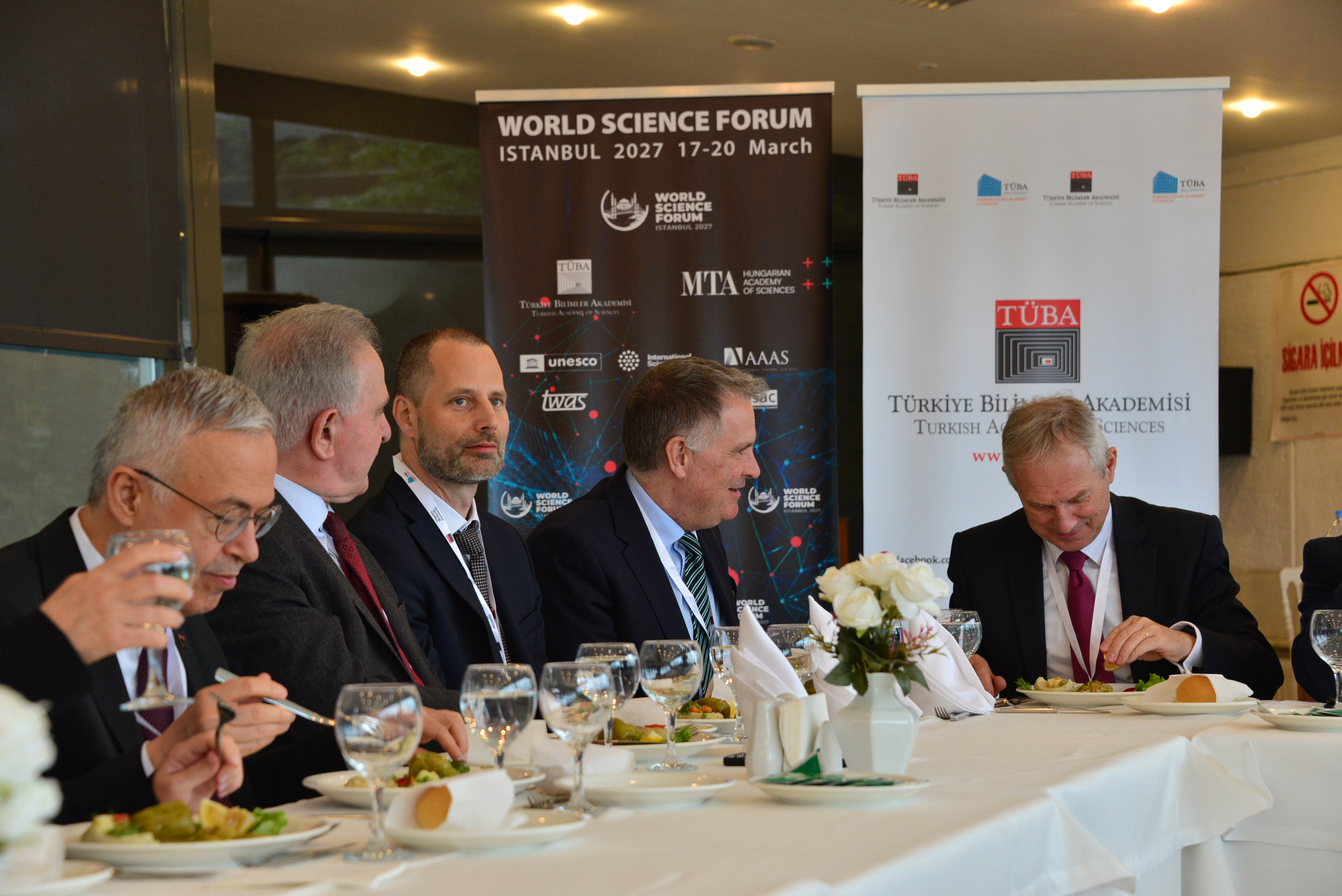
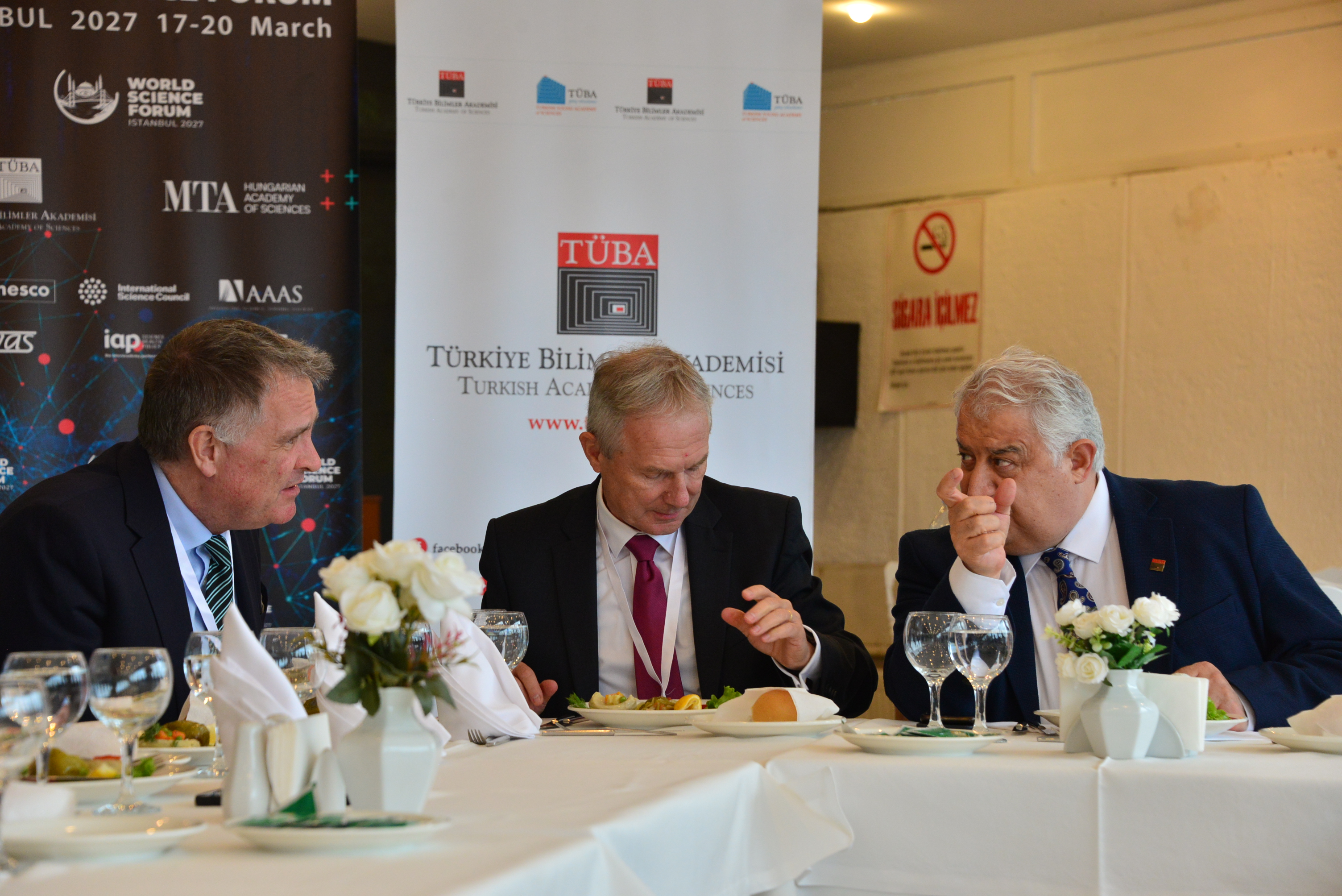
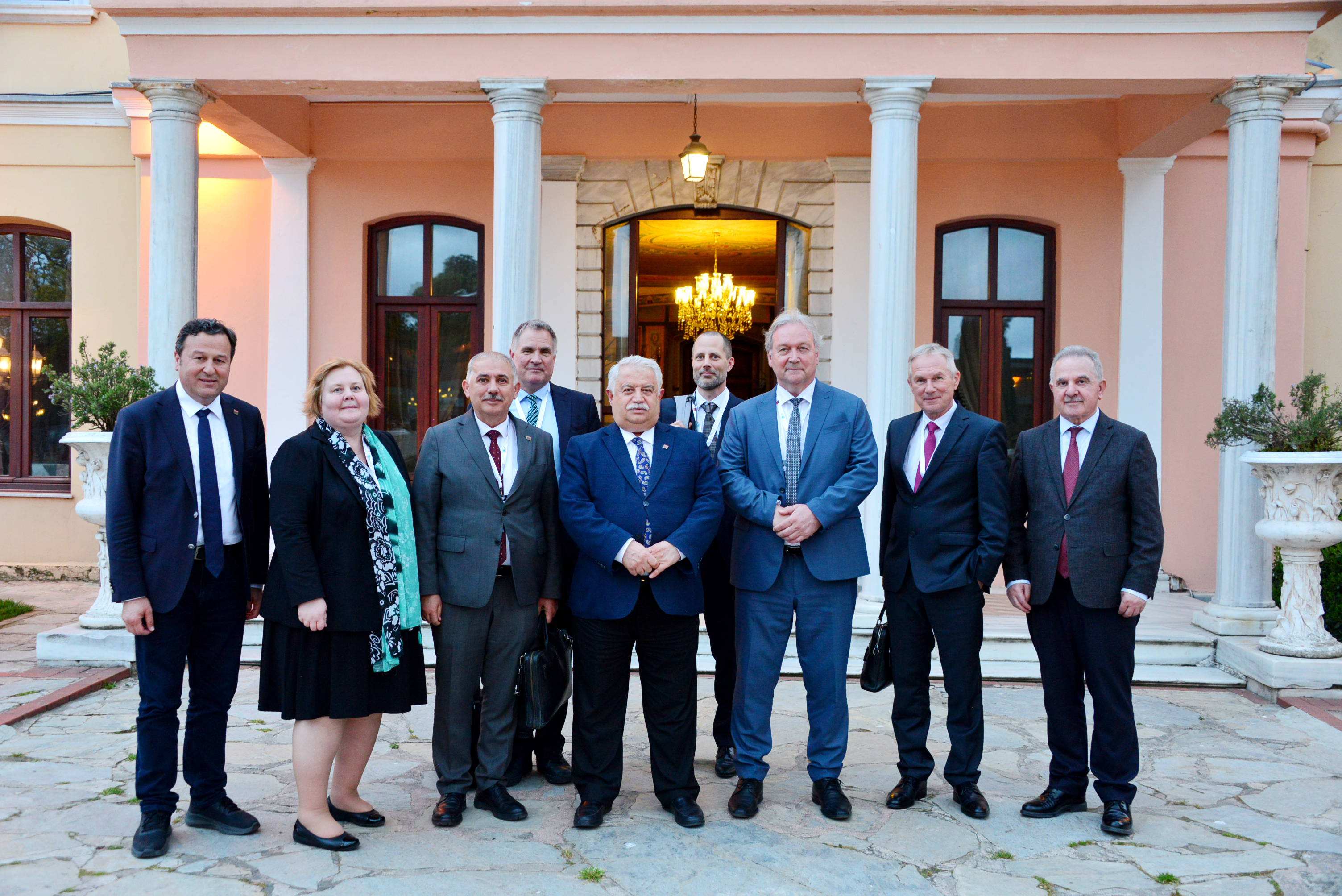
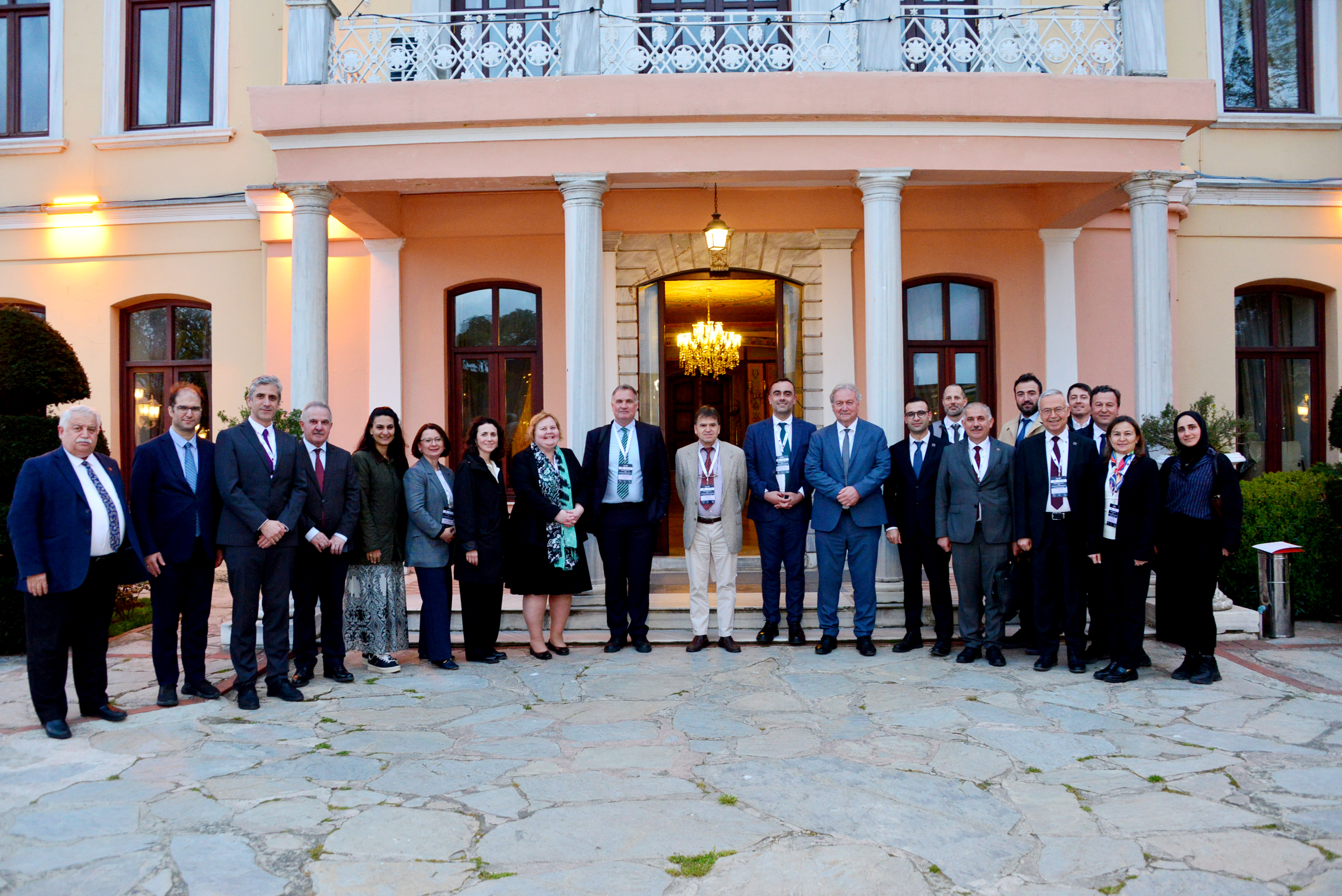
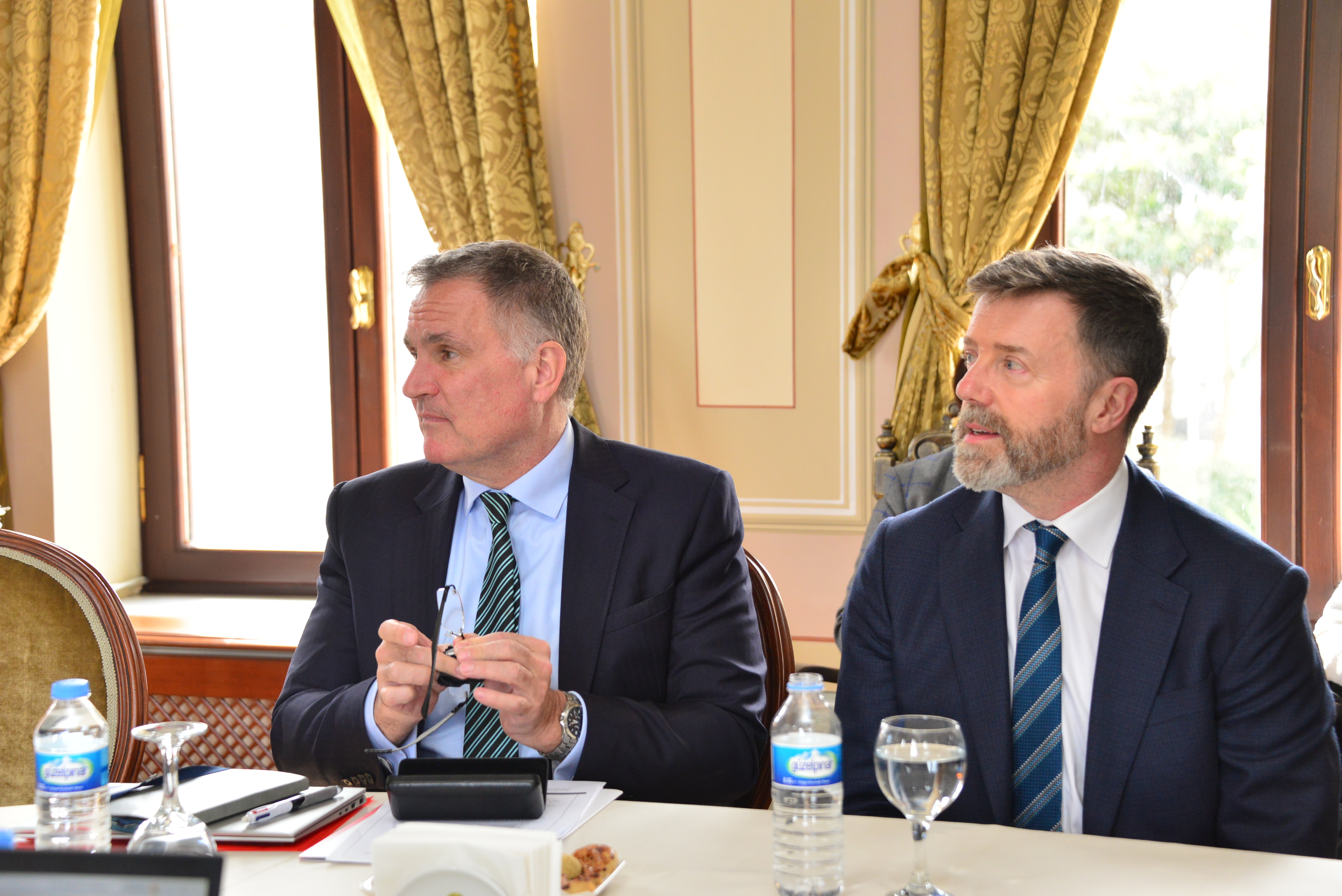
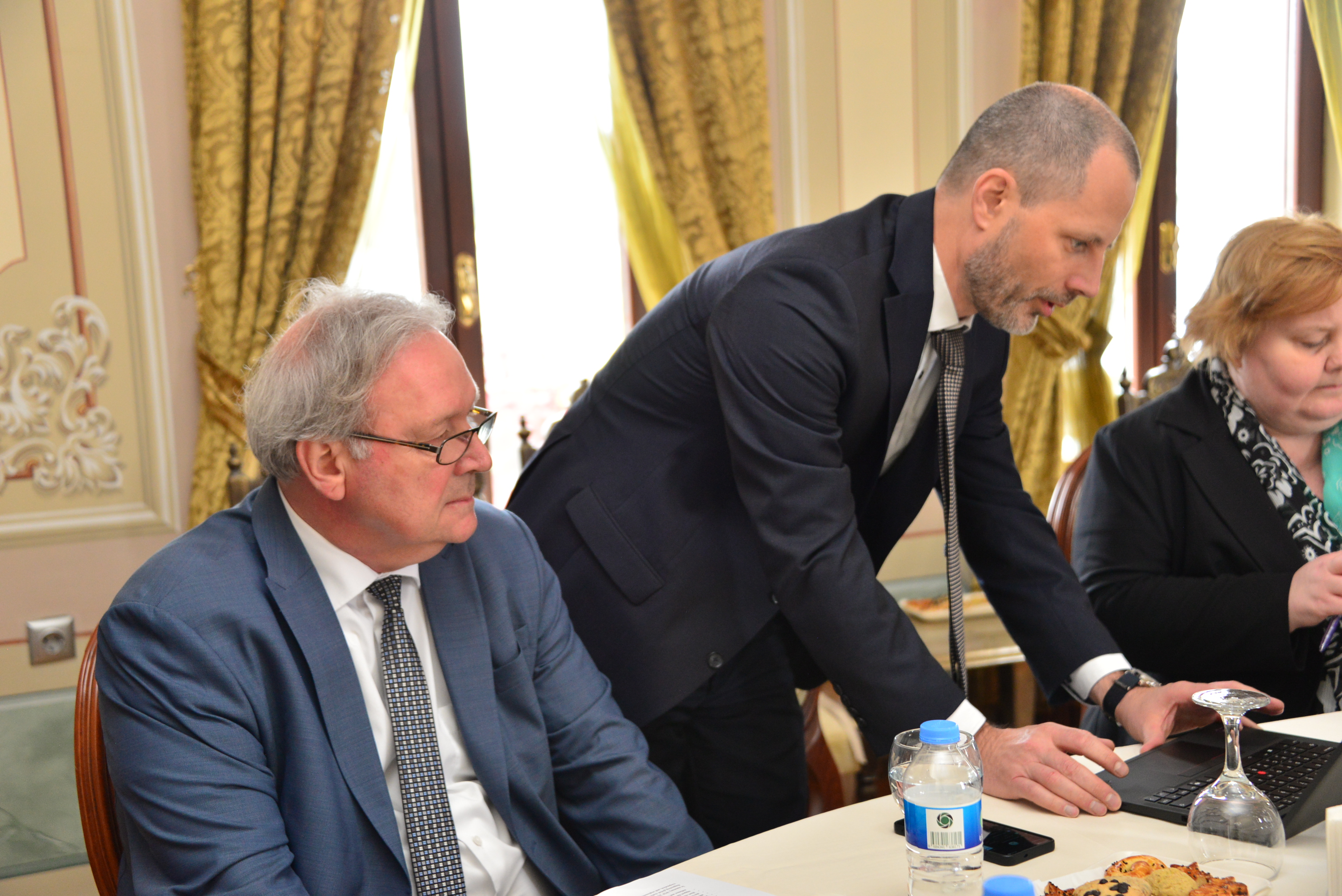
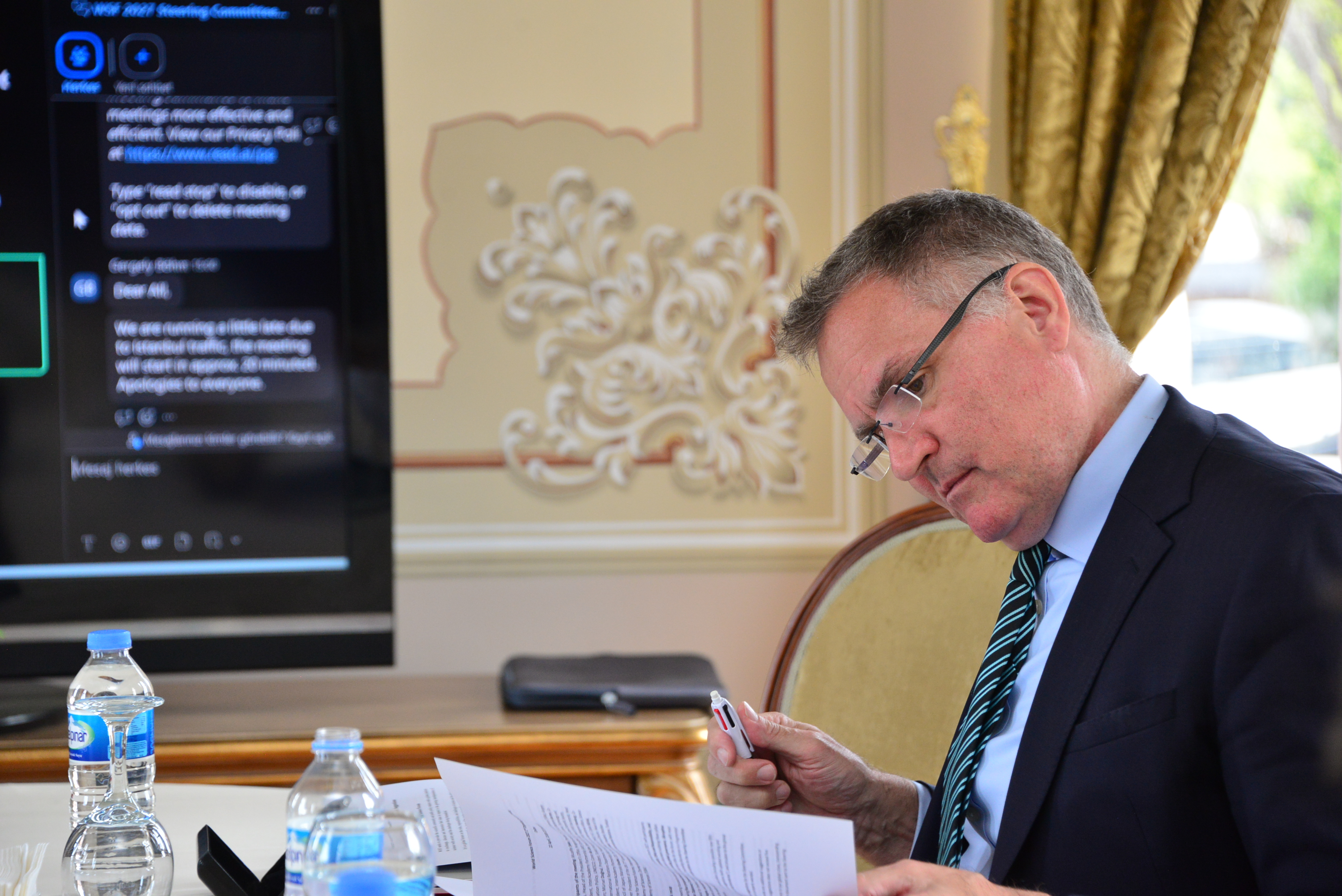
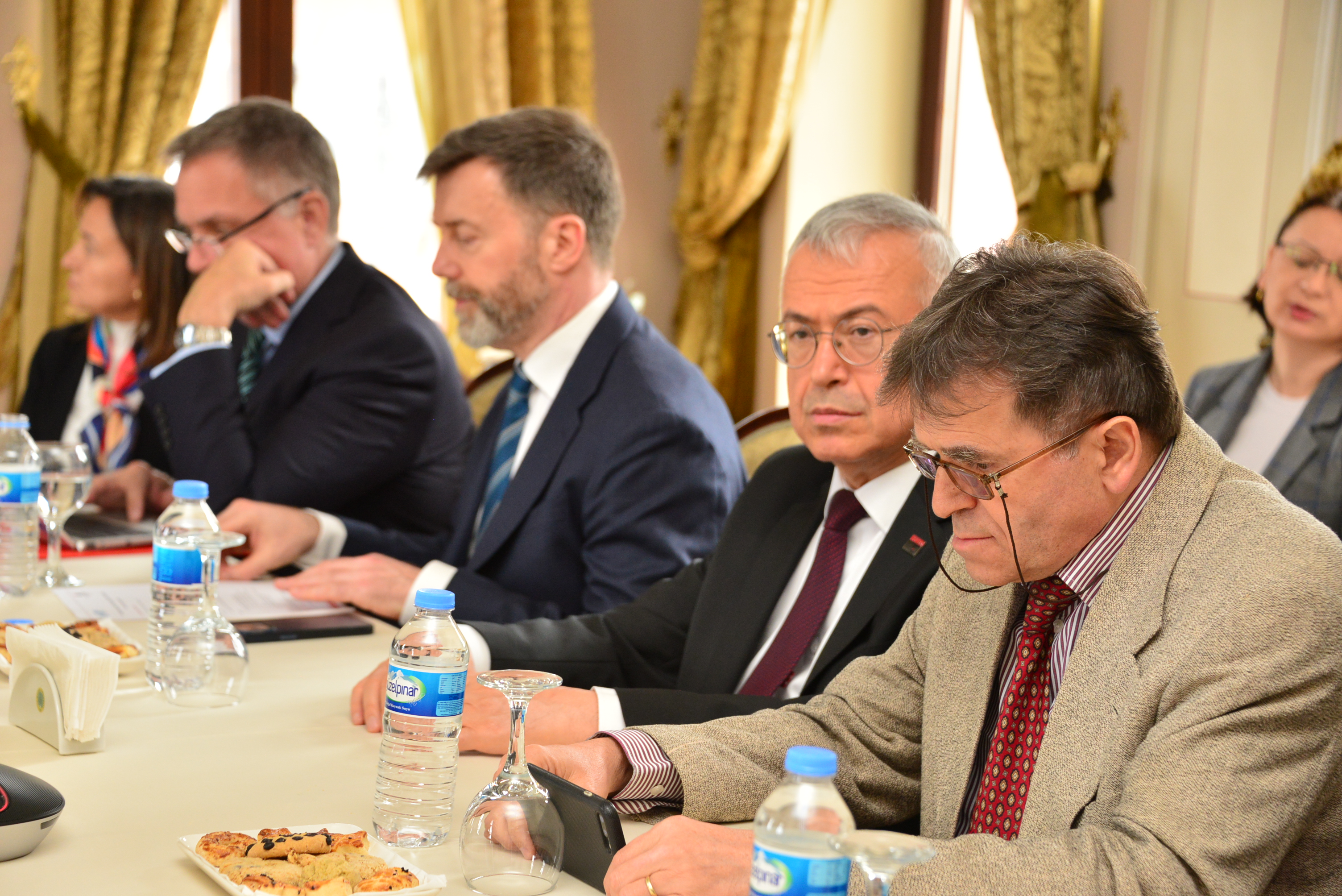
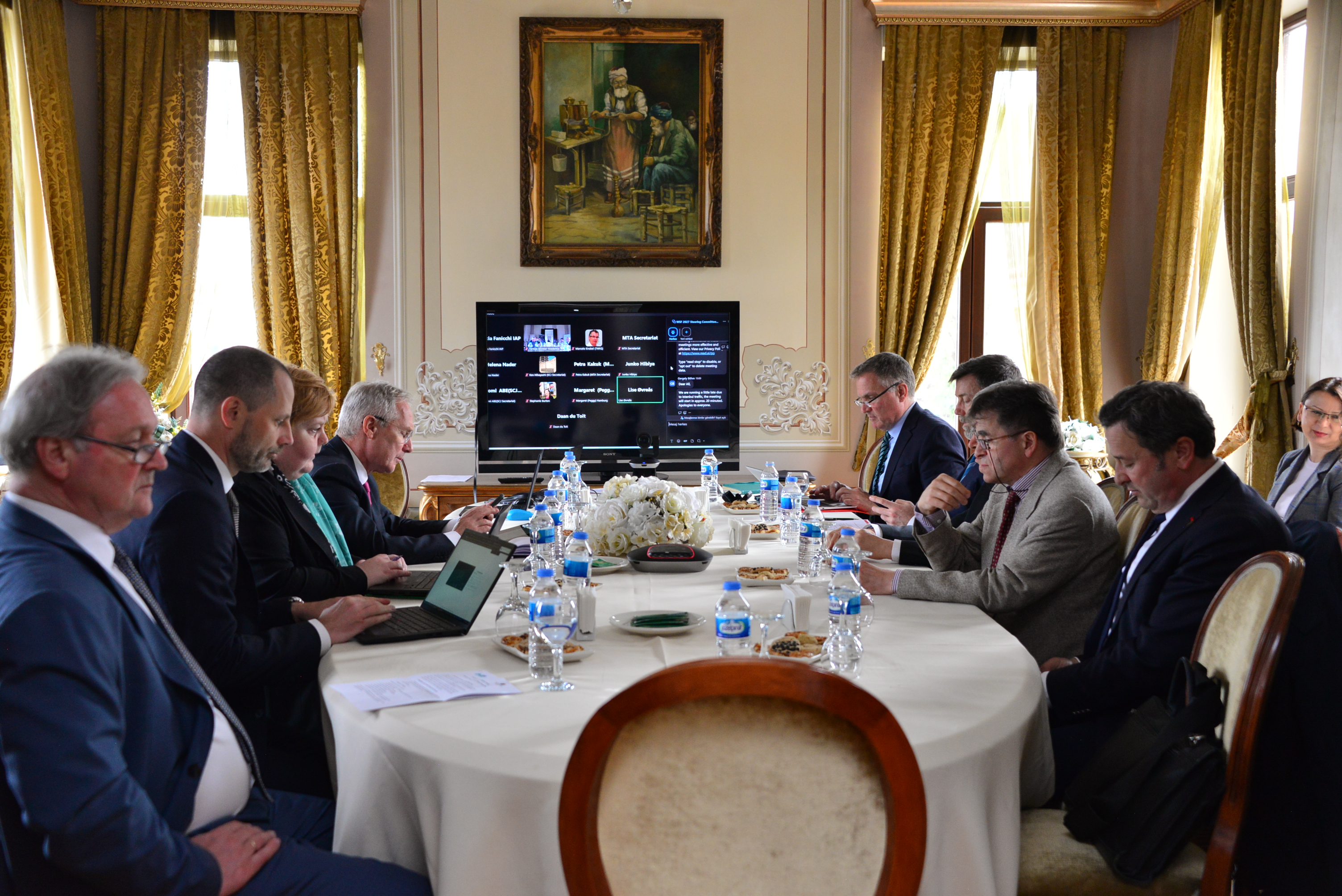
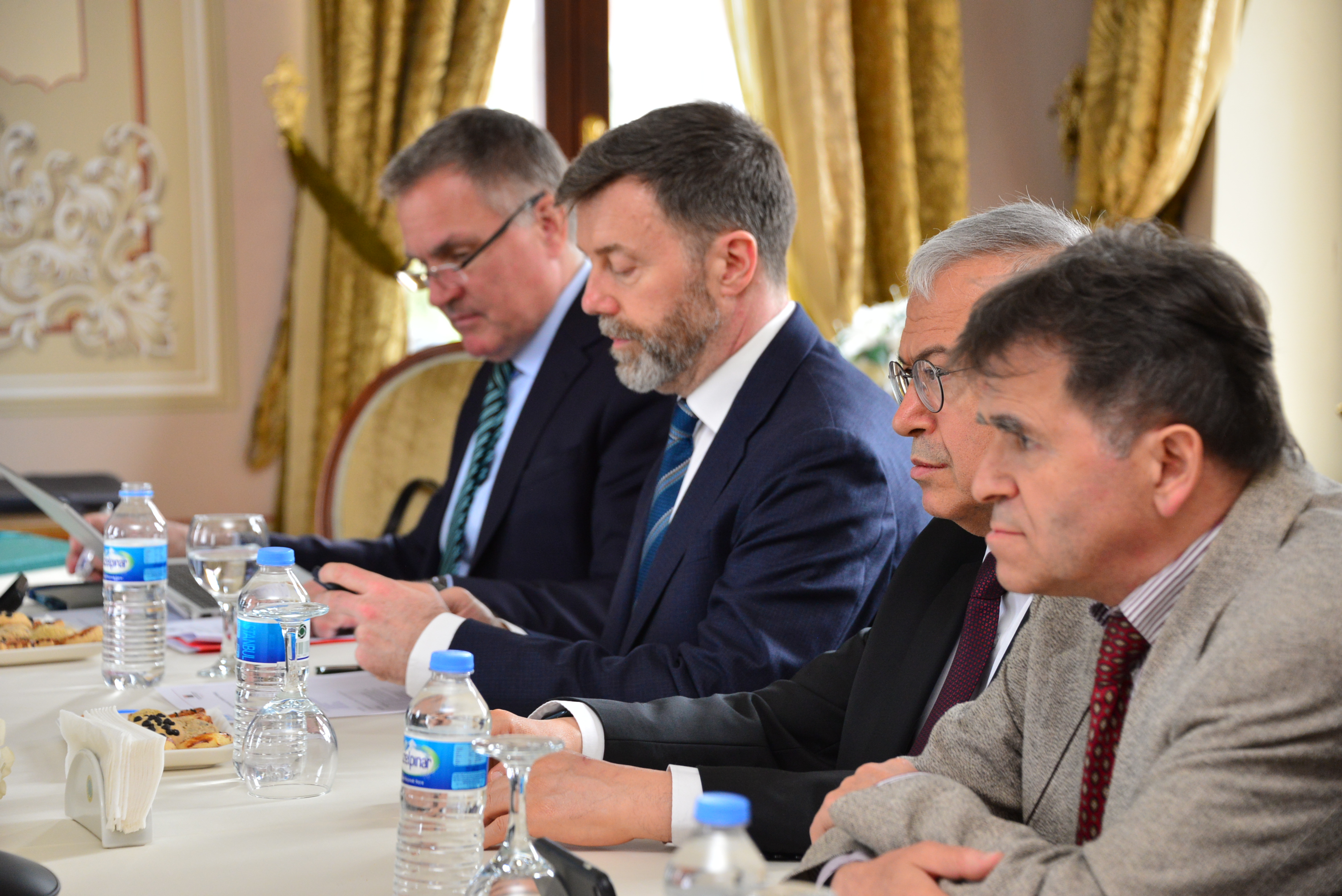
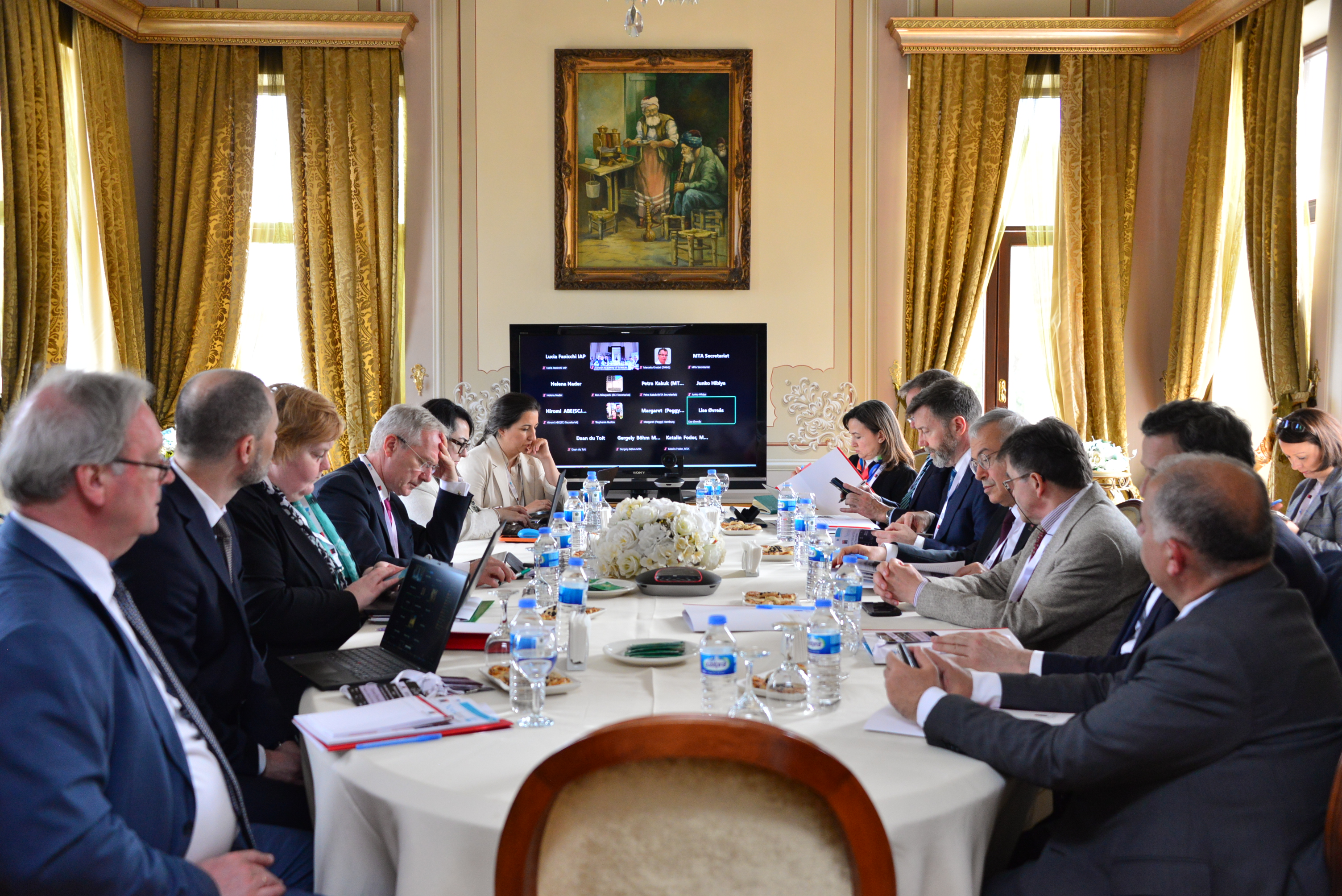
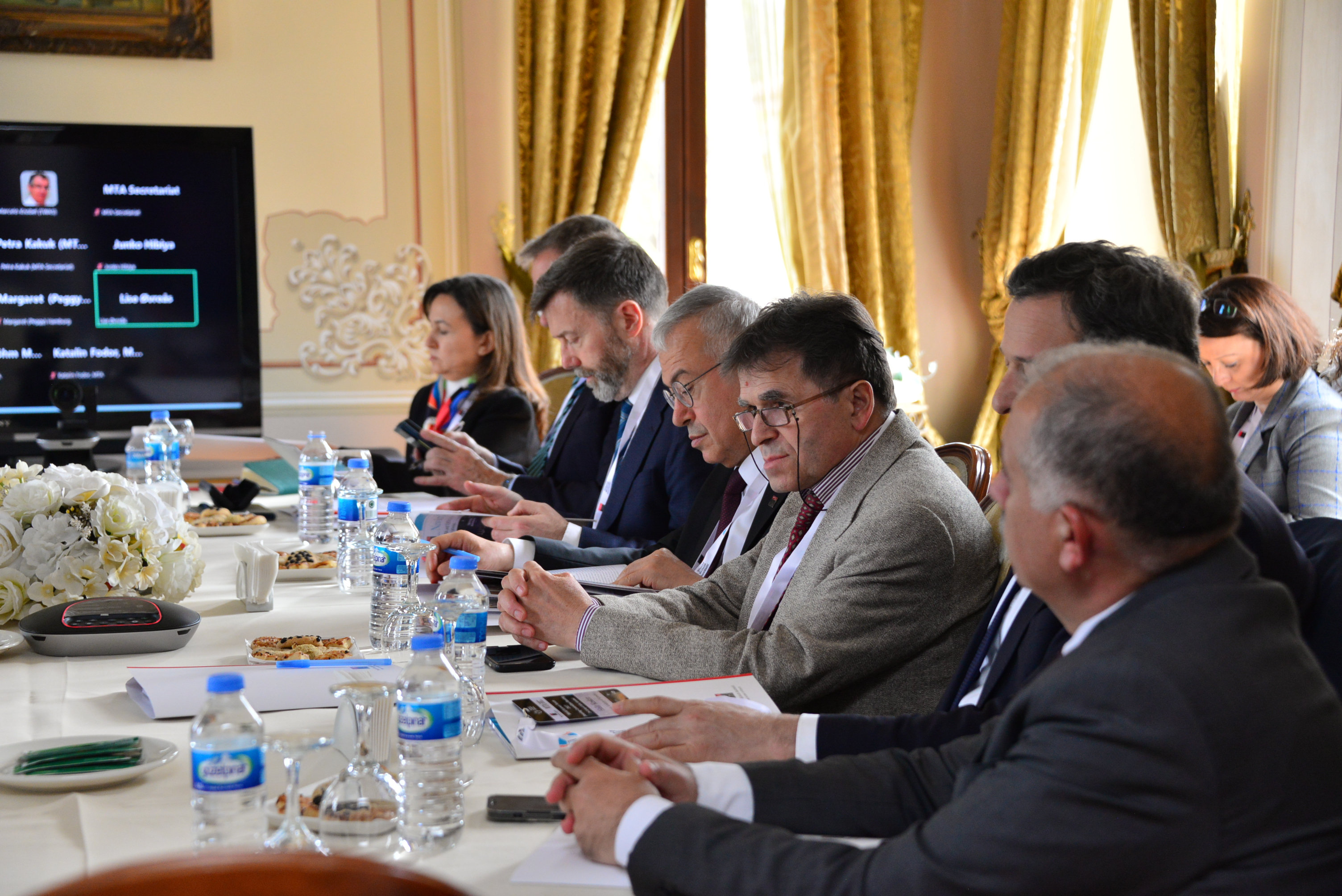
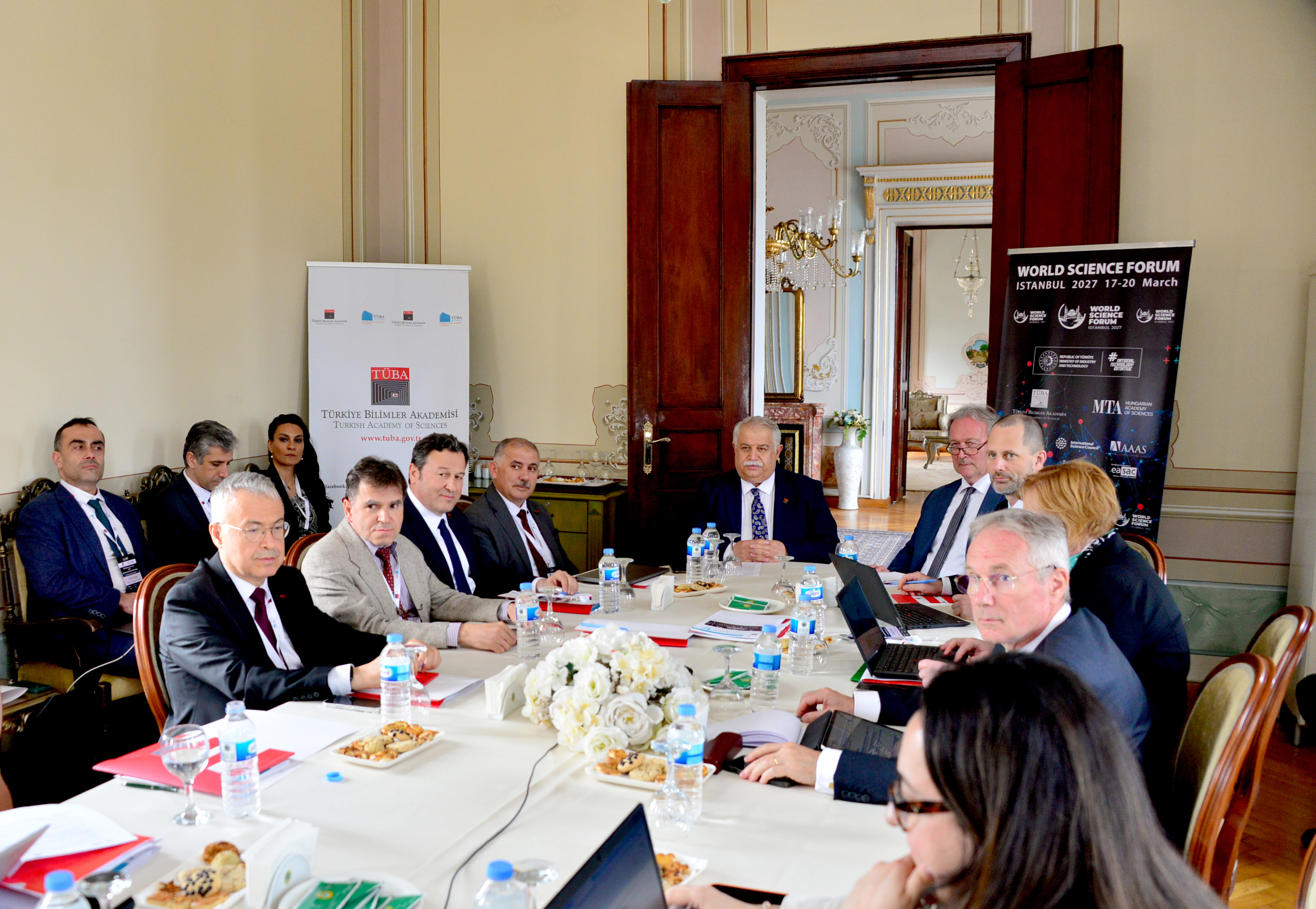
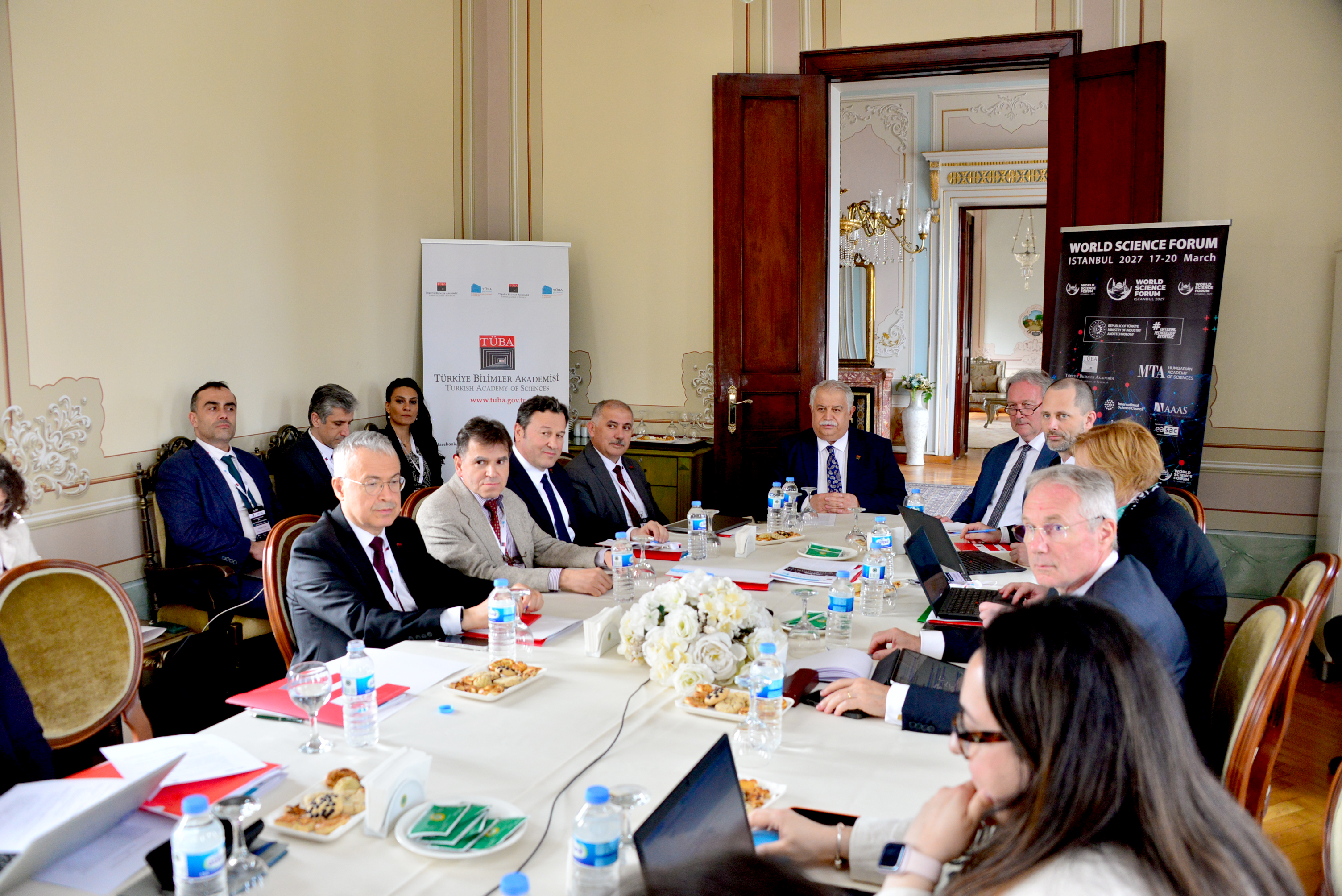
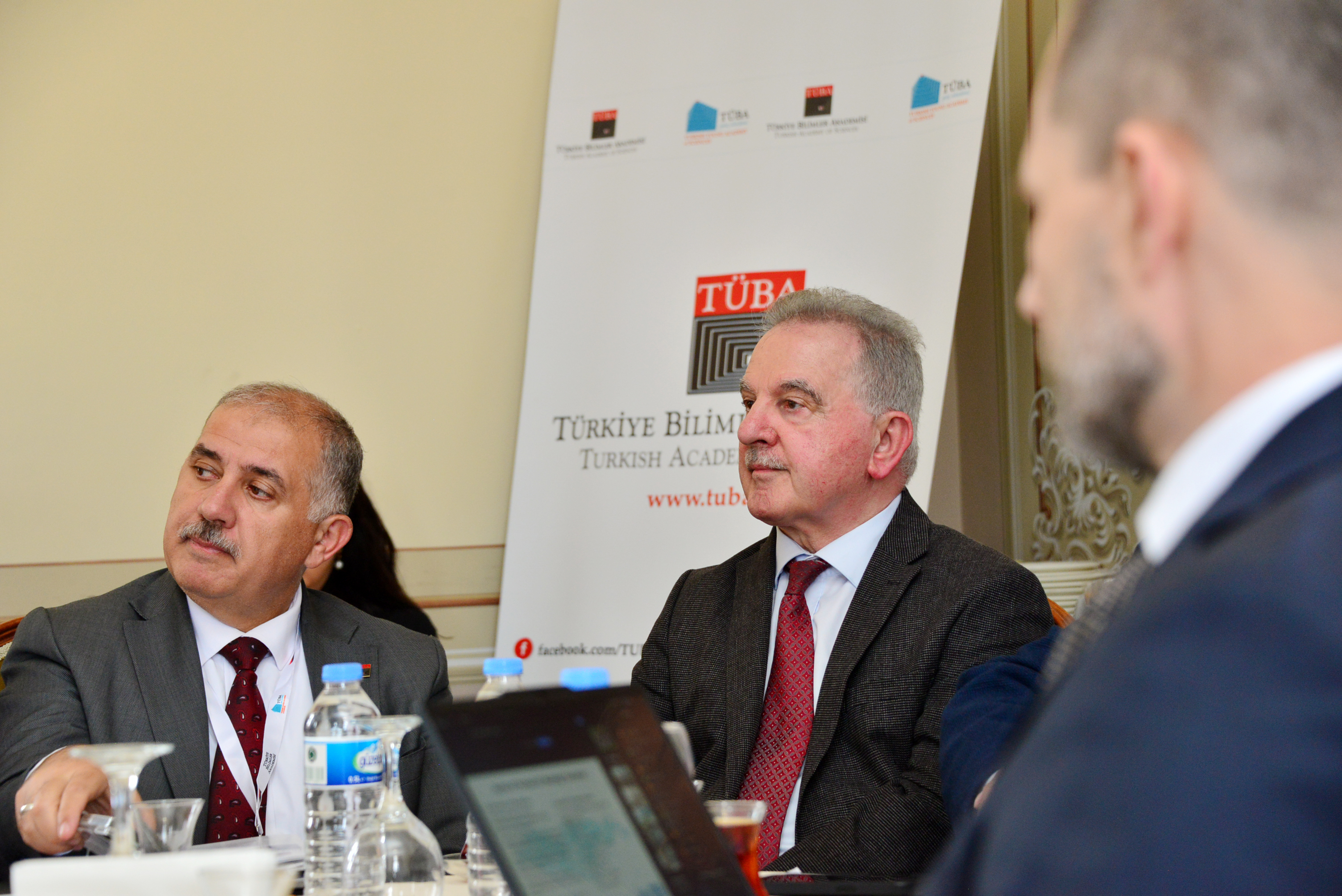
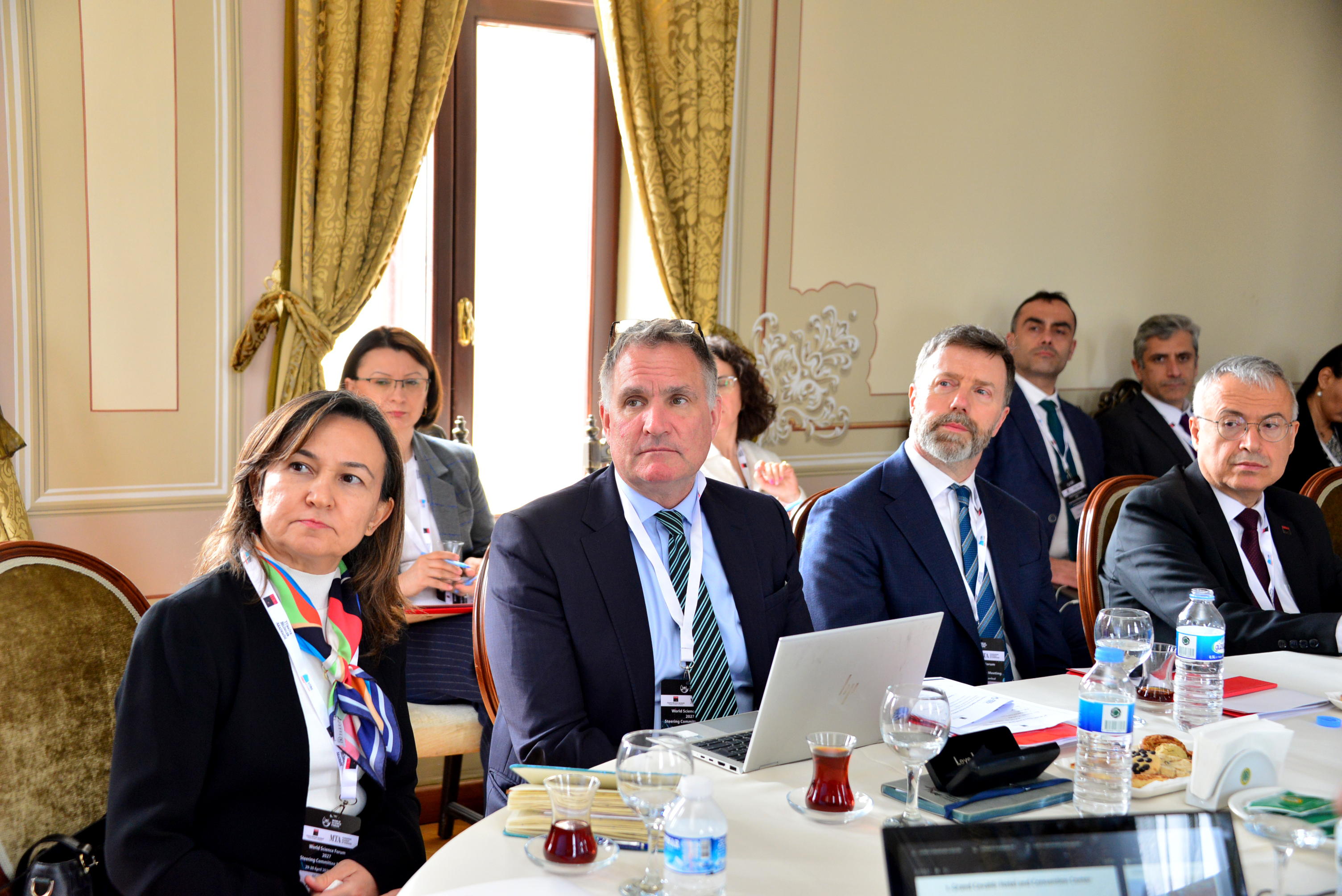
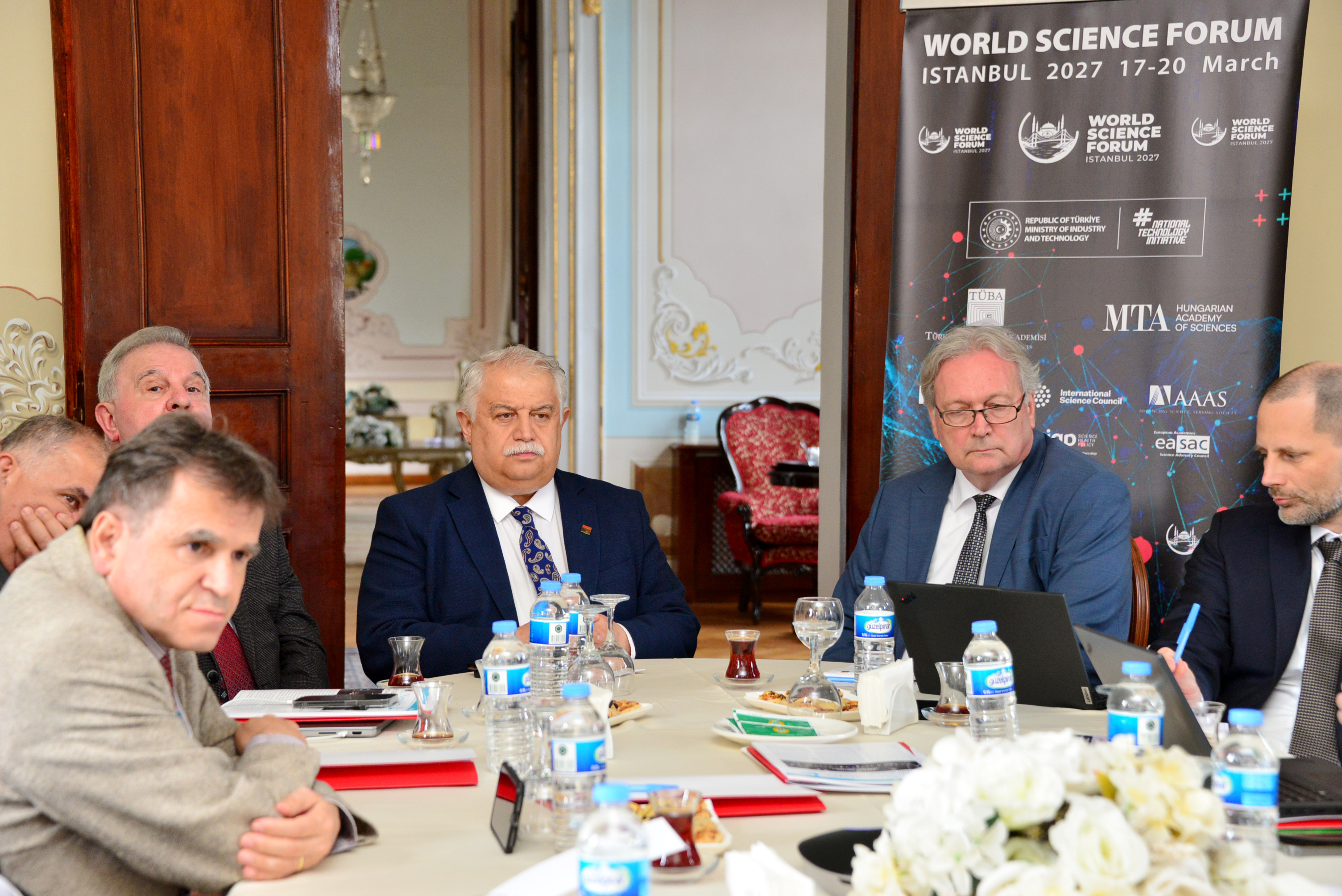
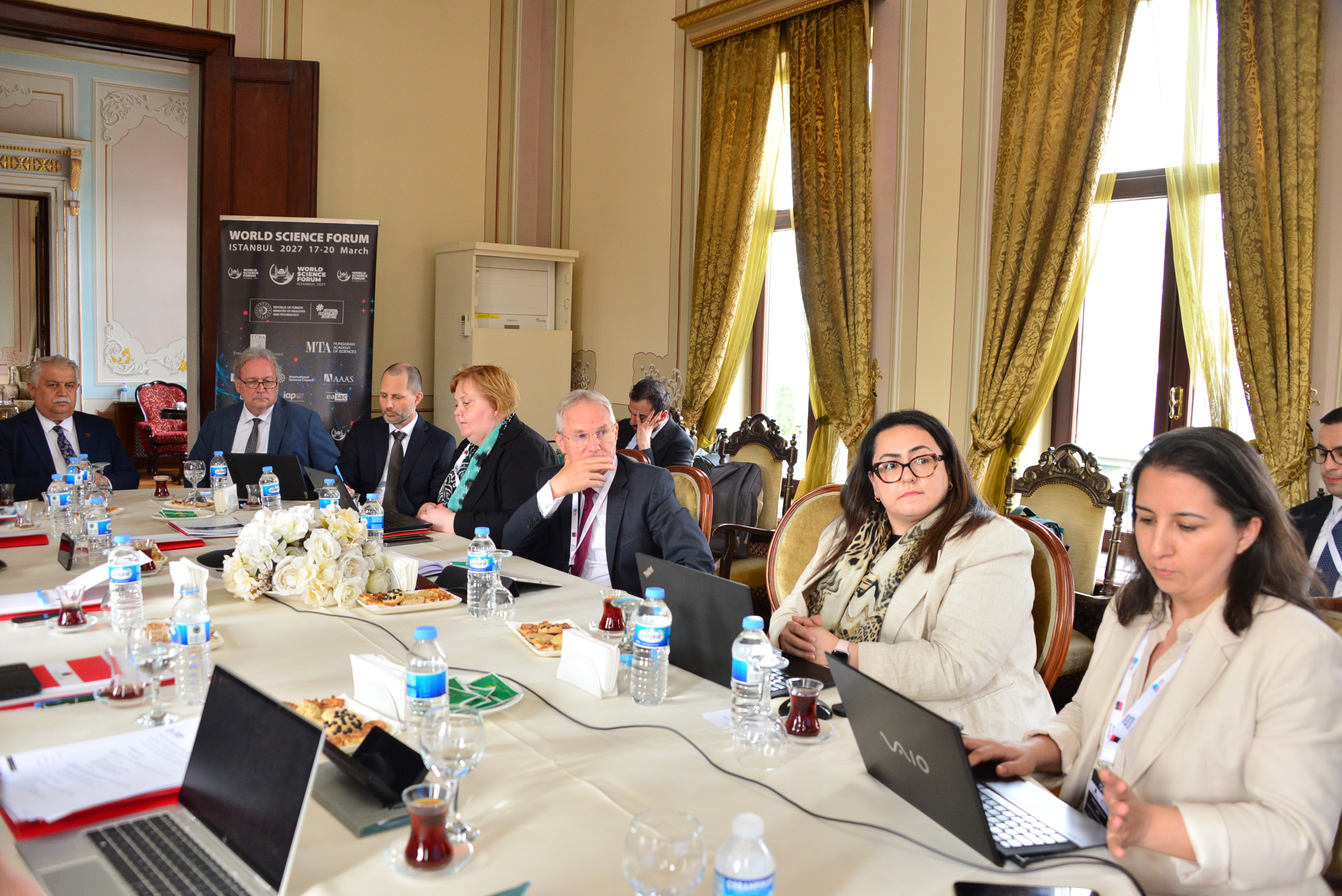
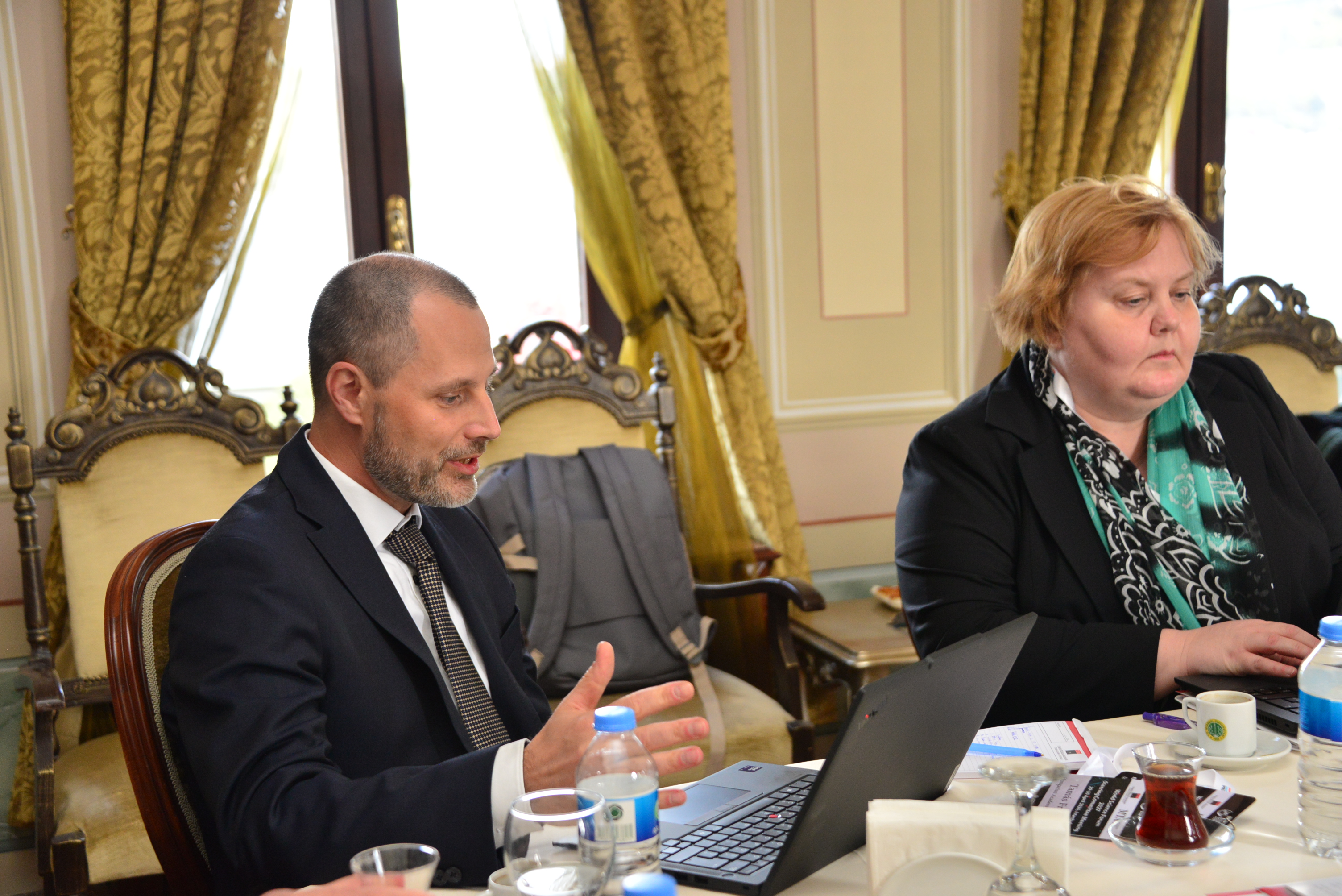
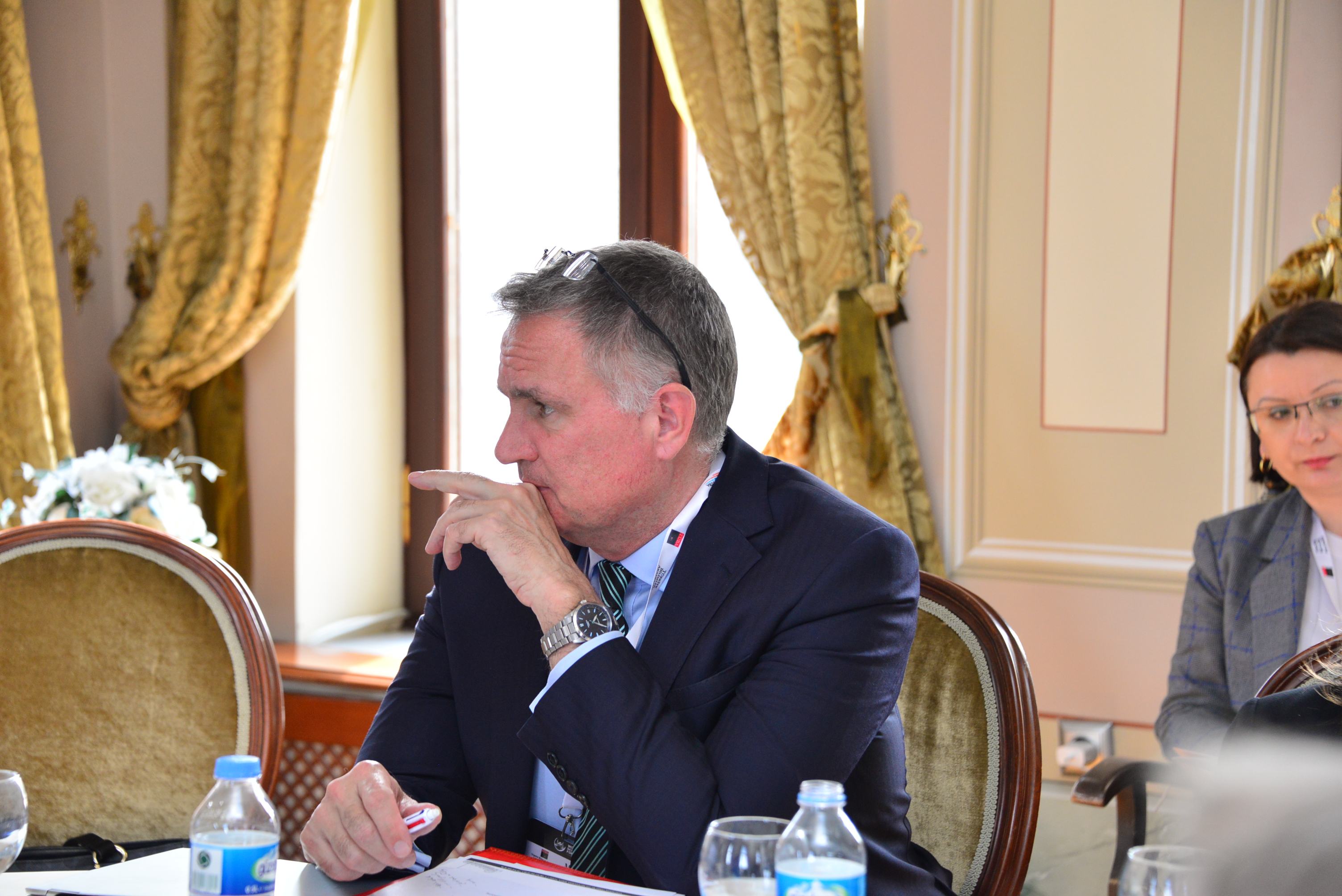
Preparations for the World Science Forum (WSF), which will be hosted by Türkiye, were finalized at a Directing Committee Meeting held in Istanbul and organized by TÜBA.
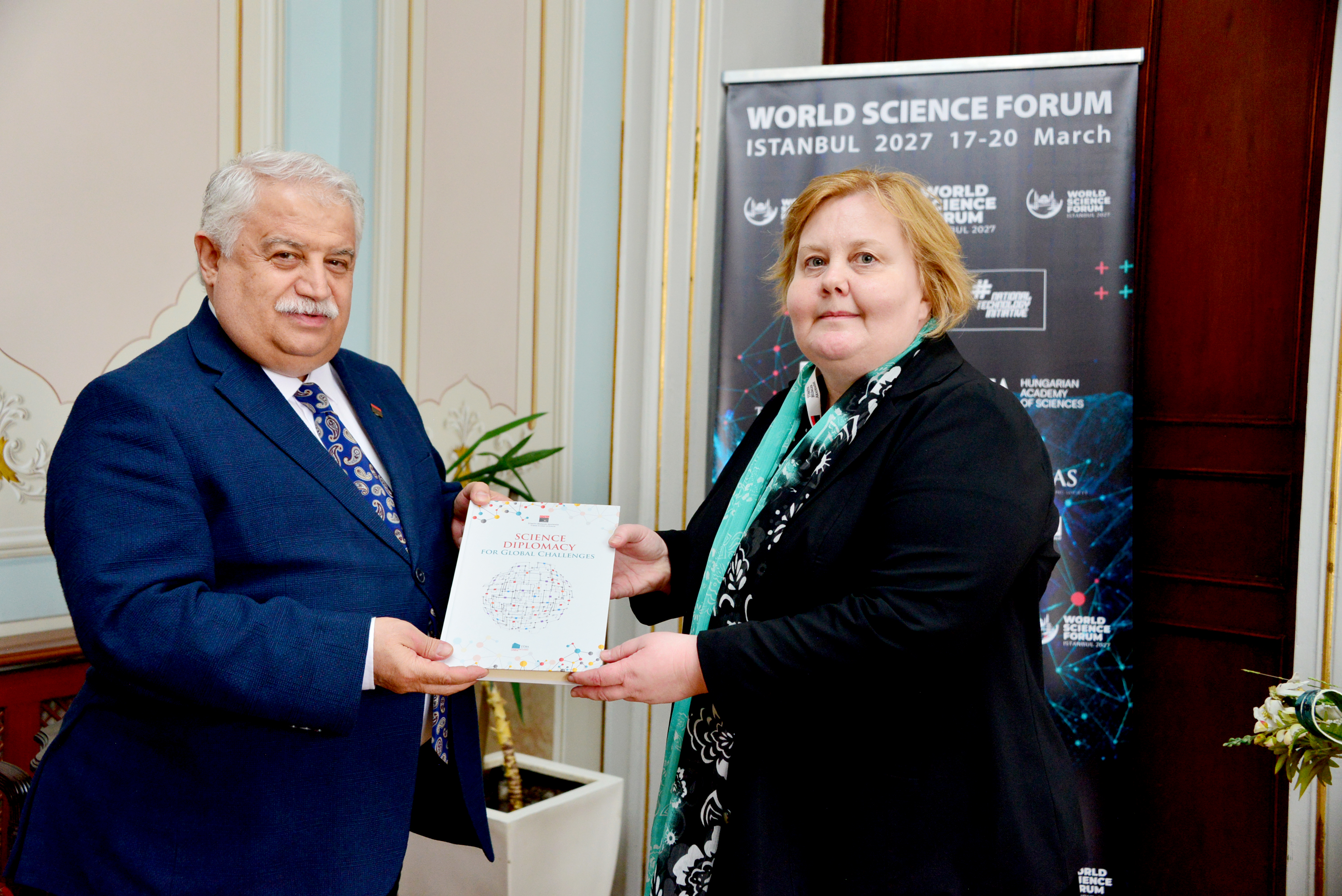
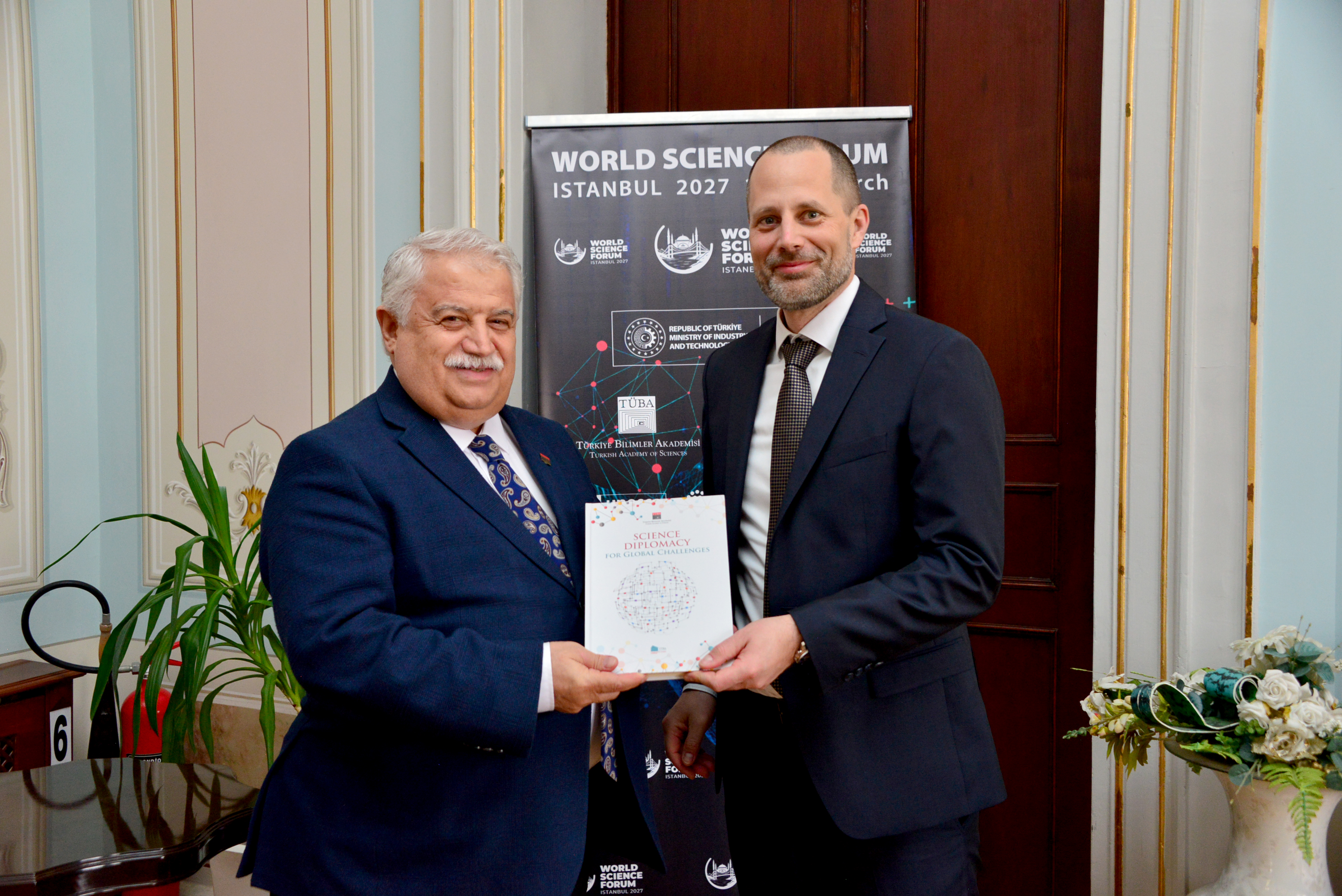
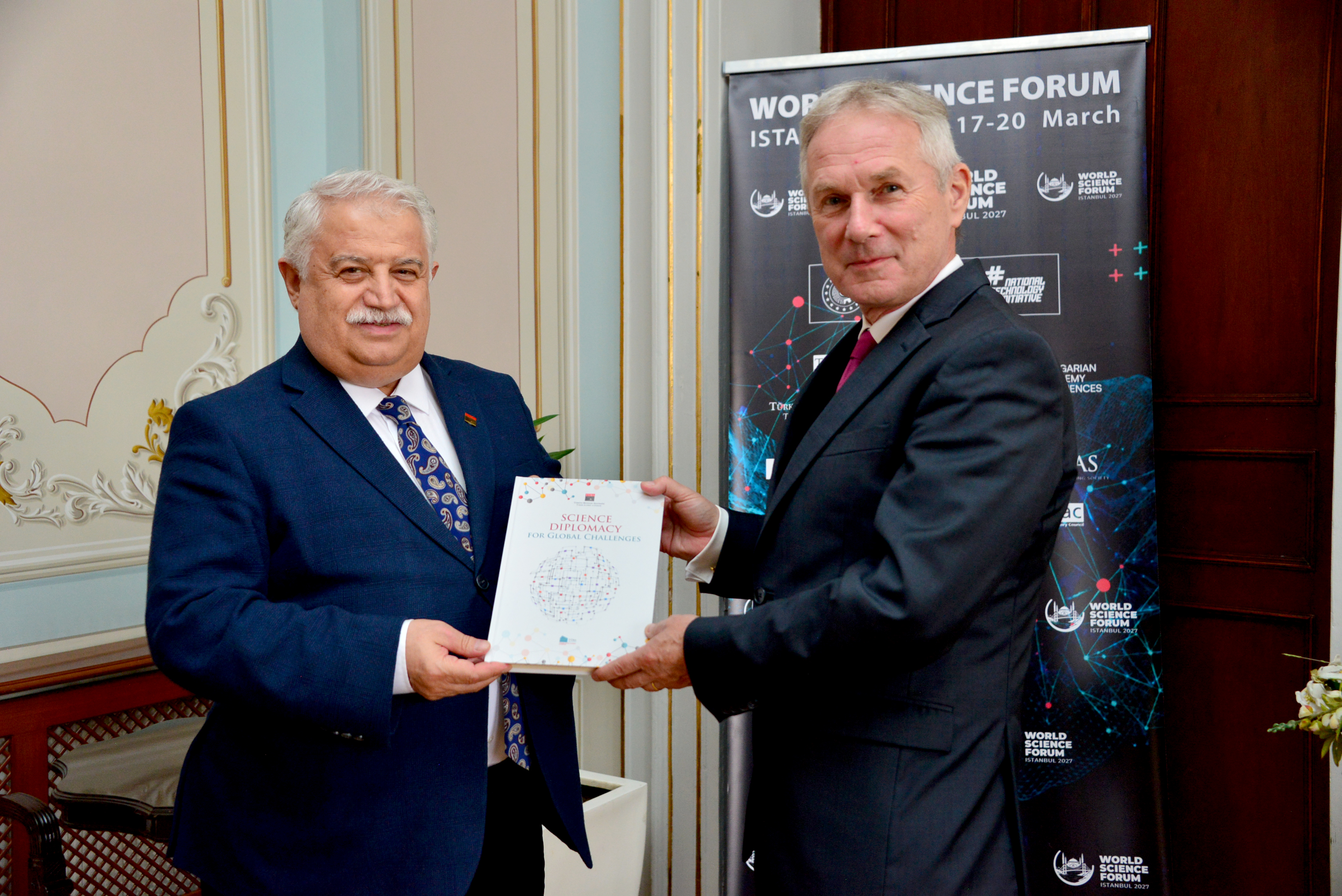
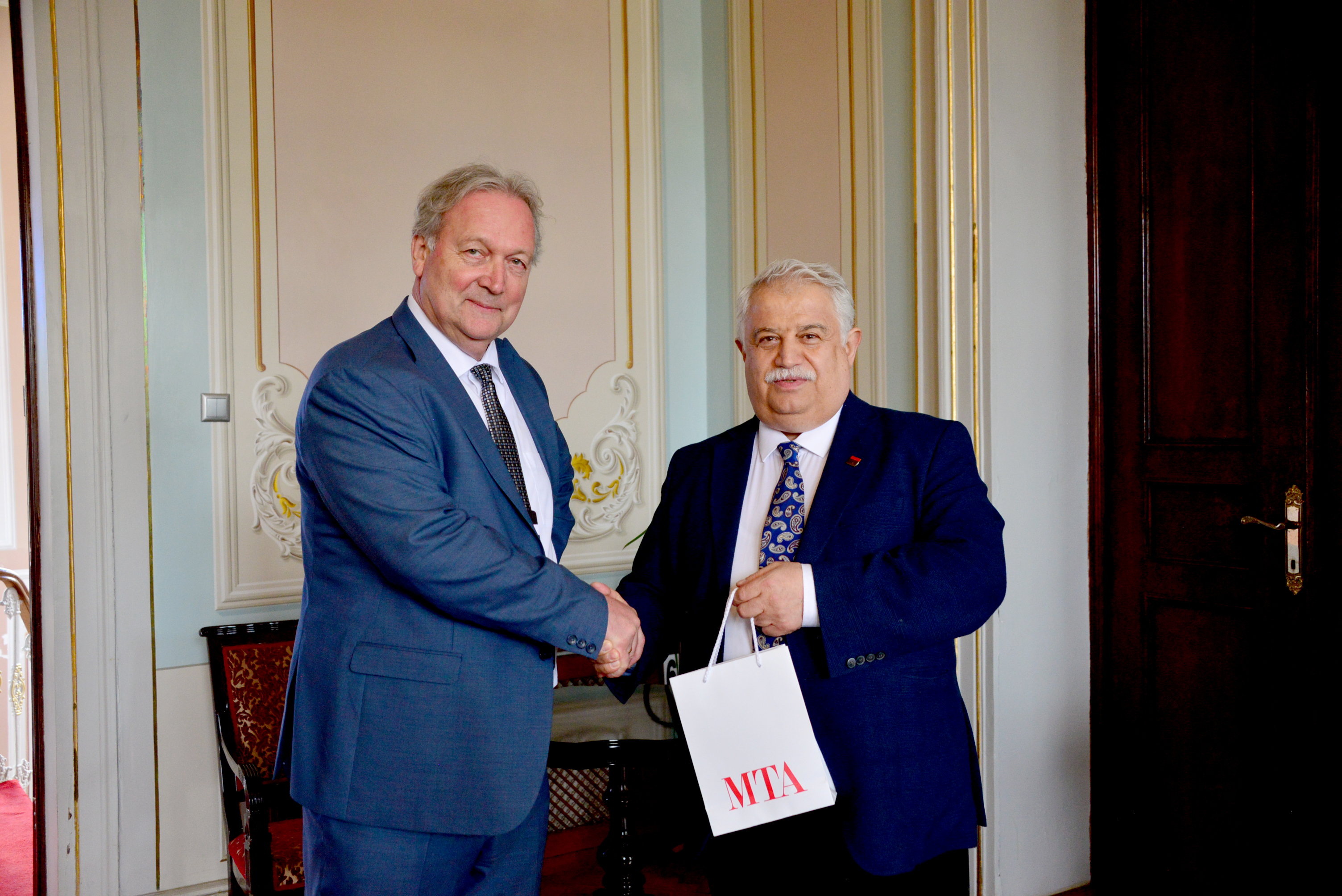
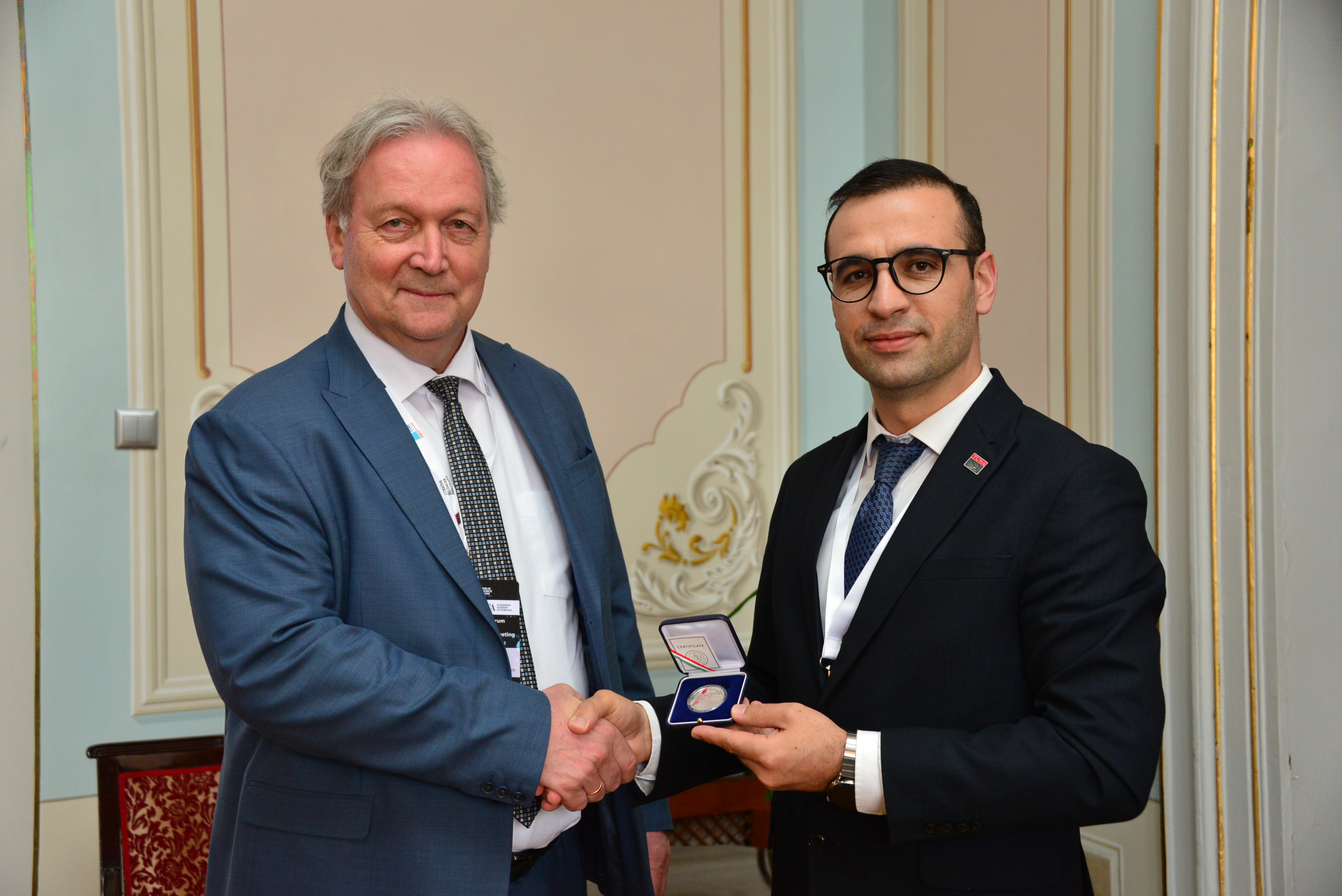
At the meeting, chaired by TÜBA President Prof. Dr. Muzaffer Şeker and Hungarian Academy of Sciences (MTA) President Prof. Dr. Tamás Freund, fundamental decisions regarding the forum’s organization were made. Committee members—comprising representatives from the international scientific community, diplomatic circles, and global organizations—determined the scope, content, and organizational structure of the 2027 WSF.
“Science in Times of Global Crises: Transcending Boundaries in a Fragmented World”
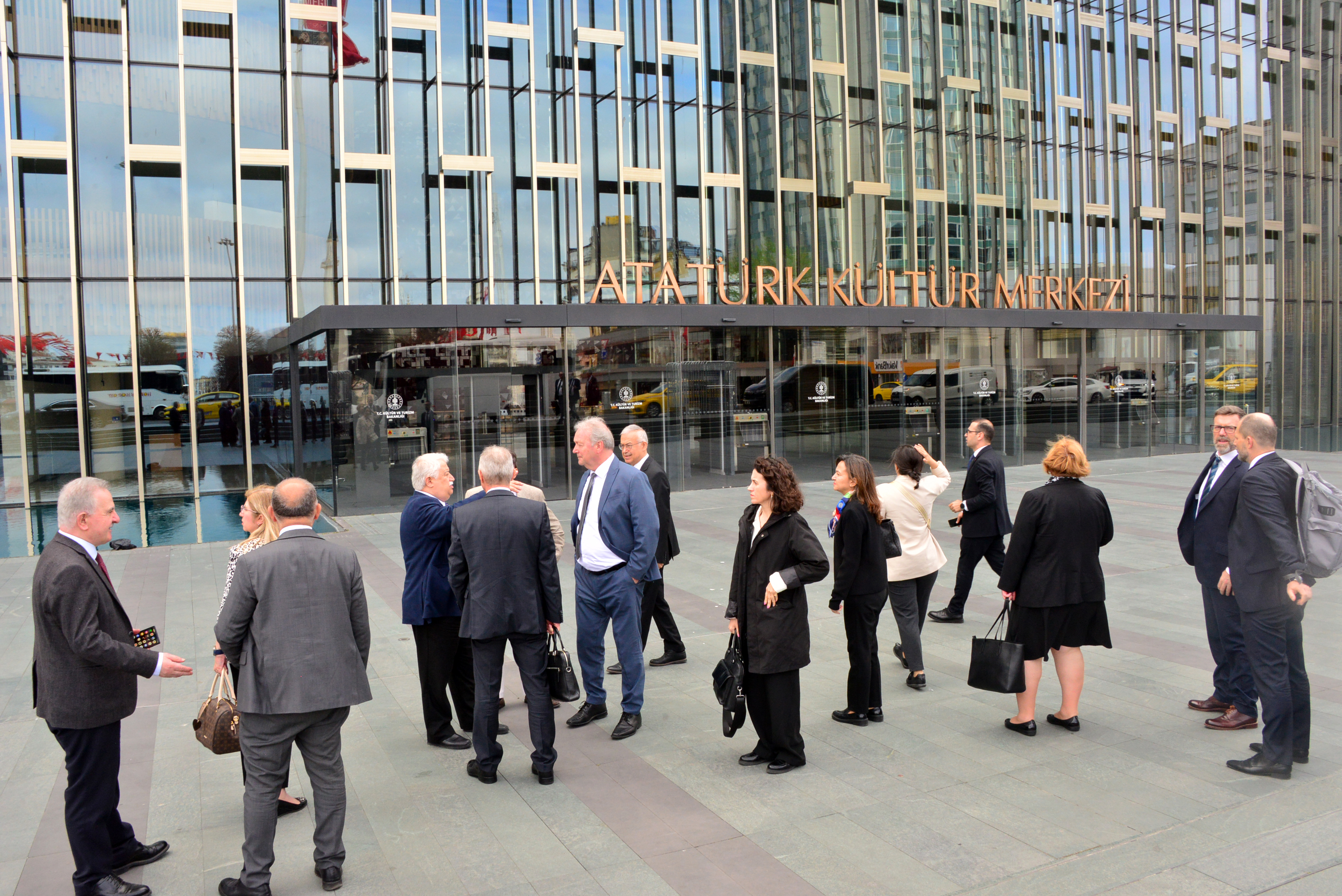
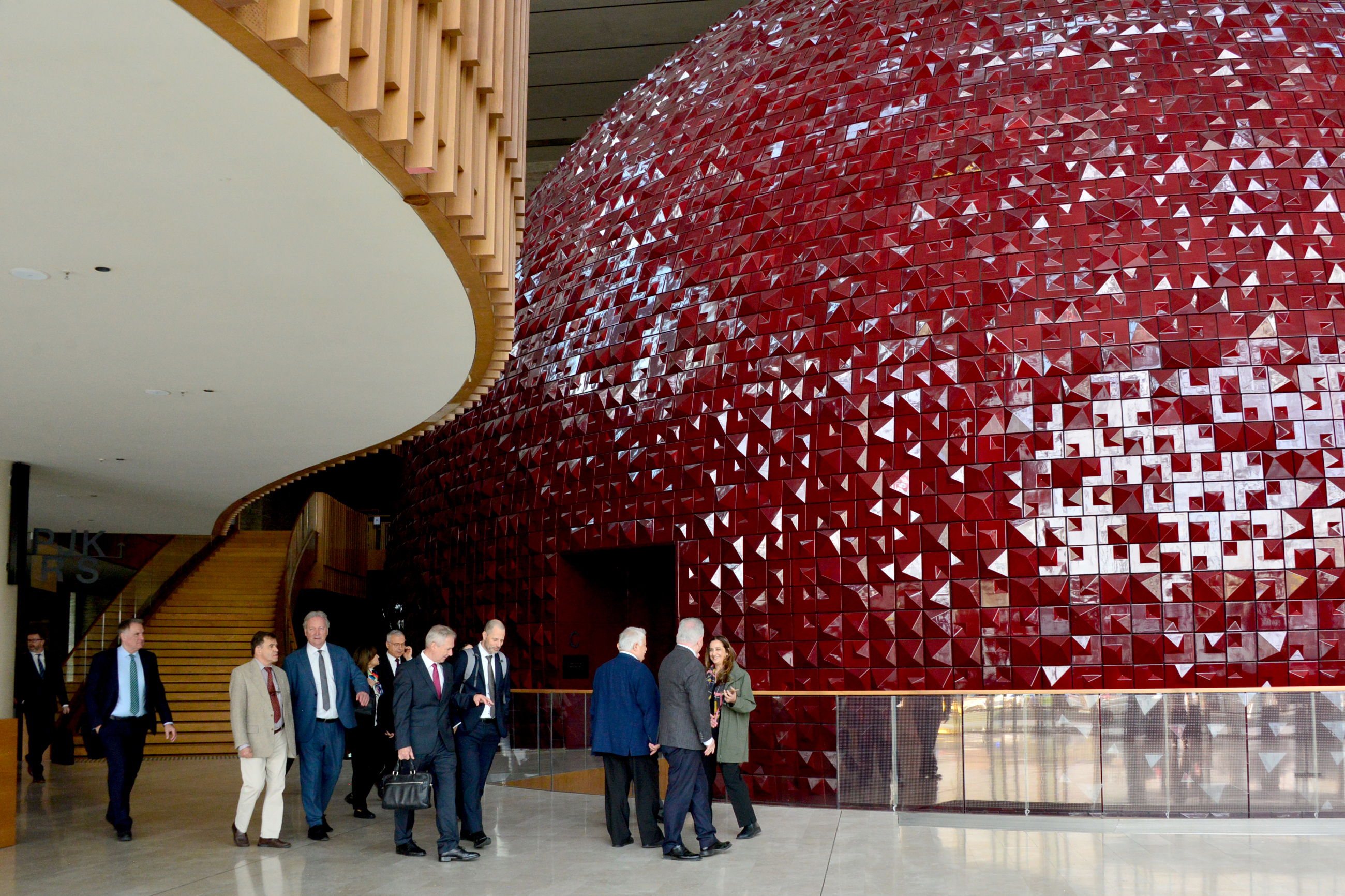
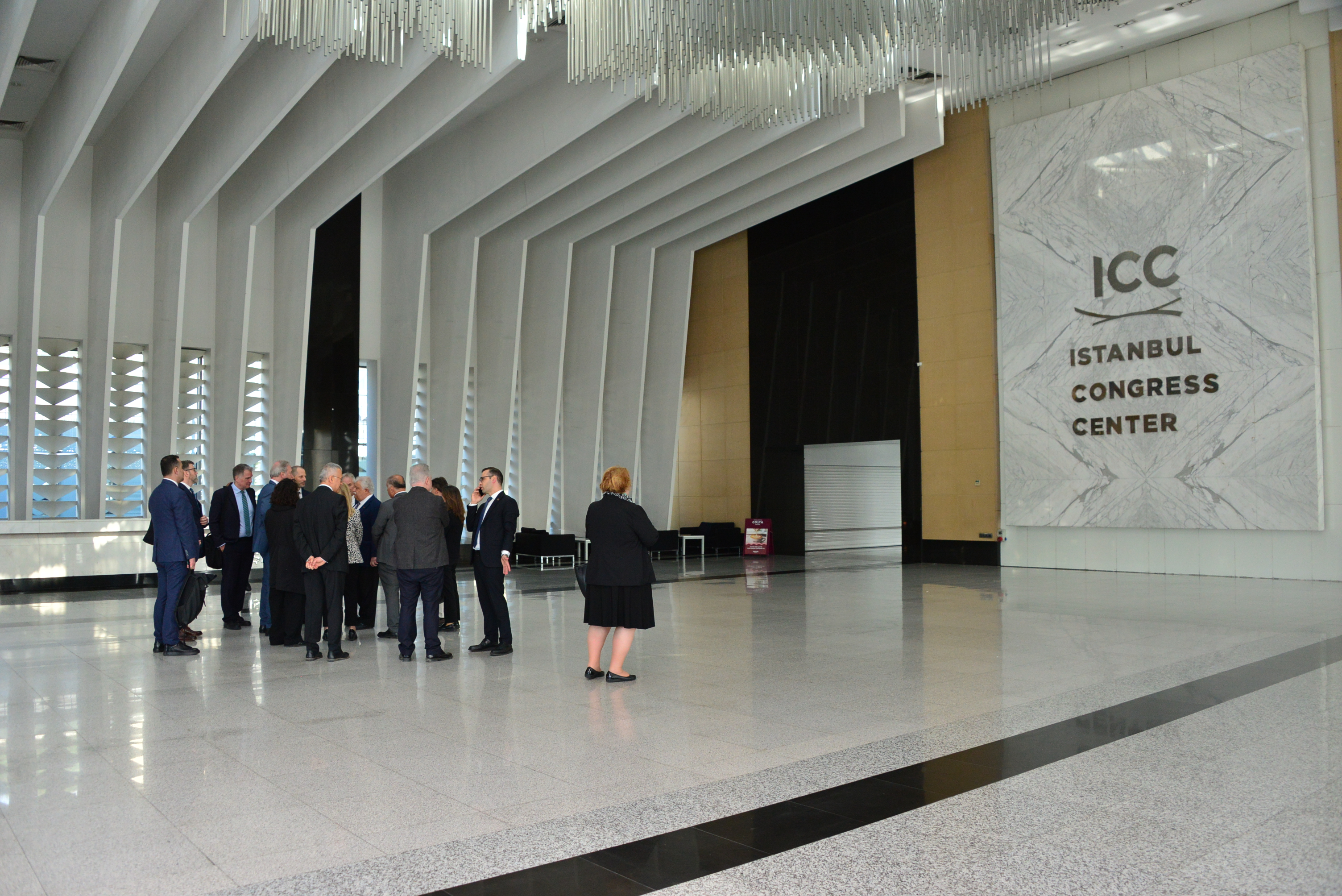
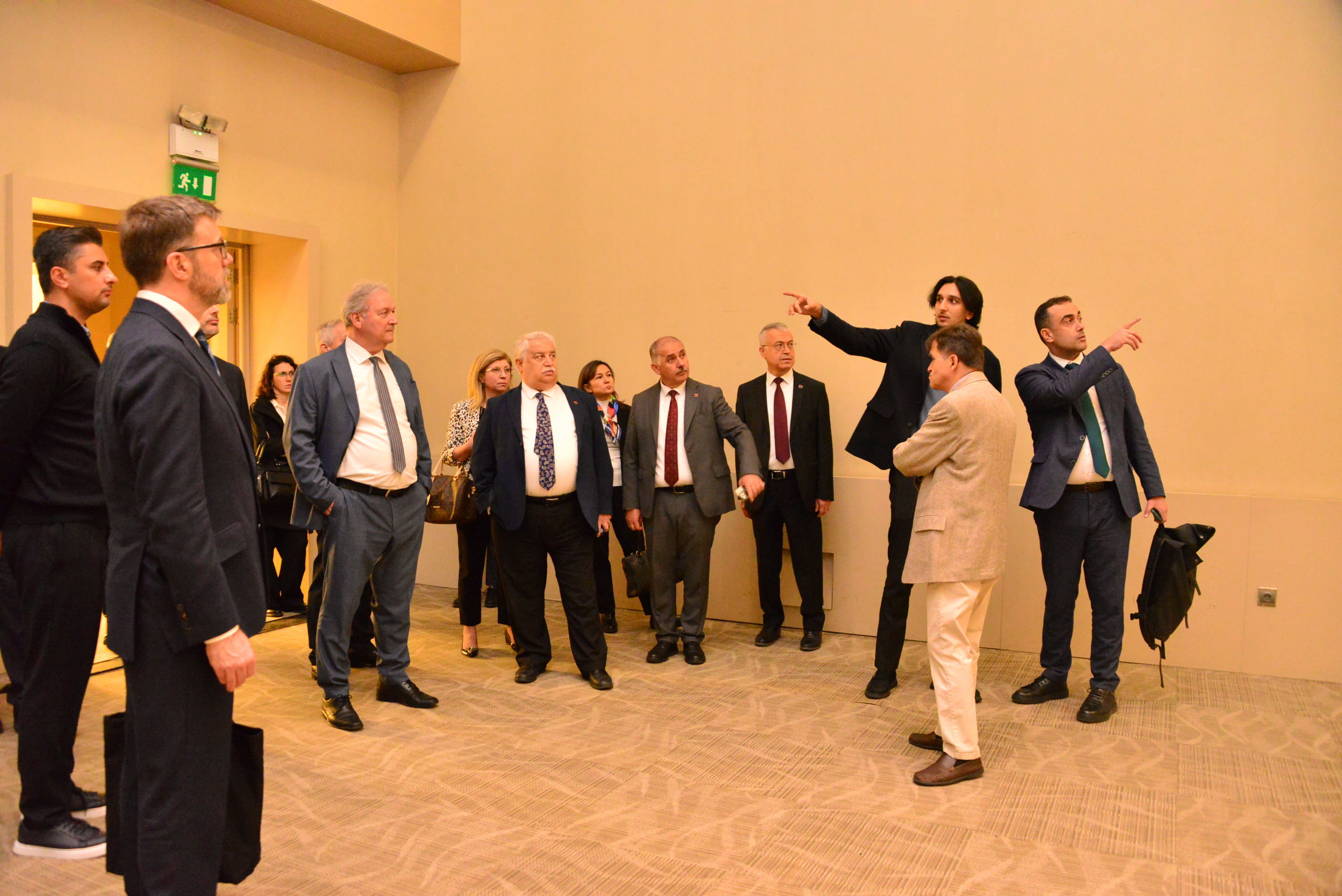
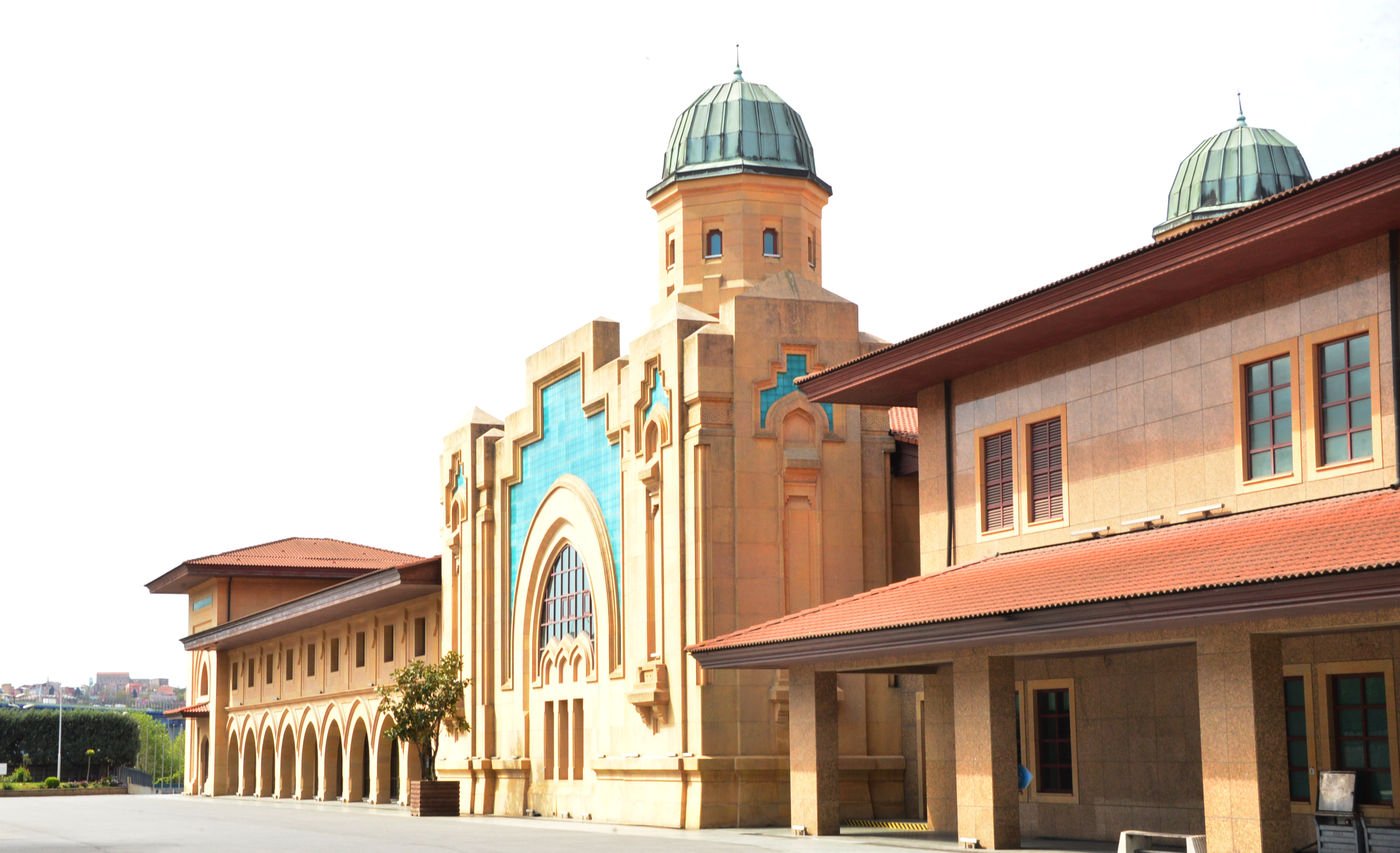
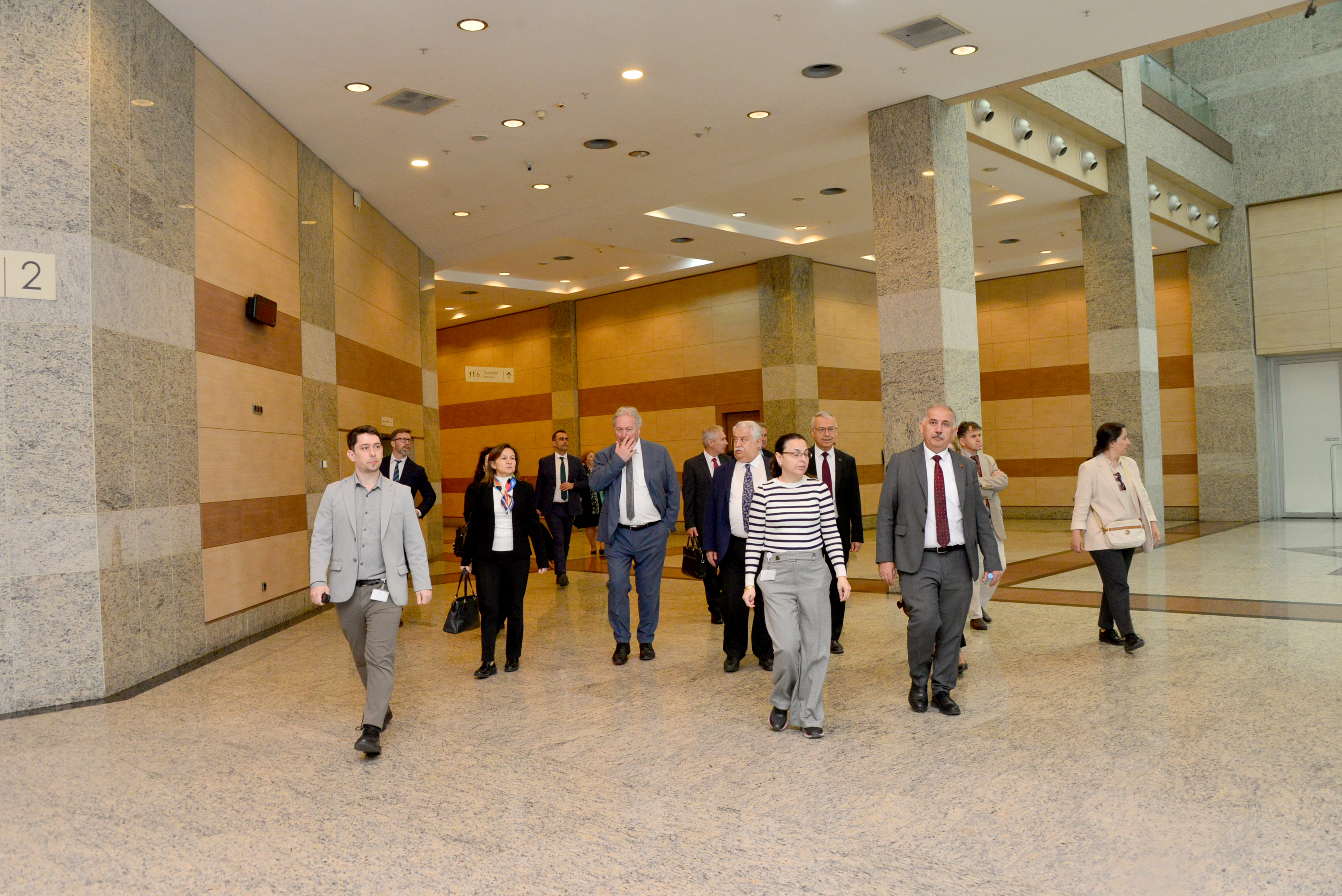
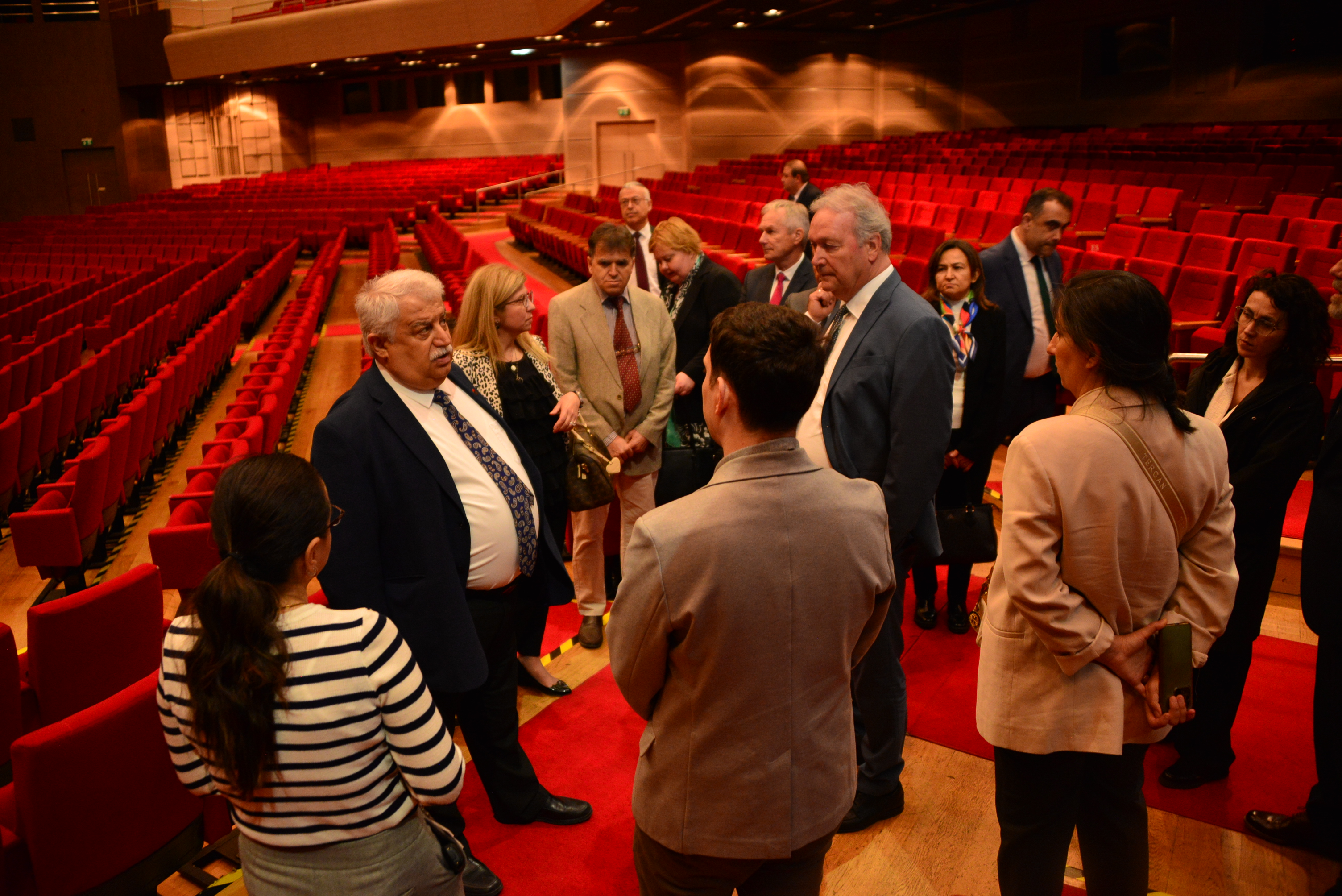
It was agreed that the 2027 WSF would be organized under the theme “Science in Times of Global Crises: Transcending Boundaries in a Fragmented World” to emphasize science’s unifying role in the face of increasing geopolitical fractures and global challenges. As part of the meeting, committee members conducted site visits to the Atatürk Cultural Center, the Istanbul Congress Center, the Haliç Congress Center, universities, and public institutions, carrying out a comprehensive evaluation process.
Focus on Global Issues Under Four Main Headings
The scientific content of the forum was also discussed in broad terms at the meeting, and it was decided that the 2027 WSF would focus on enhancing resilience in the face of global crises. Topics such as the more effective integration of scientific knowledge into policy-making processes, disaster risk reduction, and strengthening the resilience of science systems will also be addressed.
Regarding sustainability, while scientific approaches are planned to be addressed in alignment with sustainable development goals, the ethical and responsibility dimension will focus particularly on new areas of debate arising from artificial intelligence and disruptive technologies. In this context, the global role and responsibility of science will be addressed as a common approach spanning all thematic areas of the forum. Meanwhile, science diplomacy and international cooperation will form another key pillar of the forum. Under this heading, the goal is to foster scientific collaborations among different countries and institutions and to strengthen science’s role in addressing global challenges.
“It Will Strengthen Türkiye’s Role in the Global Science Agenda”
TÜBA President Muzaffer Şeker noted that the World Science Forum is one of the most important international platforms for strengthening the interaction between science and policy, and emphasized the strategic importance of Türkiye hosting the event.
Şeker said, “Hosting the World Science Forum is a powerful step that will enhance Türkiye’s effectiveness in the field of science diplomacy. This process will not only showcase our country’s scientific expertise to the international community but also enable us to actively contribute to the shaping of global science policies.”
Noting that the Forum brings together scientists and decision-makers from diverse regions, Prof. Dr. Şeker emphasized that Türkiye’s role in this platform will deepen international collaborations and create new opportunities for young researchers.
Global Science and Policy Platform
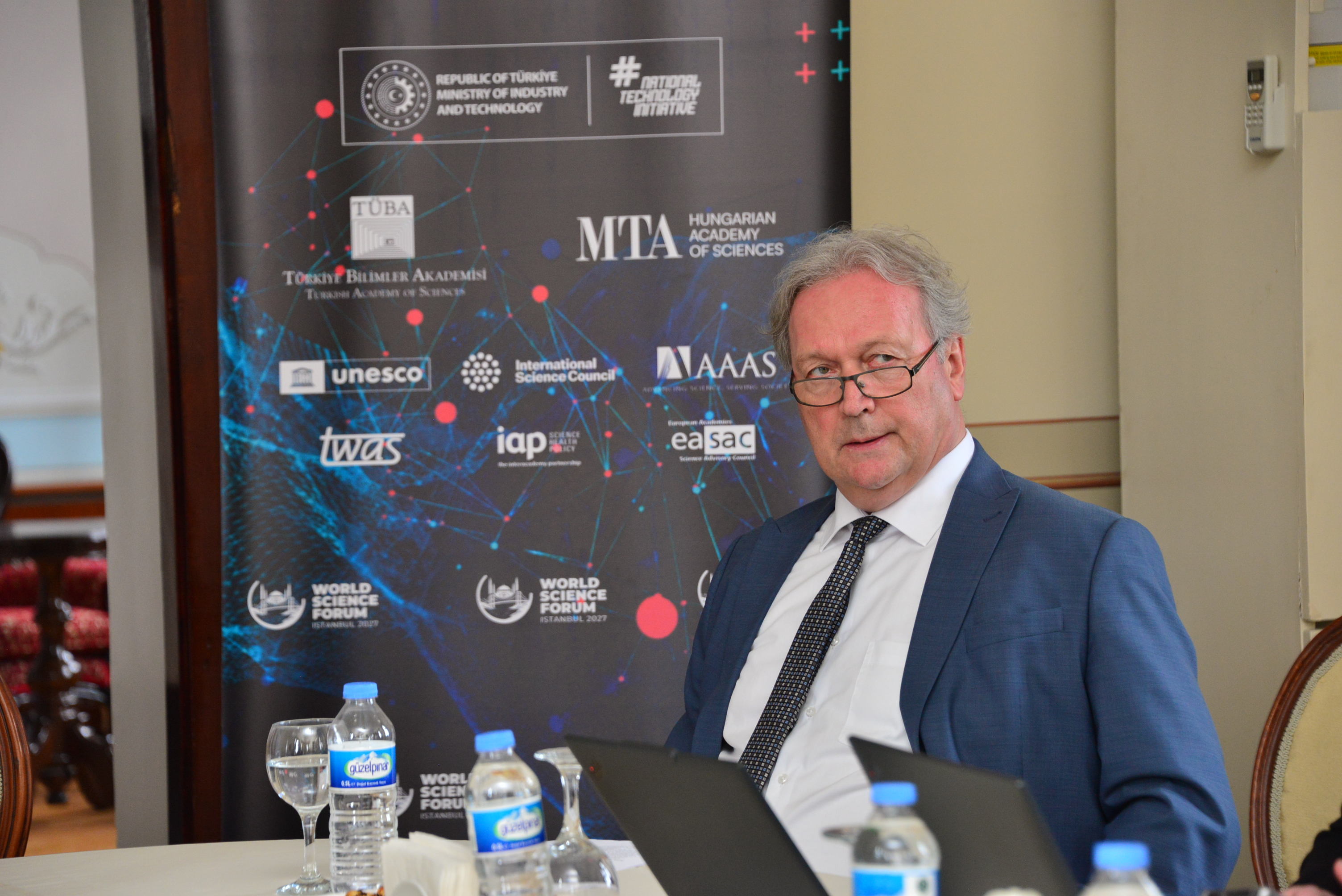
The WSF, which has been held since 2003, is organized by the Hungarian Academy of Sciences (MTA), the United Nations Educational, Scientific and Cultural Organization (UNESCO), the International Science Council (ISC), the American Association for the Advancement of Science (AAAS), the World Academy of Sciences (TWAS), the European Academies’ Science Advisory Council (EASAC), and the InterAcademy Partnership (IAP). The forum brings together scientists, government representatives, academies, universities, and international organizations on a single platform.
Addressing critical global issues such as climate change, artificial intelligence, sustainable development, health technologies, science diplomacy, and disasters and crises at the international level, the forum is recognized as one of the most important international platforms for science-based policy-making.