

The iNCLUSION Project Transformed Cultural Heritage Through Inclusive Narratives
The iNCLUSION Project (“Upskilling Higher Education Students to Create Transformative Cultural Experiences for Audiences with Disabilities”), coordinated by Türkiye Bilimler Akademisi and supported under the Türkiye National Agency Erasmus+ KA220-HED Programme, is a social innovation initiative that reconsiders, at the European scale, the ways in which cultural heritage is designed, experienced, and transmitted. The project has focused on a long-standing and significant need in the field of cultural heritage by fostering inclusive, accessible, and emotionally engaging cultural narratives for individuals with special needs. Shaped through the contributions of Anadolu University, the Balkan Museum Network, SEALS Foundation, Artifactory, and SOBE Foundation, this collaborative network has provided a strong academic and practice-oriented foundation for the project.
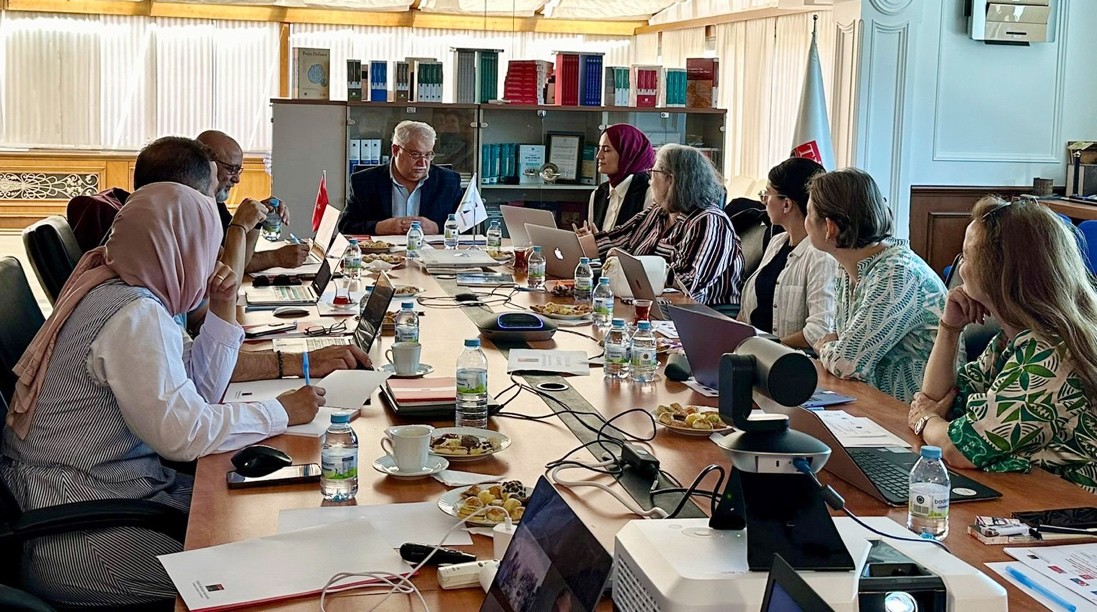
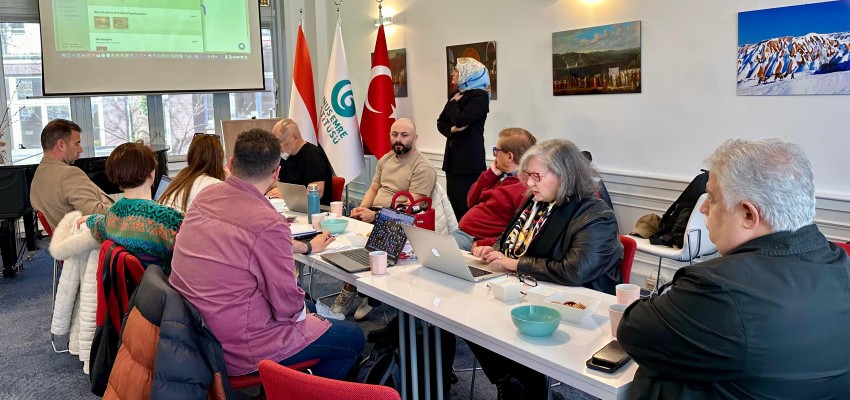
The kick-off meeting of the project was held on 24–25 June 2024 at TÜBA’s headquarters in Ankara, followed by sessions hosted by Anadolu University. Academic institutions and stakeholders from Türkiye and across Europe convened to establish a comprehensive roadmap.
Cultural heritage is not merely a historical asset to be preserved; it is a social domain that gains meaning through participation, sharing, and experience. However, many individuals with special needs today encounter physical, digital, and narrative barriers across a wide spectrum, ranging from museums and archaeological sites to exhibitions and cultural tourism activities. The iNCLUSION Project has sought to address this challenge by equipping higher education students with competencies in inclusive storytelling, universal design principles, digital narrative production, and accessibility-oriented cultural experience design, thereby contributing to making cultural heritage meaningful and accessible for all. Within the project, accessibility has not been treated as a supplementary technical adjustment; rather, it has been positioned as a core design principle at the center of the innovation process.
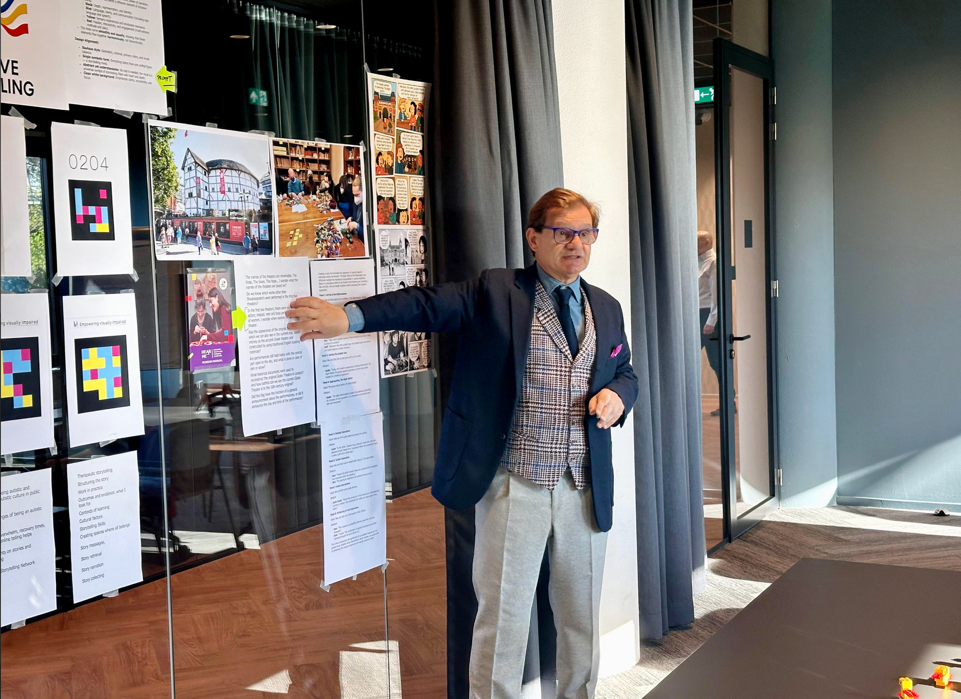
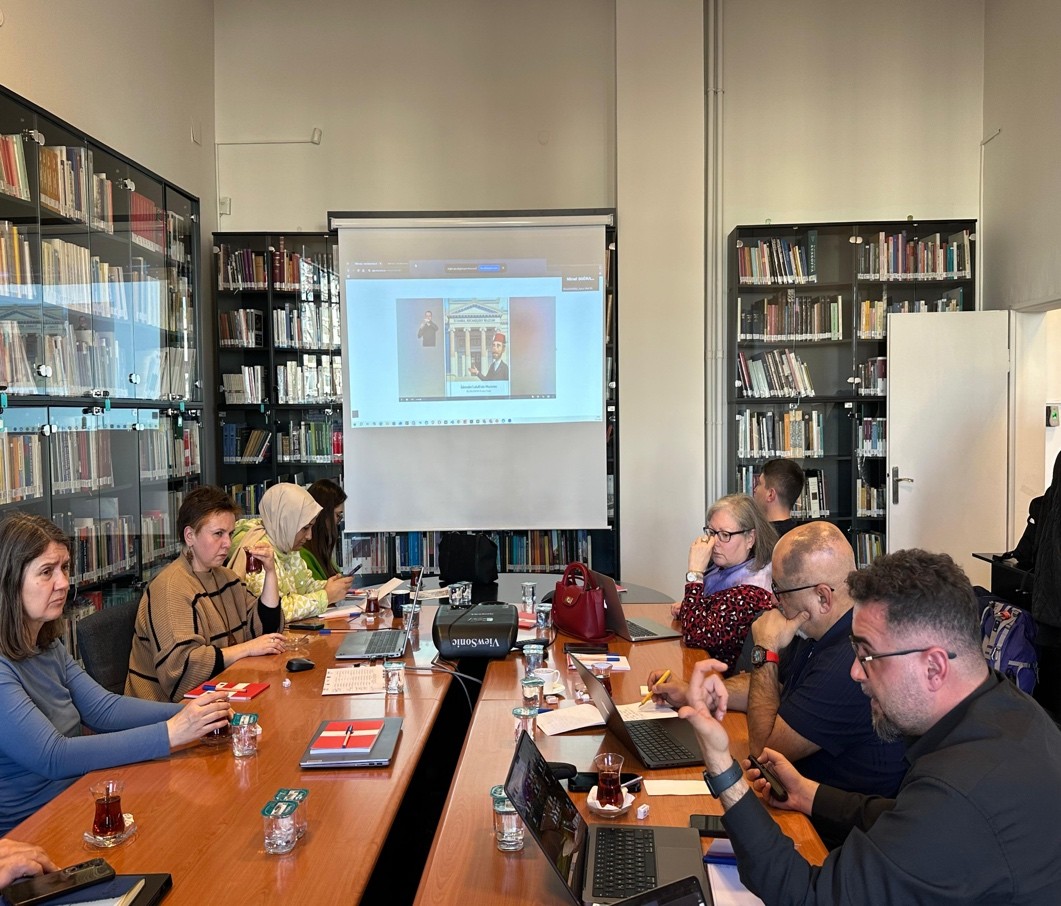
International meetings and training programmes conducted within this framework have concretized the project’s field impact. During the training programme hosted by the Balkan Museum Network in Sarajevo on 22–25 October 2024, experts and participants jointly explored methods to enhance access to cultural heritage for individuals with special needs; inclusive practice examples were developed through experience sharing and workshops.
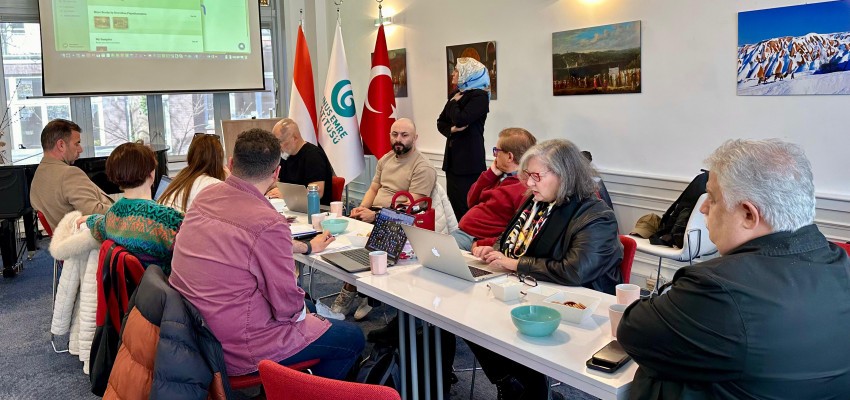
At the meetings and training sessions held in Amsterdam on 3–7 April 2025 under the hosting of the SEALS Foundation, digital storytelling methods tailored to different disability groups were examined. Practical applications were carried out to redesign selected cultural heritage elements using accessibility tools such as subtitles, audio description, and visual supports. These efforts demonstrate that inclusive cultural experiences have been developed not only as a theoretical framework but also as an implementable model.
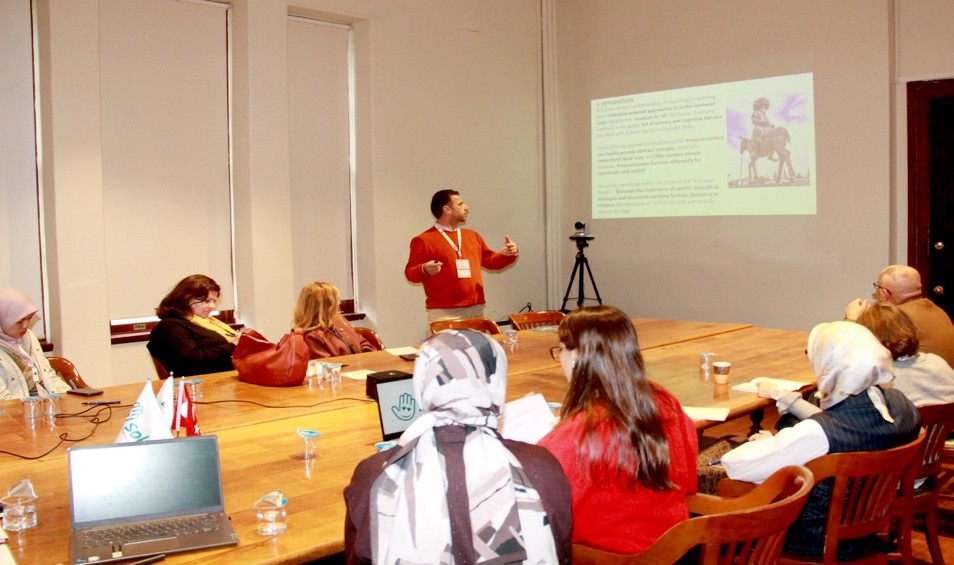
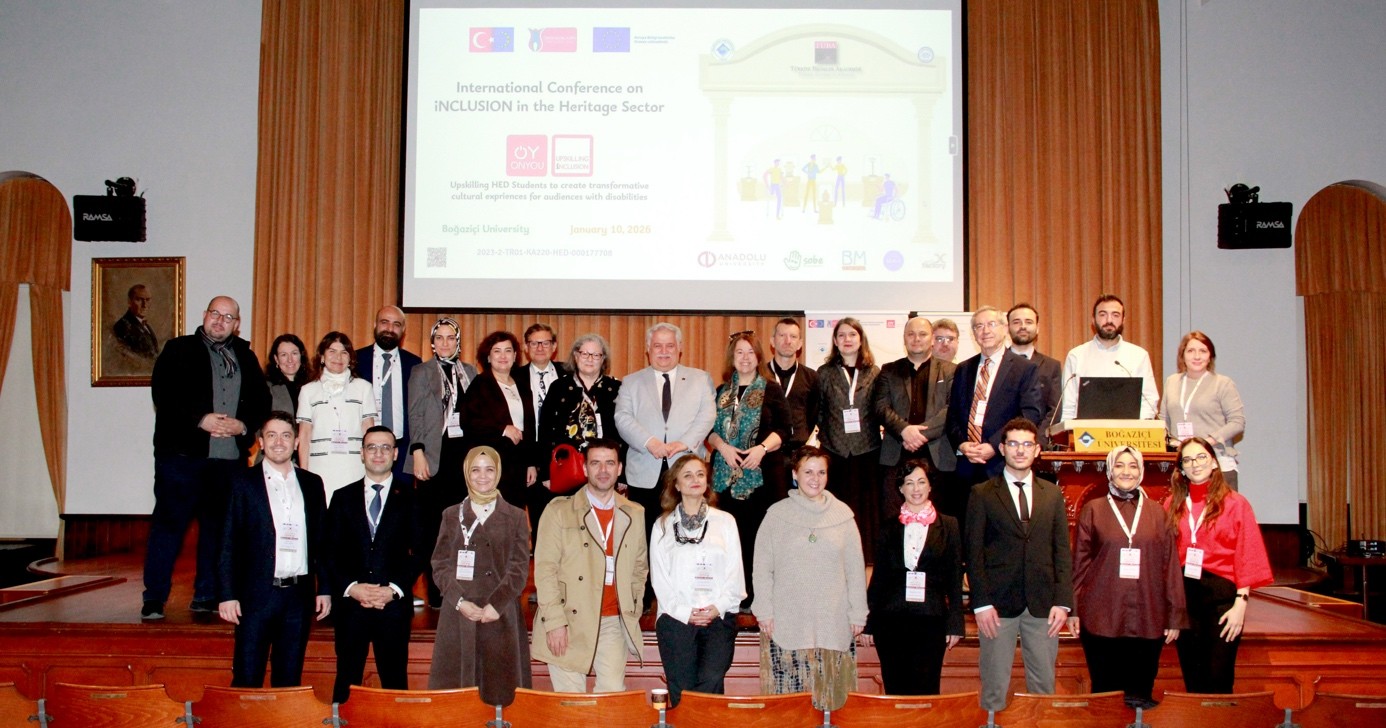
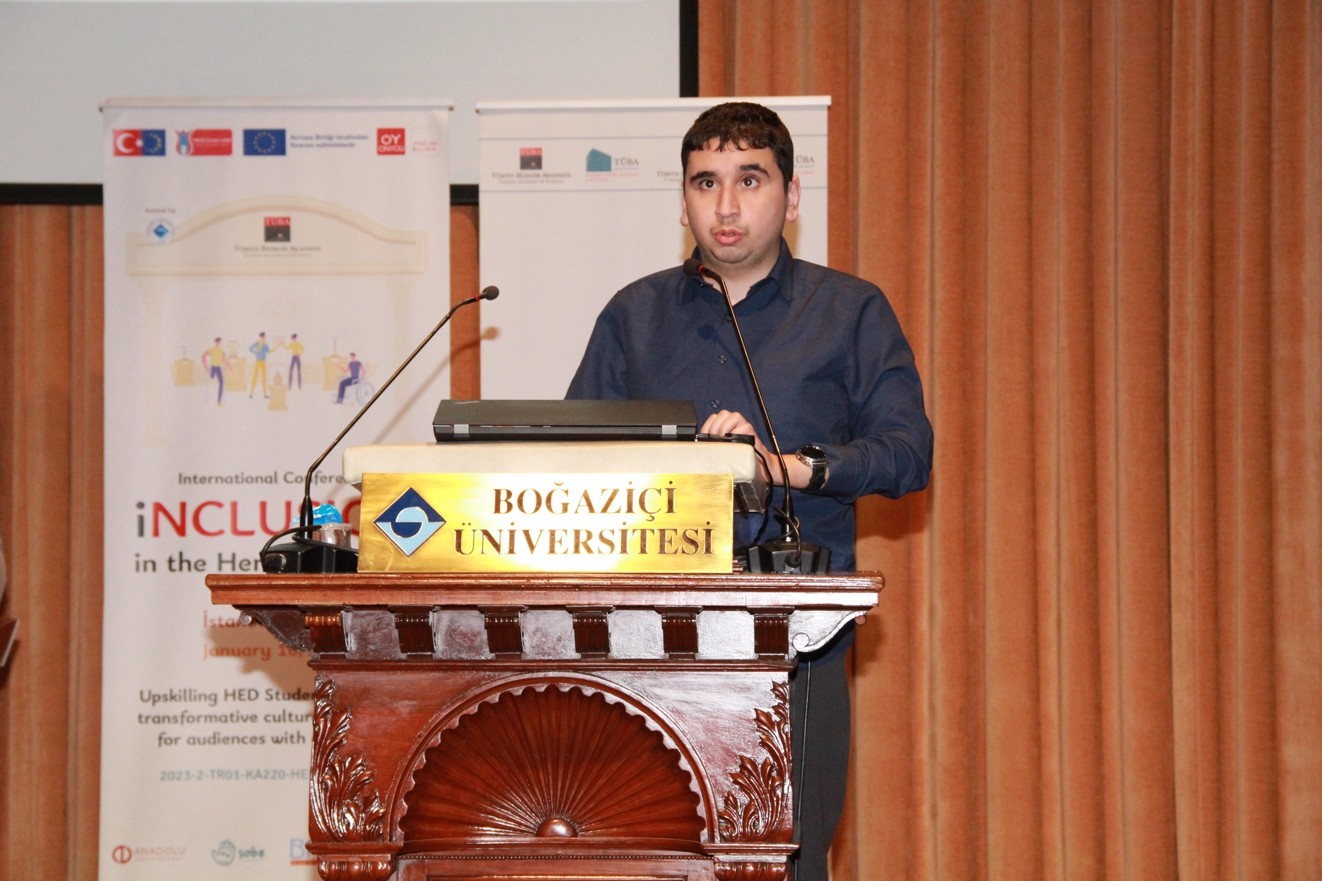
One of the significant milestones of the project was the International iNCLUSION Conference in the Cultural Heritage Sector, held on 10 January 2026 at Boğaziçi University. The conference addressed the accessibility of cultural heritage, inclusive policies, and digital storytelling at the international level, bringing together academics, policymakers, and sector representatives on a common platform.
More than 60 papers were presented and over 100 participants attended the event. In this respect, the iNCLUSION Project has concretely fulfilled its objective of contributing to the cultural heritage field not only through education and practice but also through policy and strategy development. A volume comprising the conference proceedings is currently in preparation.
One of the most innovative dimensions of the iNCLUSION Project is its approach to cultural heritage storytelling not merely as content production but as a process of inclusive experience design. A total of 40 cultural heritage stories developed within the project were selected to encompass tangible and intangible heritage elements, local traditions, rituals, craft practices, and narratives of social memory. Each story has been restructured by taking into account the cognitive, sensory, and perceptual needs of different disability groups. These stories have not been presented in a conventional textual format; instead, multiple layers of access have been created through subtitled and sign language-supported video narratives, audio-described versions, Easy-to-Read texts, visually supported simplified content, podcast formats, and digital e-book versions. Thus, cultural content has not been confined to a single mode of presentation; rather, a flexible multimedia infrastructure has been developed, enabling users to access content according to their individual needs and preferences.
Universal design principles and cognitive accessibility criteria have been systematically applied throughout the design process of these stories. Short and clear sentence structures have been preferred; segmentation techniques supported by symbolic and explanatory visuals have been employed; flow schemes reducing cognitive load have been developed; and character-centered narrative structures strengthening emotional engagement have been adopted. Particularly for individuals with intellectual and neurodevelopmental differences, experiential and empathetic narration has been prioritized over complex historical exposition, aiming to present cultural heritage not only as information but also as an experience that can be felt. In certain digital stories, clickable information layers, alternative narrative pathways, audio-visual synchronization, and micro-learning modules have been integrated, transforming the user from a passive viewer into an active participant in the narrative. This approach demonstrates that cultural learning is not a linear transfer of knowledge but a multidimensional process of interaction and connection.
The stories developed within the project are not only technically accessible but also emotionally inclusive. For instance, in the narration of a selected element of intangible cultural heritage, the perspective of the individual experiencing the ritual has been placed at the center alongside its historical background; visual rhythm elements have been enhanced for individuals with hearing impairments; spatial descriptions have been elaborated for individuals with visual impairments; and for individuals with cognitive differences, the storyline has been simplified to ensure a clear temporal flow. This method represents a narrative approach that abandons the assumption of a single “standard user” and recognizes diverse forms of experience as equally legitimate.
The multimedia content production process has also been structured as a student-centered learning model. Higher education students have been positioned not merely as content consumers but as active stakeholders in the process—as researchers, designers, and producers. Within this scope, they have conducted cultural heritage research, performed needs analyses for target disability groups, developed digital storytelling scenarios, produced video and audio content, collected feedback through pilot implementations, and revised their outputs accordingly. In this way, accessibility has been internalized not as a post hoc technical adjustment but as an ethical and pedagogical principle embedded from the outset of the design process.
The outputs of the project have extended beyond practical implementation to contribute to policy and academic knowledge production. Comprehensive surveys conducted with museum professionals, cultural managers, and educators have been analyzed and compiled into an English-language volume, contributing to the international literature by identifying the current state and areas of need in accessible cultural storytelling. Furthermore, the policy recommendations developed within the project include concrete proposals for integrating inclusive cultural design into higher education curricula, disseminating digital accessibility standards, and institutionalizing universal design principles within cultural organizations. In this regard, the iNCLUSION Project represents not only a content-producing initiative but also a sustainable and implementable model for inclusive transformation in the cultural heritage field.
In conclusion, the iNCLUSION Project approaches participation in cultural heritage not as a technical issue of access but as a rights-based and ethical responsibility. Centered on empathy, participation, and multiple forms of experience, this approach demonstrates that cultural heritage can become an accessible, shareable, and meaningful public domain for all. Developed in alignment with the European accessibility agenda, digital transformation goals, and principles of social sustainability, this model offers an inclusive and transformative vision for the future of cultural heritage.