

President Şeker Highlighted the ISC’s Vision for Regional Cooperation
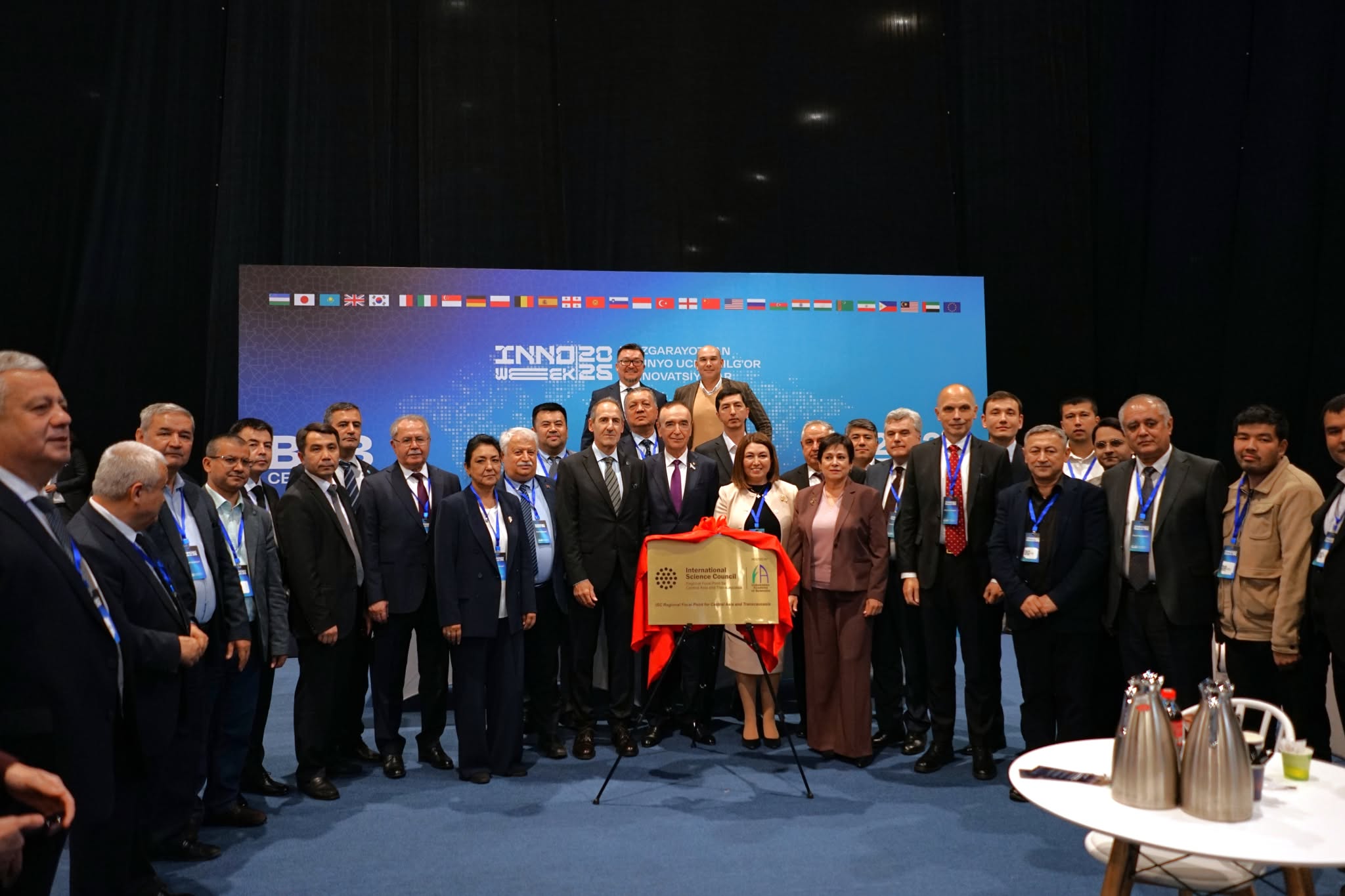
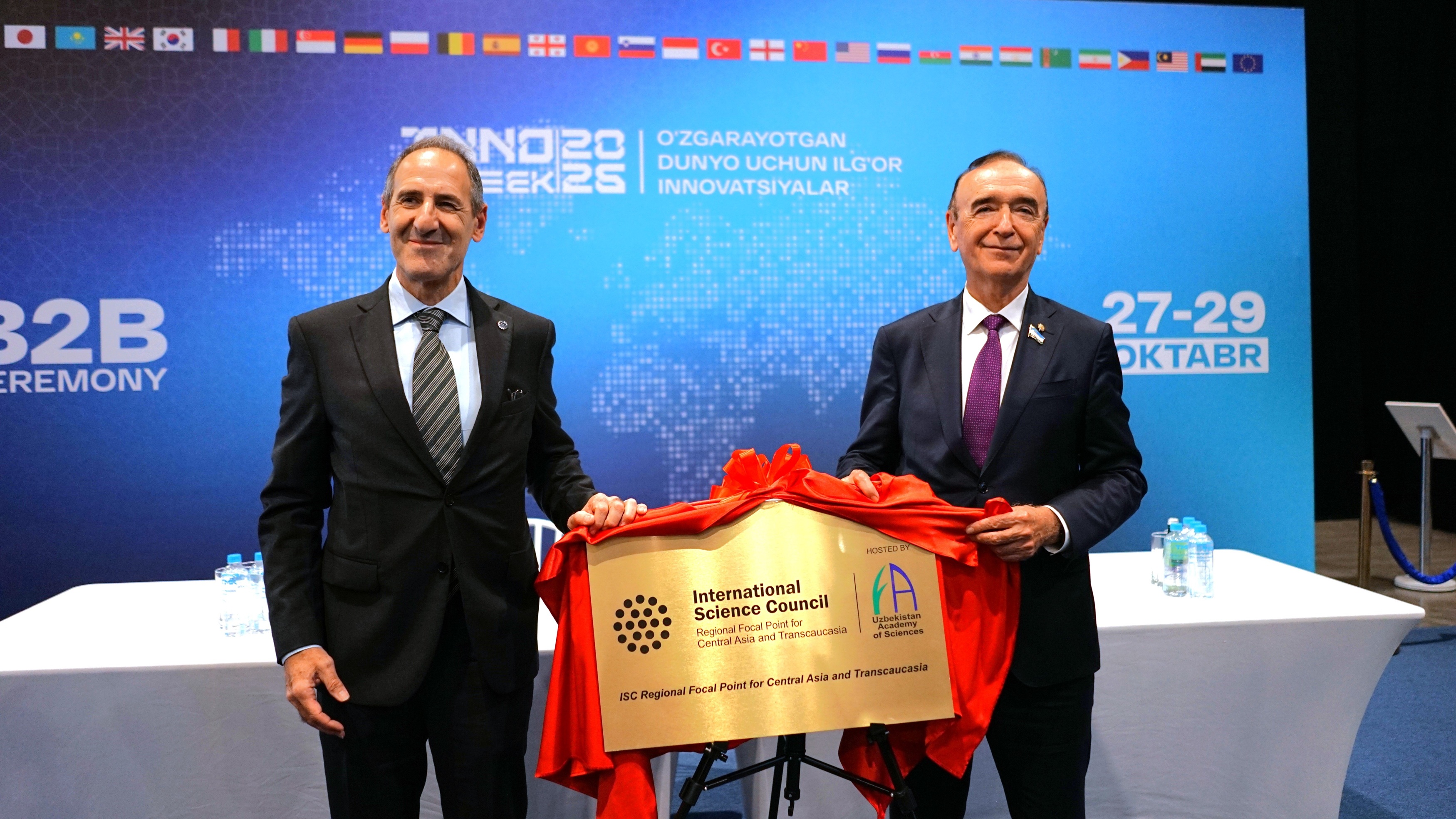
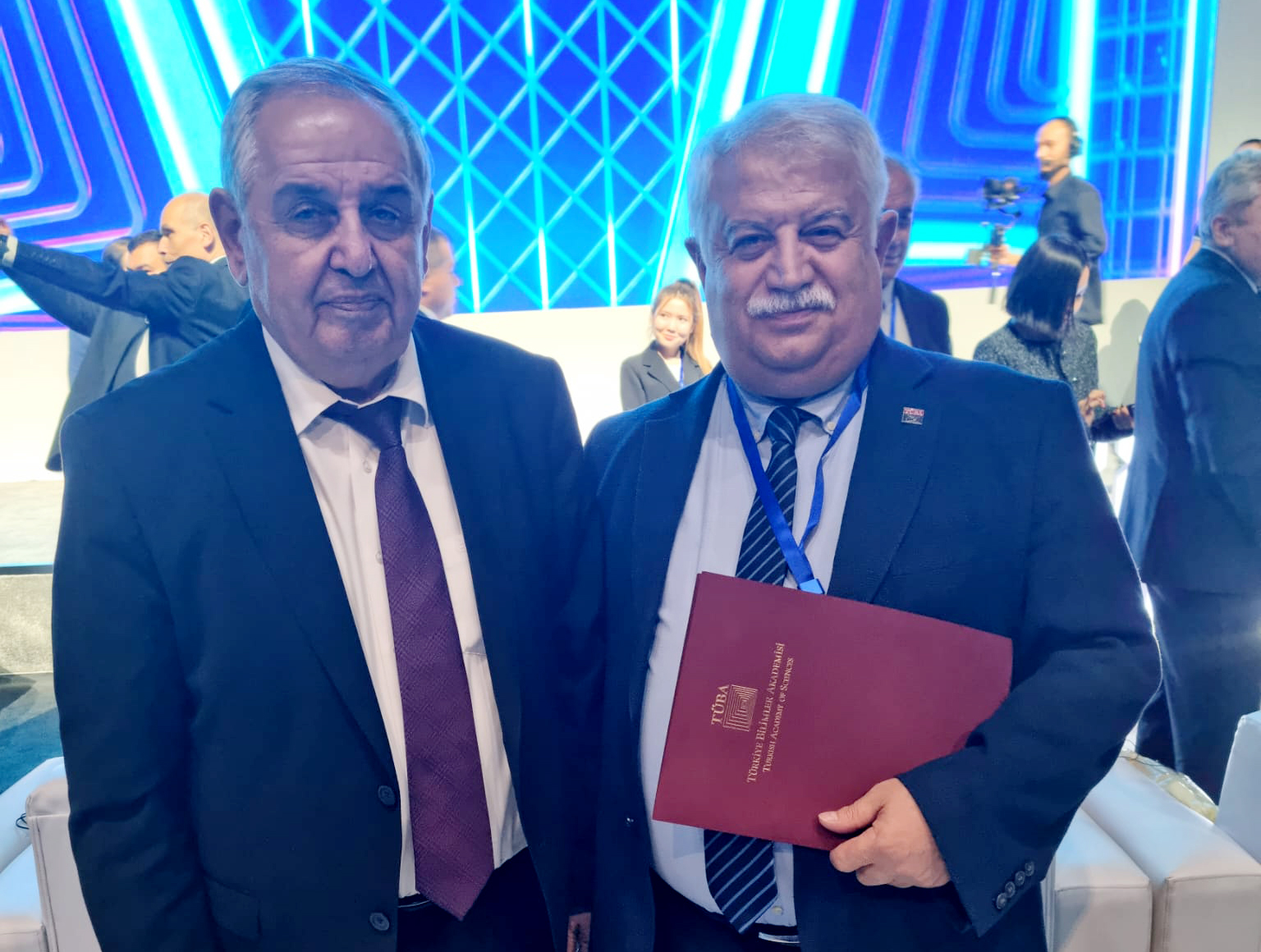
TÜBA President Prof. Dr. Muzaffer Şeker attended the official opening ceremony of the ISC Central Asia and South Caucasus Regional Focal Point, organized by the International Science Council (ISC). At the event held in Tashkent, the capital of Uzbekistan, representatives of national academies of sciences discussed the development of regional scientific cooperation, joint research priorities, and ways to enhance the region’s role in international science policy.
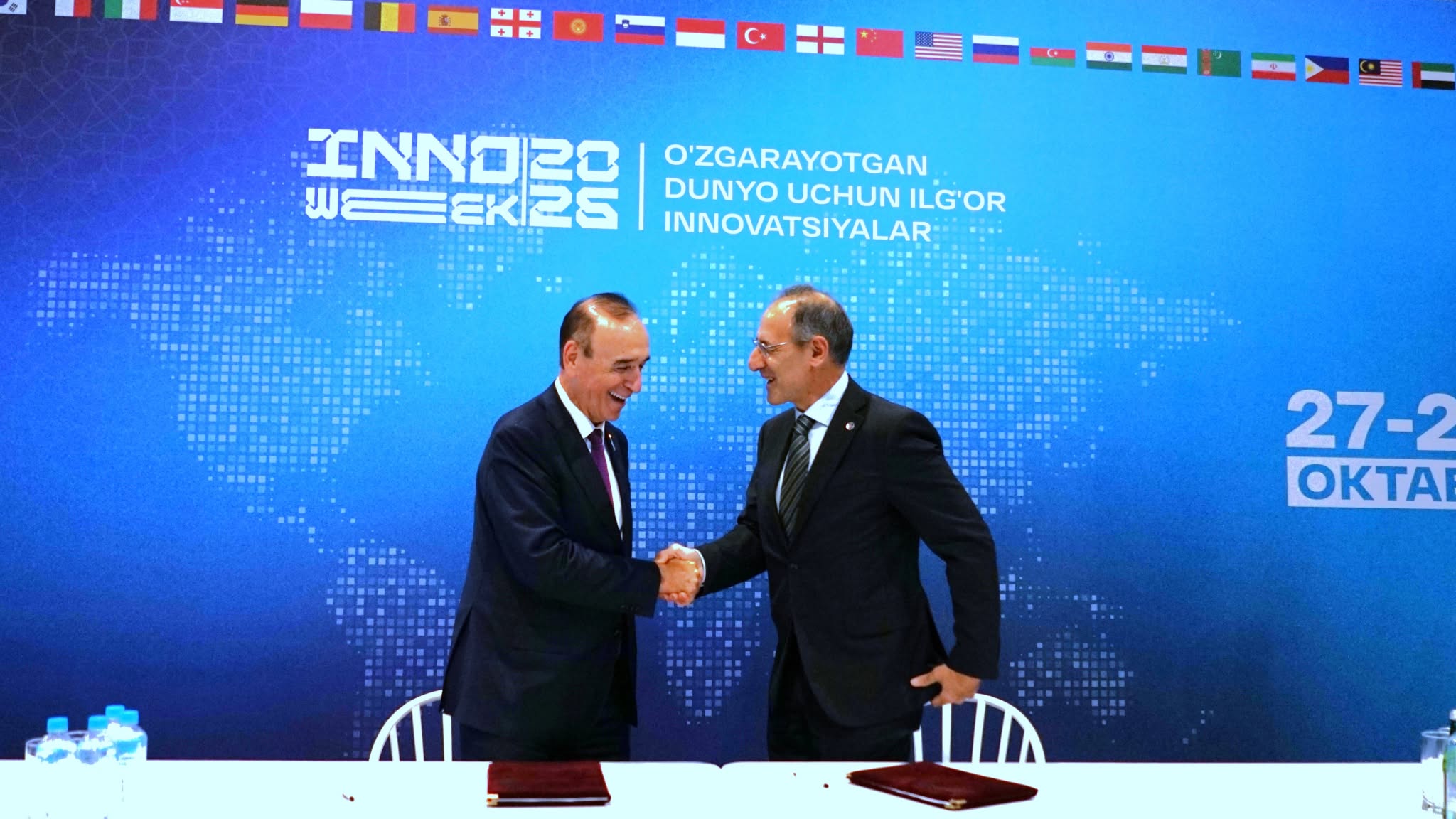
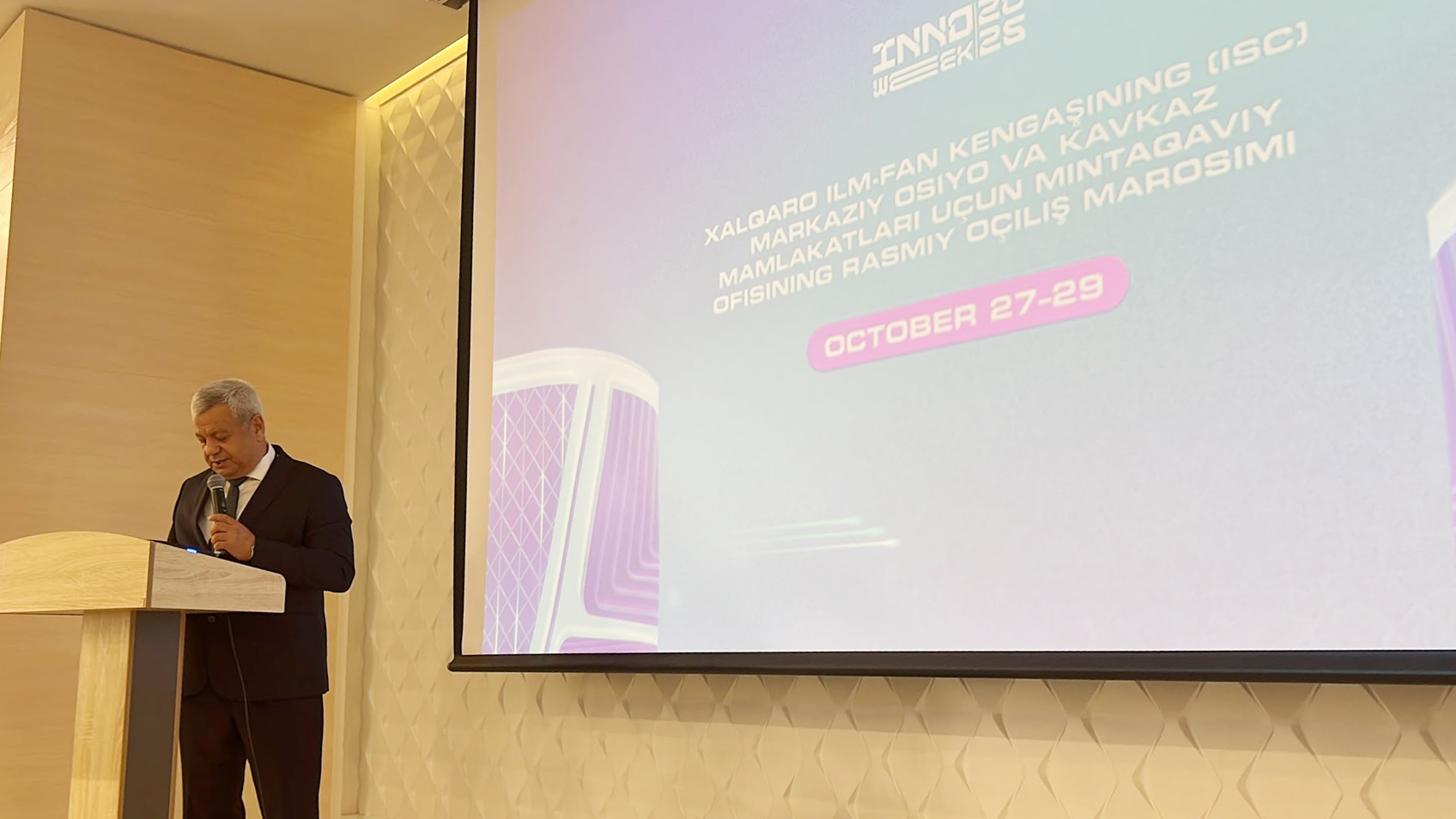
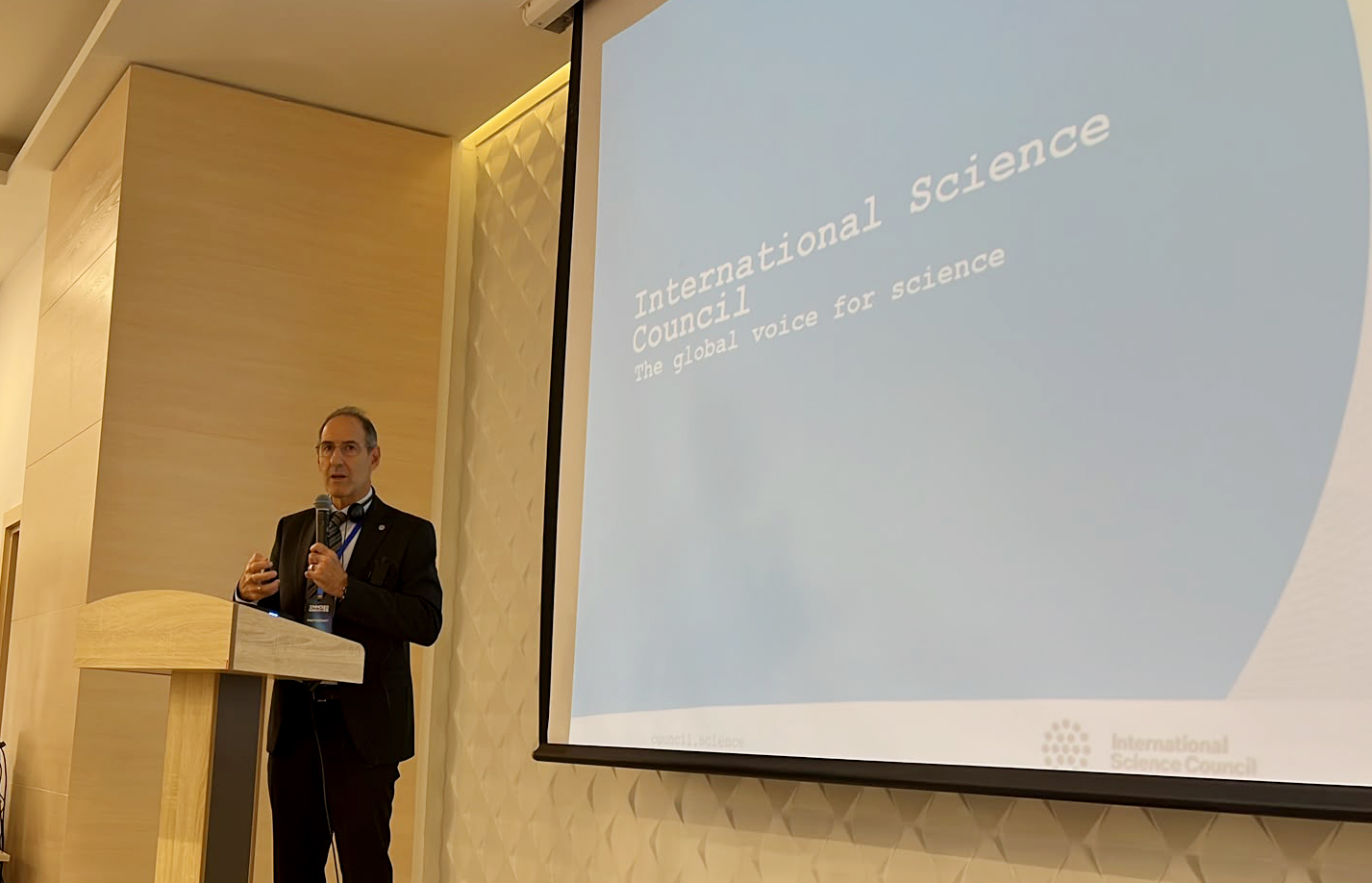
The program, carried out in collaboration between the Academy of Sciences of the Republic of Uzbekistan and the ISC, began with speeches by Prof. Dr. Shavkat Ayupov, President of the Academy of Sciences of the Republic of Uzbekistan, and Uktam Salomov, Director of the Agency for Innovative Development of Uzbekistan followed by the screening of a video message sent by ISC President Prof. Dr. Robbert Dijkgraaf. Following the opening ceremony, ISC Executive Director Dr. Salvatore Aricò provided information on the ISC’s regional structure, while Prof. Dr. Shahlo Turdikulova, Vice President of the Uzbekistan Academy of Sciences, outlined the establishment and objectives of the Central Asia and South Caucasus Regional Focal Point. In addition, a cooperation agreement formalizing the establishment of the ISC Regional Focal Point was signed by ISC Executive Director Dr. Salvatore Aricò and the President of the Uzbekistan Academy of Sciences, Prof. Dr. Shavkat Ayupov.
Salvatore Aricò: “The countries of Central Asia and the Transcaucasus have deep-rooted scientific traditions and can make significant contributions to global science. A year ago in Tashkent, the region’s academies requested ISC’s assistance to enable closer collaboration. Today, we are responding to that call. The Regional Focal Point will provide scientists in the region with direct access to the ISC’s global initiatives, while also offering the ISC an opportunity to better understand the region’s needs,” he said.
Shavkat Ayupov, President of the Academy of Sciences of the Republic of Uzbekistan, noted that hosting the ISC Regional Focal Point is a responsibility that the Academy takes seriously. “Our countries face many common challenges, ranging from water and food security to the need to retain talented young researchers in the region. By working through the Regional Focal Point, we can address these issues together and ensure that our scientific community is heard in international discussions,” he said.
Regional Scientific Cooperation and Shared Academic Experiences Discussed
During the session titled “Regional Perspectives: Expectations and Opportunities for Regional Scientific Cooperation,” held as part of the program, representatives from Kyrgyzstan, Tajikistan, Turkmenistan, Armenia, Azerbaijan, and Georgia gave presentations on scientific research in their countries and opportunities for regional cooperation.
In the session titled “Assessments and Outlook: Experiences of Neighboring Academies,” TÜBA, the Russian Academy of Sciences, the Turkic Academy, the Science Academy in Türkiye, and their representatives shared their experiences. During the session, in which TÜBA President Prof. Dr. Muzaffer Şeker served as a speaker, the focus was on strengthening inter-academy networks and utilizing existing cooperation mechanisms more effectively on a regional scale. In his speech, President Şeker emphasized that regional scientific cooperation would be strengthened not only through institutional agreements but also through sustainable activities, programs targeting young researchers, and joint scientific output. Prof. Dr. Şeker, who regarded the implementation of the “Regional Focal Point”, a topic raised at last year’s consultation meeting in Tashkent, as an important step. President Şeker congratulated the Uzbekistan Academy of Sciences, the ISC, and the academies contributing to the process.
Lasting Cooperation Is Possible Through Regular and Sustainable Activities
Sharing four key recommendations for regional scientific cooperation to yield lasting results, President Şeker first highlighted the importance of regular and sustainable joint activities. Noting that the summer schools of the Turkic world’s academies have been held eight times, Şeker stated that in August 2026, 77 young researchers from 11 countries gathered in Konya to work in the fields of Turkology, artificial intelligence, and energy. Şeker emphasized the continuity of cooperation, stating, “A network lives by its calendar, not by its declarations.”
Second, Şeker emphasized the need to invest in young researchers, noting that through the Aziz Sancar Research Fellowship Programme, which has been carried out by TÜBA and TÜBİTAK since 2023, young researchers from Uzbekistan have been able to conduct research in laboratories in Türkiye for their doctoral and postdoctoral studies. Şeker noted that researchers who gain scientific experience in different countries play a significant role in establishing long-term academic ties.
He also stated that a shared historical and cultural heritage forms a foundation of trust for scientific collaboration, citing as examples the two-volume work titled “Amir Timur and His Legacy”, published by TÜBA, and the joint efforts of academic institutions across the Turkic world. Noting that scientific collaboration is not limited to the humanities, Şeker stated that addressing the natural and social sciences together would enhance the capacity to generate solutions to regional problems.
Prof. Şeker’s fourth recommendation was to establish connections among existing scientific networks. Noting that TÜBA has approximately 40 bilateral agreements, Şeker emphasized that the new collaboration mechanism should play a unifying role among academies, ministries, and international scientific organizations rather than duplicating existing structures. He stated that this would enable the region to be represented with a unified voice on platforms where global science policies are shaped.
Call for Joint Work on Water, Climate, Earthquakes, Health, and Artificial Intelligence
Assessing the areas where the Regional Focal Point could make concrete contributions, Şeker listed water and climate, earthquakes, food and health, and artificial intelligence as priority areas for collaboration.
Noting that changes in Central Asia’s water resources and glaciers must be addressed through joint research at the regional level, Şeker drew attention to the World Science Forum (WSF), which Türkiye will host in Istanbul from March 17–20, 2027. Stating that TÜBA is ready to support the dissemination of scientific findings from academic institutions in the region on international platforms, Şeker noted that regional cooperation could contribute to climate and water policies. He pointed out that earthquake risk knows no national borders and called for the sharing of seismic data and the conduct of joint research on resilient building systems. In the areas of food security and health, he noted that the “One Health” approach, which brings together physicians, veterinarians, and ecologists, presents an important opportunity for regional cooperation. Emphasizing the importance of developing common language resources and ethical principles regarding artificial intelligence, he highlighted joint efforts on AI ethics within the Turkic world. Şeker stressed the necessity of reflecting the region’s own languages and cultural heritage in AI technologies, stating, “If artificial intelligence does not learn the languages of this region, this region will have no place in artificial intelligence.”
Invitation to the World Science Forum in Istanbul
Noting that TÜBA is ready to share its programs for young researchers and its experience in transforming the scientific research of its working groups into policy recommendations with the countries within the Regional Focal Point, Şeker also extended an invitation to the World Science Forum to be held in Istanbul during his speech.
Recalling that the theme of the forum, to be held in Istanbul between March 17 and 20, 2027, under the auspices of the Presidency of the Republic of Türkiye, is “Science in Times of Global Crises: Transcending Boundaries in a Fragmented World,” Şeker proposed that the Regional Focal Point present its shared priorities to the international scientific community through a special session at the forum. Şeker stated that this would enable the new organization to assume an active role in the global scientific agenda shortly after its establishment. Concluding his speech by highlighting the region’s contributions to world science throughout history, Prof. Dr. Şeker recalled the influence of Uluğ Bey’s astronomical studies in Samarkand, which extended to scientists in Istanbul and Oxford. President Şeker, who noted that the New Regional Focal Point can carry this scientific heritage into the future through contemporary cooperation mechanisms, emphasized that the Turkish Academy of Sciences is ready to contribute to regional scientific cooperation, saying: “The Turkish Academy of Sciences will be a good neighbor to it. A neighbor that stands beside it and gets things done.”