

Legal Problems Related to Earthquakes Discussed in Ankara
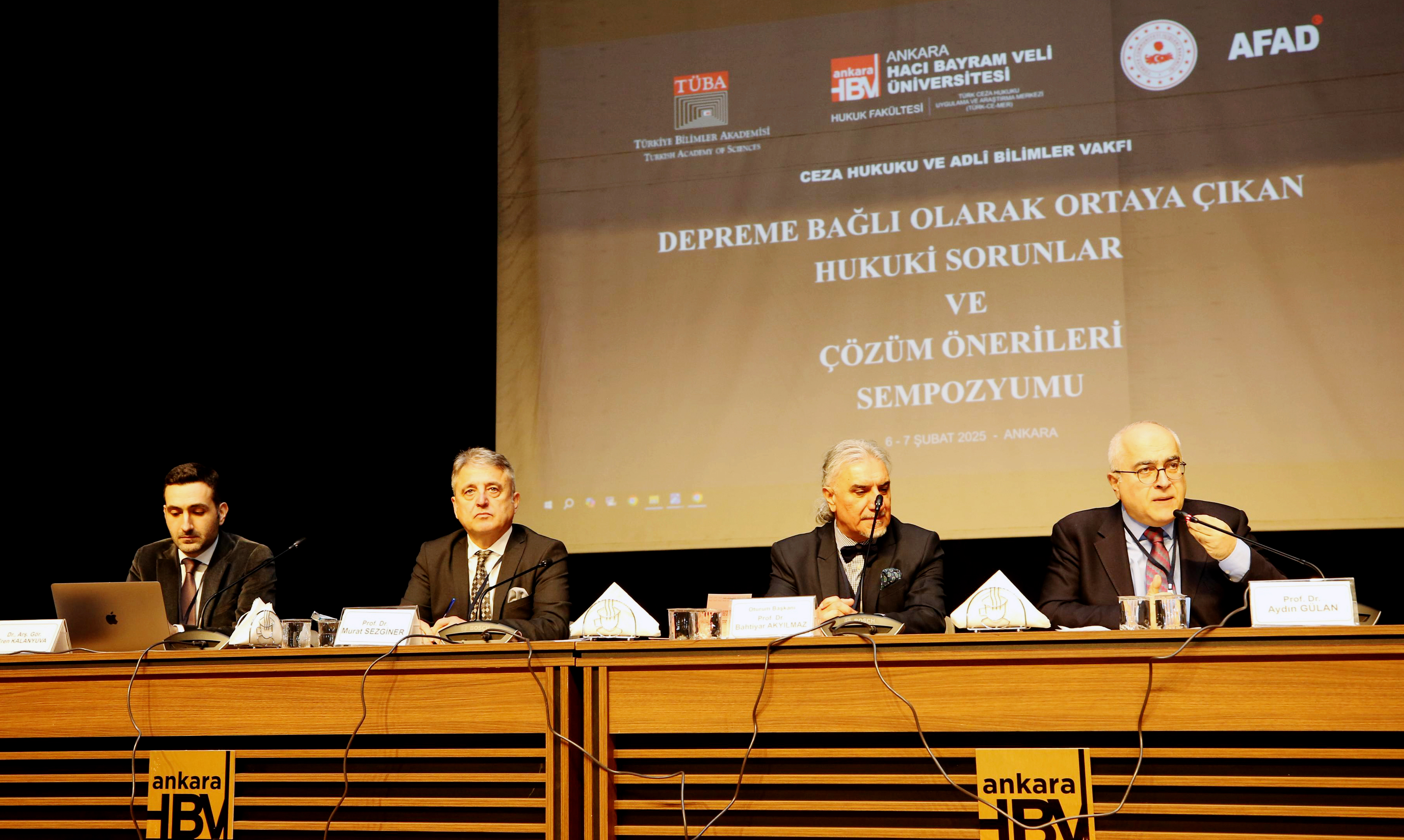
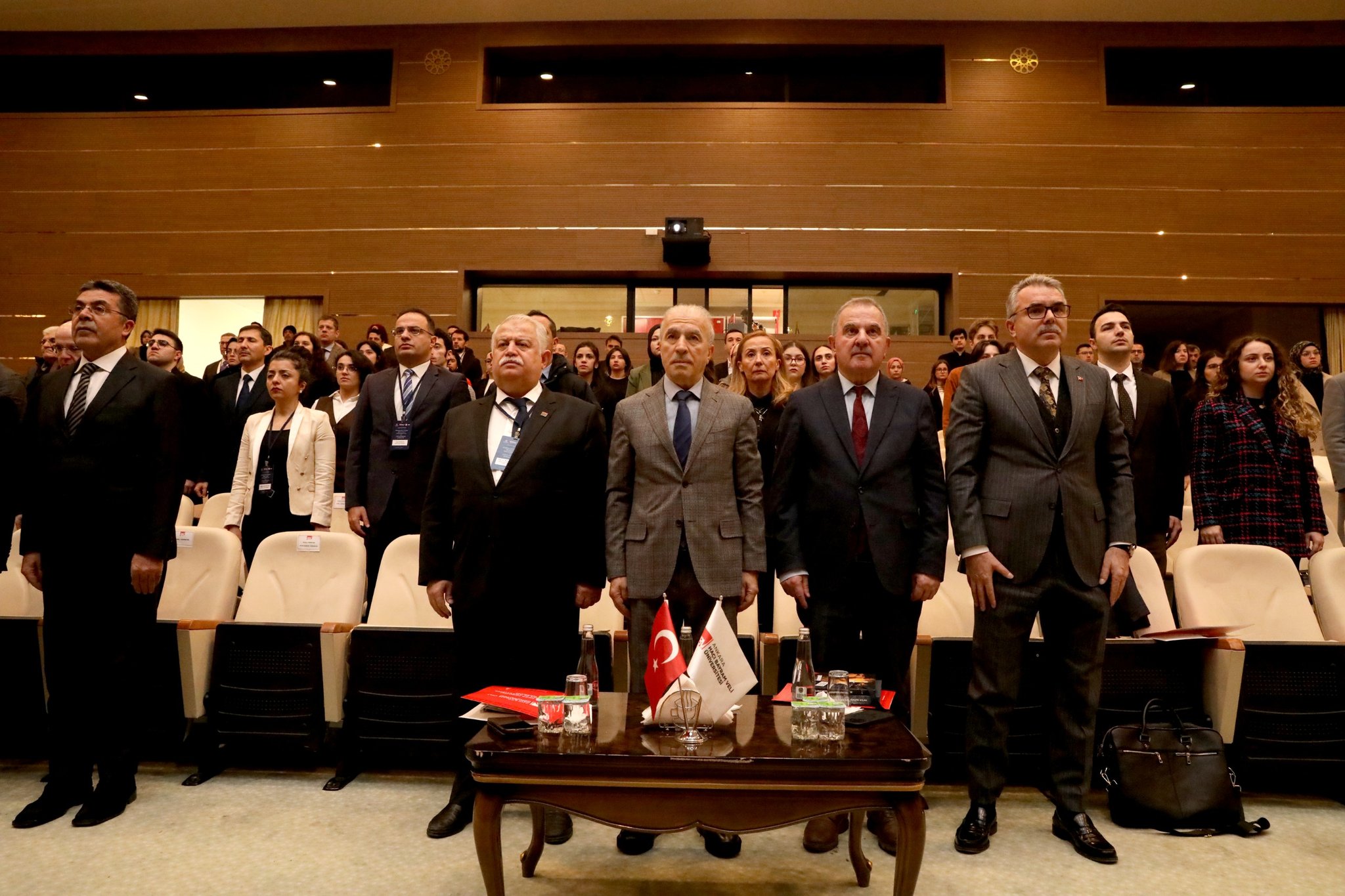
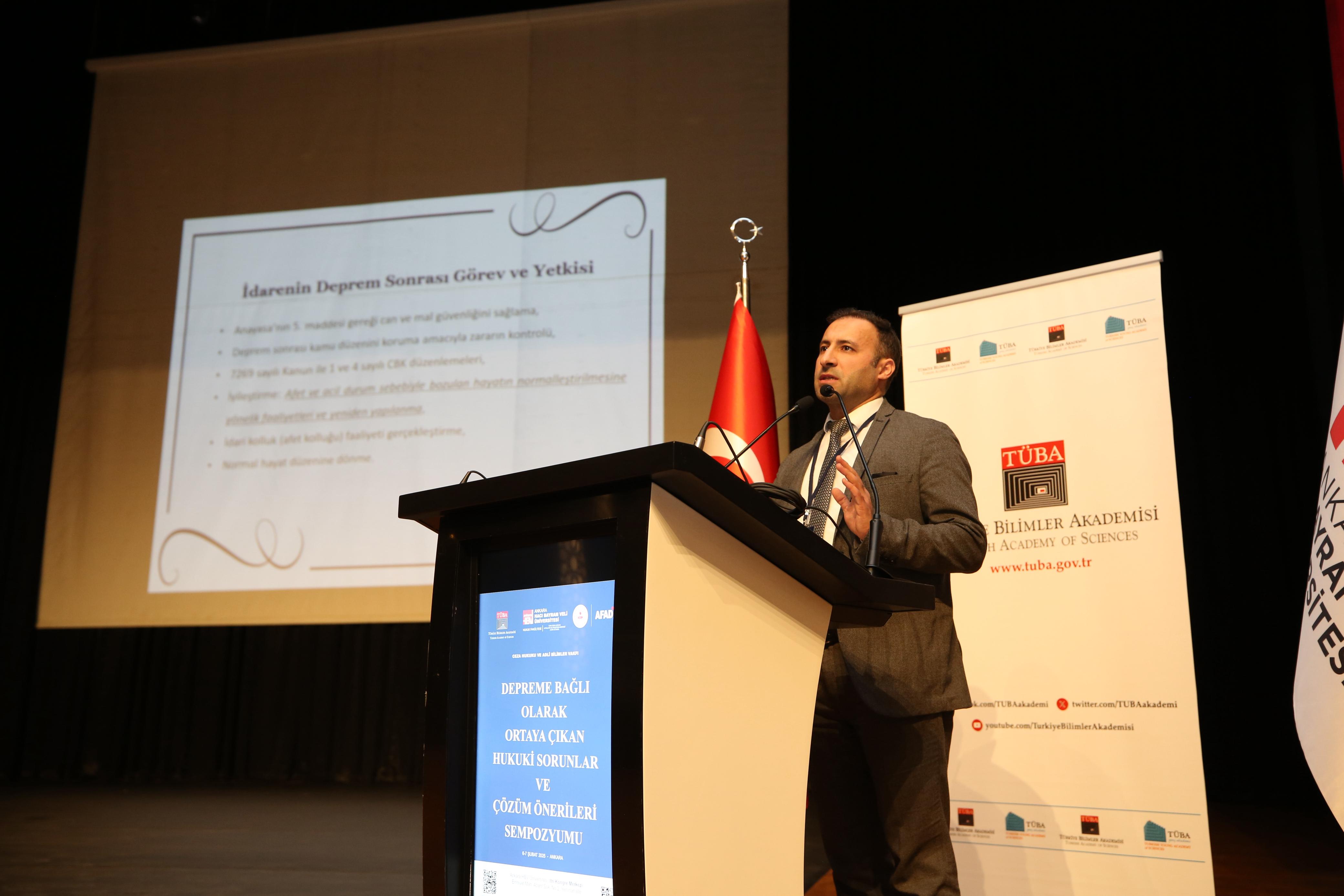
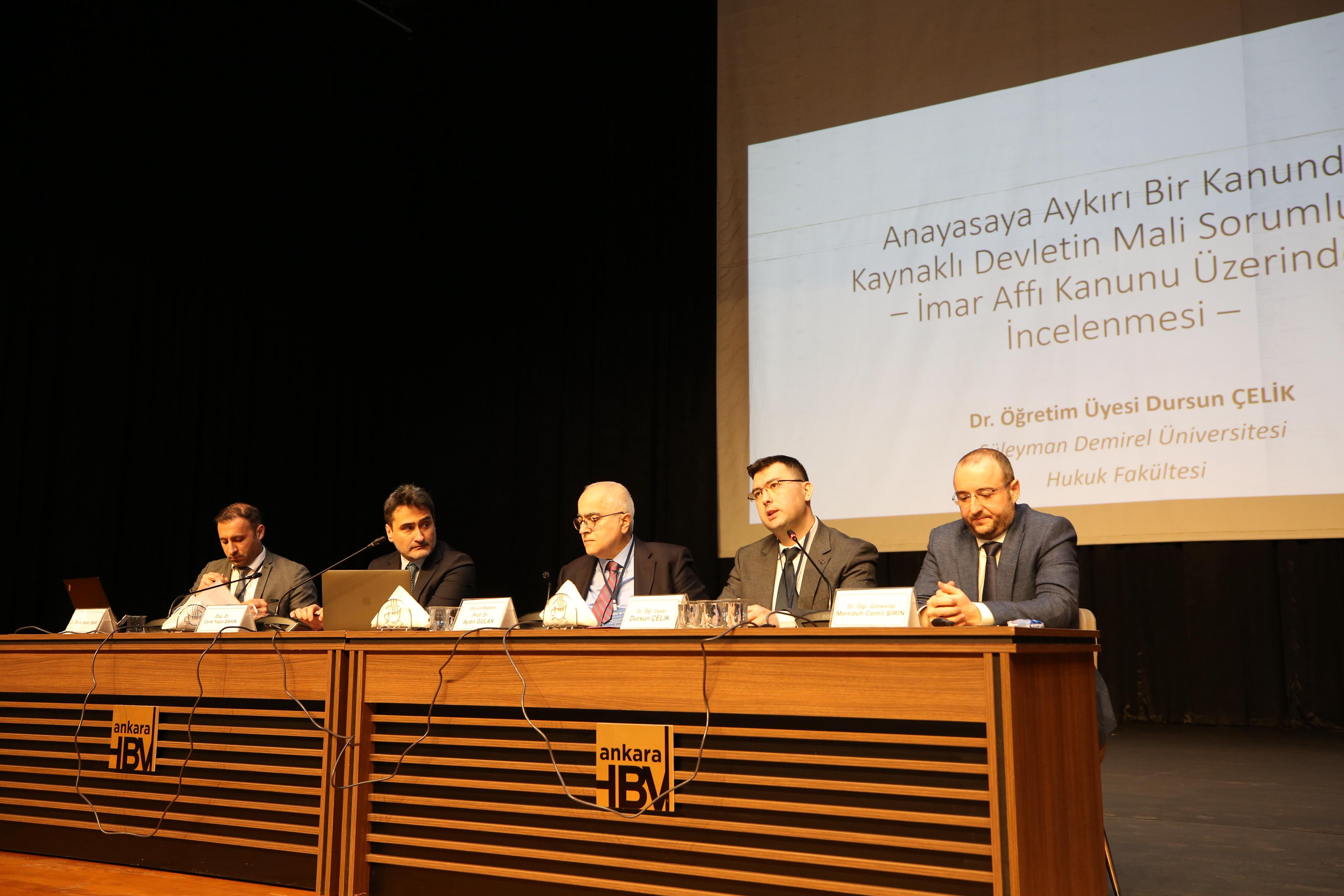
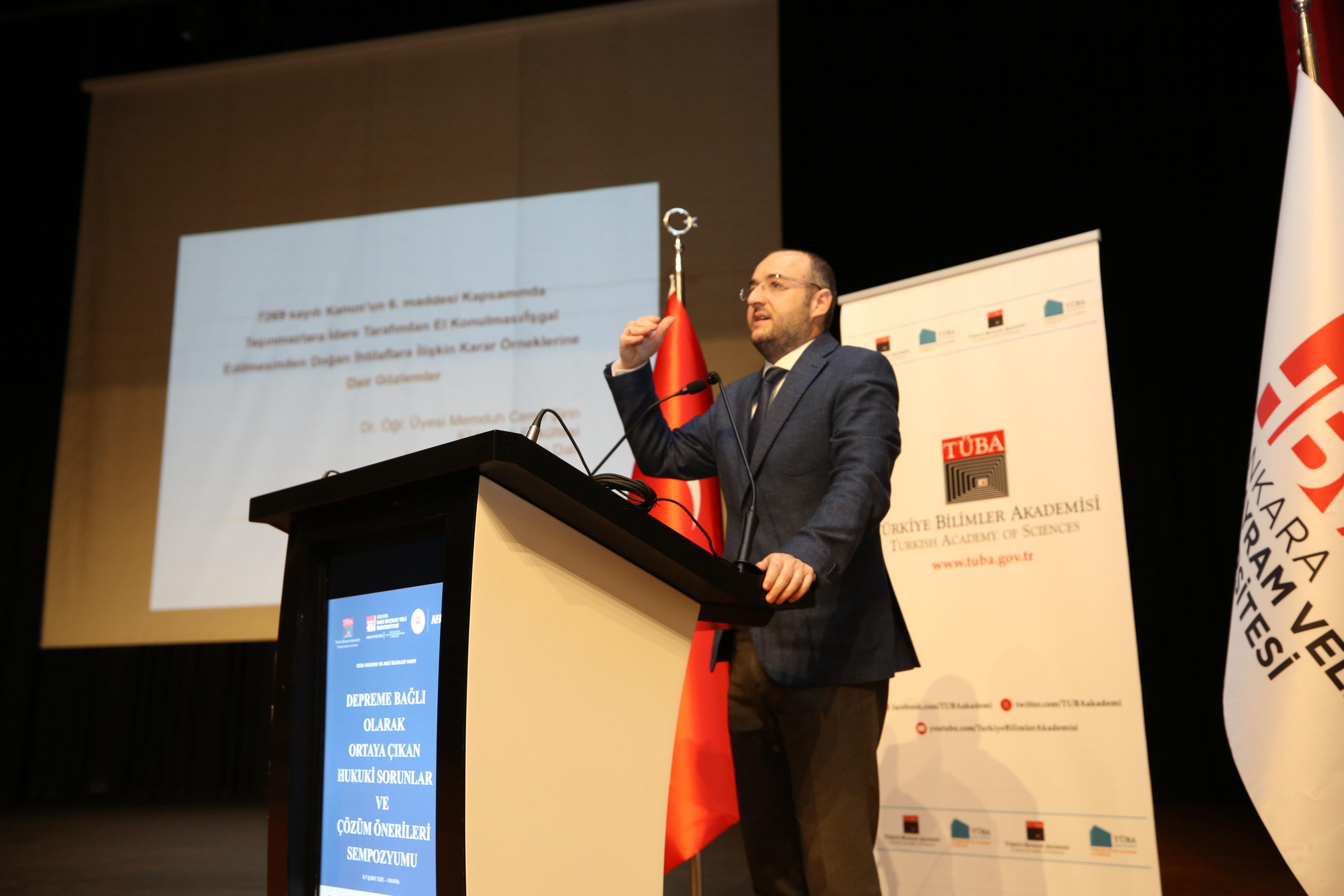
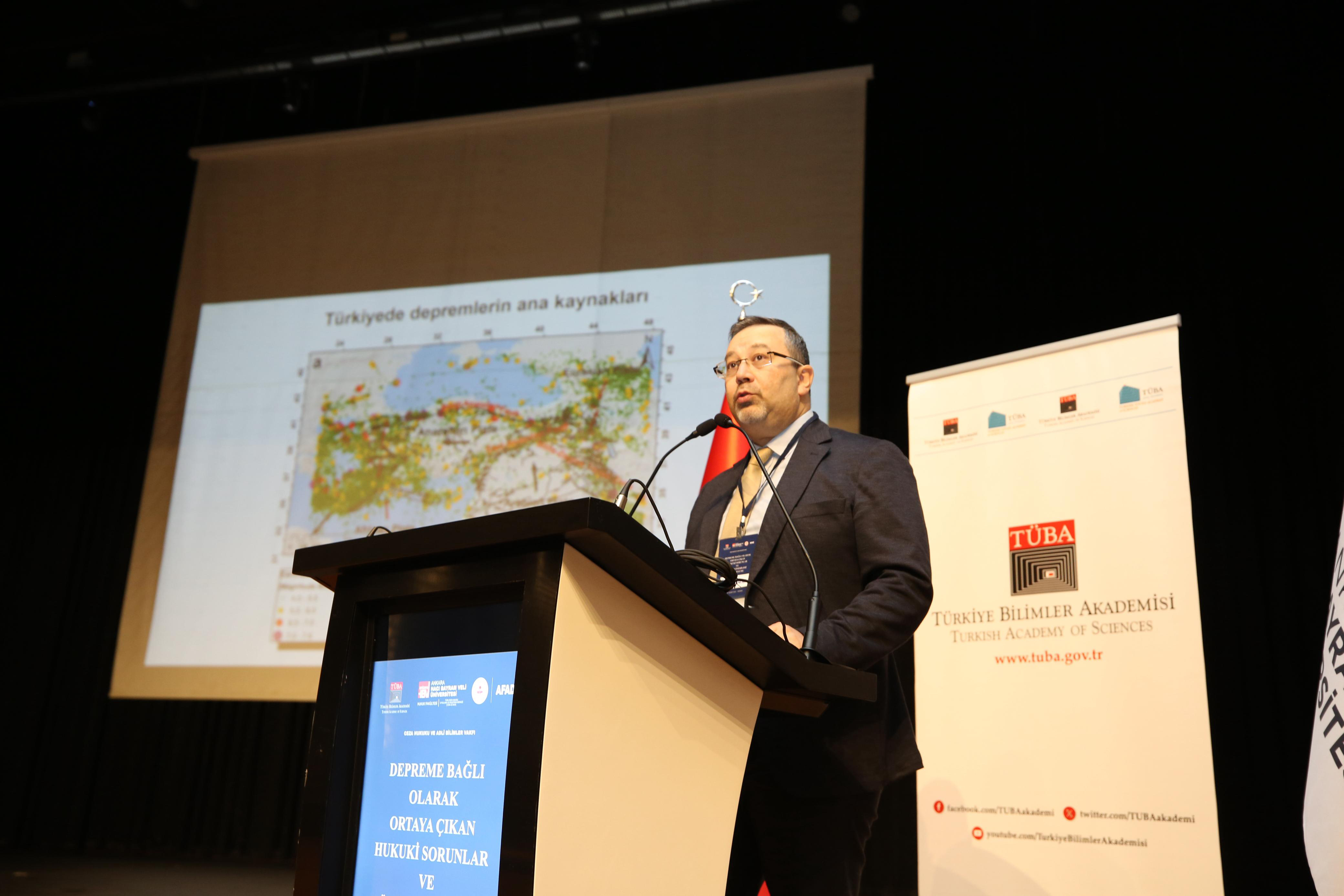
The “Depreme Bağlı Olarak Ortaya Çıkan Hukuki Sorunlar ve Çözüm Önerileri Sempozyumu” (Symposium on Legal Problems Related to Earthquakes and Solution Proposals), chaired by TÜBA Full Member Prof. İzzet Özgenç, was hosted by Hacı Bayramı Veli University (HBV) in Ankara on February 6-7.
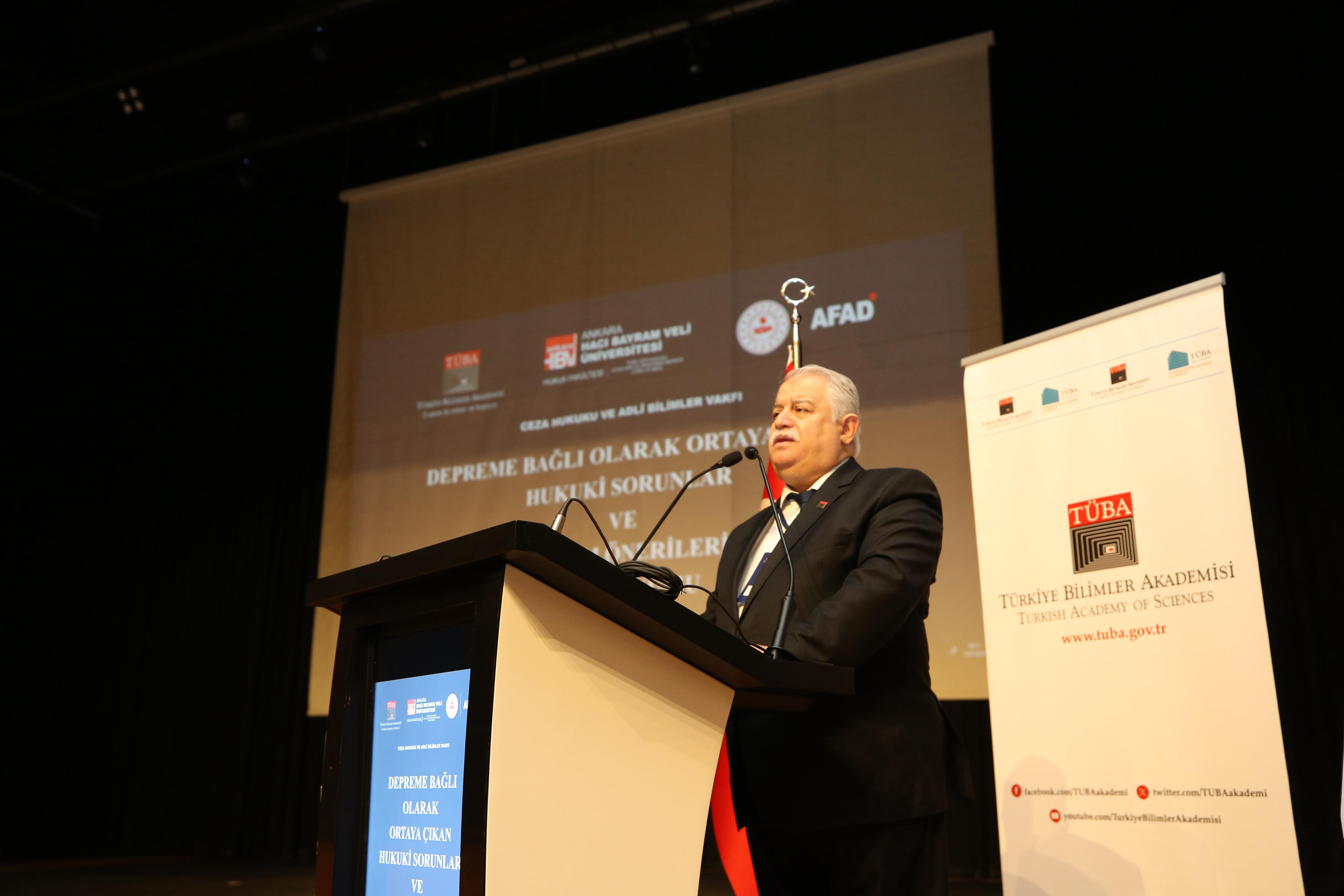
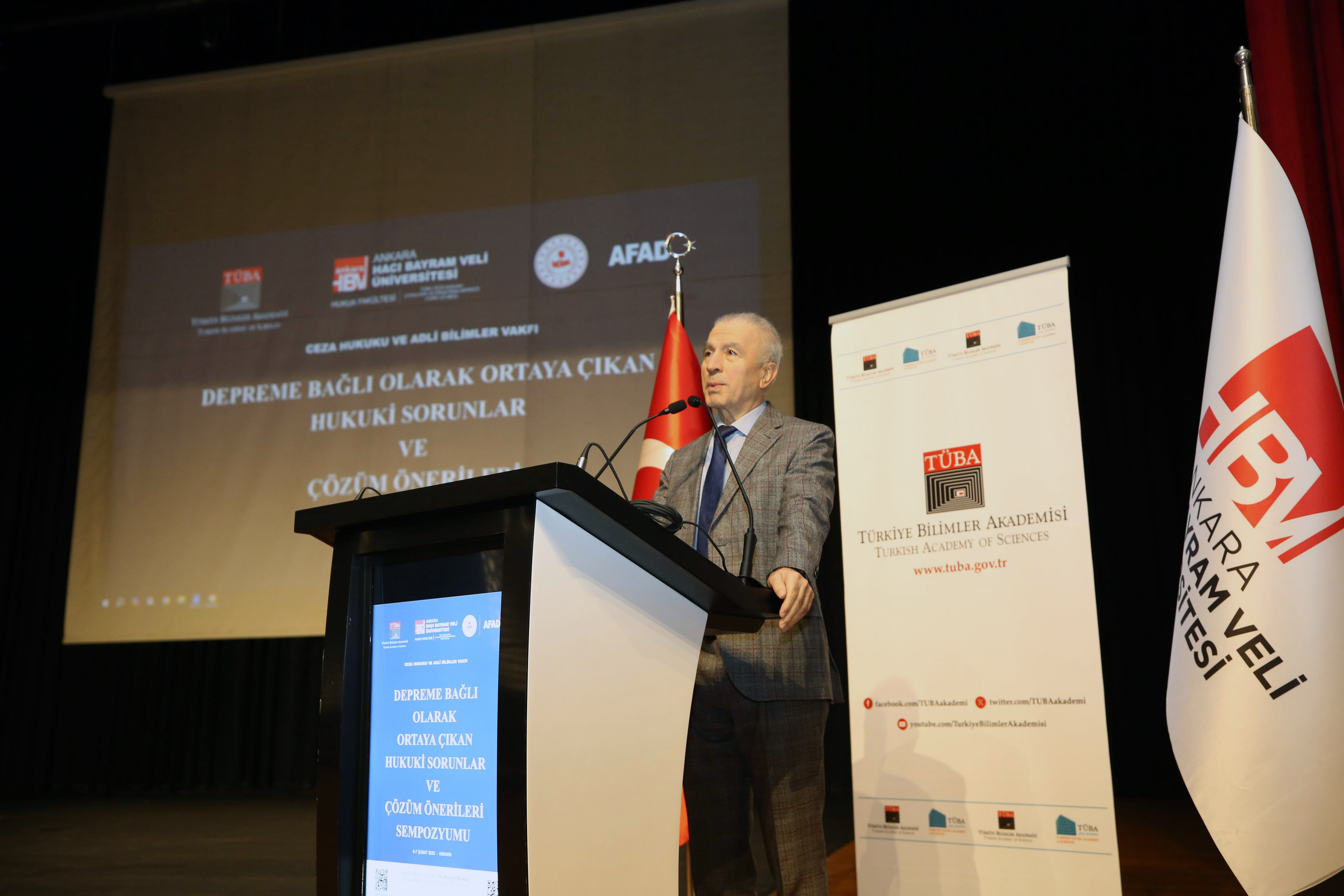
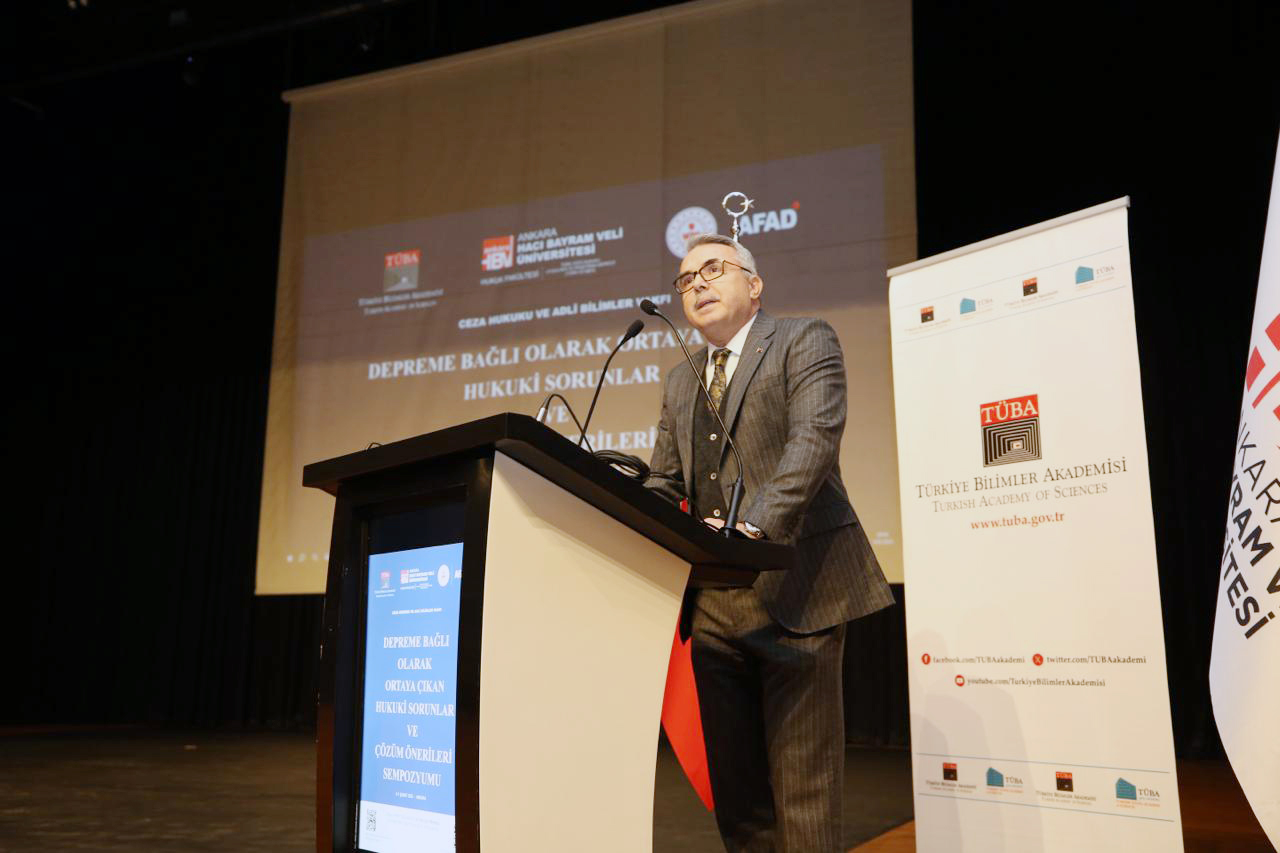
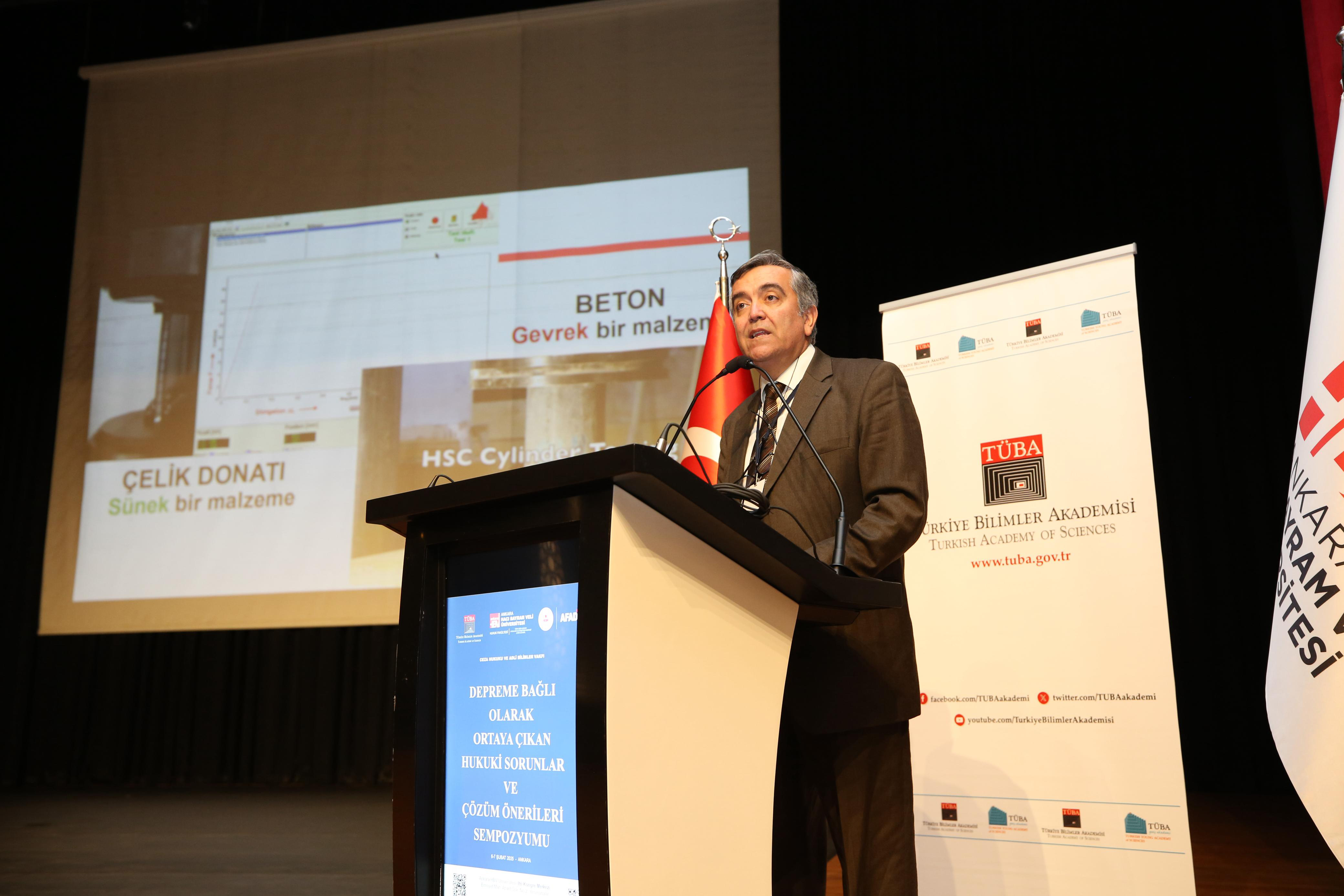
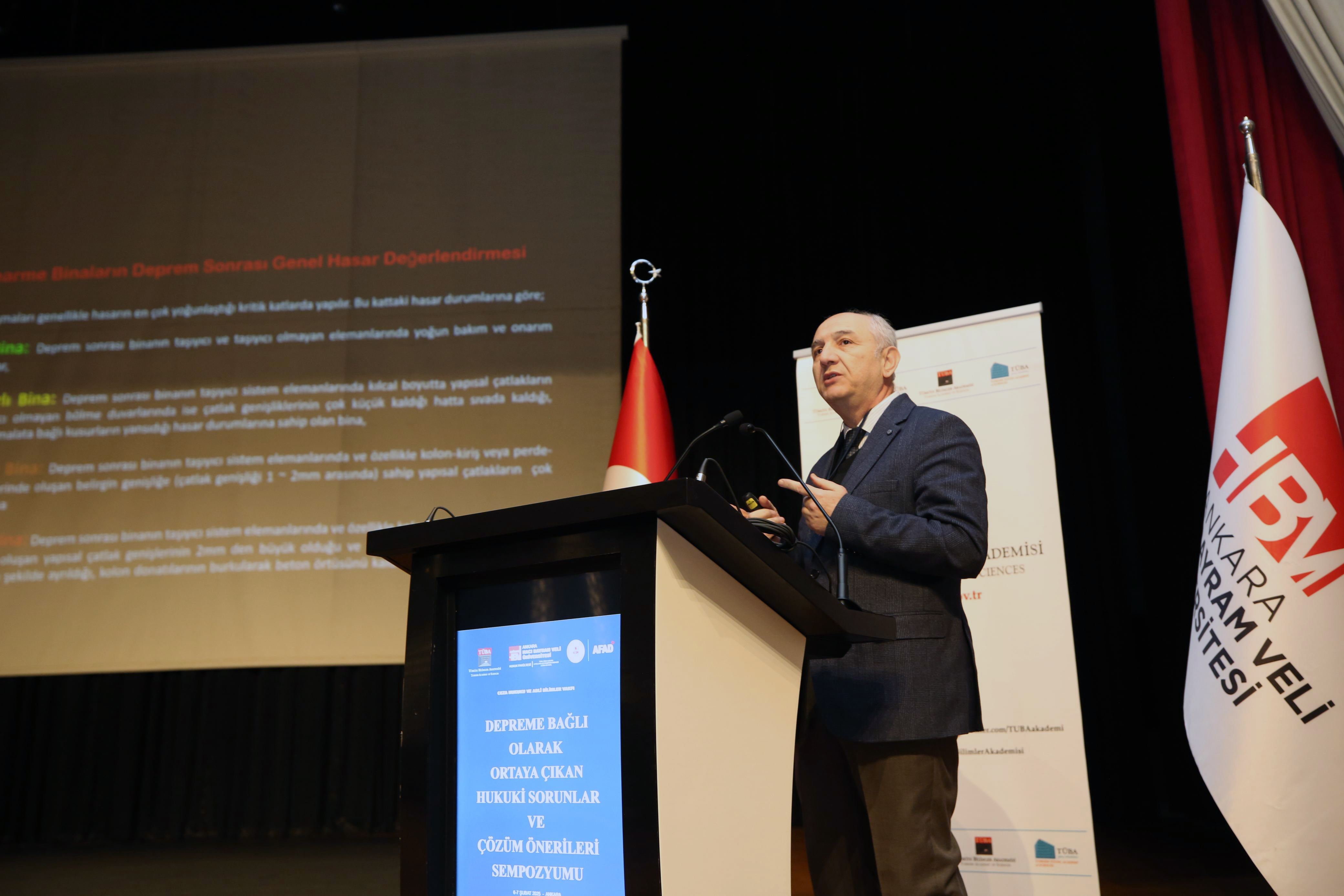
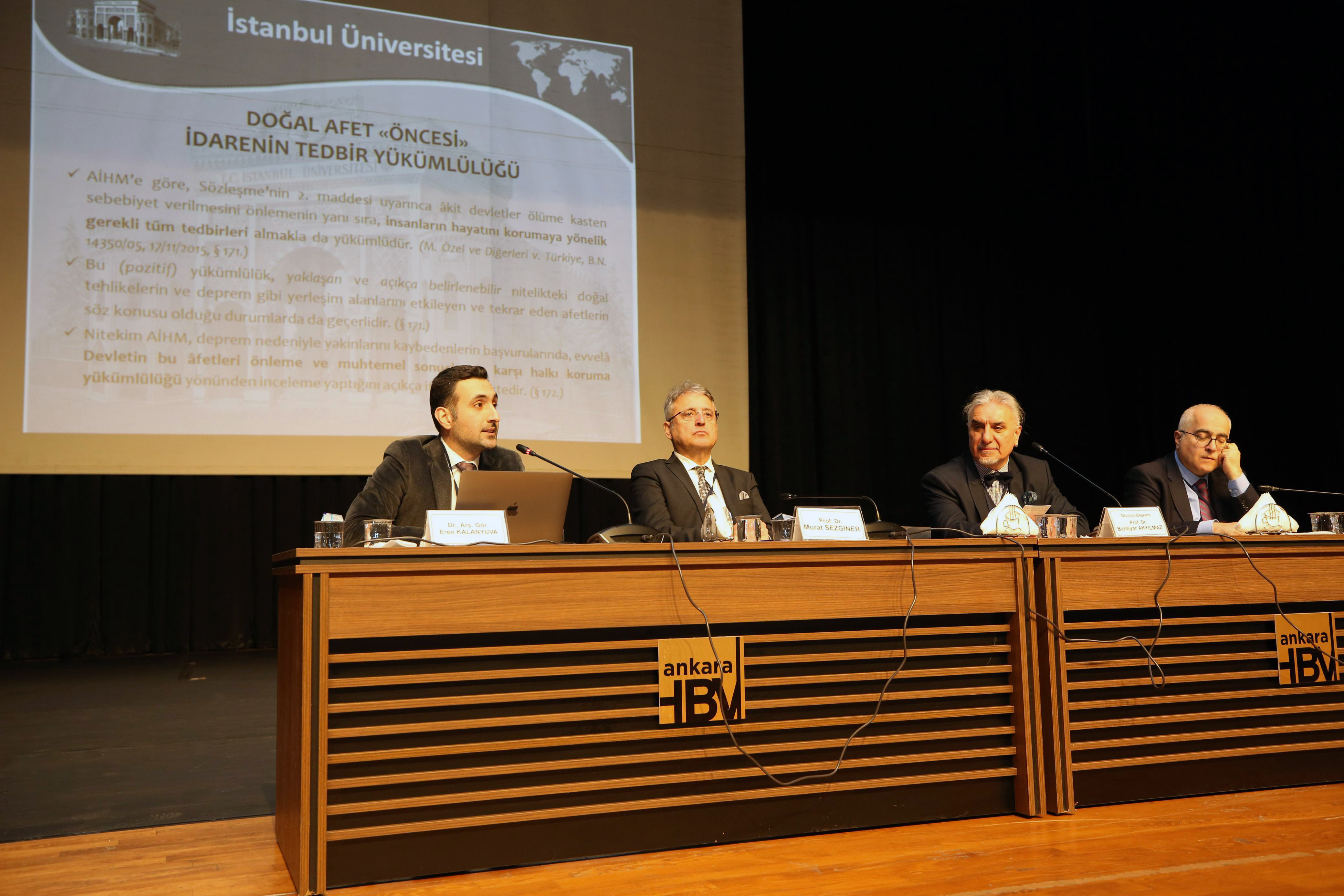
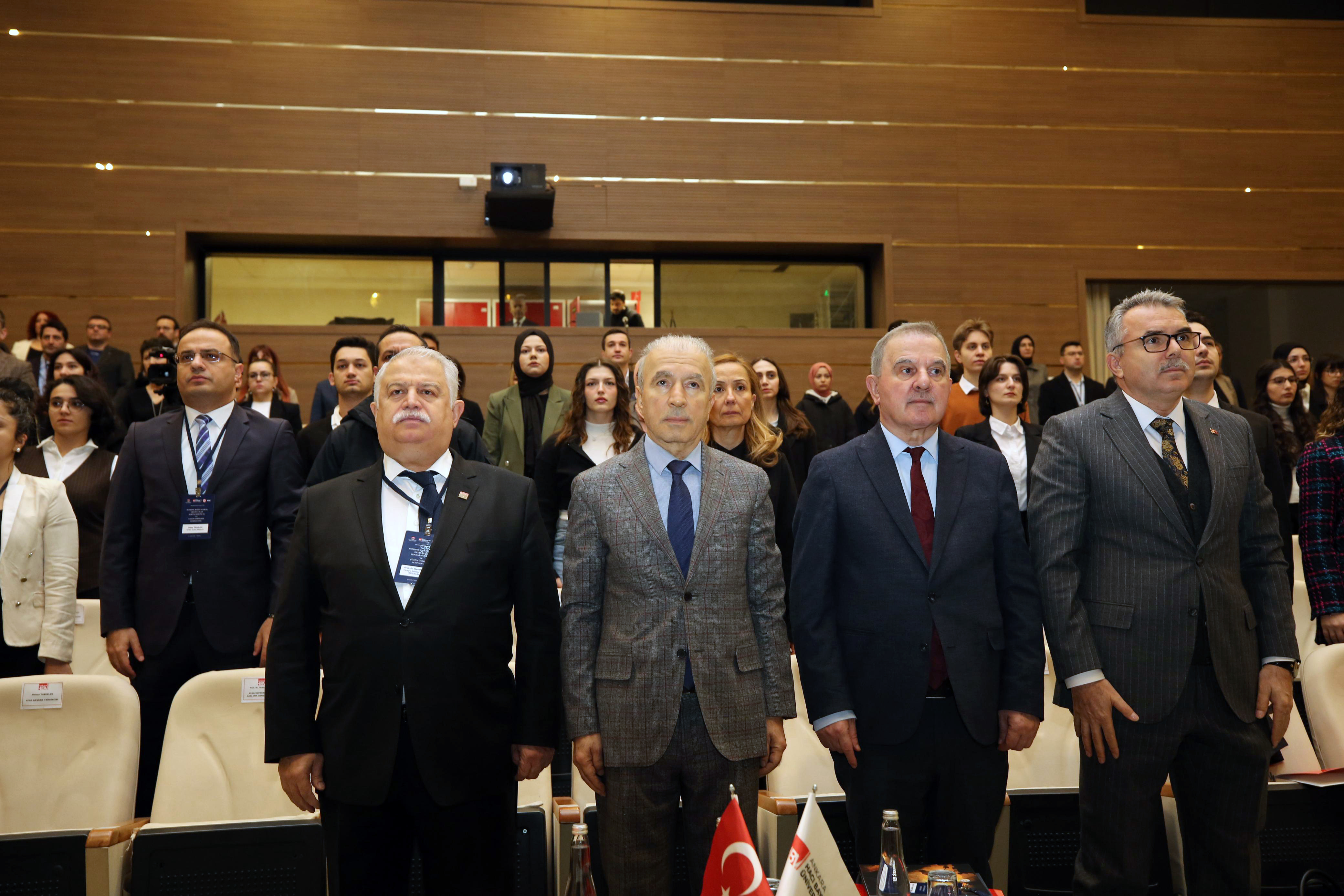
The two-day symposium was prepared to address the legal problems arising from earthquakes and to develop solutions for them. The responsibilities arising from earthquakes were examined in detail, especially in terms of disaster management, administrative law, criminal law, civil law and insurance law. In addition, issues such as the evaluation and development of legislation in the light of lessons learned from past earthquakes were also discussed. The program was opened with the speeches of TÜBA President Prof. Muzaffer Şeker, Ankara HBV University Rector Prof. Mehmet Naci Bostancı and Ankara HBV University Faculty of Law Dean Prof. İlhan Üzülmez.
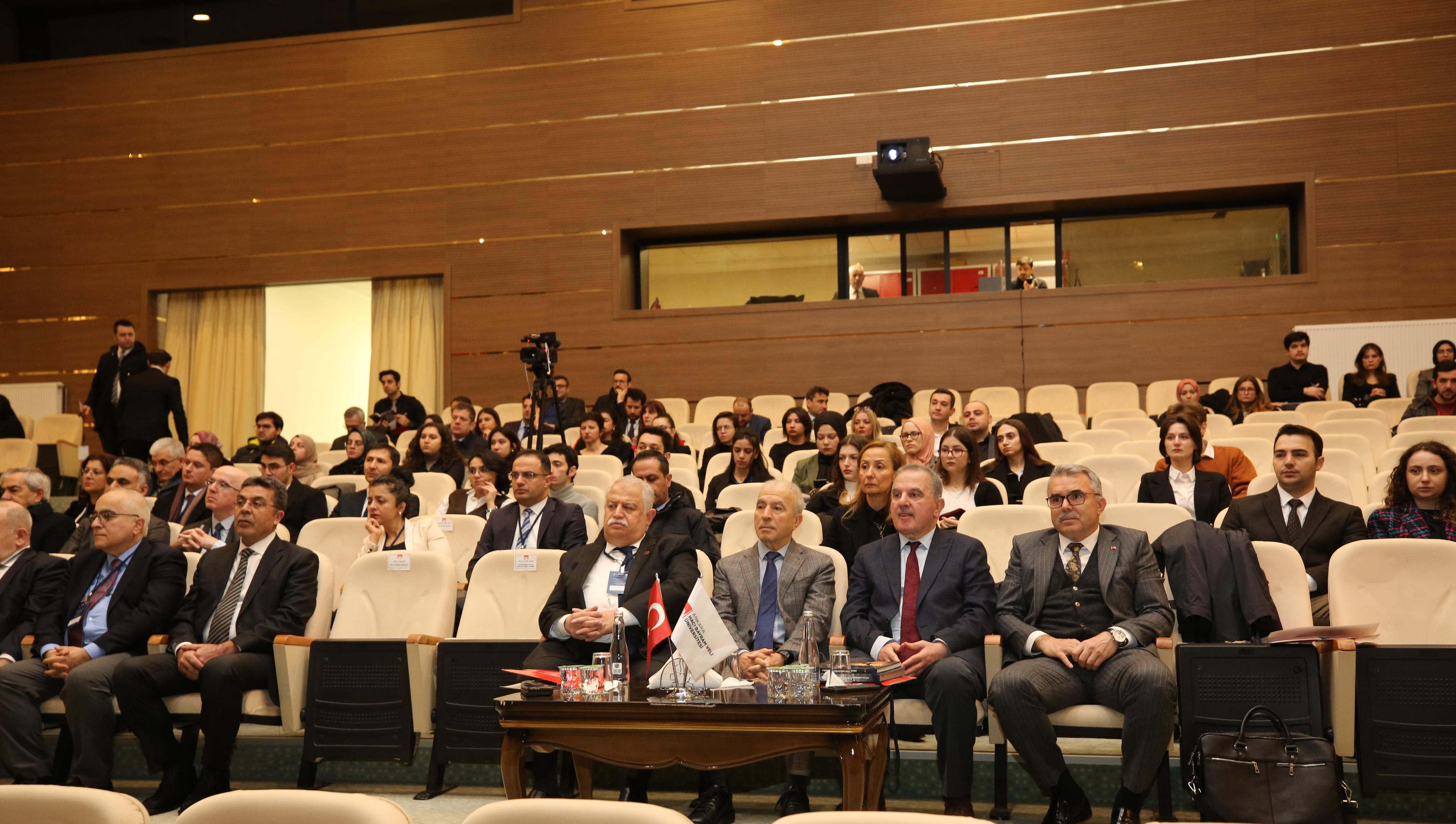
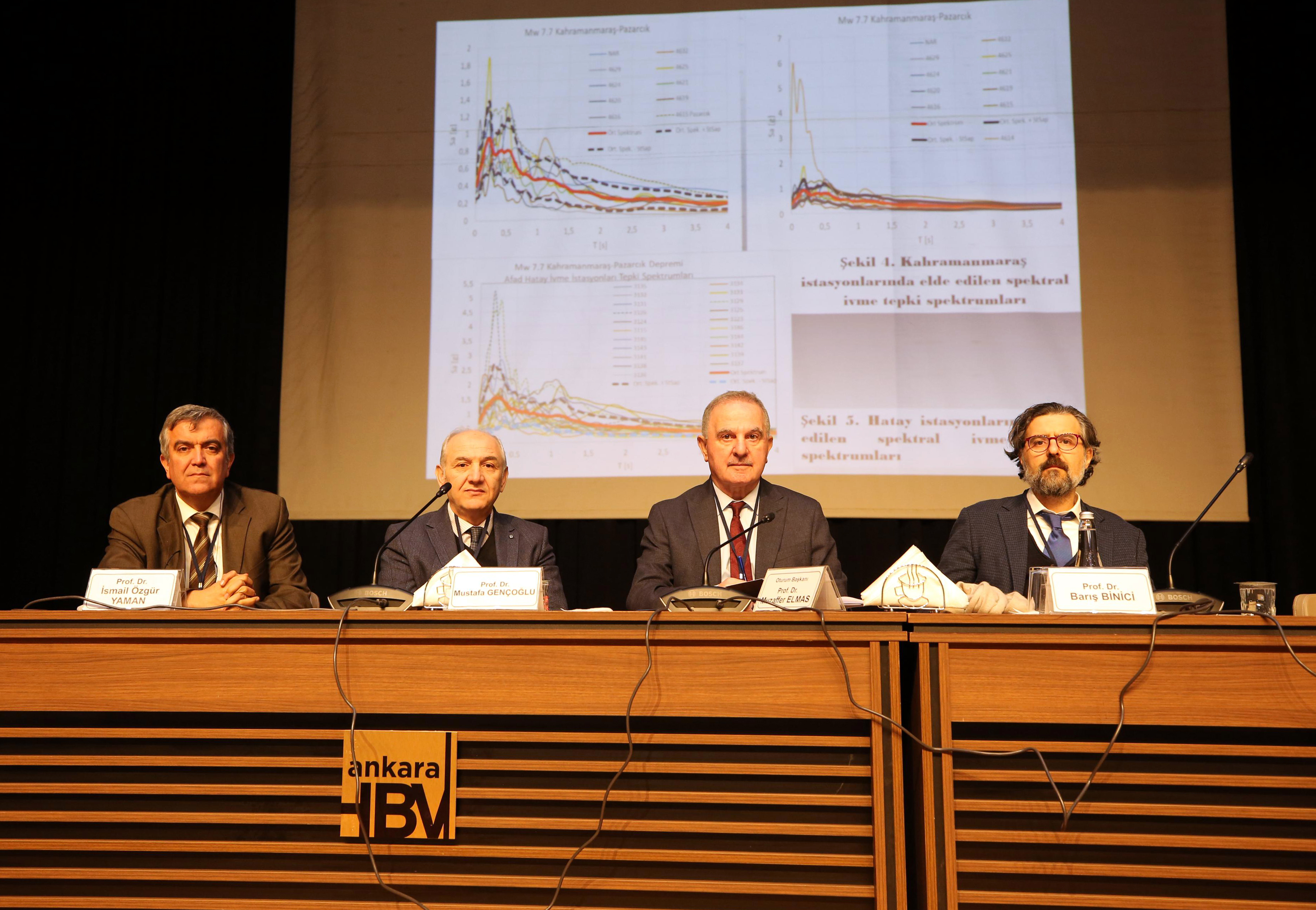
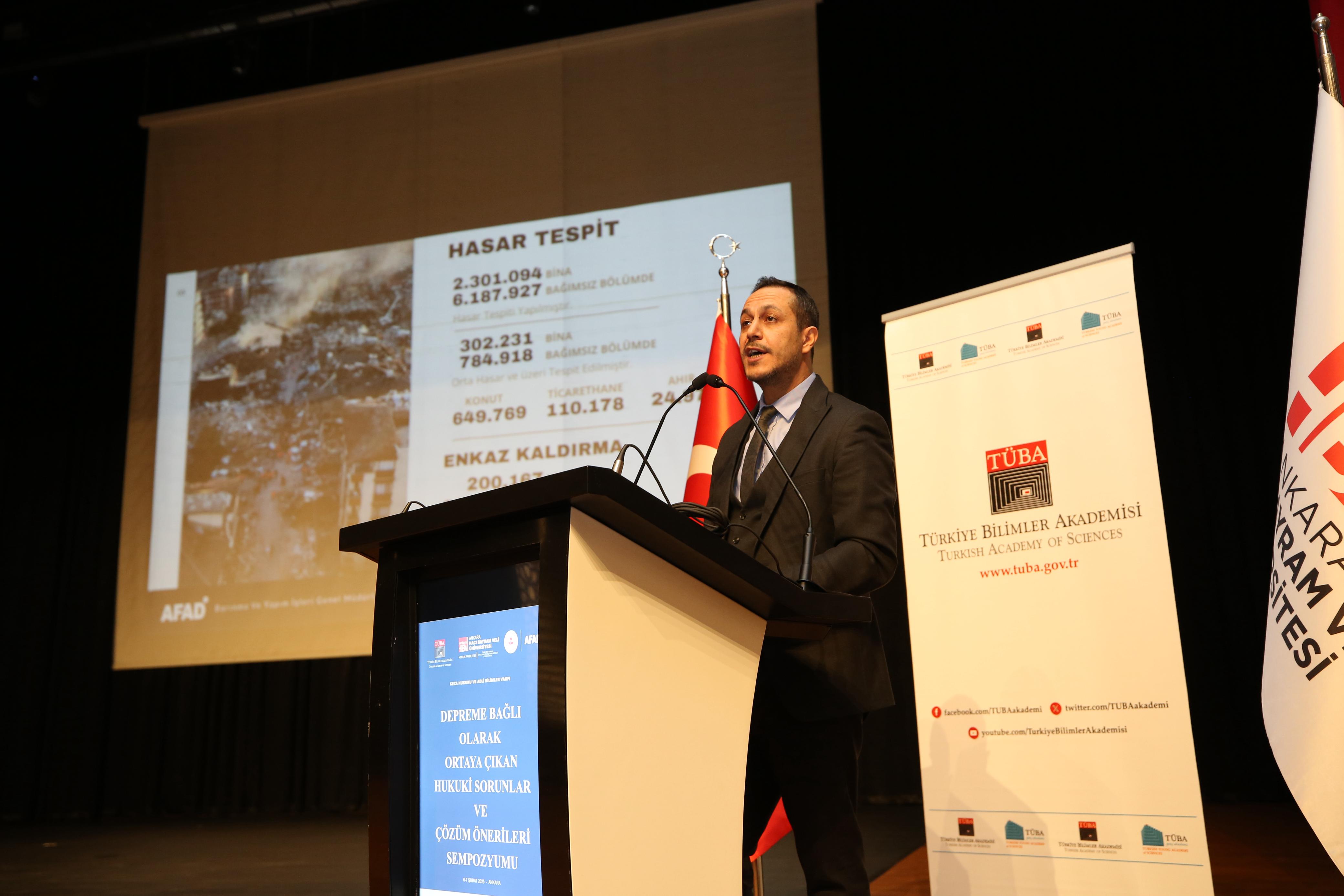
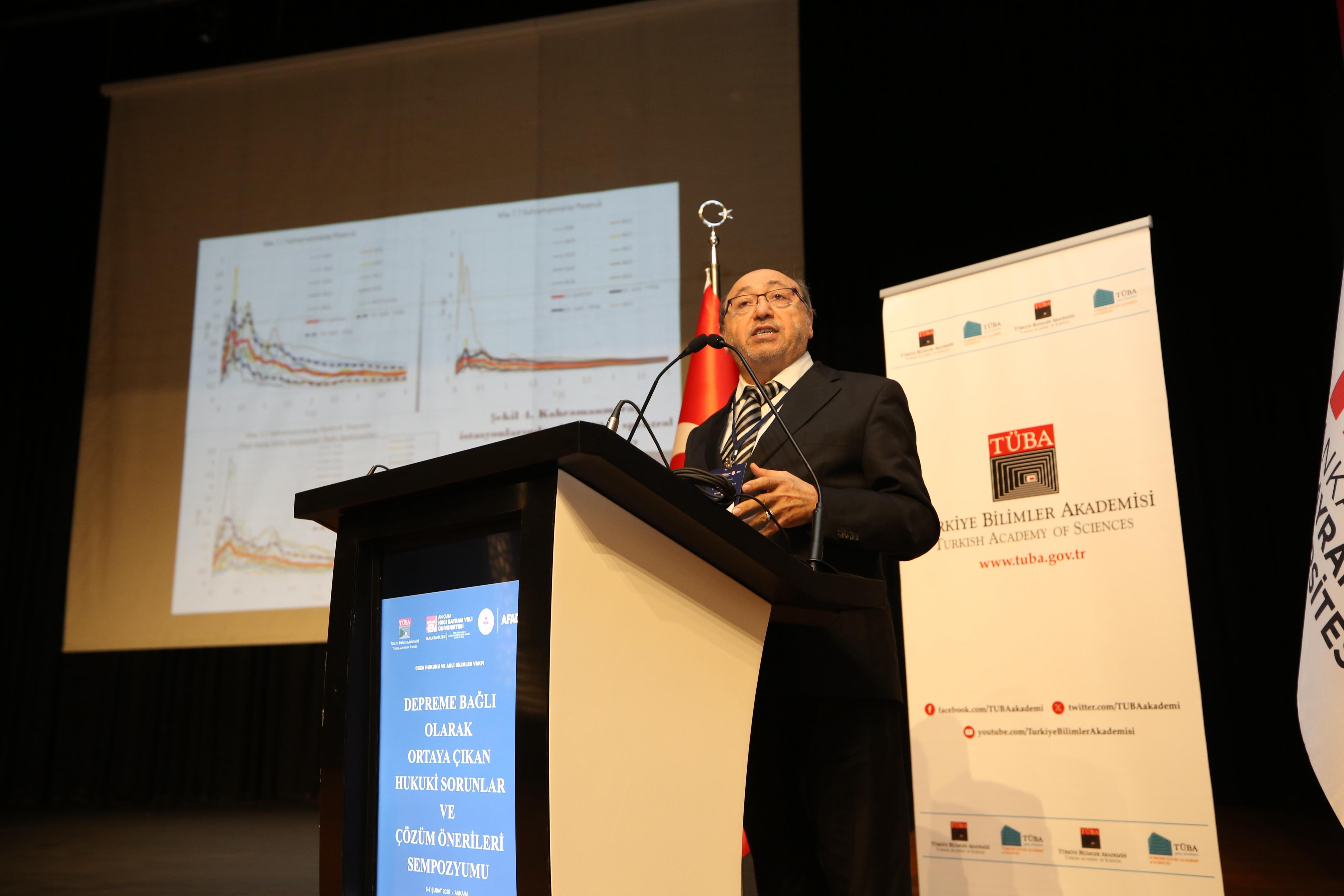
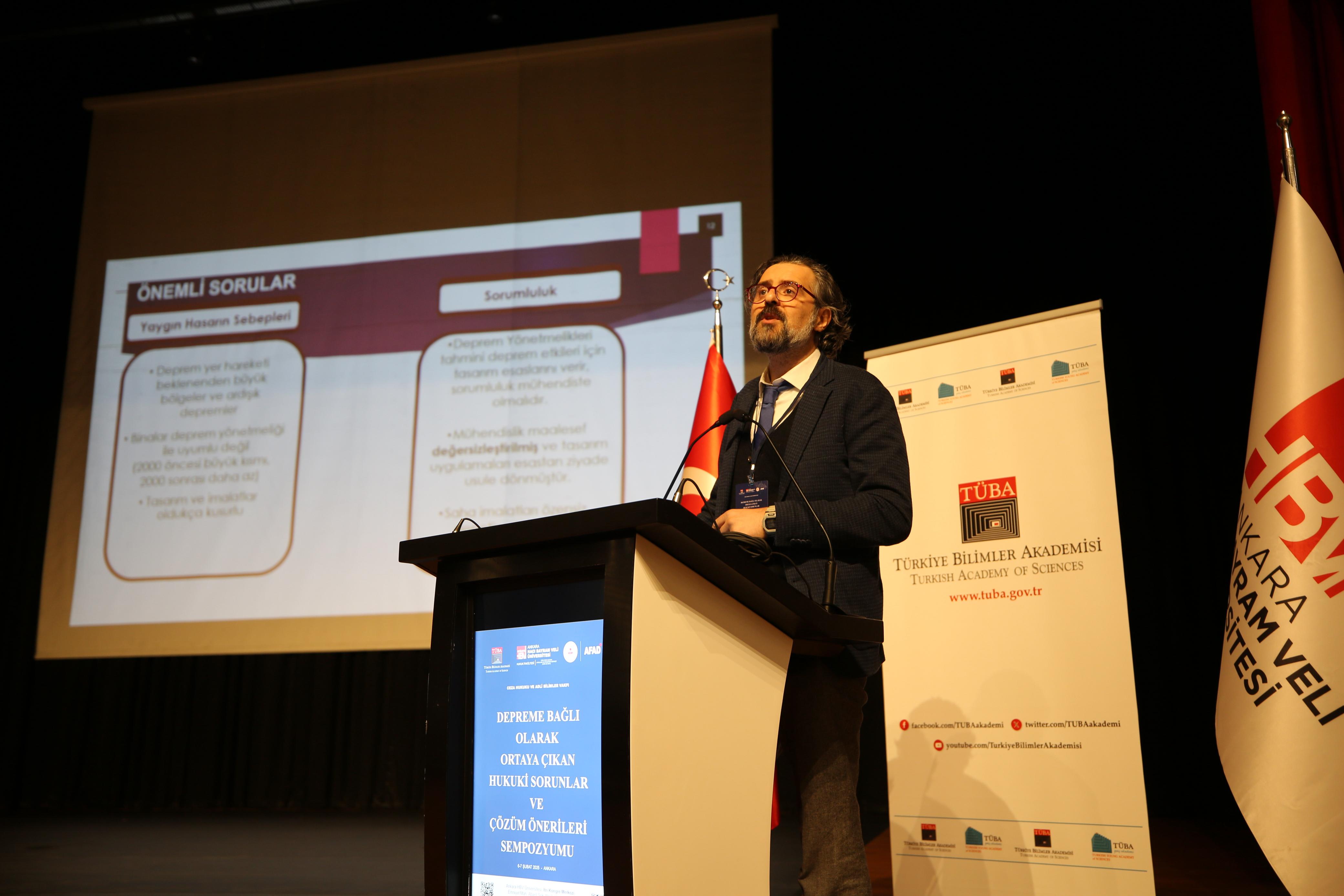
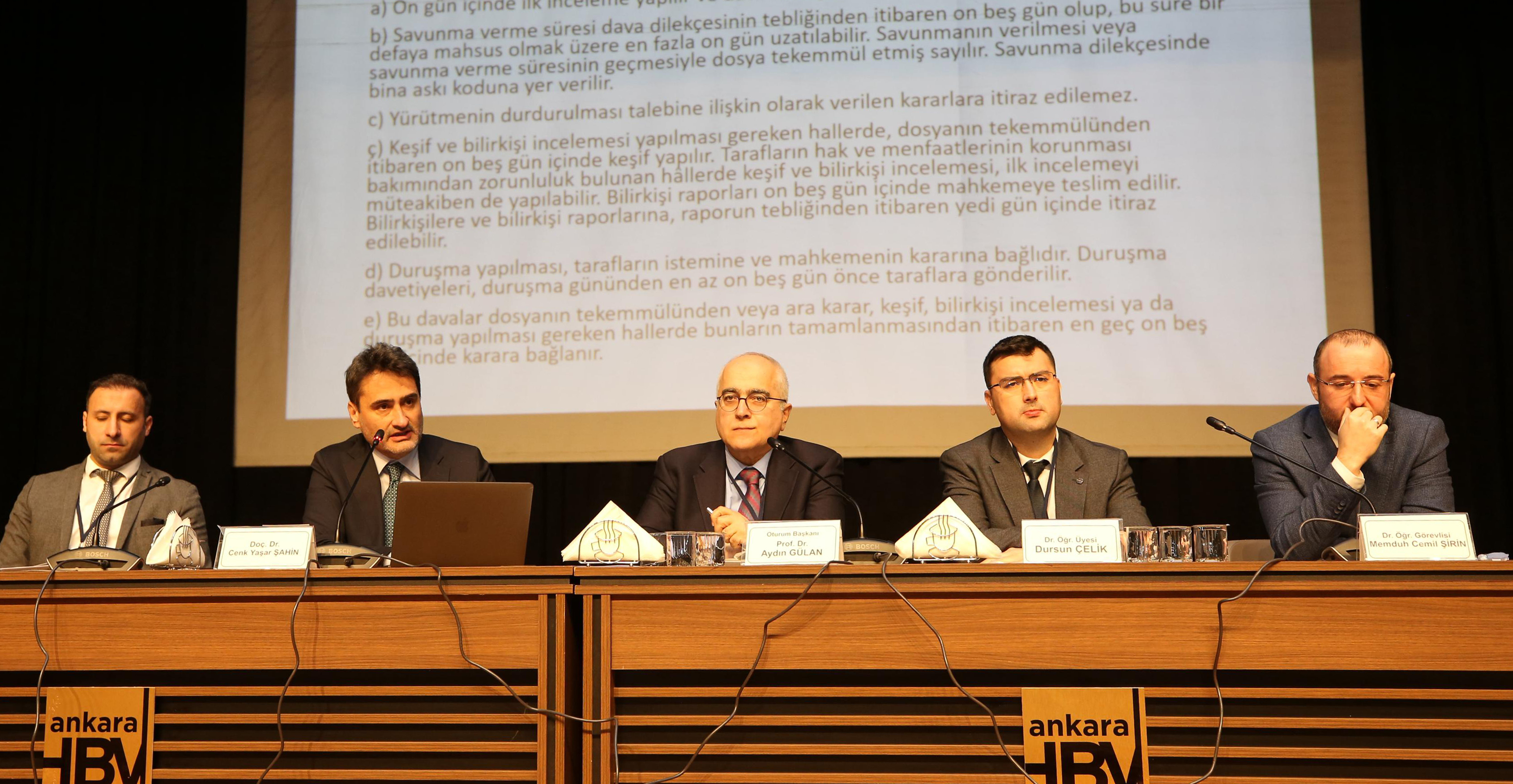
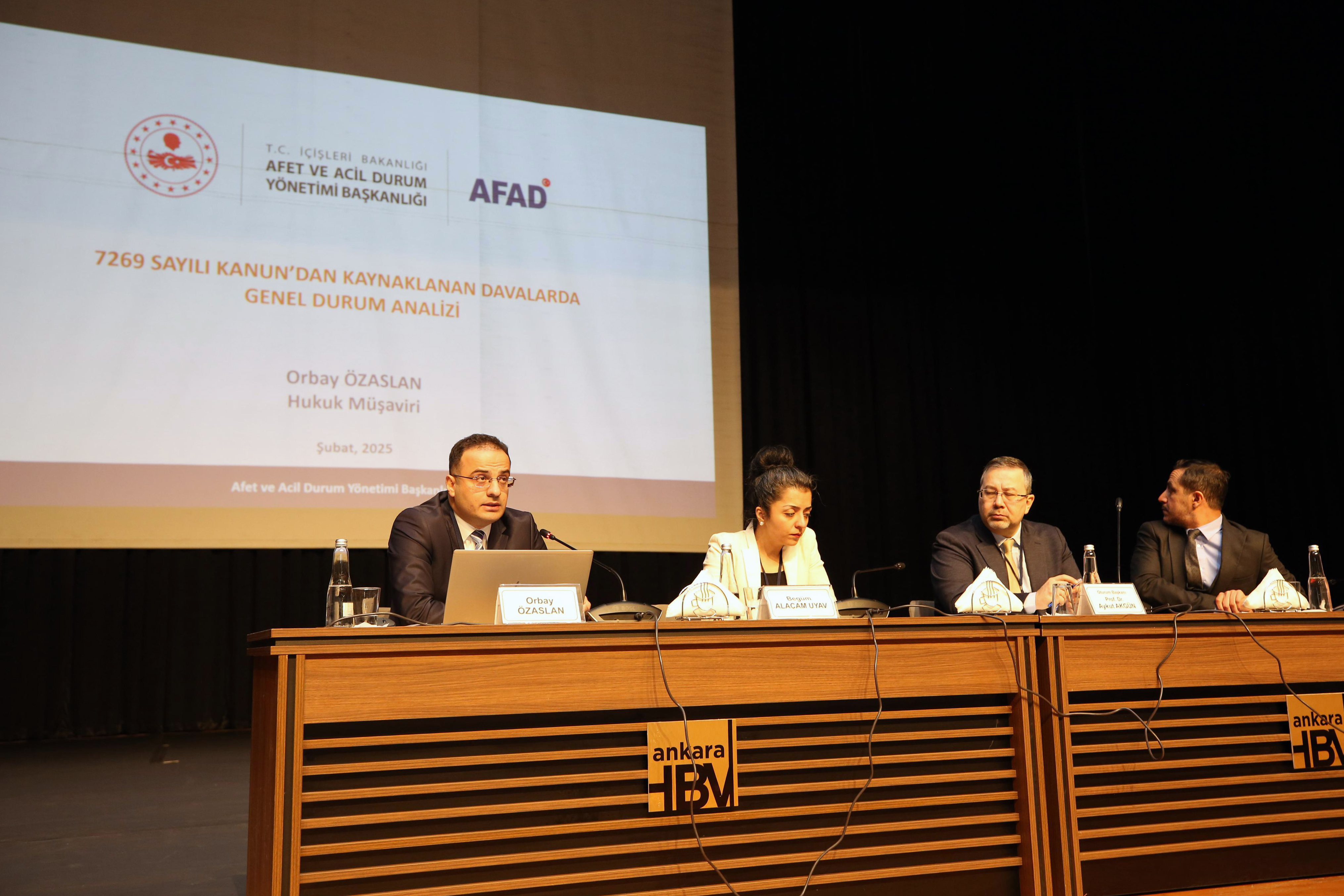
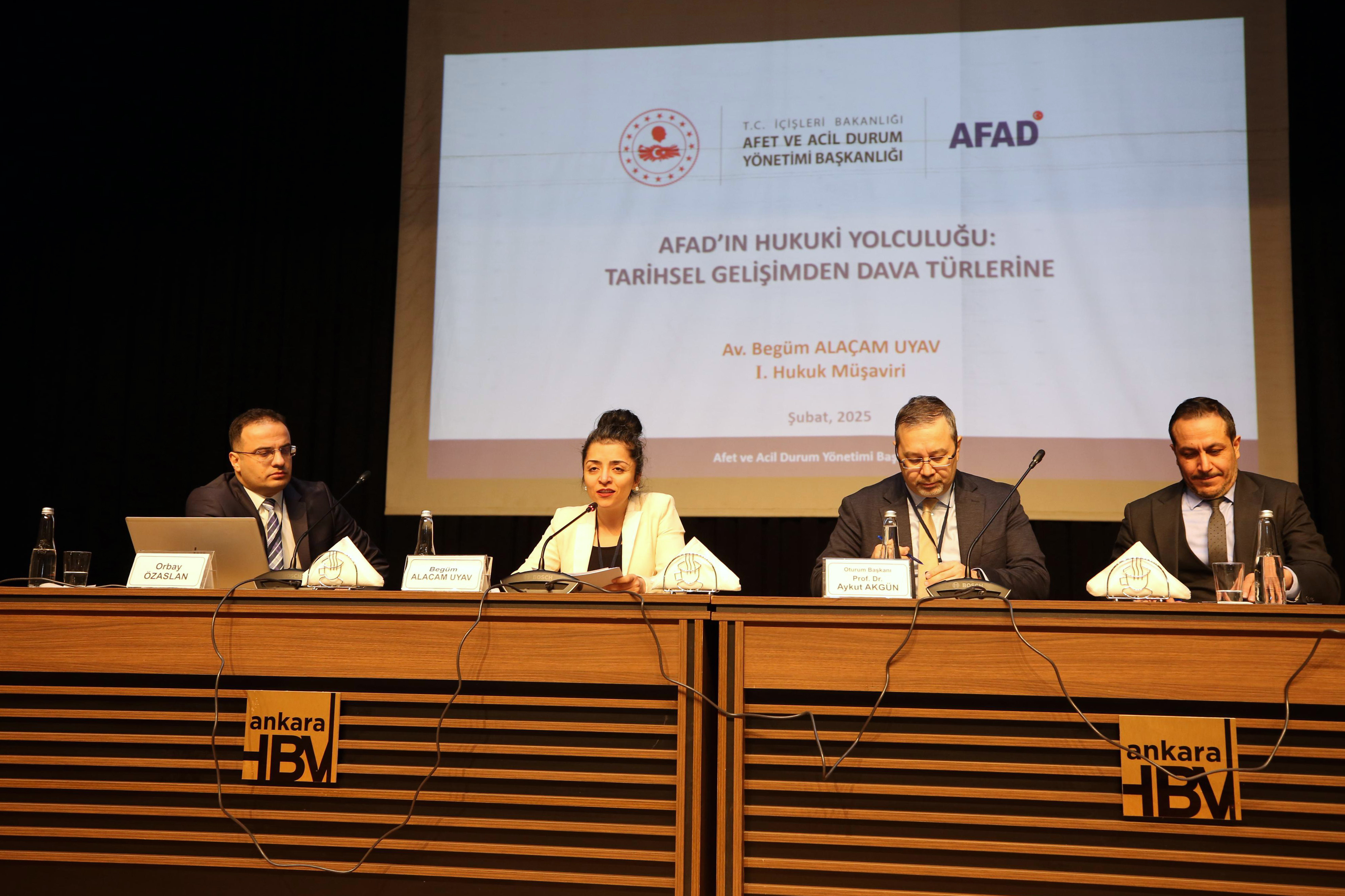
On the first day of the symposium, 33 scientists discussed 24 topics in six sessions from Earthquake and Damages Caused by Earthquake to Earthquake as a Force Majeure. On the second day, 29 scientists and experts spoke on 21 topics in 6 sessions.
Legal liabilities related to earthquakes are discussed
President Şeker started his speech by stating that Türkiye cannot escape from the earthquake problem and that it is not possible to escape from the obligation to be prepared for earthquakes. “These and similar earthquakes are neither the first nor the last for our world; we must accept that earthquakes are natural geological and seismological movements with scientific explanations. Although there are those who declare that they can approximately determine the time of the earthquake with probability calculations using different parameters, it is not possible to detect and determine within the framework of the possibilities provided by current scientific technologies. For this reason, we have to get used to living with earthquakes and always be prepared.”
Pointing out that serious caution plans made by the governments are shaped within the framework of AFAD and Turkish Red Crescent and that serious investments have been made in this regard, Şeker said, “Of course, many positive or negative things can be said about each of the studies. When looked at holistically, there are very few states in the world that have experienced a disaster of this magnitude and gone through the recovery process so quickly. A lot of work has been done to restore 11 provinces and to bring life back to the country with the committees established with great determination.” Saying that words are no longer enough and that the lives lost will not come back, Şeker emphasized that there is much to be done to prevent the same pain from happening again. Stating that TÜBA experienced its most troubled period during the earthquake, President Şeker said: “In addition to students and academics, universities were in cooperation with rescue teams after the earthquake, universities were a lifeline in helping the wounded and logistical support, I personally witnessed it. One of the most important topics is that universities create safe spaces as the safeguard of the city in such crisis situations. The importance of safe spaces with a well-established infrastructure in disaster situations becomes apparent. We saw this clearly in our meetings with university rectors, governorships, crisis desks and administrators after the earthquake.”
Physical damage is compensated but moral degeneration cannot be corrected
Stating that developing resilience against earthquakes will be possible with a multi-stakeholder and interdisciplinary understanding, President Şeker said: “With the awareness that all layers of society are more or less to blame for the loss of life and damages caused by insensitivity in pre- and post-earthquake processes, all our citizens, especially academic morality, commercial morality, political morality, legal morality and communication morality, should be self-critical and the dimension of the earthquake damage related to the moral earthquake should also be taken into consideration in the evaluation. Physical damage or degeneration can be corrected, but unfortunately it is not possible to heal the wounds of moral degeneration. The recent earthquake disaster has once again shown us that disaster response starts with risk mitigation efforts and making the necessary preparations before the disaster strikes, not after it happens. For this reason, it has become essential to prepare a national disaster response plan that is as comprehensive and in line with the requirements of the age as it is to ensure proper zoning planning and correct construction conditions, and especially to make the training and exercise phases operational. We can reduce losses and damages and build resilience against earthquakes with a sustainable disaster management system in which the aftermath of an earthquake is planned in advance, individuals receive the necessary training, and social readiness, sensitivity and awareness are at the highest level.”
Legislation is evaluated, new proposals are presented
Pointing out that it is the duty of scientists to evaluate the vital issue of “earthquake” not only within the framework of architects, engineers, local administrations or contractors, but also in a multidimensional and realistic manner, Şeker said: “This is a subject that concerns all of us. What needs to be done before, during and after the earthquake has been systematically reviewed and evaluations have been updated by all state institutions, especially the National Security Council. The need to update the topics that need to be done regarding legal processes has emerged by taking lessons from the past to the present. We will talk about the legal responsibilities brought to light by the earthquake, clarify our shortcomings, the aspects we need to improve, what we have to do theoretically and practically, and put our solutions on the table with common sense.”
Rector Bostancı emphasized the fact that Türkiye is an earthquake country and stated that all earthquake-related studies should be conducted with the goal of preventing loss of life. Stating that the academicians participating in the symposium will discuss important topics for two days in the face of complex legal problems arising from disasters such as earthquakes, Prof. Bostancı concluded his speech by thanking all participants, especially the stakeholder organizations that contributed to the program.
Dean of the Faculty of Law Prof. İlhan Üzülmez gave information about the symposium and stated that the issues raised by earthquakes in terms of legal disciplines will be discussed and solutions will be put forward and thanked those who contributed to the organization of the symposium.