


Foundations of Science for Sustainable Future
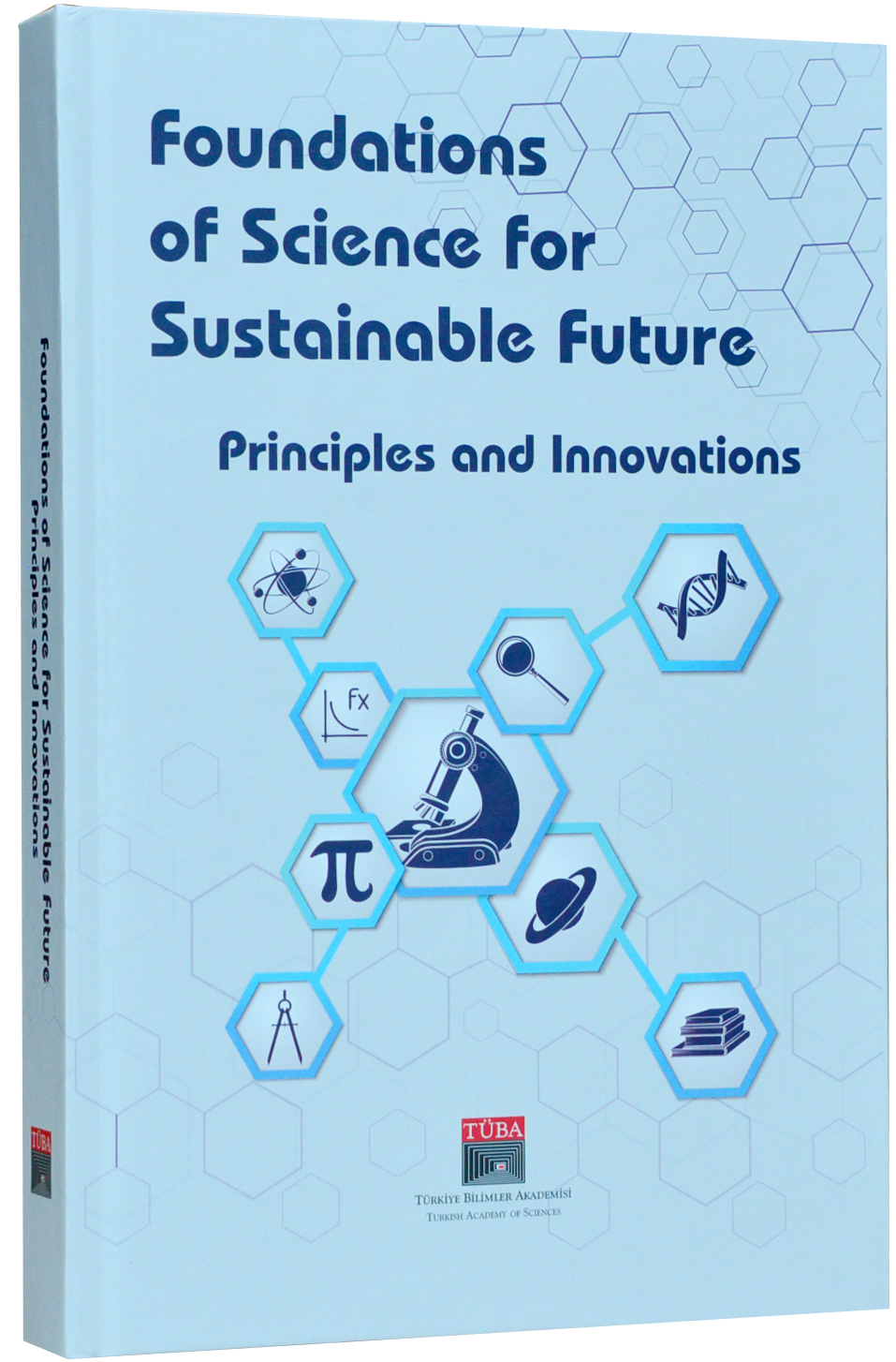 TÜBA published ‘“Foundations of Science for Sustainable Future”: Principles and Innovations’, emphasizing the vital role of basic sciences in finding solutions to global sustainability challenges.
The book, authored by more than 30 contributors from various disciplines such as chemistry, biology, physics, engineering and medicine, explores the interdisciplinary approaches necessary for sustainable innovation and global change. It includes 20 chapters and offers solutions to global problems such as climate change, resource depletion and socio-economic inequalities by addressing the United Nations Sustainable Development Goals. With contributions from Turkish scientists and global experts, it brings together the latest research and innovations in the field of sustainability. The work offers theoretical foundations as well as practical solutions to shape a sustainable future. Each chapter of the book takes a strong responsibility to explore critical scientific developments and innovations and their impact on society and the environment. From the role of green chemistry in mitigating environmental impacts to the applications of digital technologies in medicine and agriculture, the authors offer important perspectives on how science can play a leading role in meeting the challenges it faces.
Stating that the 21st century is a critical period for humanity shaped by unprecedented challenges such as climate change, environmental degradation, resource scarcity and socio-economic inequalities, TÜBA President Prof. Muzaffer Şeker said: ‘These global issues demand innovative solutions that require the use of scientific knowledge in harmony with sustainable practices. For this reason, we find it very important to have published ‘Foundations of Science for Sustainable Future’. Because it comprehensively examines the transformative role of basic science in addressing the complexities of sustainable development.’
Prof. Şeker said that the work is the product of a collaborative effort to emphasize the vital contribution of basic research in science and technology to the advancement of sustainability, and that it also serves the purpose of building a resilient, sustainable future. He drew attention to the importance of integrating the scientific data obtained from the contributions in the book into practical applications and policy frameworks to address pressing global issues.
The book is not only an academic reference, but also a source of inspiration for all those who aim to create change. It calls for exploring the ideas and solutions presented, developing innovative approaches and collaborating across disciplines and borders.