

Academic Cooperation Protocol Signed in China
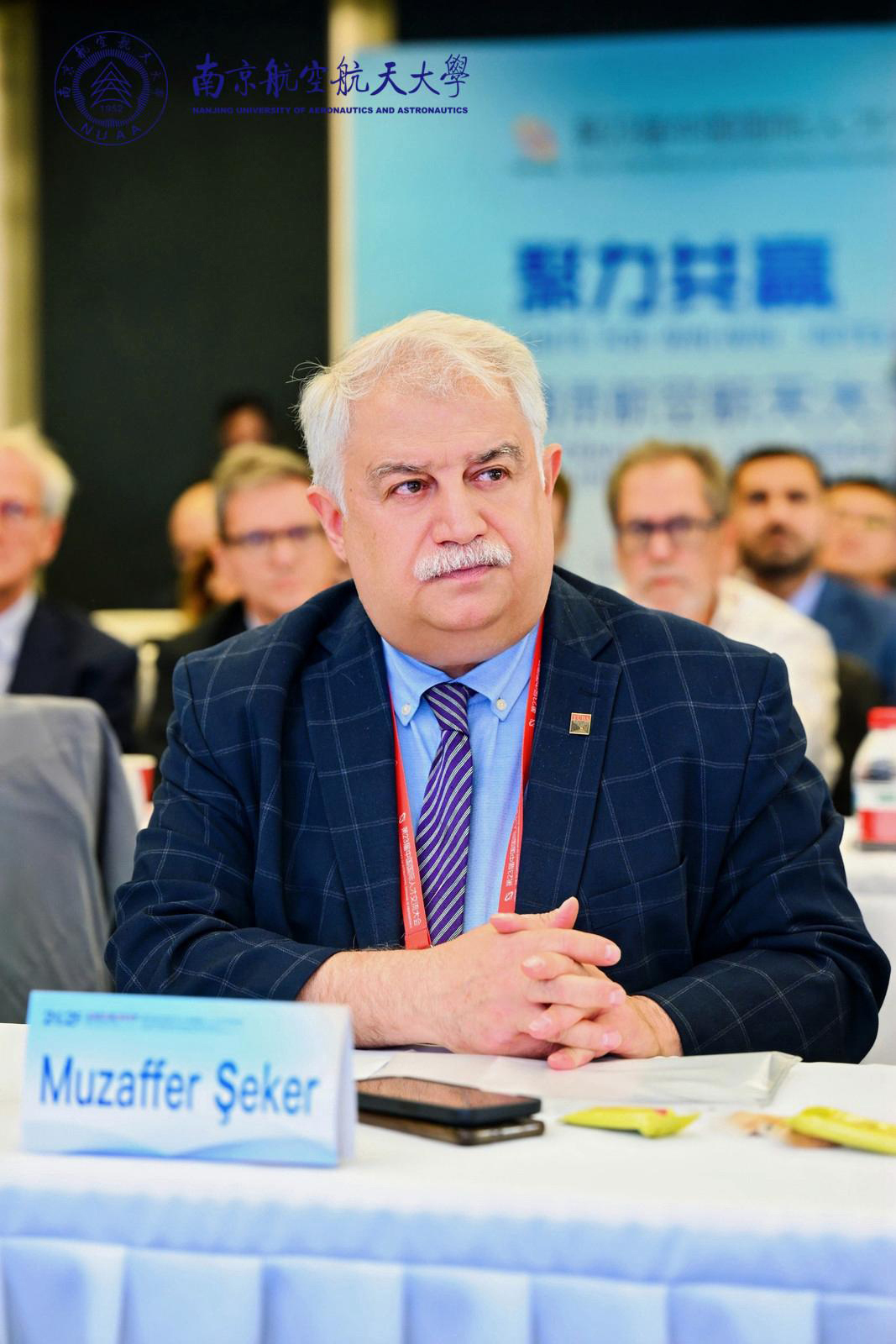
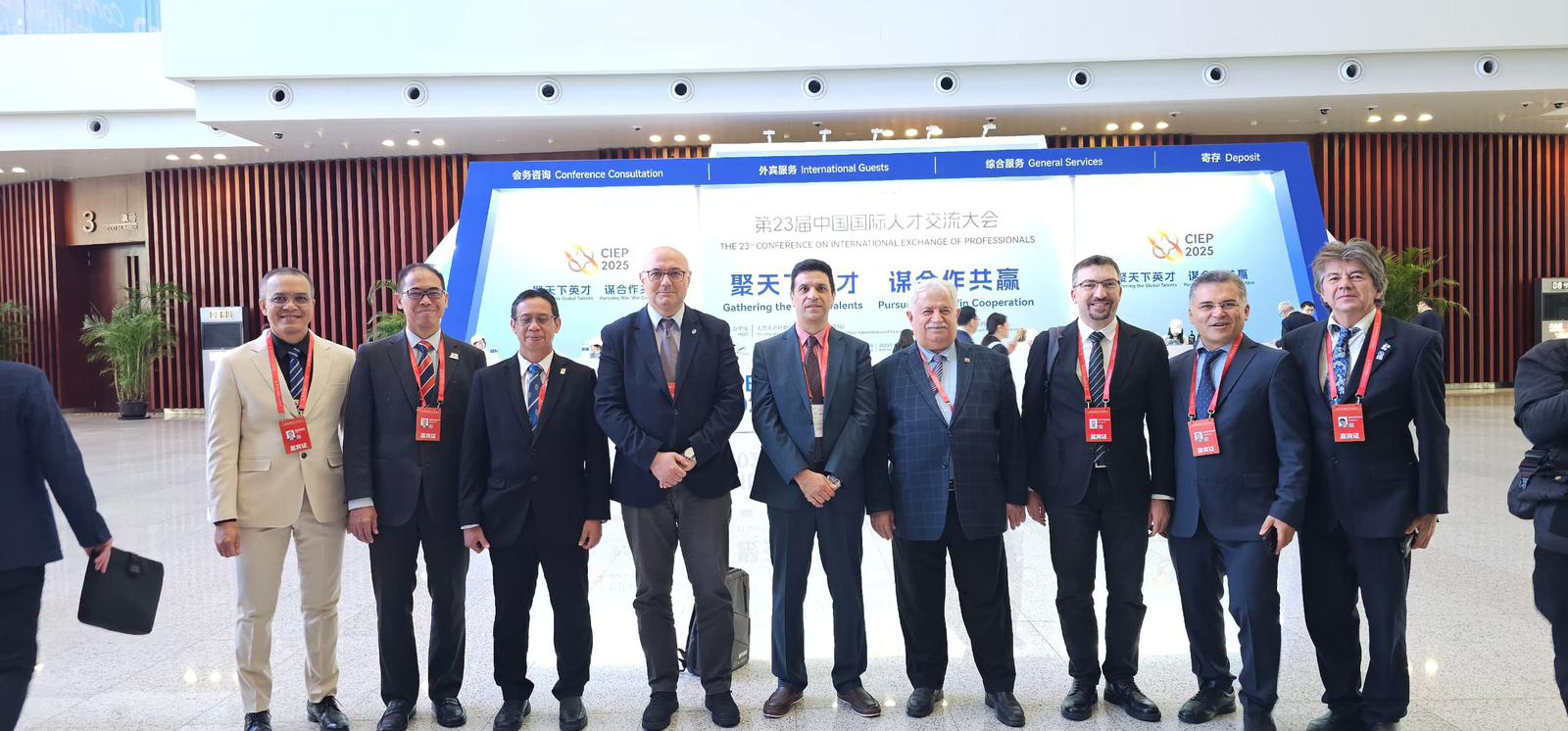
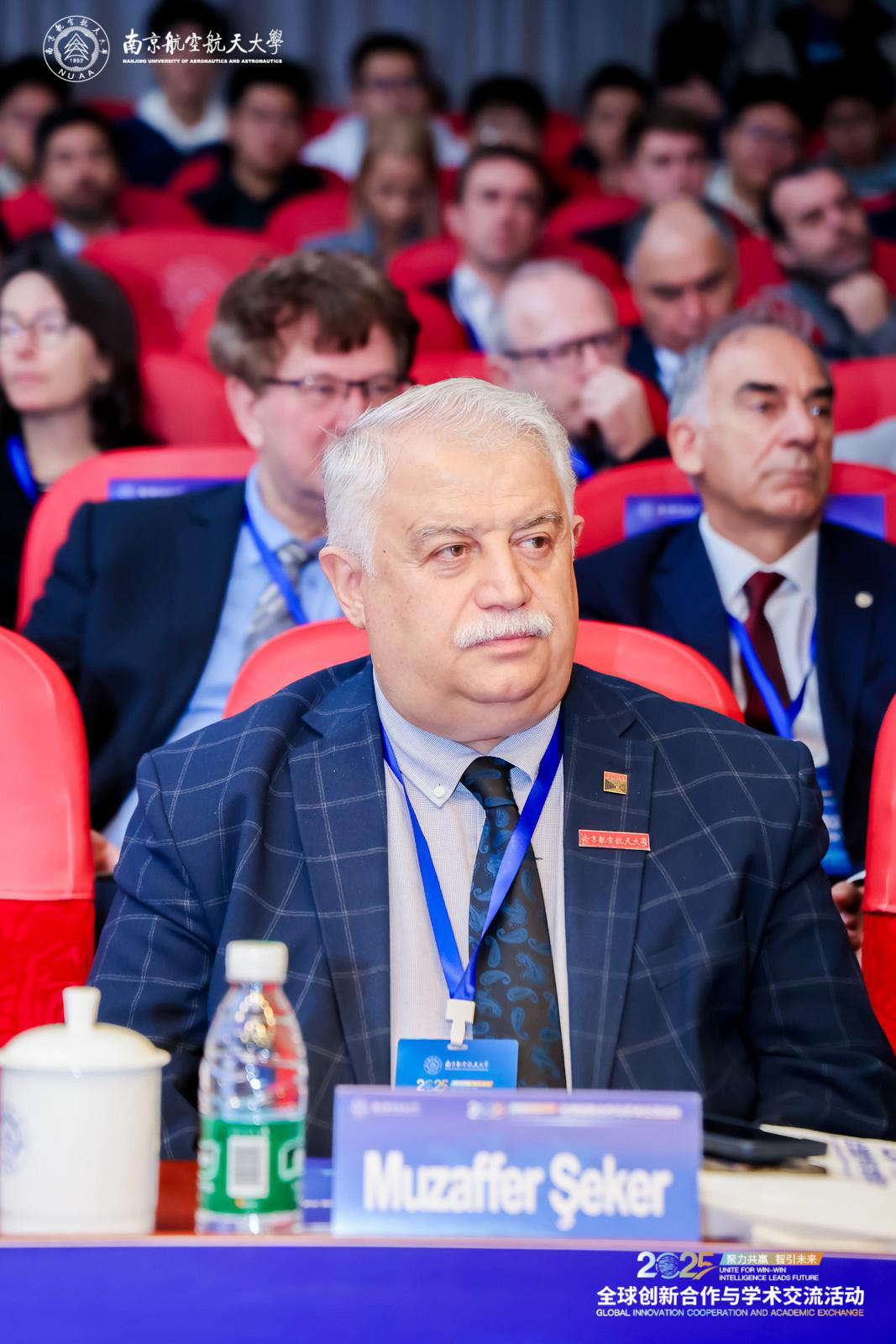
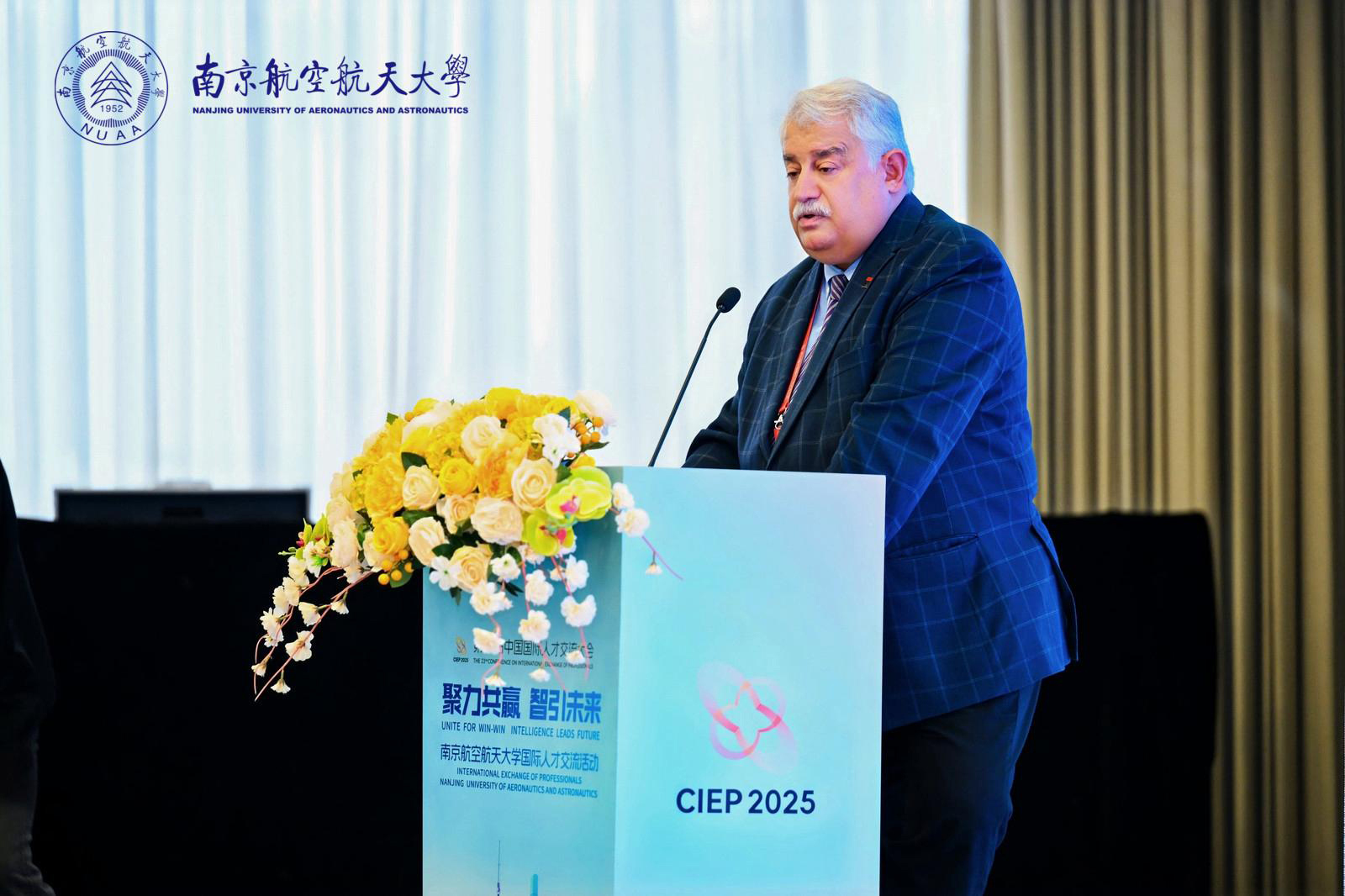
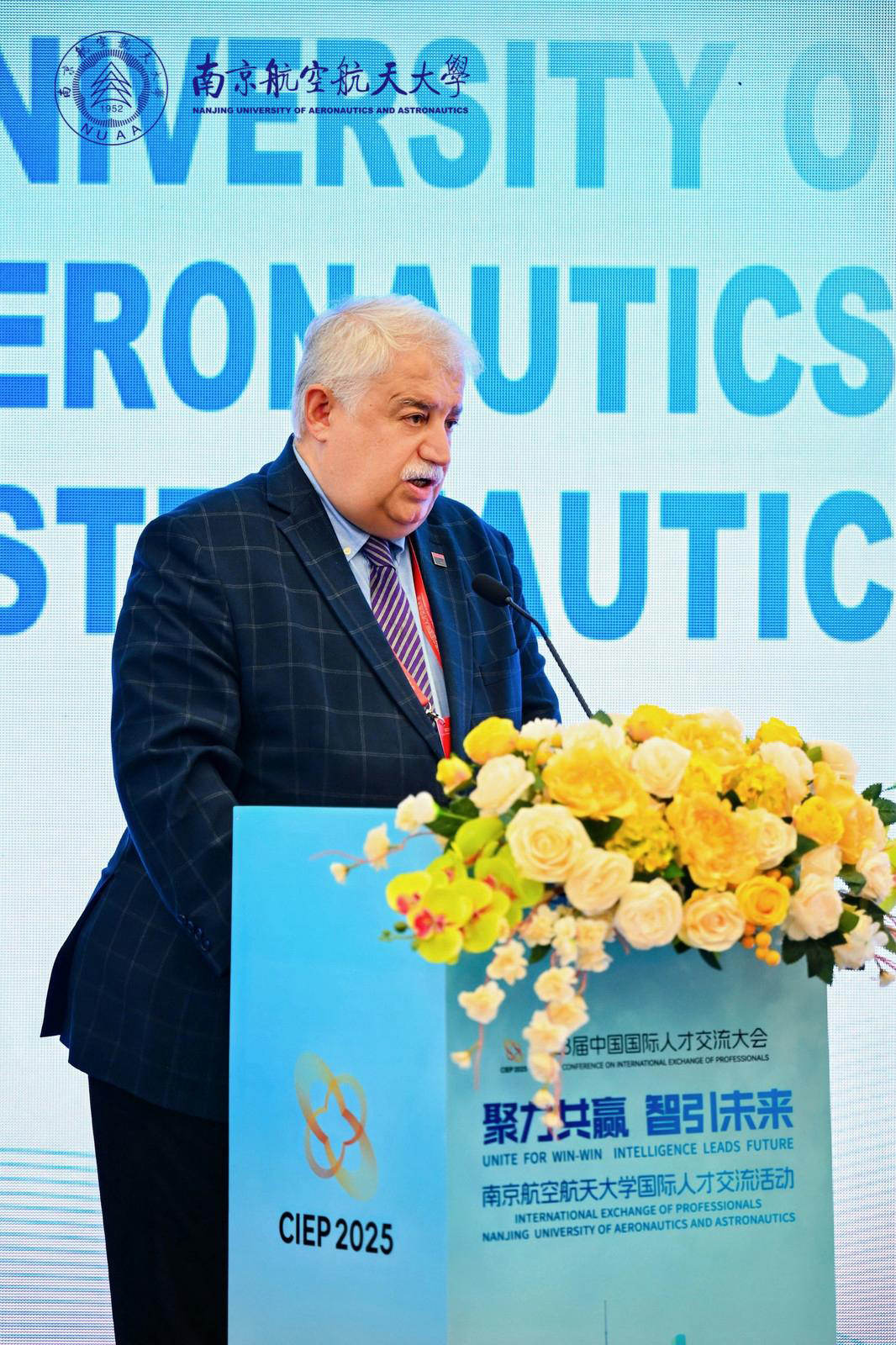 TÜBA President Prof. Dr. Muzaffer Şeker attended the 23rd Conference on International Exchange of Professionals (CIEP) held in Shanghai, as well as the Global Academic Exchange Program organized in Nanjing, China.
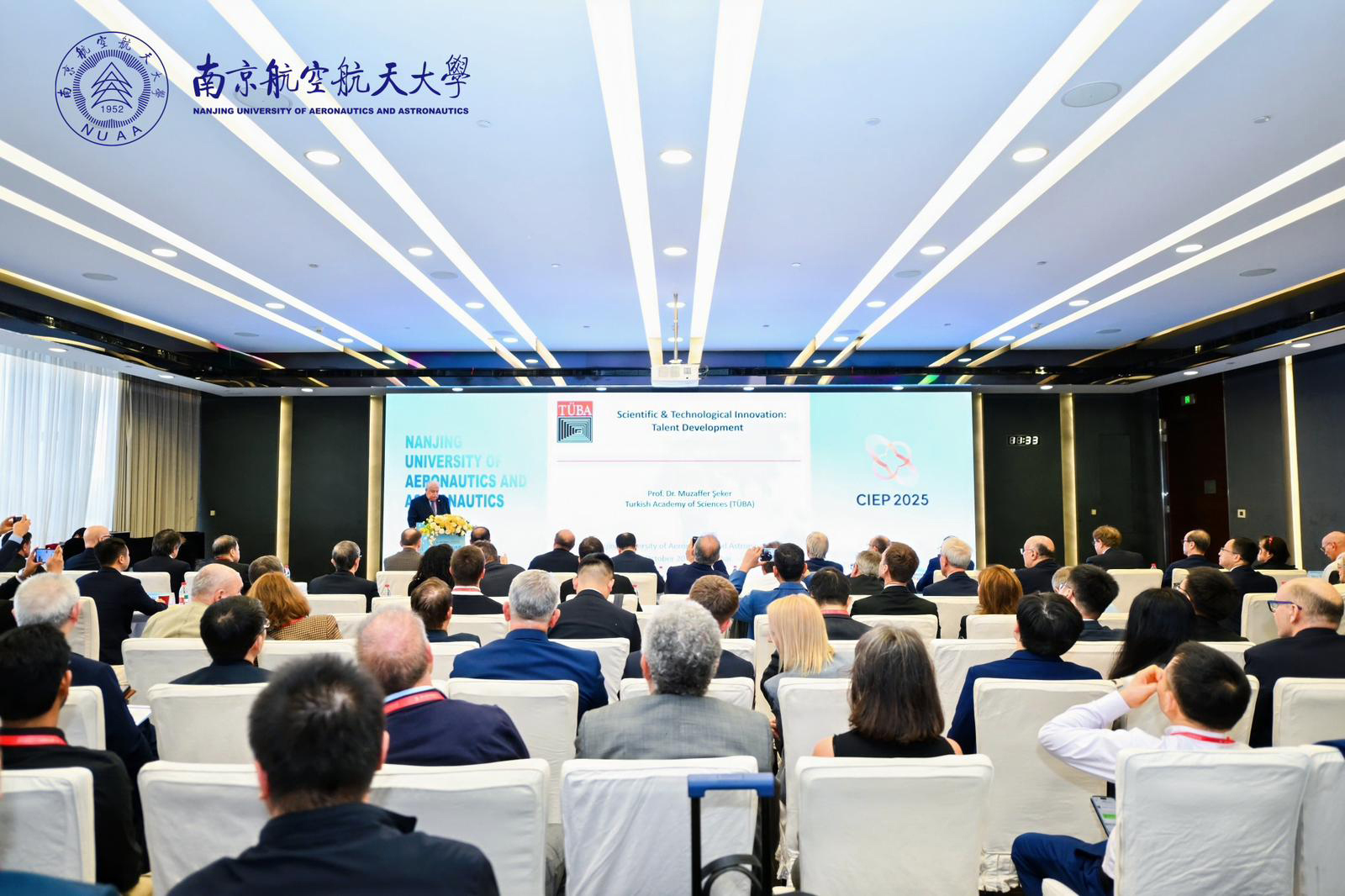
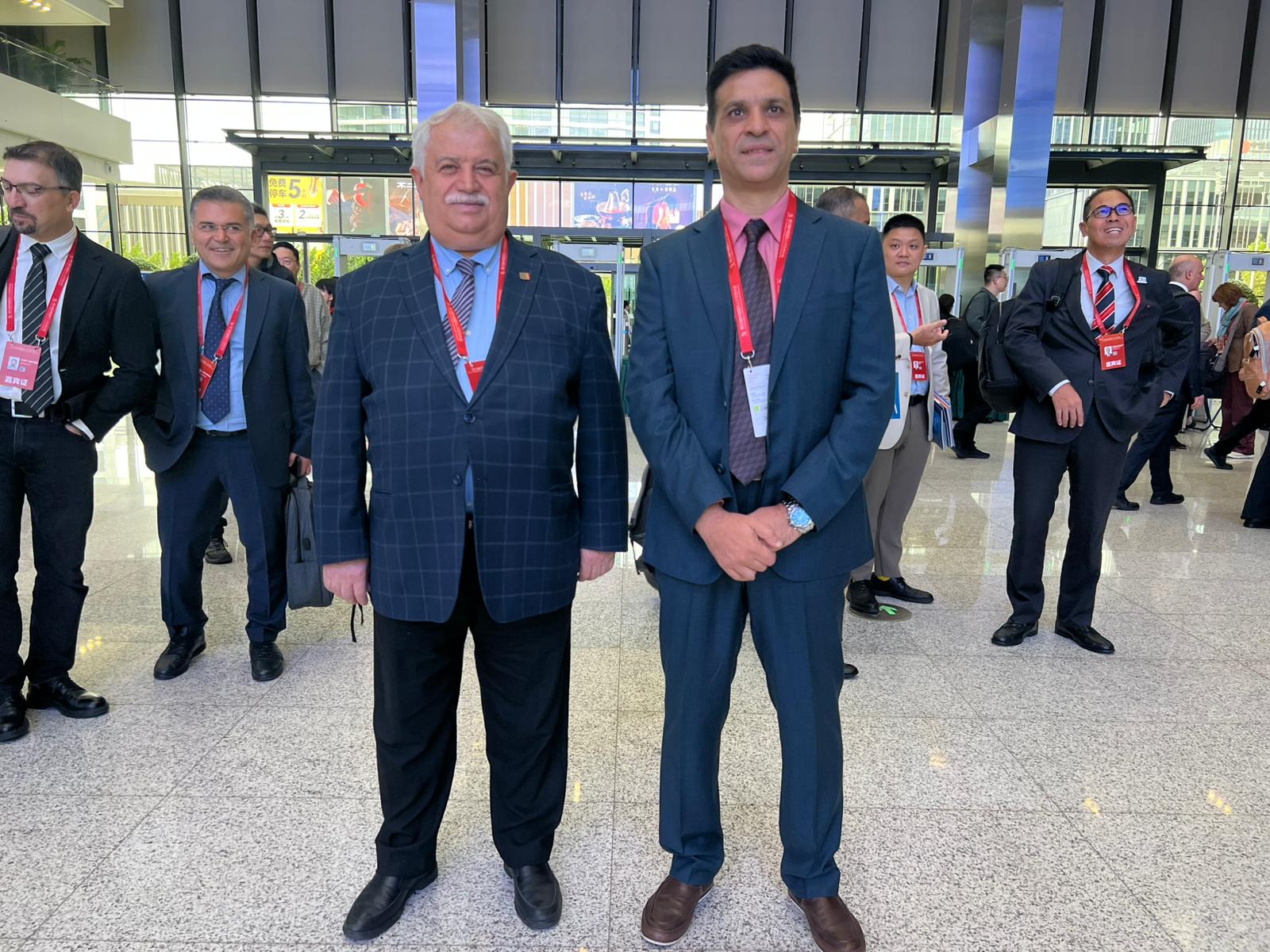
During CIEP, President Şeker met international experts, university leaders, diplomats, and professionals from the business sector. Hosting more than 2,000 participants, the Conference provided a global platform for dialogue and interaction among professionals, fostering international cooperation and strengthening partnerships. The program also offered opportunities to share innovative ideas and explore new avenues for professional development across various fields.
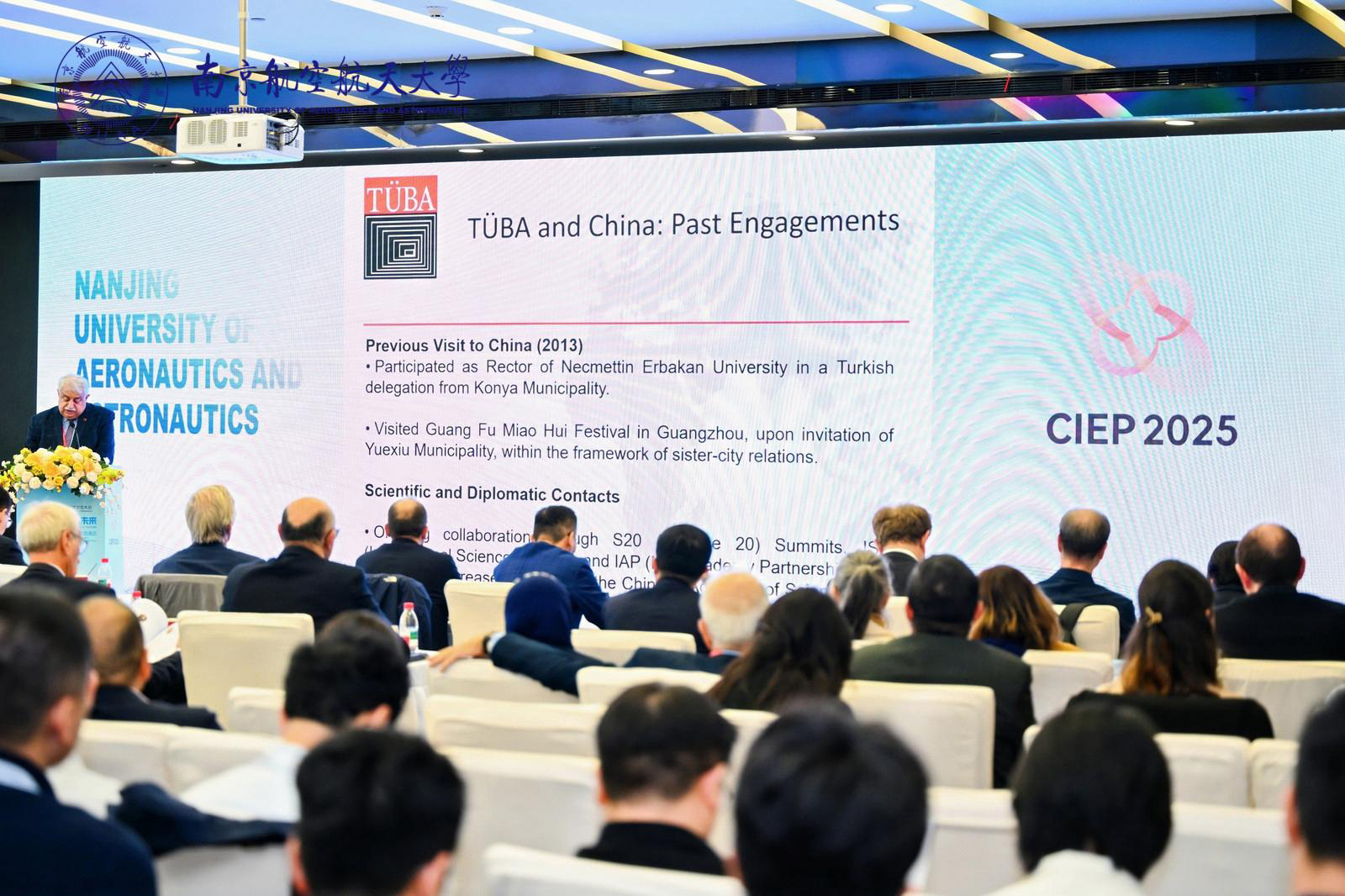
In his presentation, President Şeker emphasized the critical importance of scientific and technological innovation for economic growth, security, and societal well-being. He highlighted the multiplier role of researchers, engineers, and educators in transforming investments into tangible outcomes. He also shared up-to-date data on Türkiye’s progress in science and technology. Underscoring the value of Science Diplomacy in addressing global challenges, he noted that TÜBA actively contributes to platforms such as the Asian Science Academies Forum and the Union of National Academies of Sciences of the Turkic World (UNASTW), supporting mobility programs, joint workshops, and young researcher exchange initiatives.
President Şeker recalled his 2013 visit to China as Rector of Necmettin Erbakan University, where he attended the Guang Fu Miao Hui Festival in Guangzhou. Referencing the S20 (Science 20) Summits, the International Council for Science (ISC), and the InterAcademy Partnership (IAP), he underlined the importance of sustained cooperation and expressed TÜBA’s intention to deepen engagement with the Chinese Academy of Sciences and other scientific institutions. He pointed to potential cooperation areas, including joint doctoral and postdoctoral exchange programs in aerospace and aviation technologies, short courses and summer schools on digital twins and AI-assisted design, bilateral research calls, and internship opportunities for students.
President Şeker concluded his presentation with the message: “Science and talent are strategic assets – invest, connect, and sustain.” He stated that TÜBA is prepared to develop partnerships with NUAA on exchange programs, joint workshops, and young scientist support. He also introduced TÜBA’s national programs such as GEBİP (Outstanding Young Scientist Award Program), the Turkish Young Academy, Publications and Policy Reports, and its involvement in international forums. He once again highlighted the role of Science Diplomacy in addressing global challenges by facilitating cross-border knowledge transfer, innovation, and talent mobility, strengthening international networks and evidence-based policymaking, and enabling researchers and institutions to contribute to global problem-solving.
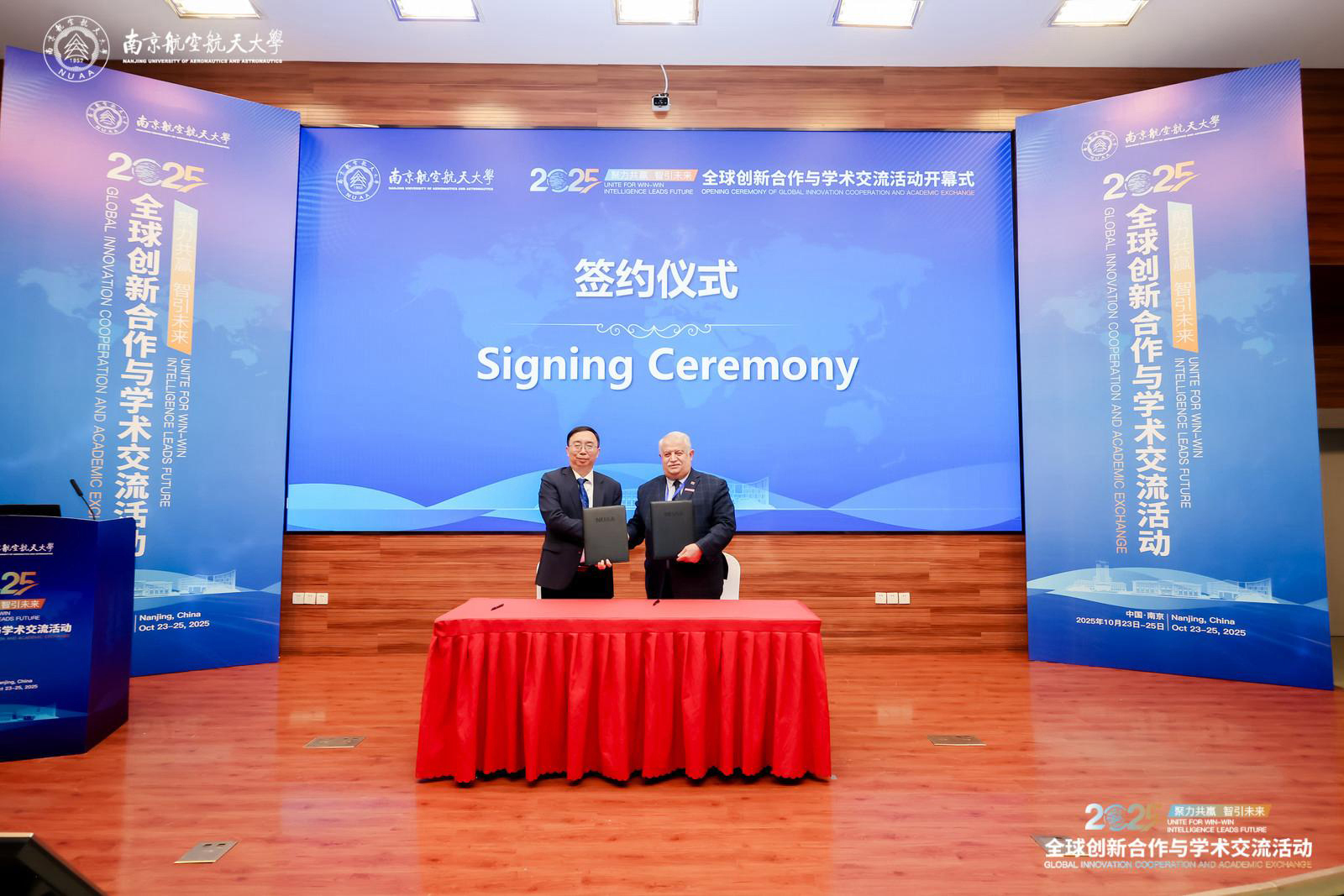
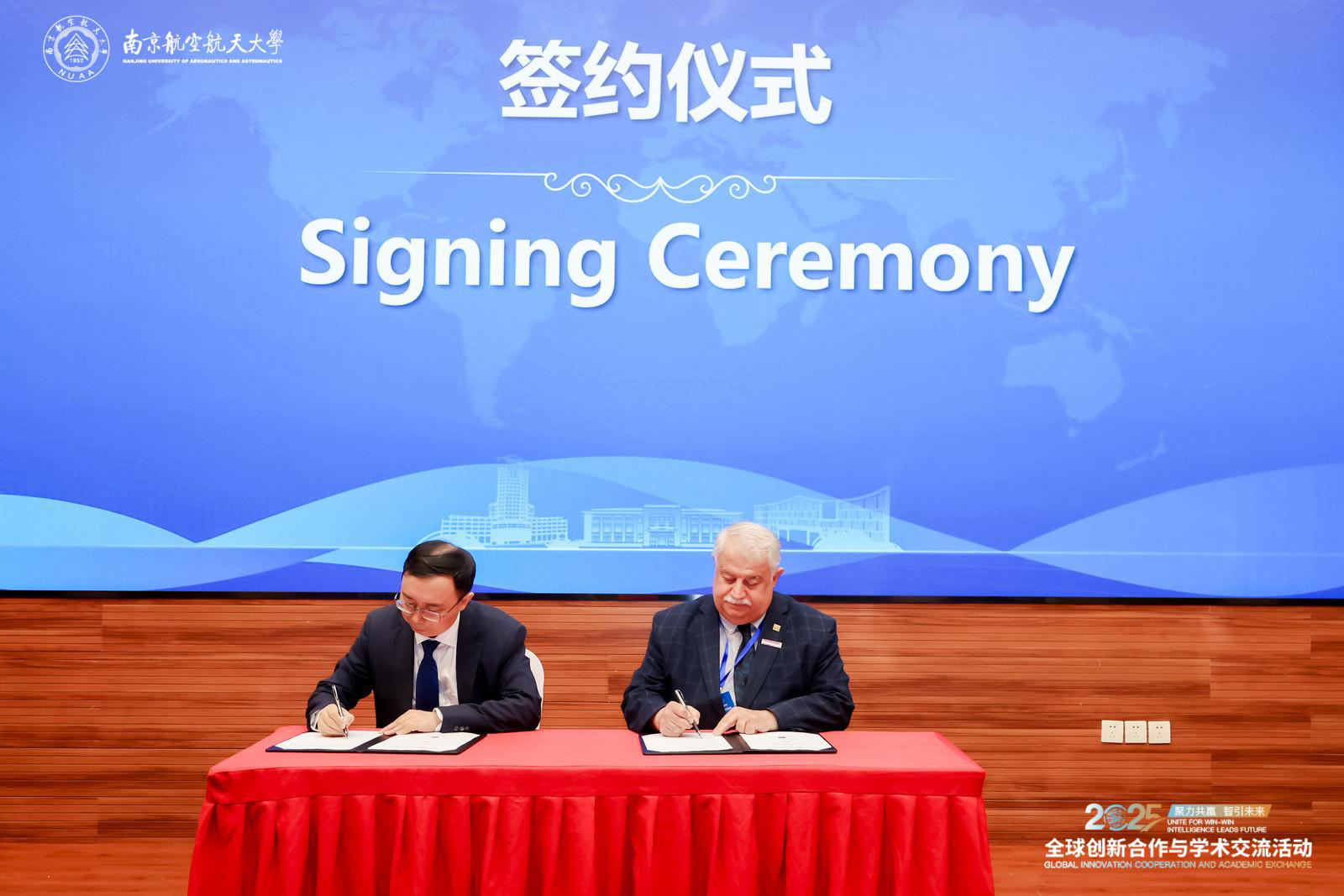
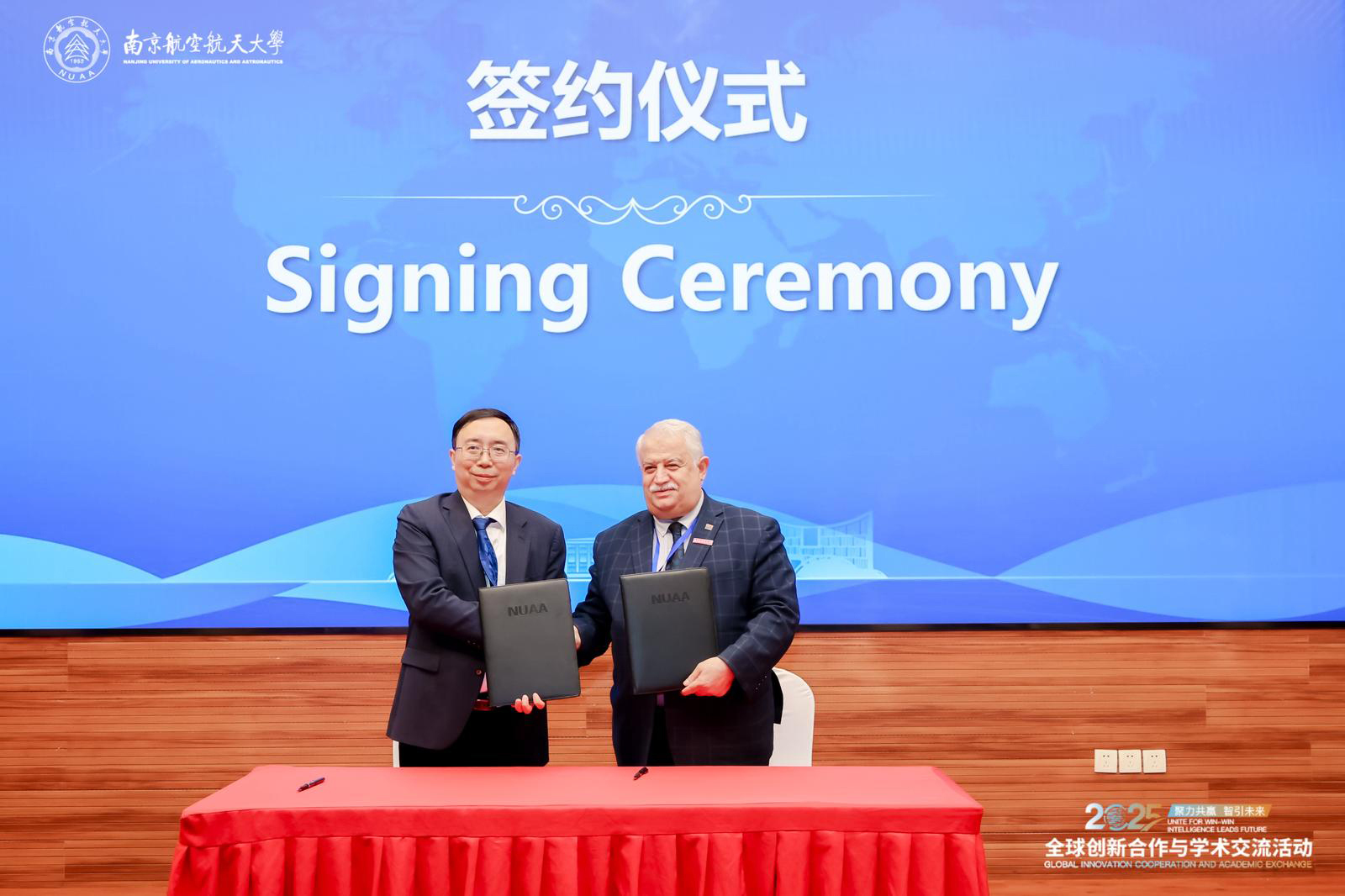
Cooperation Protocol Signed Between TÜBA and NUAA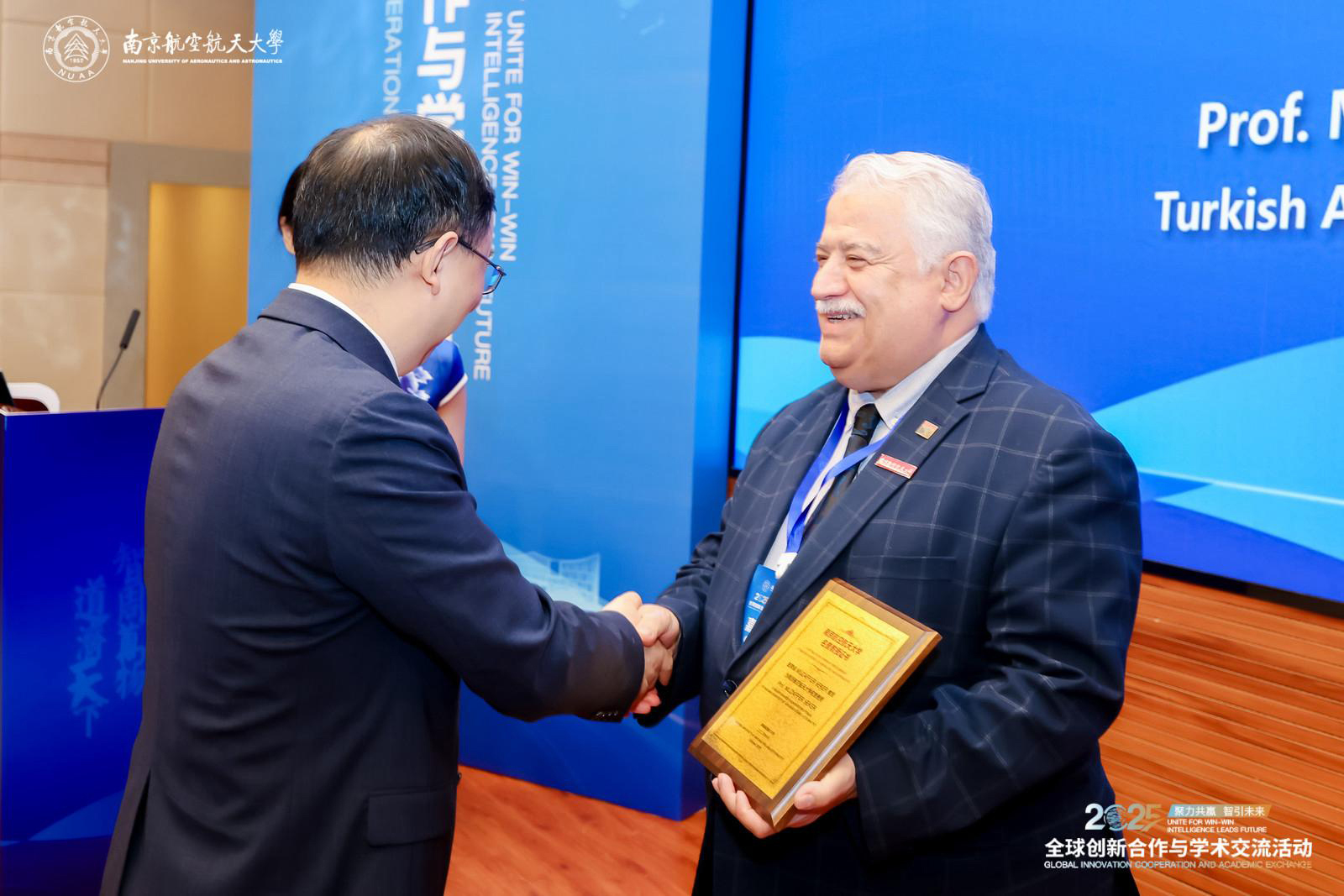 President Şeker and Prof. Dr. Jianng Bin, President of Nanjing University of Aeronautics and Astronautics (NUAA), signed a scientific cooperation protocol between TÜBA and NUAA. Following the signing ceremony, Prof. Dr. Bin conferred upon Prof. Dr. Şeker the title of Honorary Professor.
President Şeker stated that the protocol represents not only an institutional partnership but also a sincere commitment to knowledge, friendship, and international peace.
He said: “Science and education have always been bridges that transcend distances and differences. With this Memorandum of Understanding, we reaffirm our shared vision. Enhancing scientific cooperation, promoting the exchange of ideas and scholars, and contributing jointly to global efforts for sustainable development and innovation remain among our priorities. This partnership reflects mutual respect and the spirit of fraternity among nations, shaped by a shared commitment to a brighter future. At a time when the world faces major and complex challenges, scientific cooperation serves as a tool that strengthens understanding, empathy, and innovation.”
Expressing his confidence that the protocol will pave the way for new research initiatives, joint academic programs, and stronger communication between researchers and institutions from both countries, President Şeker added: “Knowledge unites, science enlightens, and cooperation strengthens the bonds of humanity.”