


TÜBA Brings 8 New Works to the Turkish-Islamic Scientific and Cultural Heritage
TÜBA has contributed 8 more significant works to the scientific community as part of its Turkish-Islamic Scientific and Cultural Heritage (TİBKM) Project.Launched in 2014 and continued under the patronage of the Presidency since 2018, the project has now published a total of 70 works.
In line with its responsibility as Türkiye’s national science academy, TÜBA launched this project with the aim of promoting scientific thought in society and bringing young generations into contact with science. Under the project, classical works of the Turkic-Islamic world are being re-edited using facsimile, transliteration, and translation methods and made available to researchers and readers.
 The project not only brings important works from the past into the present but also aims to strengthen Türkiye’s scientific self-confidence, encourage academic research, and transmit cultural heritage to future generations. While the project aims to make the Turks’ place in the history of science and thought more visible by adapting classical works written in various languages into modern Turkish, it also continues to serve as a powerful source of motivation for scientific production.
Works shedding light on the history of science
The newly published works span a wide range of fields, from the history of science to philosophy, and from Ottoman history to literature. In particular, two significant works on mathematics by the great 15th-century scholar Ali Kuşçu stand out among these publications.
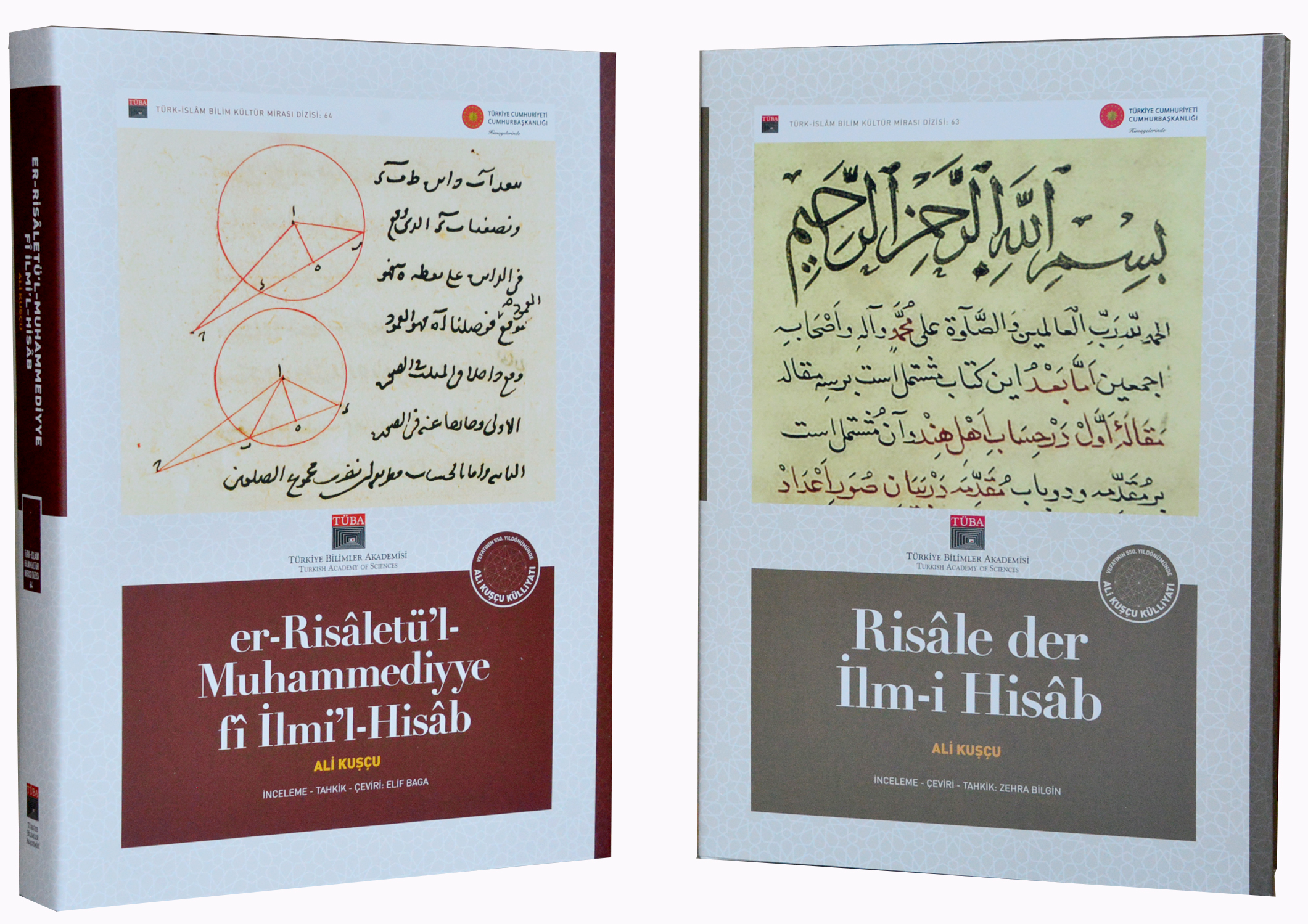
“Risâle der İlm-i Hisâb” is one of Ali Kuşçu’s foundational works, written in Persian in Samarkand and long forgotten. The work systematically addresses the calculation methods of the era under headings such as 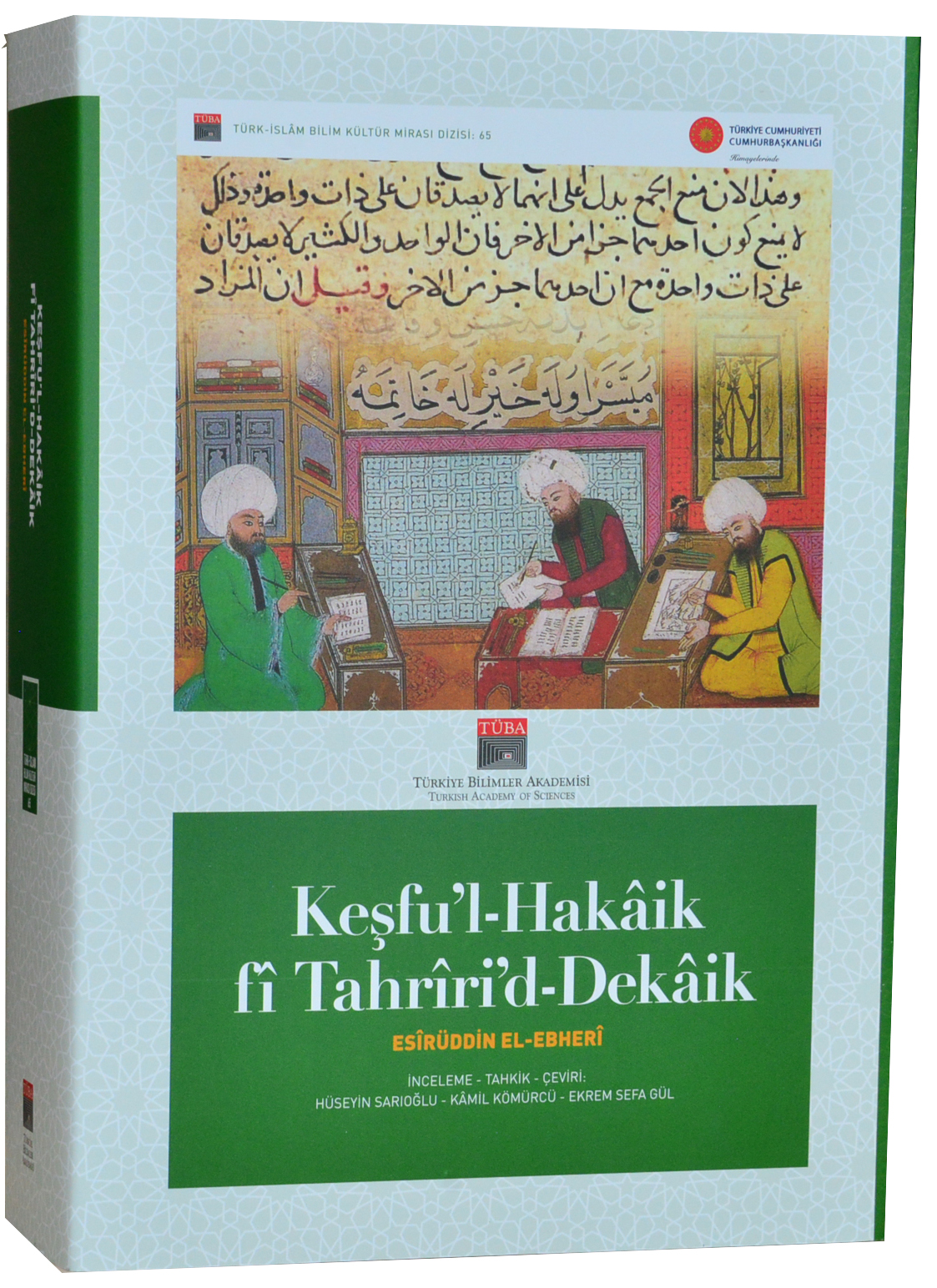 Indian arithmetic, tencîm, and mesâha. This study, which lays out the pedagogical and theoretical foundations of elementary mathematics education, also includes a textual edition based on the author’s manuscript at the Süleymaniye Library, a Turkish translation, and modern mathematical analyses. In this regard, the work presents the 15th-century Islamic mathematical tradition in a comprehensible manner to the contemporary academic world. Another significant work by Ali Kuşçu, “er-Risâletü’l-Muhammediyye fî İlmi’l-Hisâb,” is a comprehensive mathematics book written in honor of Fatih Sultan Mehmed upon his arrival in Istanbul. The work thoroughly addresses topics such as computational operations based on the decimal and sexagesimal number systems, algebraic methods, techniques for solving for unknowns, series sums, and applied geometry. This work also holds historical significance as a concrete example of the transfer of scientific knowledge from Samarkand to Istanbul.
Contributions to Philosophy and the World of Thought
Published as part of the project, “Keşfu’l-Hakâik fî Tahrîri’d-Dekâik” stands out as one of Esîrüddin el-Ebherî’s most comprehensive works, encompassing his views on logic, metaphysics, and physics. With the critical edition and Turkish translation of the work, Ebherî’s intellectual world is made more accessible to contemporary researchers.
 Sources on Ottoman history and social life
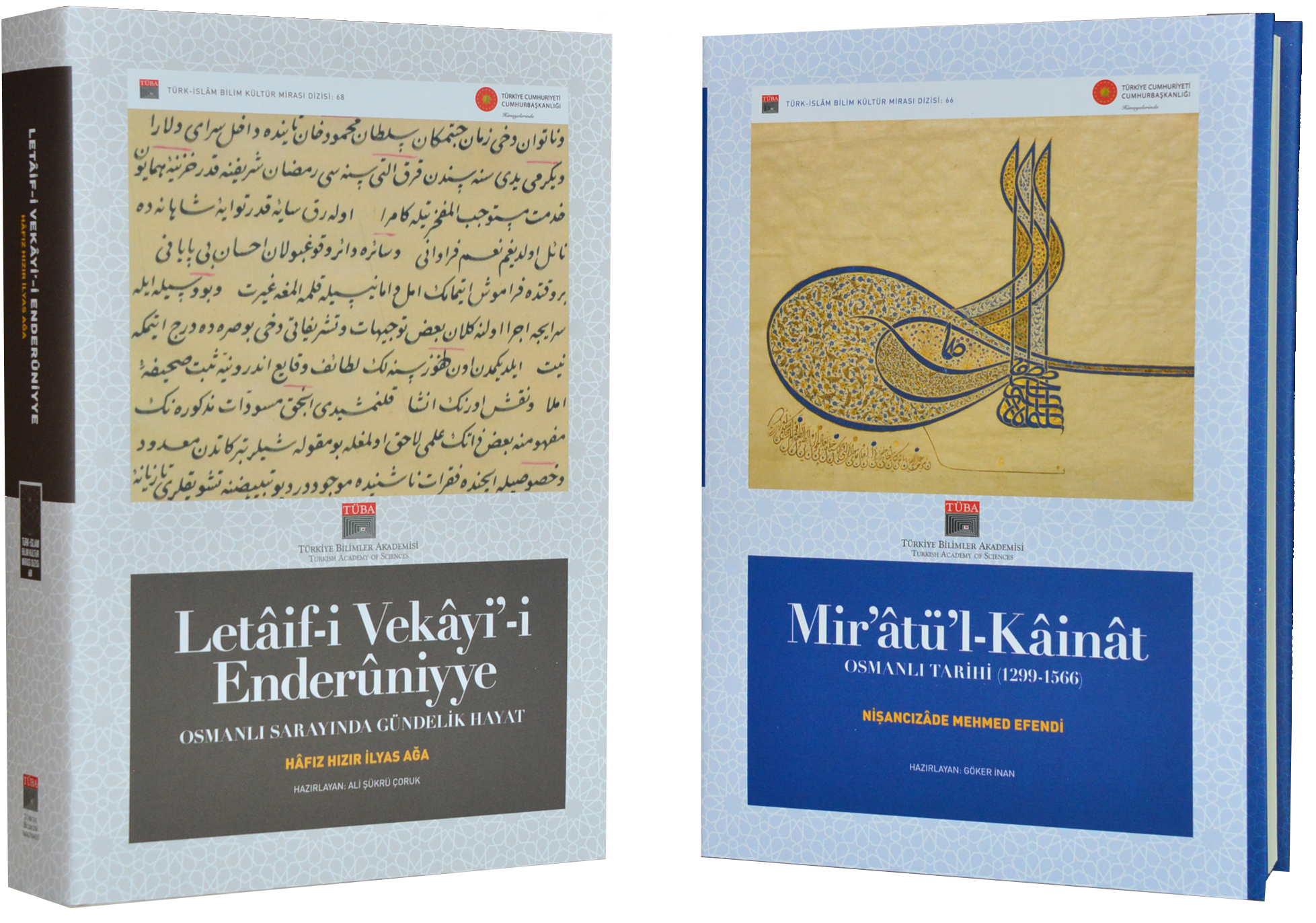
“Mir’âtü’l-Kâinât,” a work in the field of history, offers a broad perspective spanning from the history of the prophets to the Islamic states and the classical period of the Ottoman Empire. The work’s section on the Ottomans examines in detail the period from the founding of the state to the reign of Sultan Suleiman the Magnificent. “Letâif-i Vekâyi’-i Enderûniyye,” meanwhile, reveals the daily practices, traditions, and transformations of Ottoman court life through the observations of Hâfız Hızır İlyas Ağa, who served at Topkapı Palace.
Science, Literature, and Book Culture
Reflecting the Ottoman scholarly tradition, Tuhfetü’t-Tâlibîn, a religious manual written by Grand Vizier Lütfi Pasha, sheds light on the religious life of the era. Filling a significant gap in the field of classical Turkish literature, Bahrü’l-Evzân stands out as one of the most comprehensive works written in Turkish on the aruz meter (Aruz prosody) and makes a significant contribution to the literature in this field. The study titled Topkapı Palace III. Ahmed Library, published as part of the project, offers rich data on book and library culture, book circulation, and reading habits in the Ottoman Empire, thereby providing a new perspective for historical and bibliographical research.
Cultural heritage is being passed on to future generations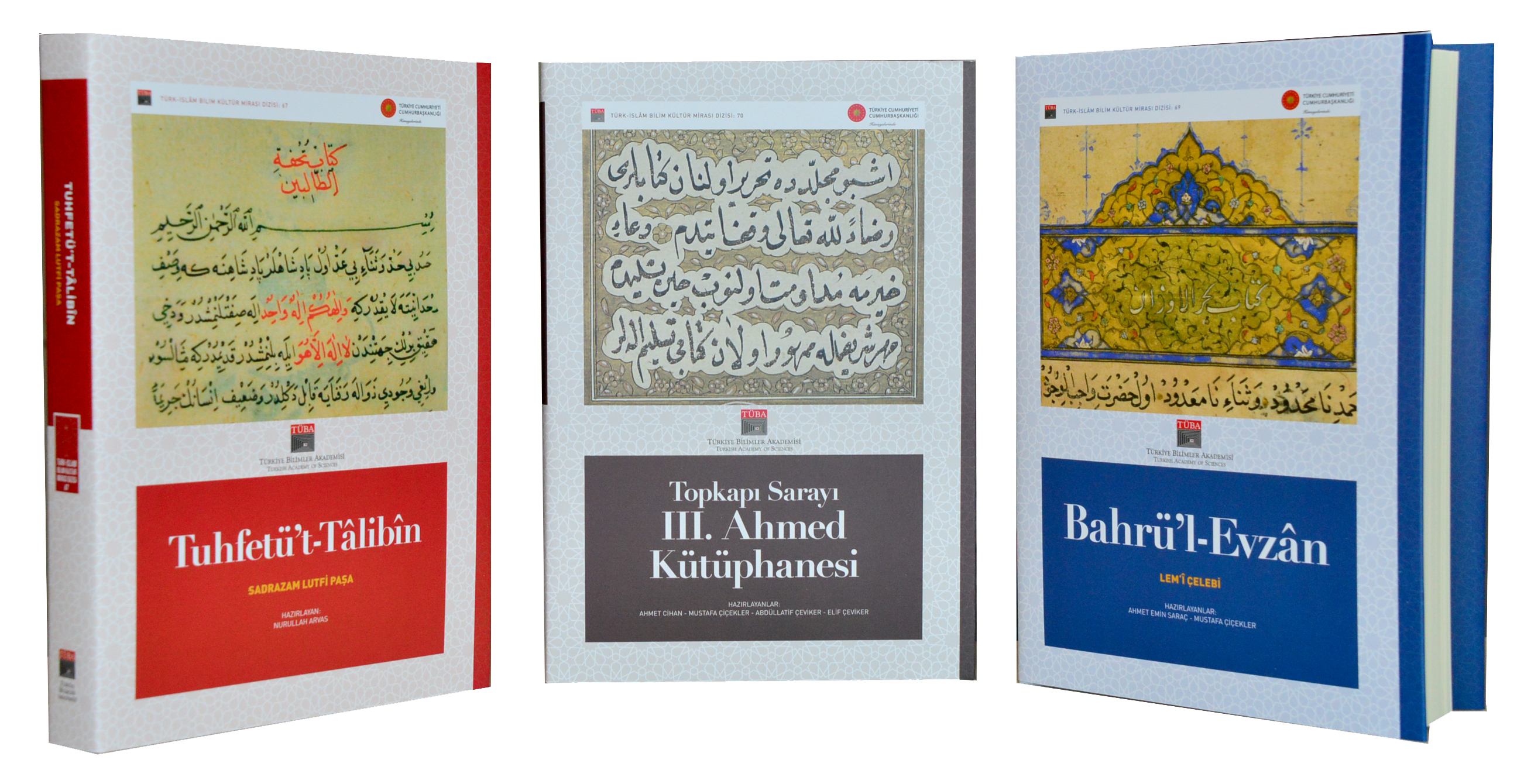 This collection, which bridges the depth of the past with today’s academic world, represents a strategic step that reinforces Turkey’s scientific confidence. With these new works, TÜBA once again reaffirms its commitment to preserving our ancient heritage and contributing it to the global scientific literature.